Laura Kipnis, Camille Paglia, and the Redefinition of Sex
Kipnis’ cautionary tale dovetails with Camille Paglia’s collection of essays, Free Women, Free Men.


Kipnis’ cautionary tale dovetails with Camille Paglia’s collection of essays, Free Women, Free Men.
At the heart of this revolution lies the myth of the “authentic self” – the largely or entirely mutable or malleable “self-realizing” person of indifferent gender.
From that perspective, it might make sense to co-opt “gender” to refer to human sexual phenotypic diversity.
The net effect is a chilling of casual sexual interactions, especially amongst young people. And so, why is anyone surprised? And why doesn’t the media want to talk about it?
The Motte and Bailey Doctrine has been a successful rhetorical device for anti-sex difference academics and authors for some time now, but it is beginning to fray at the edges.
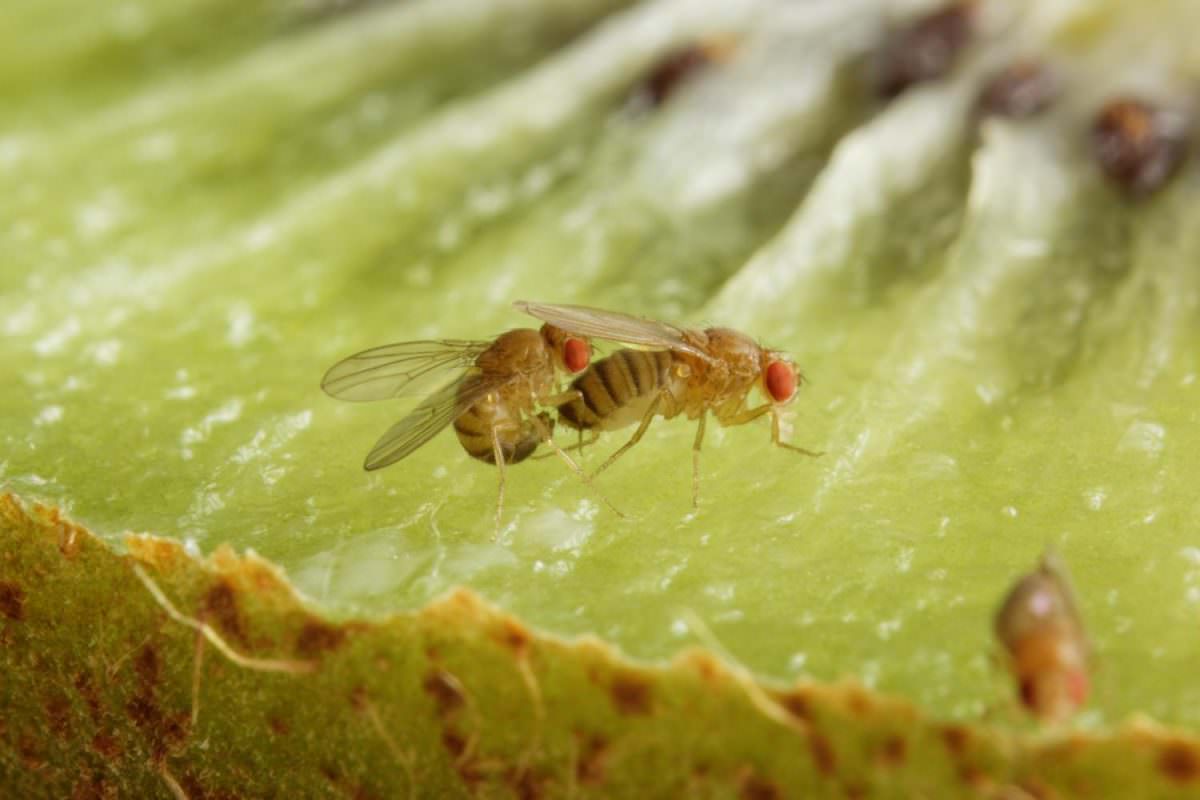
In fact—it’s even more interesting than that. Multiple matings do (perhaps surprisingly) benefit females in all sorts of ways across all sort of species.
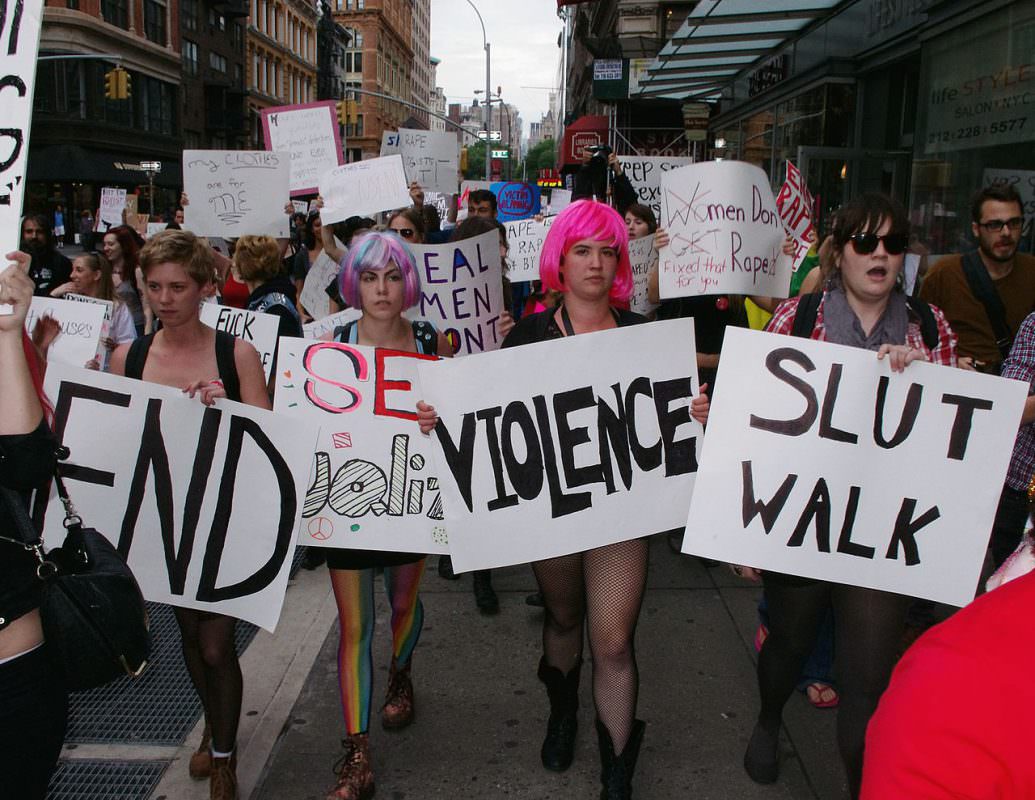
Women have become angry and defensive as a result of being raised to view men as the enemy.
What happens in a culture where equality rules?
The point is rather that, potentially, even quite marked sex differences in the brain may have little consequence for behaviour.
Sweden was the first state to acknowledge Palestine, antagonising what is the only democratic power in Middle East and steadfast Western ally, Israel.
Nowadays, it’s morally and intellectually permissible to denigrate a group of people based on skin colour and gender, so long as they’re white and male.
If we ask these accusers to explain themselves, are we blaming the victims? Possibly.