“War Is the Least Conservative Undertaking”—An Interview with Dr William Ruger
It is time for conservatism to fully embrace a prudential, restrained approach to foreign policy.


Foreign policy analyst and national security fellow. Writes on great power competition and geopolitics for various publications.
It is time for conservatism to fully embrace a prudential, restrained approach to foreign policy.
While Hanson is good in setting out the causes of Trump’s victory, he falls short when it comes to making recommendations for the future.
Somewhat similarly, at Oxford, professor Nigel Biggar was targeted immediately after his project “Ethics and Empire” was launched.
What are the sources of Iranian and Saudi foreign policy and what prudent options there are for the West to adopt?
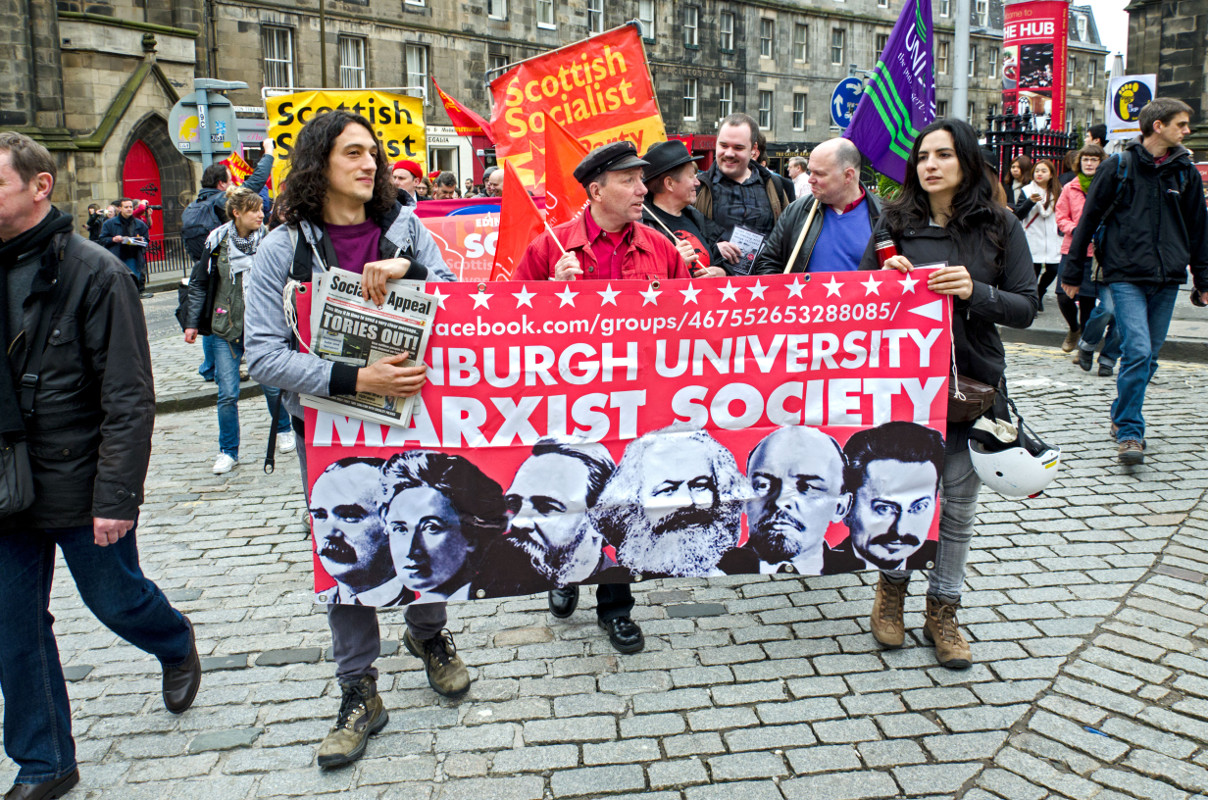
At the height of the Cold War, Western Marxists foresaw that the opportunity for an armed socialist revolution was bleak.
There would be calls for interventions, the topic would be urgently raised at the Security Council —and there might even be talks of sanctions or the arming of moderate rebels.
Germany is a country which takes politics seriously. Chancellor Angela Merkel is an academic herself.
These might be two separate and superficially different incidents, but they are qualitatively very similar and underline the same cultural tensions that lead to these scenarios.
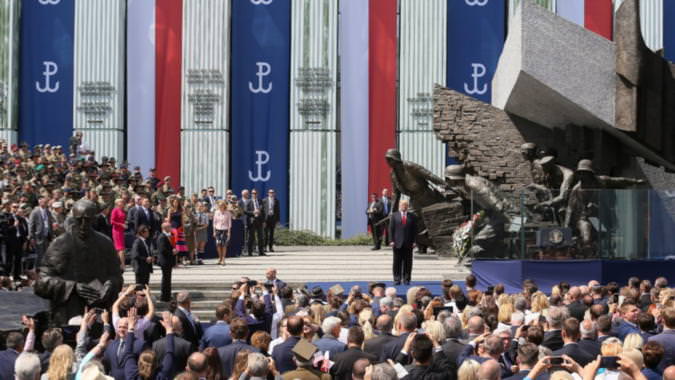
Trump’s speech highlighted these key aspirations, and struck the right notes, for his intended audience—the socially conservative.
The escalating political rhetoric on both sides has led Pat Buchanan to ask openly what some on the American Right have been pondering privately for a while.
Understand the character of an insurgency. An insurgency is a movement. Insurgency need not be coordinated or centrally planned.
The European Union is essentially therefore a modern avatar of the empire, based on Richard von Kühlmann’s imperial concept of “limited sovereignty.”