Long-Distance Love during Lockdown
Love, it turns out, remains an enduring mystery.


Love, it turns out, remains an enduring mystery.
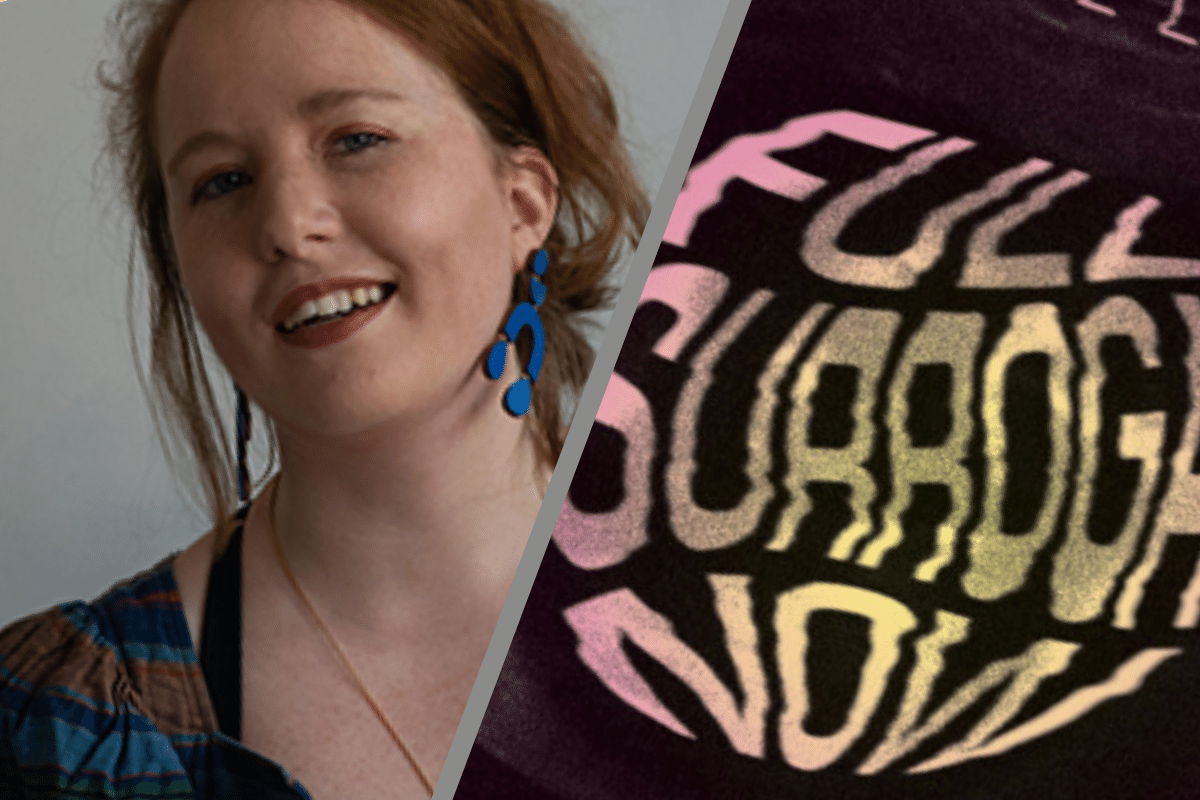
Full Surrogacy Now makes a feminist argument for, as the author puts it, “abolishing the family” by no longer attaching any importance to biological relationships between people.
In February, the Atlantic published a much discussed essay by David Brooks entitled “The Nuclear Family Was a Mistake.” Brooks noted that the conditions that once made nuclear families viable—strong unions, plenty of jobs that paid living wages, inexpensive housing and transportation and education costs, stay-at-home mothers,
A 2012 statistical report profiled a cohort of 34,000 Swedish heterosexual couples who had their first baby in 2000, and followed their progress longitudinally until 2010.
More people than ever are pursuing polyamorous, open, or swinging relationships.
Cities are one of the great accomplishments of human civilization.
In her new book Primal Screams: How the Sexual Revolution Created Identity Politics (excerpted in Quillette on August 27), essayist and cultural critic Mary Eberstadt documents just how damaging the sexual revolution of the 1960s, and its normalization of divorce in particular, has been to America’s children. She mentions
A UBI system would do far more than any other policy proposed by the current set of Democratic candidates to reduce the vulnerability of such women.
The panic over identity, in short, is being driven by the fact that the human animal has been selected for familial forms of socialization that for many people no longer exist.
The Left often shies away from making a strong case for family values, despite the fact that family stability may be immensely beneficial for the working class and for black Americans who have high rates of single-mother families.
A willingness to listen requires us to first recognize that our shared humanity means that we have more in common than that which divides us.
To figure out what’s really going on, it’s worth taking a broader look at today’s teens – a generation of kids I call “iGen” – and the environment they’re living in.