It’s My Party and I’ll Die If I Want To
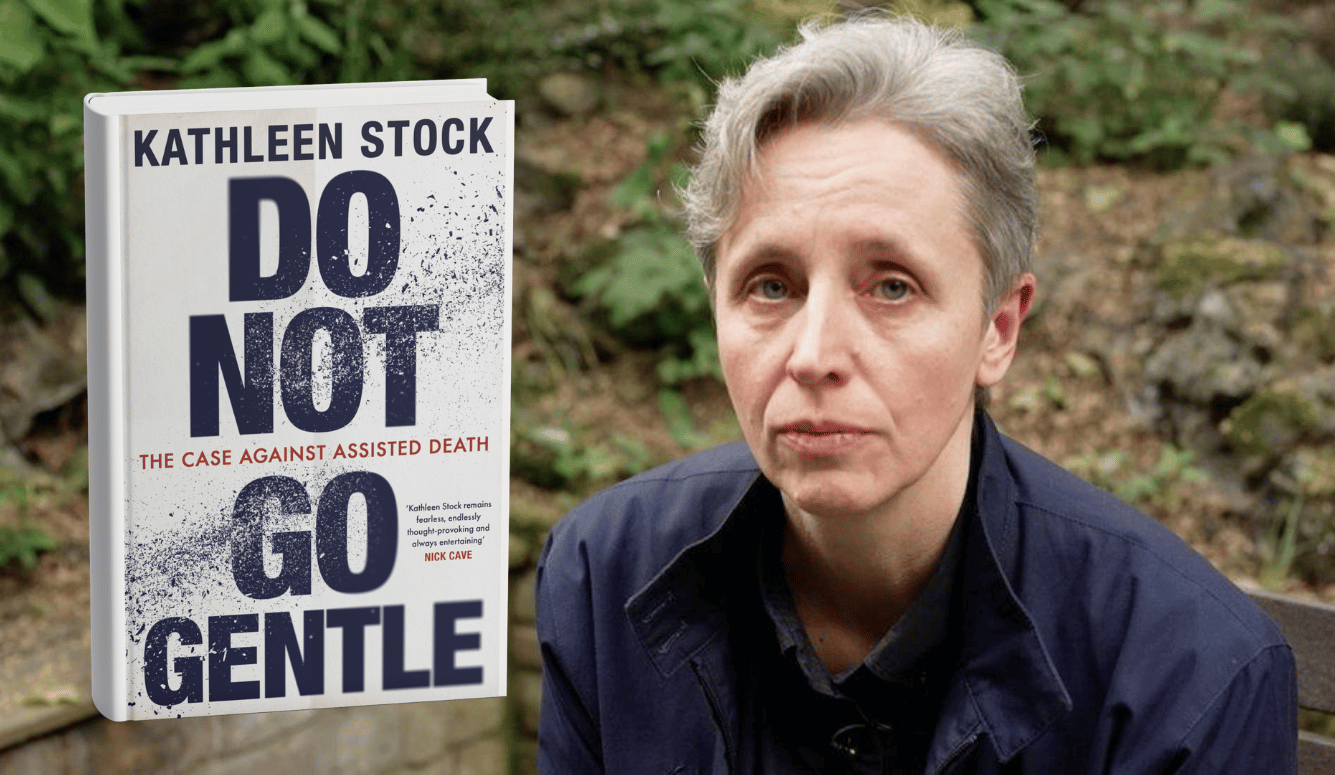
The most consequential weakness of philosopher and journalist Kathleen Stock’s new polemic against assisted dying is its failure to engage with the empirical record.
A collection of 14 posts
The most consequential weakness of philosopher and journalist Kathleen Stock’s new polemic against assisted dying is its failure to engage with the empirical record.
Podcast host Jonathan Kay speaks with Kathleen Stock about her new book, ‘Do Not Go Gentle’—in which she argues that governments should be denied any institutional role in facilitating the death of their citizens.
The flawed moral reasoning of the ICC’s panel of legal experts would have approved the arrests of Churchill and Eisenhower.
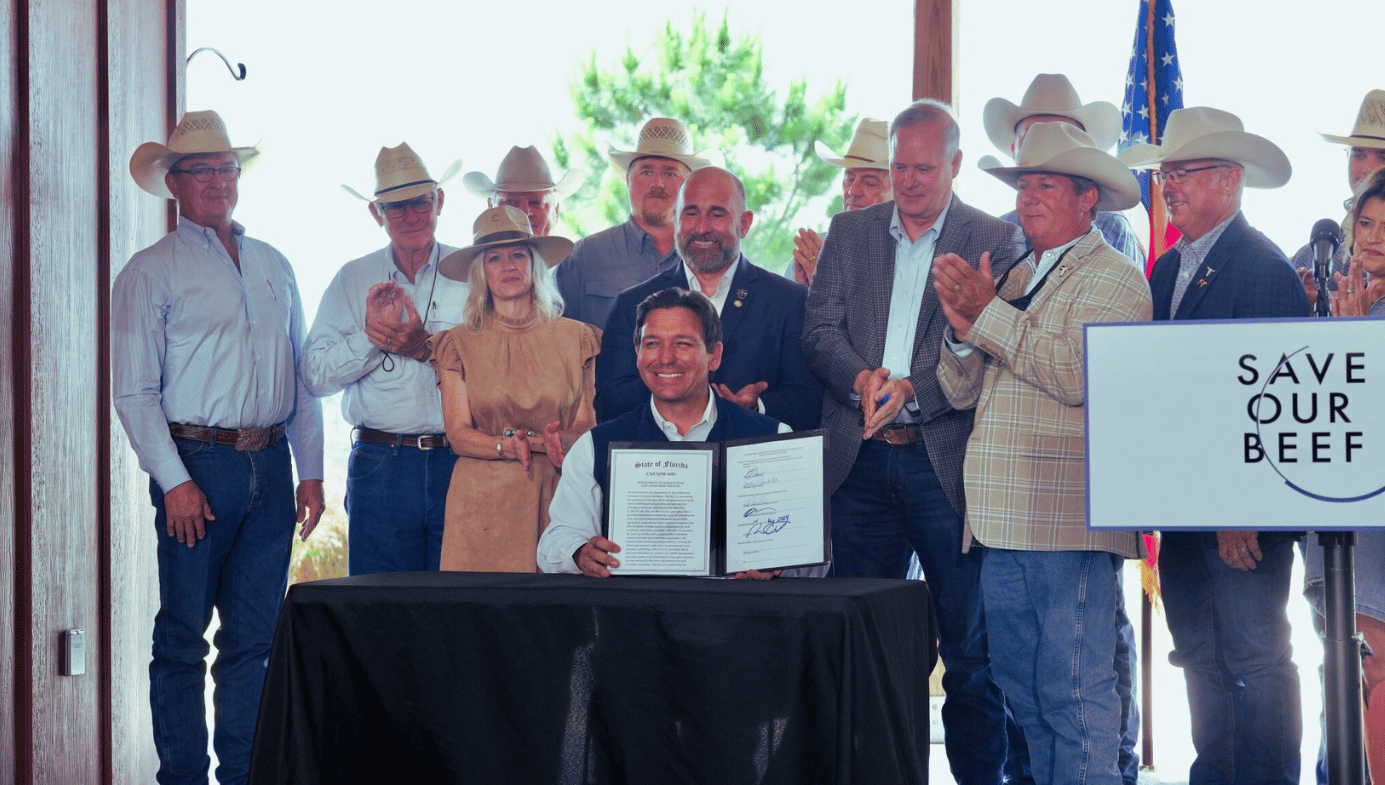
Are concerns about cultured meat justified?
Students who profess to care about justice but not about the truth will end up with neither.
It is time for the EA movement to rediscover humanism.
A recognition that genetic influences on social outcomes are important will potentially influence the kind of help that society offers poorer individuals. But it does not in any way compel an absence of help, or a casual indifference.
Our society cannot and will not survive a polity that permits armed children to walk the streets and kill with impunity.
Here, then, we have a secular ethics connected not to 'nothing,' but to a preference for justice, fairness, and impartiality.
As a young man the great economist was influenced by positivist circles in his native Austria. He expressed no faith or belief in God, and adopted a scientific materialism.
I see very little promise in grounding a moral realism (insofar as such a thing is ultimately a viable project) in terms of evolutionary fitness, and much more promise is taking Harris’ tack.
We are not arguing that racism has vanished, or that racists don’t exist. We’re making precisely the opposite argument.
FBI Director Comey's call not to charge Hillary Clinton aimed to avoid political turmoil in a charged climate.
A large section of the critics of intervention today are making similar assumptions in both the moral and practical assessments of the choices before us.