Is the New York Times Bad For Democracy?
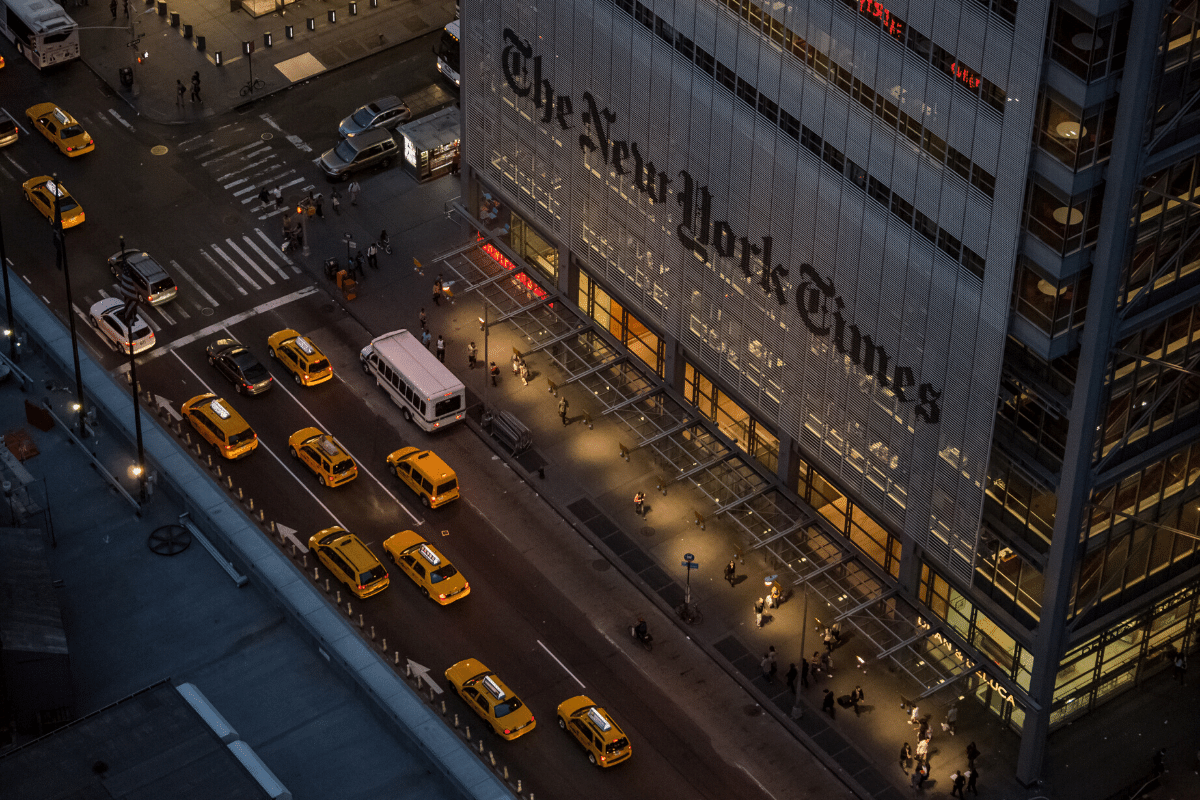
If the Times is implicated in the declining health of smaller news organizations, then it’s not serving the values of democracy as well as it righteously claims.


If the Times is implicated in the declining health of smaller news organizations, then it’s not serving the values of democracy as well as it righteously claims.
One of the weird subplots of this Democratic leadership contest has been the steady output of long, puffed out New York Times think pieces that came off as thinly veiled hit jobs on disfavoured candidates.
Material benefits can always be translated into political power because the political world has always been interwoven with the cultural world.
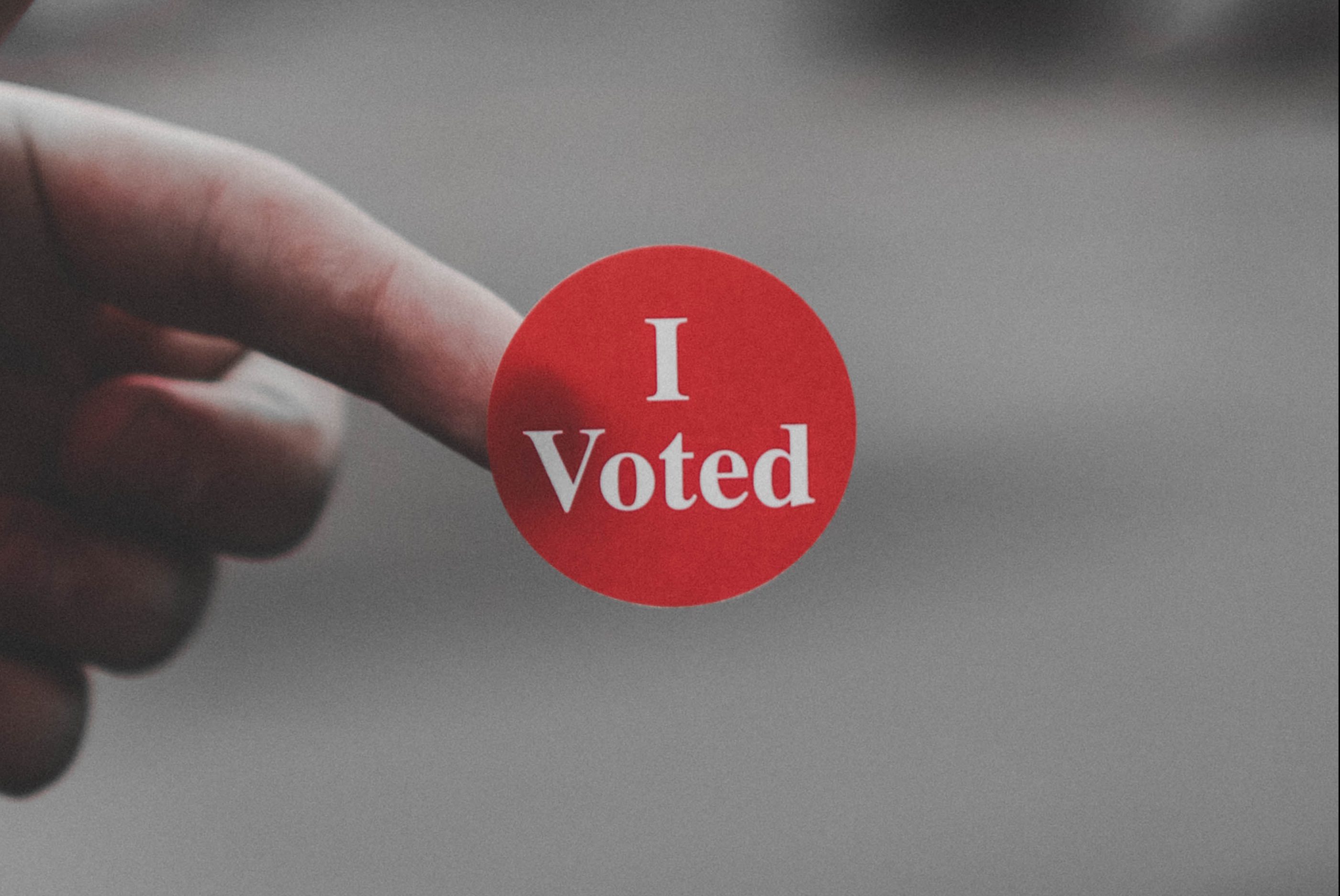
A compulsory voting law—practiced in a number of democracies around the world, including Australia and Belgium—makes voting a civic requirement for all citizens.
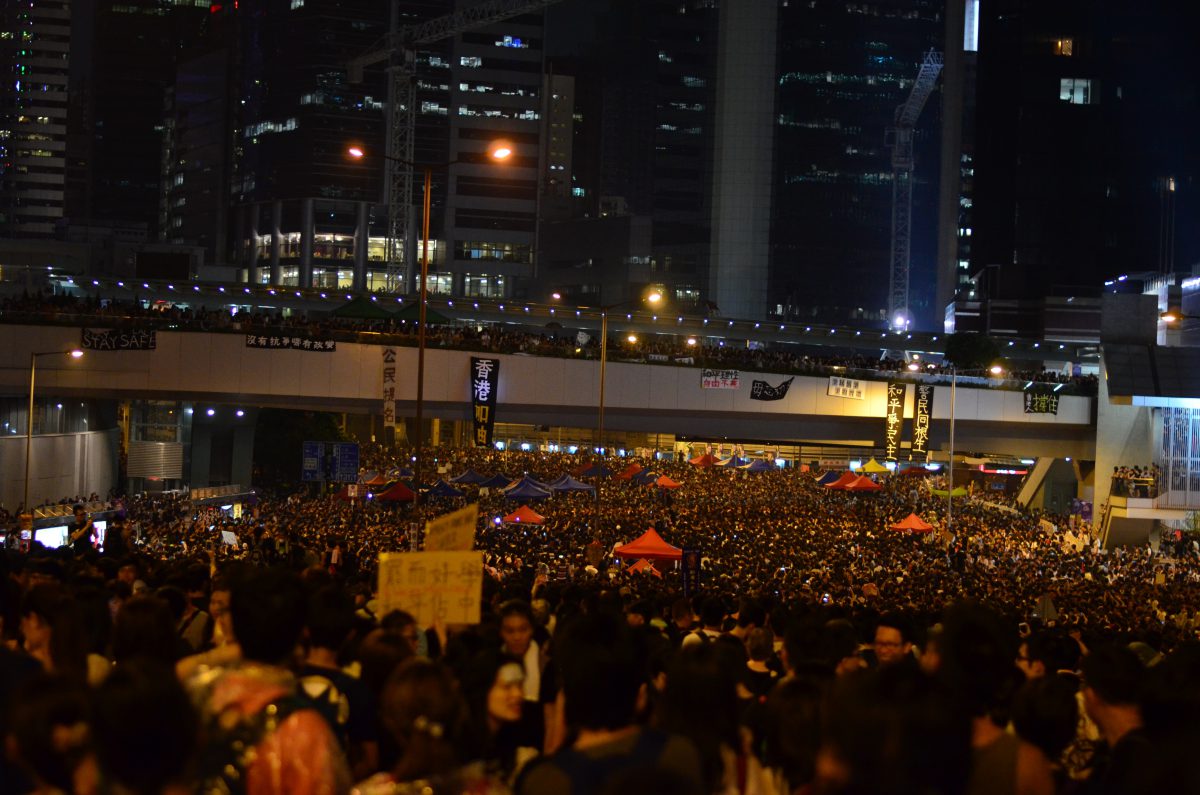
The myths of the obedient Hong Kong child, of the disciplined dronelike worker, of the person who puts money above everything else, are shattered for ever.
The rise of social media means that a limited number of academics, industry bodies or professional groups can promote almost any agenda, however obtuse, gain slightly wider support online, and create the appearance of significant authoritative status.
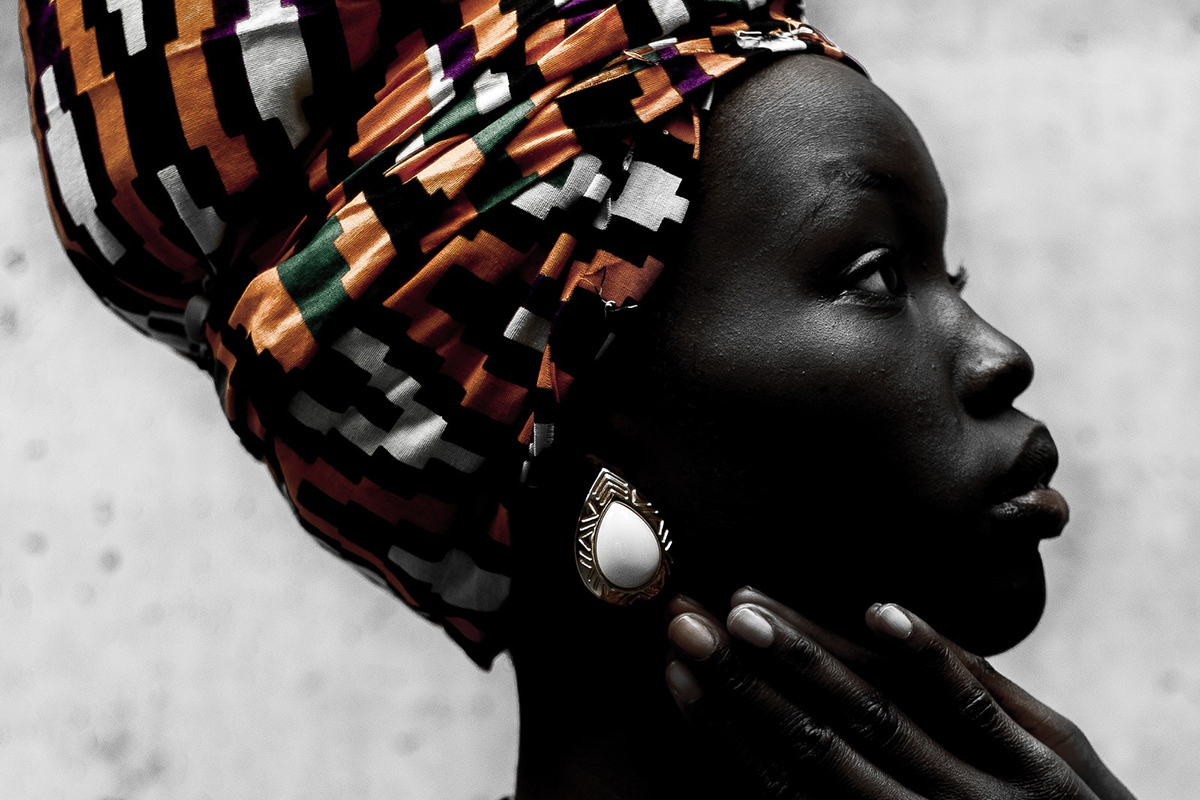
As revealed in the documentary, this view takes an emotional toll on dark women, who are discriminated against in all sorts of ways.
Elite liberalism is embracing modes of thought that I once associated with the political Right: joy in punishment and us-versus-them thinking.
If one referendum isn’t enough to resolve the matter, why would two be enough?
Now, let’s consider for a moment the practical consequences of this theory for our representative democracy.
It wouldn’t be misleading to say that the greatest threat to free speech today comes from free speech itself.