No Place for Children
The murder of five-year-old Kumanjayi Little Baby by repeat offender Jefferson Lewis has exposed the failures of Australia’s criminal justice system and Indigenous child protection policy. What will it take to make change?
A collection of 11 posts
The murder of five-year-old Kumanjayi Little Baby by repeat offender Jefferson Lewis has exposed the failures of Australia’s criminal justice system and Indigenous child protection policy. What will it take to make change?
The case of Bao Phuc Cao—released without a conviction after secretly filming over 100 women in public toilets—reveals that Melbourne’s judiciary is drastically out of step with the public understanding of the purpose of criminal justice.
The proposed abolition of jury trials for most crimes undermines an ancient English liberty that has protected the people against state tyranny for centuries.
Managing Editor Iona Italia talks to criminal justice researcher Andrew Bushnell about the many causes of the recent surge in crime in Melbourne.
Criminal-justice reformers like to say that it is better to be ‘smart on crime’ than ‘tough on crime.’ But sometimes being tough is the smart choice.
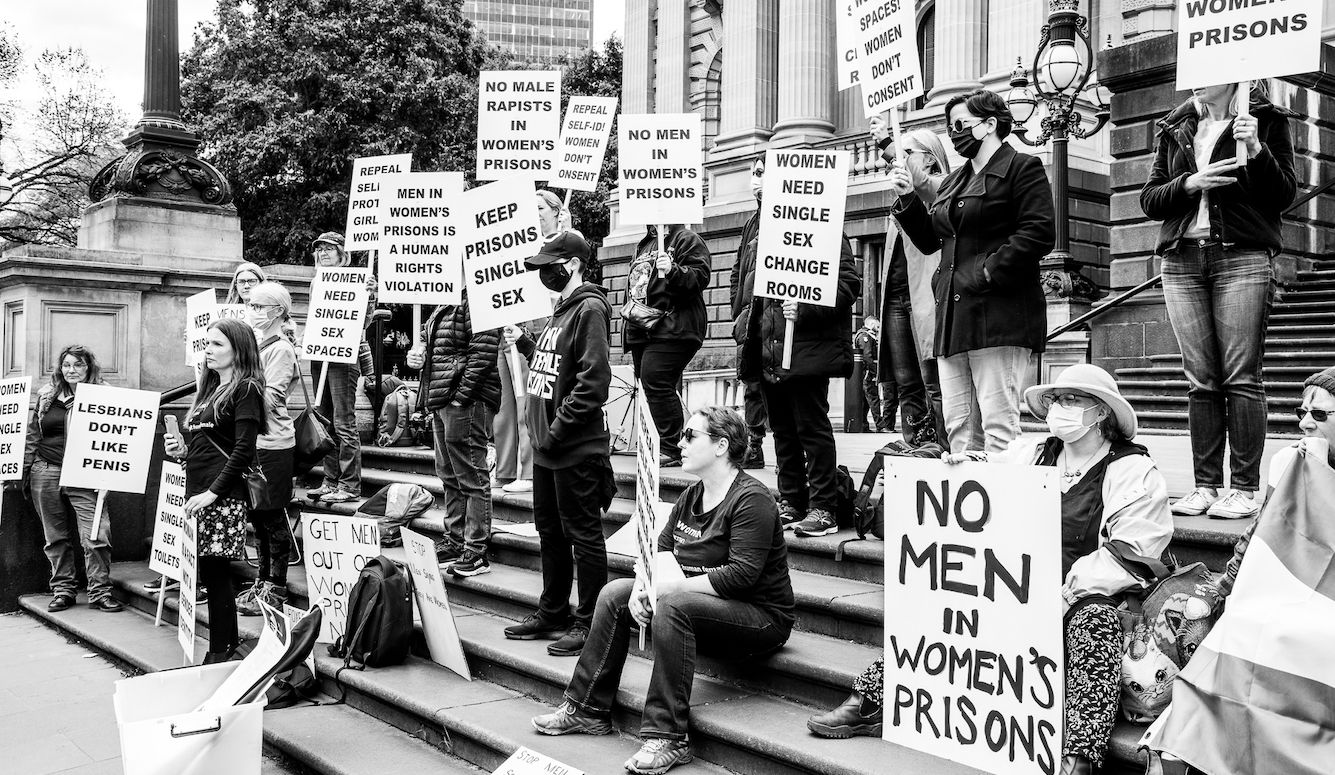
A philosopher breaks down the debate over how to treat male criminals who self-identity as women.
Sometimes, what we are taught, and then either by mistake or by force, integrate into our thinking, is contrary to the conditions of human life.
Our society cannot and will not survive a polity that permits armed children to walk the streets and kill with impunity.
In a society that distinguishes the sin from the sinner, on the other hand, recitals of past misdeeds and impure thoughts are tolerated, and even encouraged.
America has the highest rate of incarceration in the world and—in state prisons—blacks are incarcerated at five times the rate of whites."
“We’ve successfully banished the notion of punishment in that realm,” Sapolsky writes. “It may take centuries, but we can do the same in all our current arenas of punishment.”