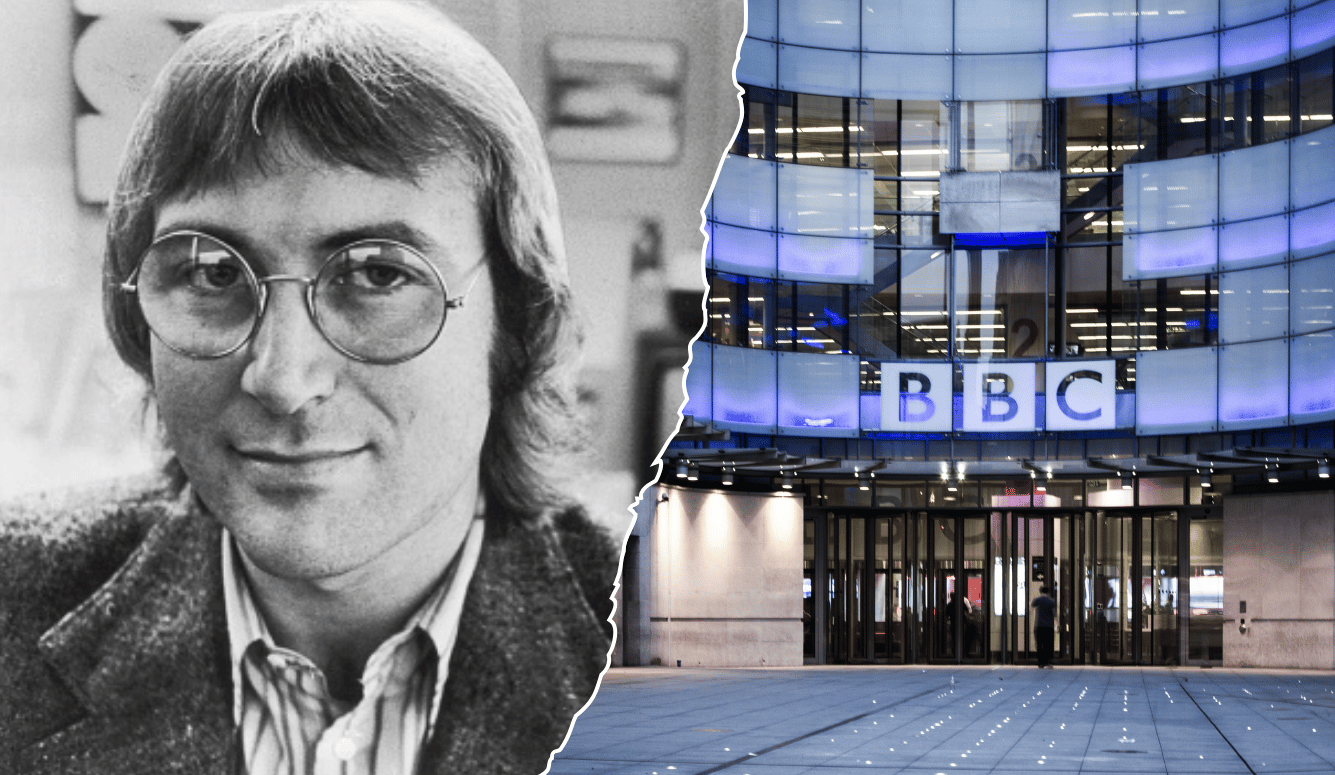
A Journalism of Deception
A former BBC journalist explains how the corporation discarded impartial journalism and why we need a news revolution.
Graham Majin
· 15 min read
A collection of 837 posts
A former BBC journalist explains how the corporation discarded impartial journalism and why we need a news revolution.
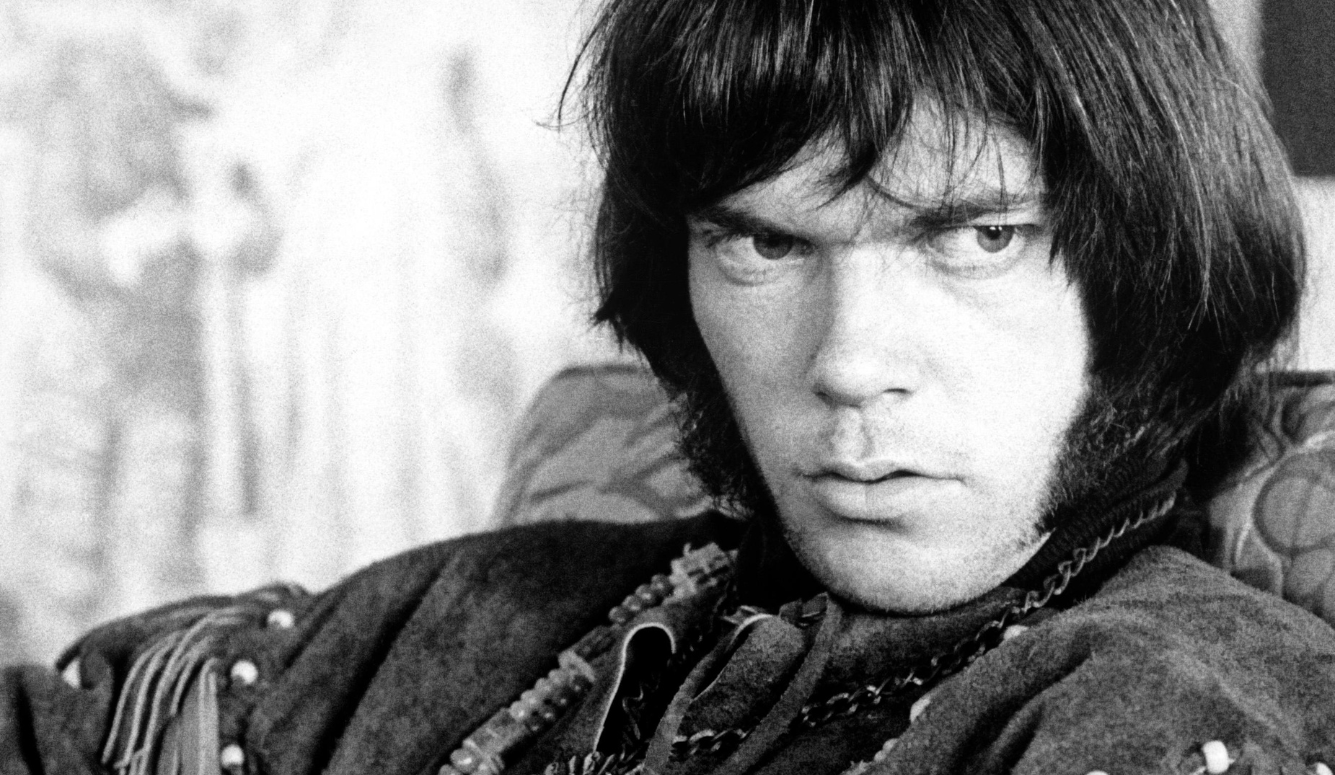
Neil Young is eighty.

From Achilles to Anakin Skywalker, the messiah myth has evolved from religious prophecy to cautionary tale.
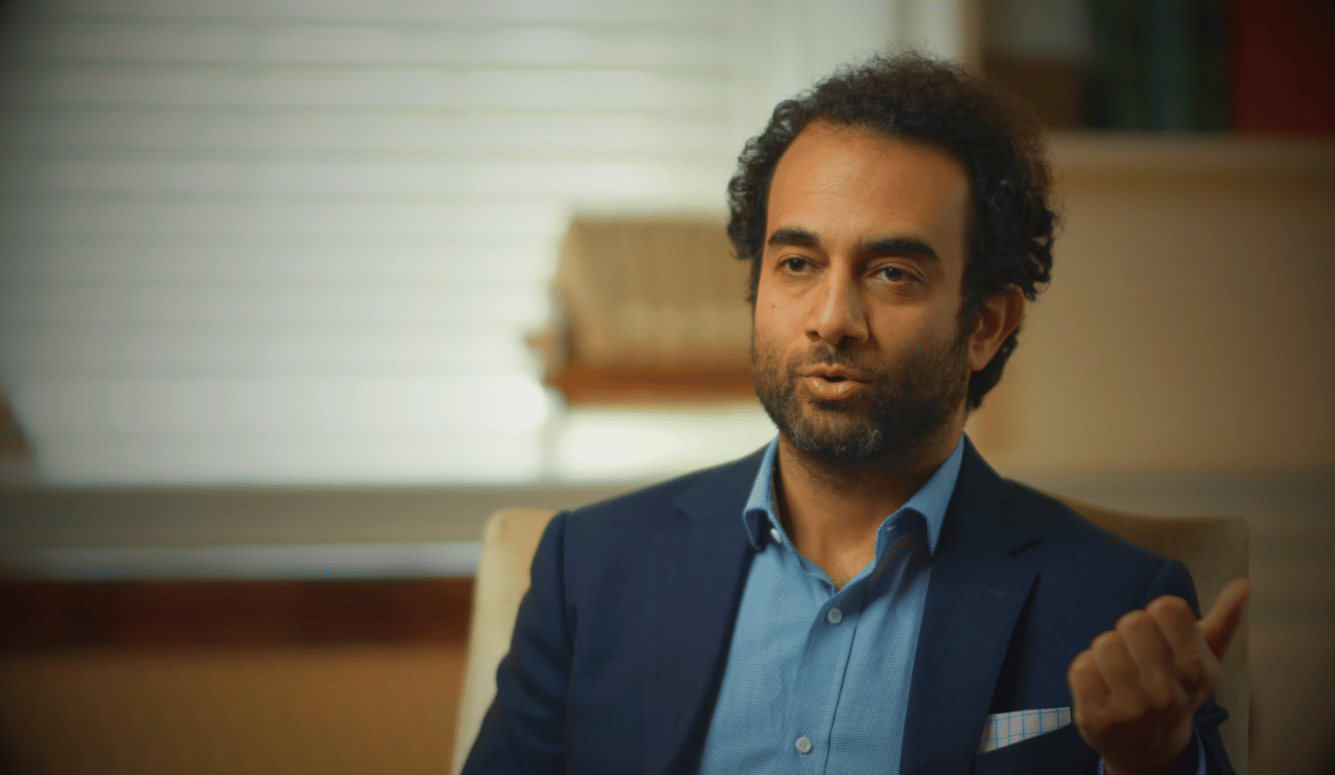
Shadi Hamid has an uneasy conscience, and he doesn’t yet know what to do with it.
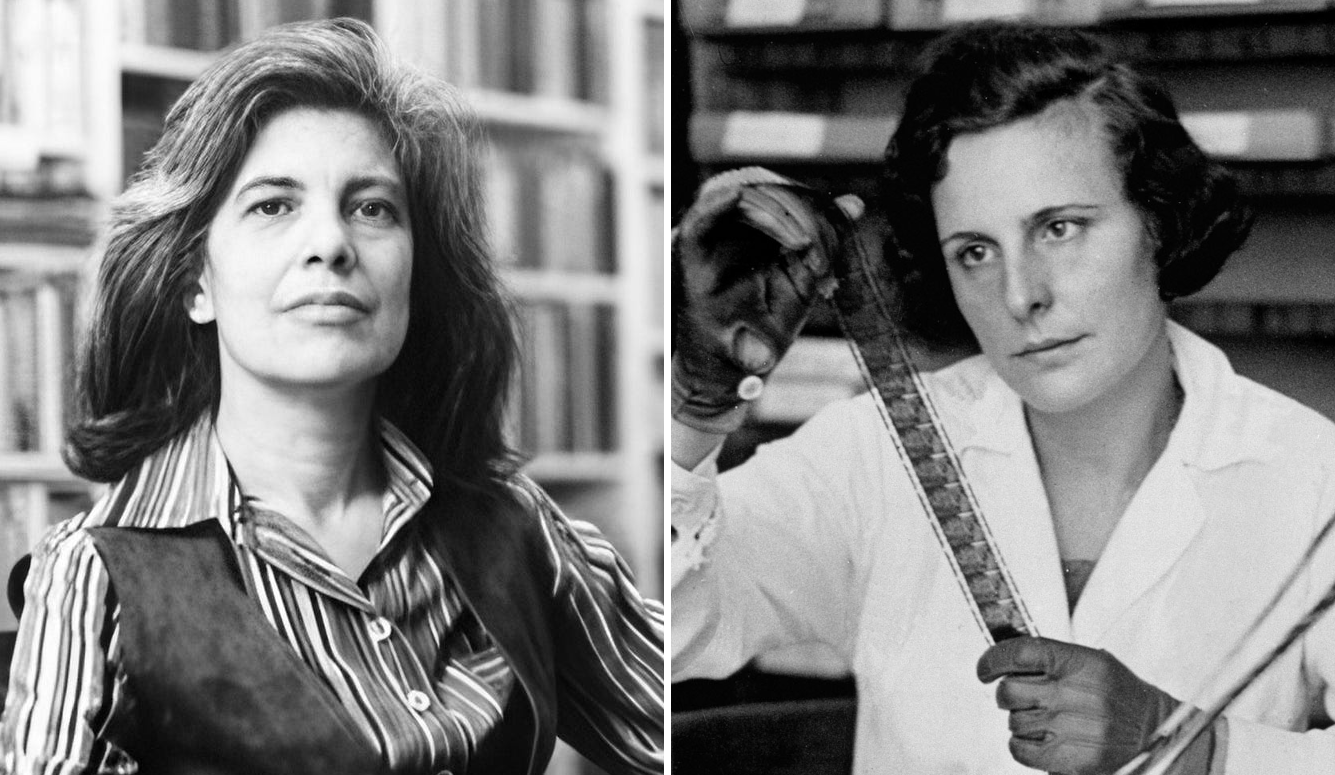
Susan Sontag’s 1974 essay about Leni Riefenstahl and fascist aesthetics displayed the critic at her most stiflingly moralistic and aristocratic.
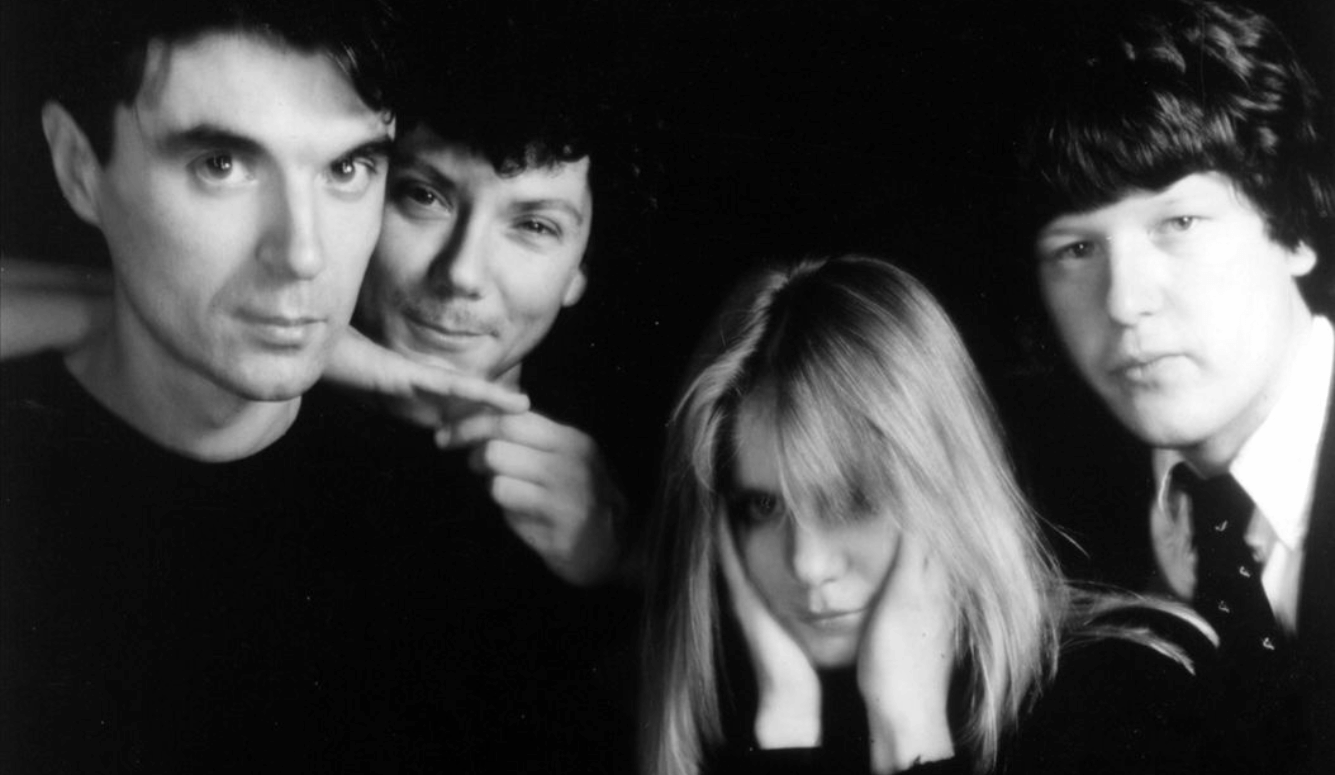
Jonathan Gould’s new Talking Heads biography recalls a once-thriving and now disintegrating independent media network that could elevate eccentrics with potential.
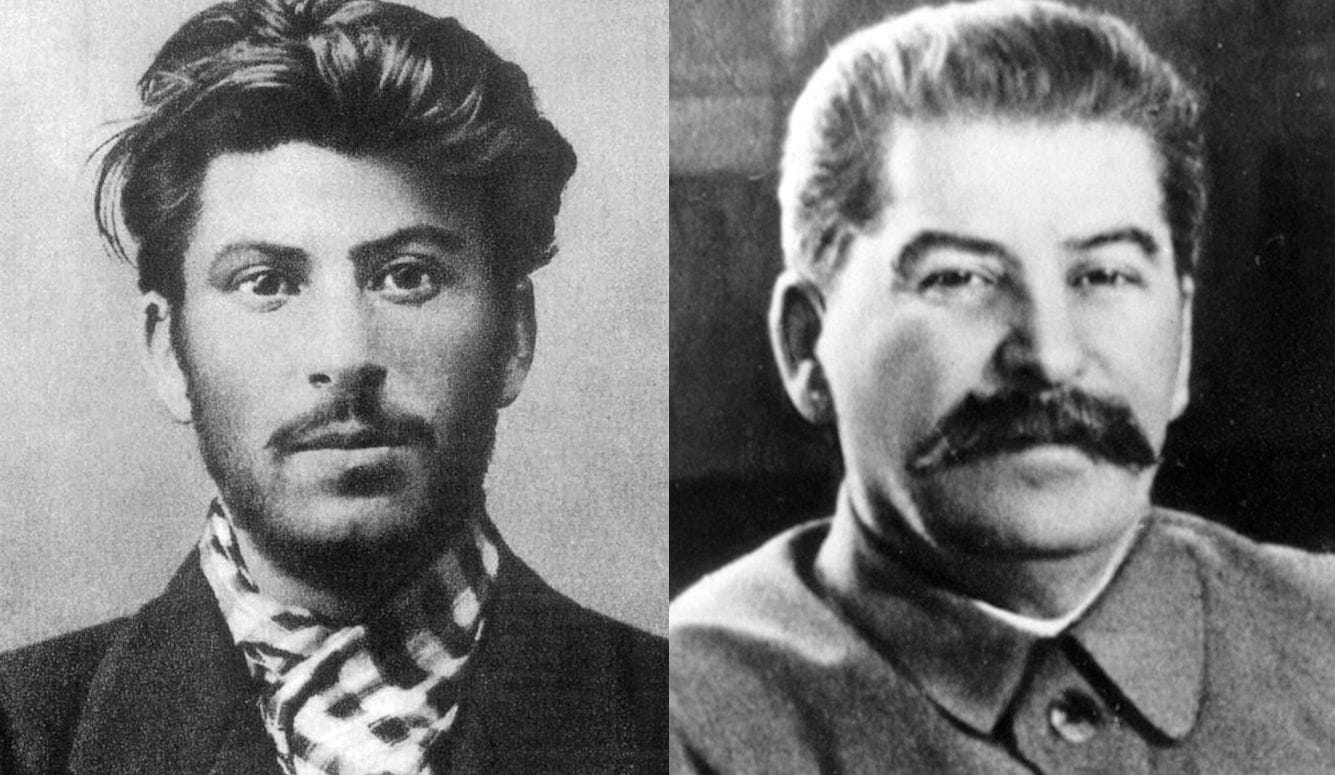
In a new biography of Stalin, William Nester does his best to locate a human being within the monster, but those efforts eventually run aground.

Netanel Flamer’s book about Hamas’s intelligence war on Israel could be read with equal interest by members of Western security forces, and by members of the very groups against which they struggle.

The ideological capture of college writing programs has ushered in an age of didactic, anodyne, and tedious books.
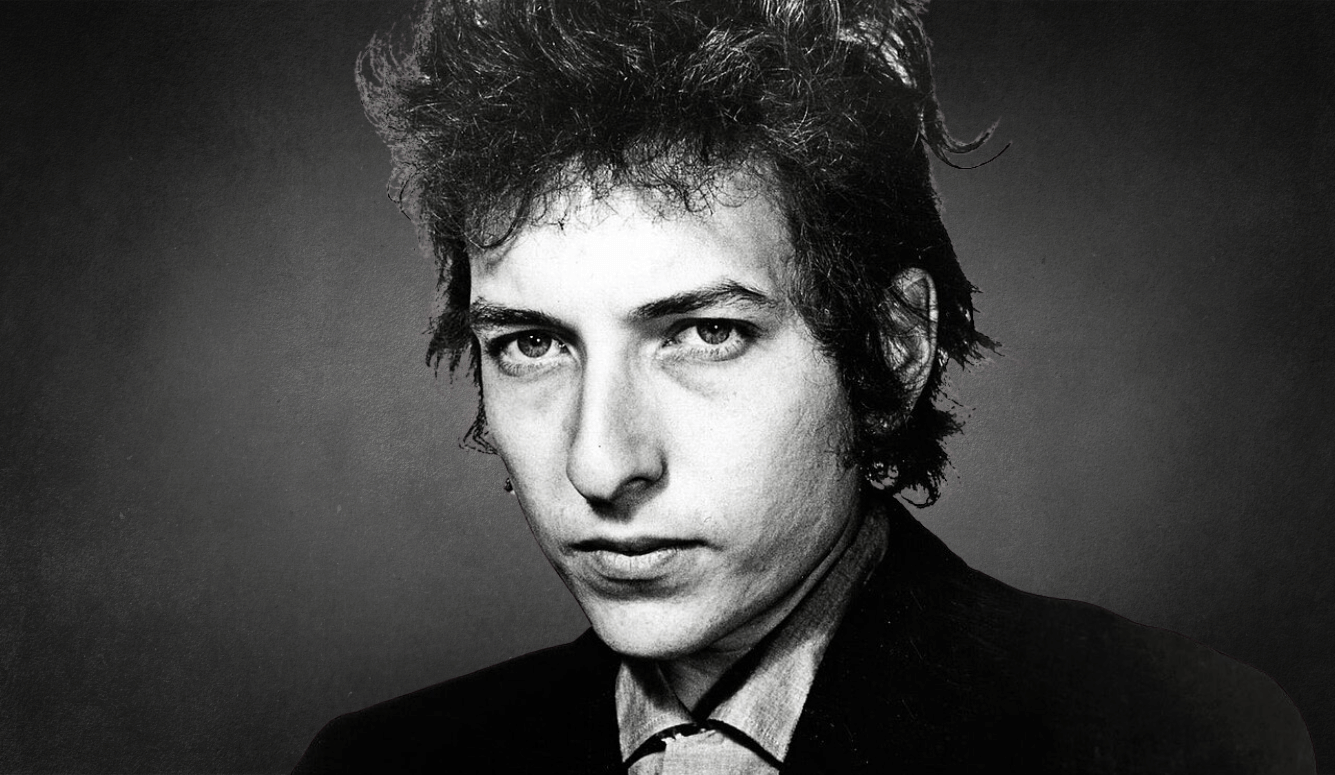
An unorthodox new book by one of America’s finest nonfiction authors tries to make sense of Bob Dylan.

Yossi Cohen has written a bracing and lively memoir about his time as head of Mossad.
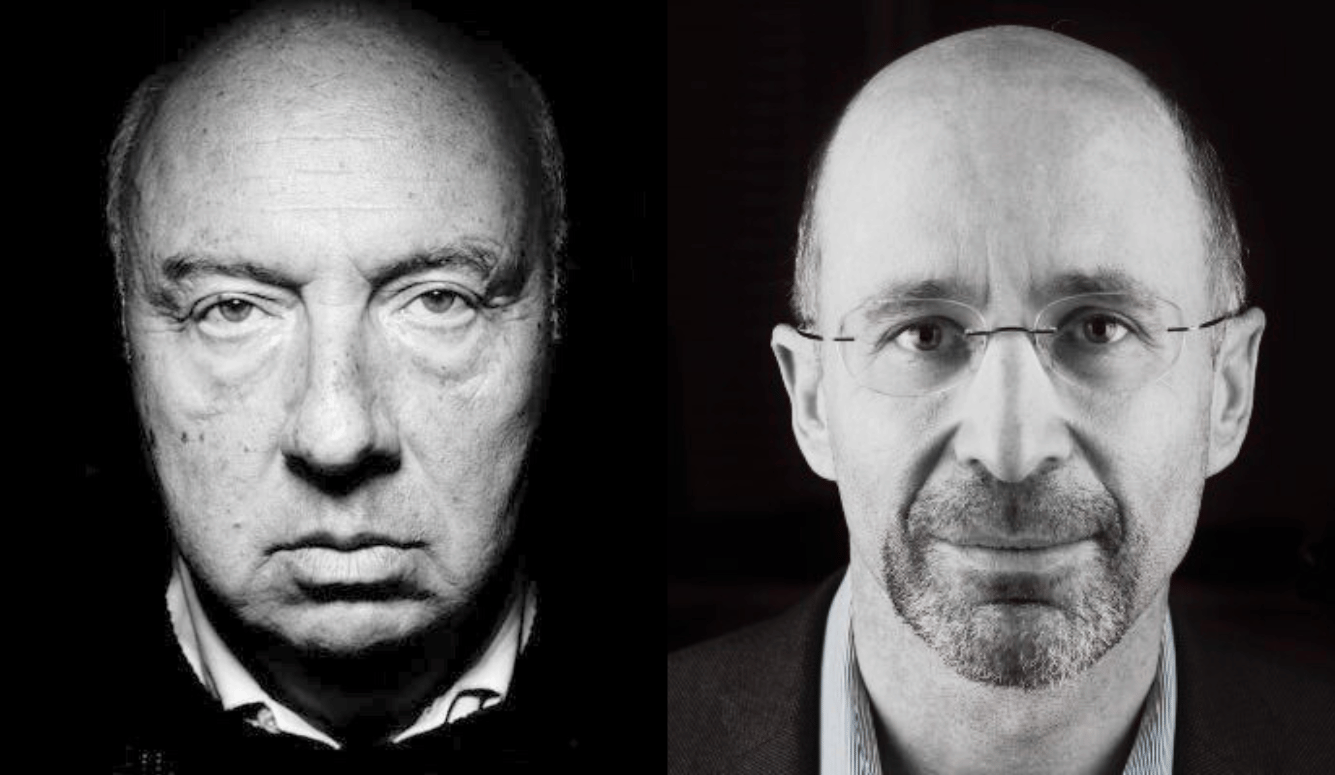
A new book by two former peace processors makes clear that statehood was never the goal of the Palestinian cause.
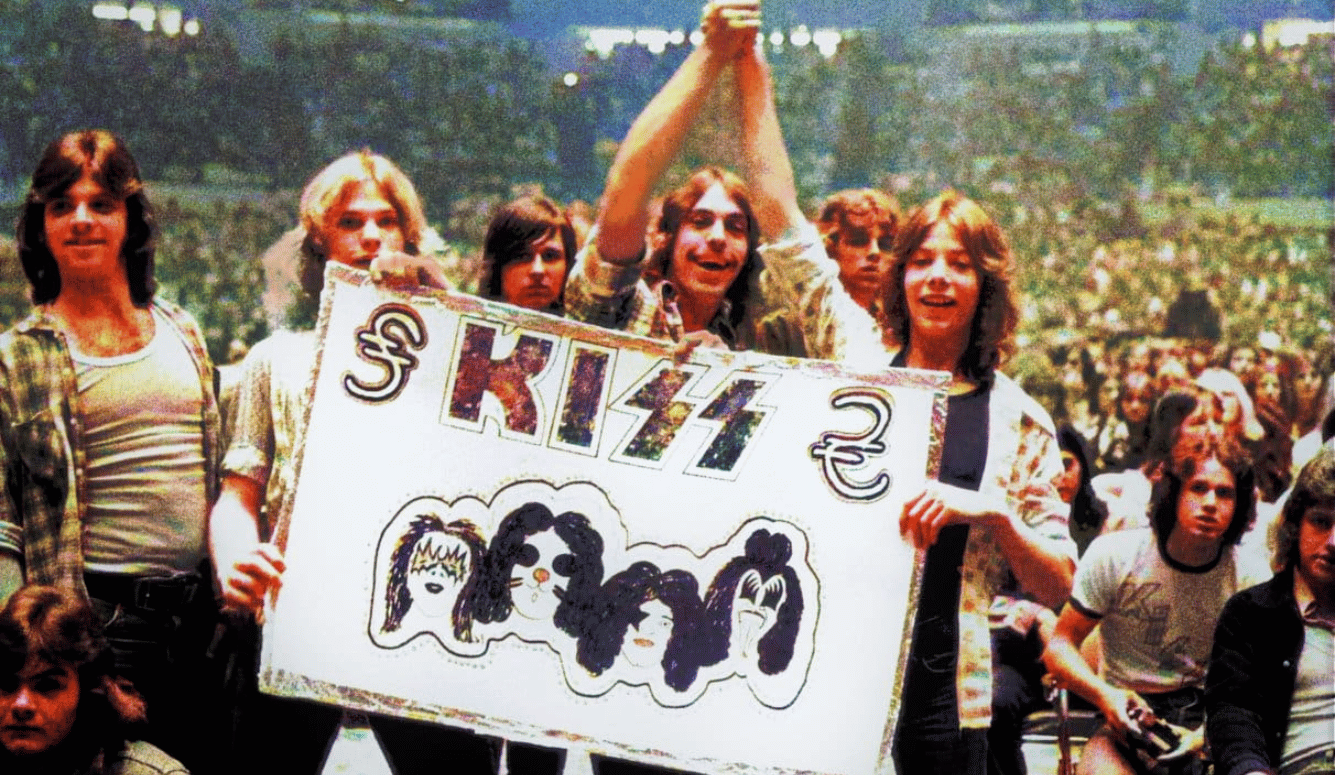
A "live" album recorded in 1975 saved both KISS and their label from bankruptcy, transforming a struggling cult band into a merchandising juggernaut—even though most of it wasn't actually live.
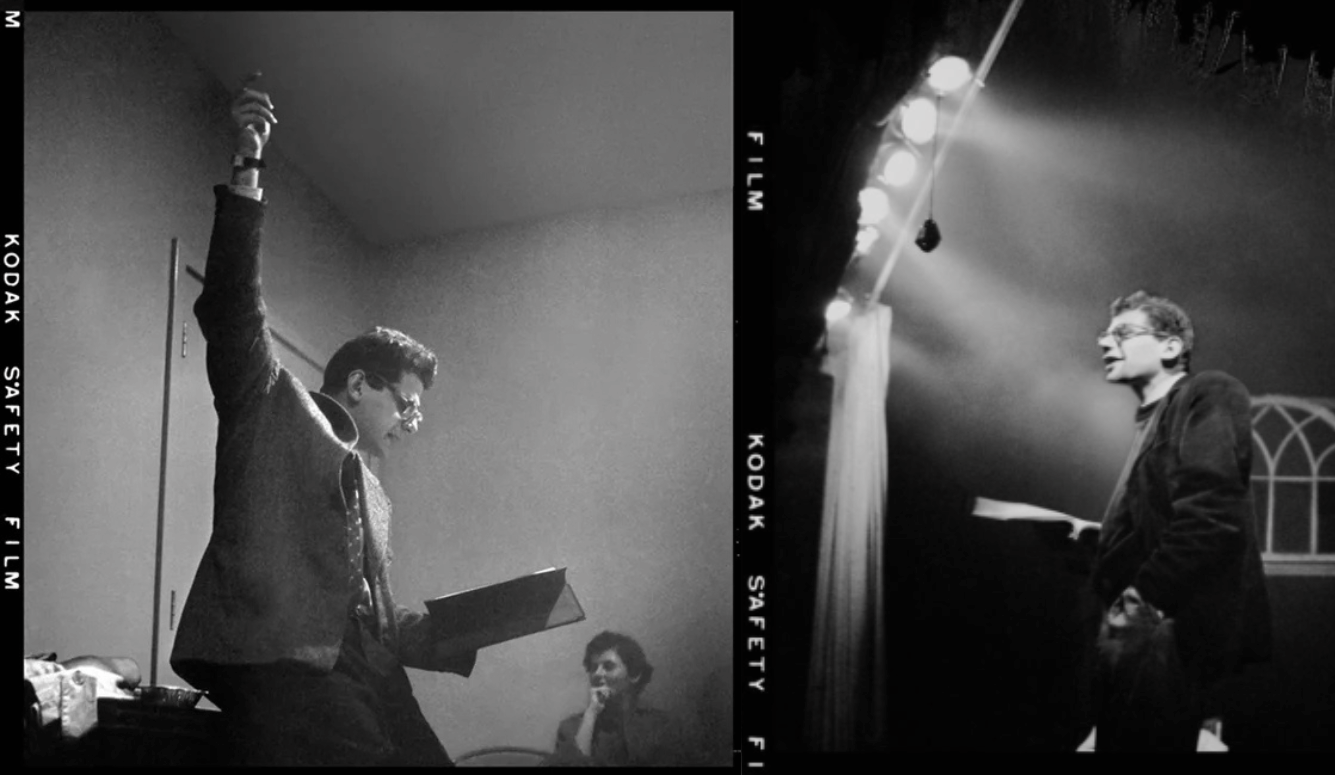
How the 6 Gallery reading in San Francisco on 7 October 1955 changed the counterculture.
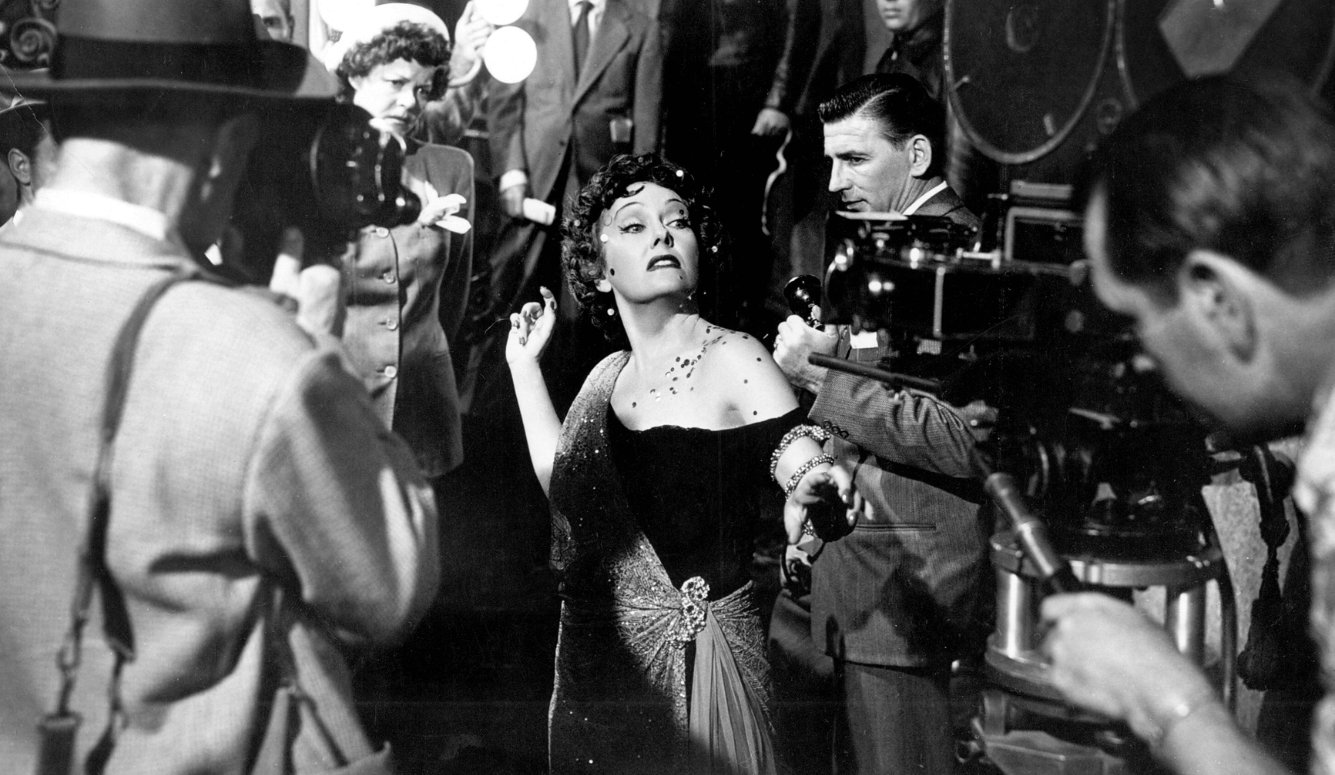
A new book looks back on the making of Billy Wilder’s American classic.