Podcast
Feminism v. Gender Ideology: An Interview with Julie Bindel
During a visit to the county she calls ‘Tranada,’ the veteran activist and author tells Quillette that ‘intersectional’ feminism often resembles a rainbow-branded offshoot of the men’s-rights movement.
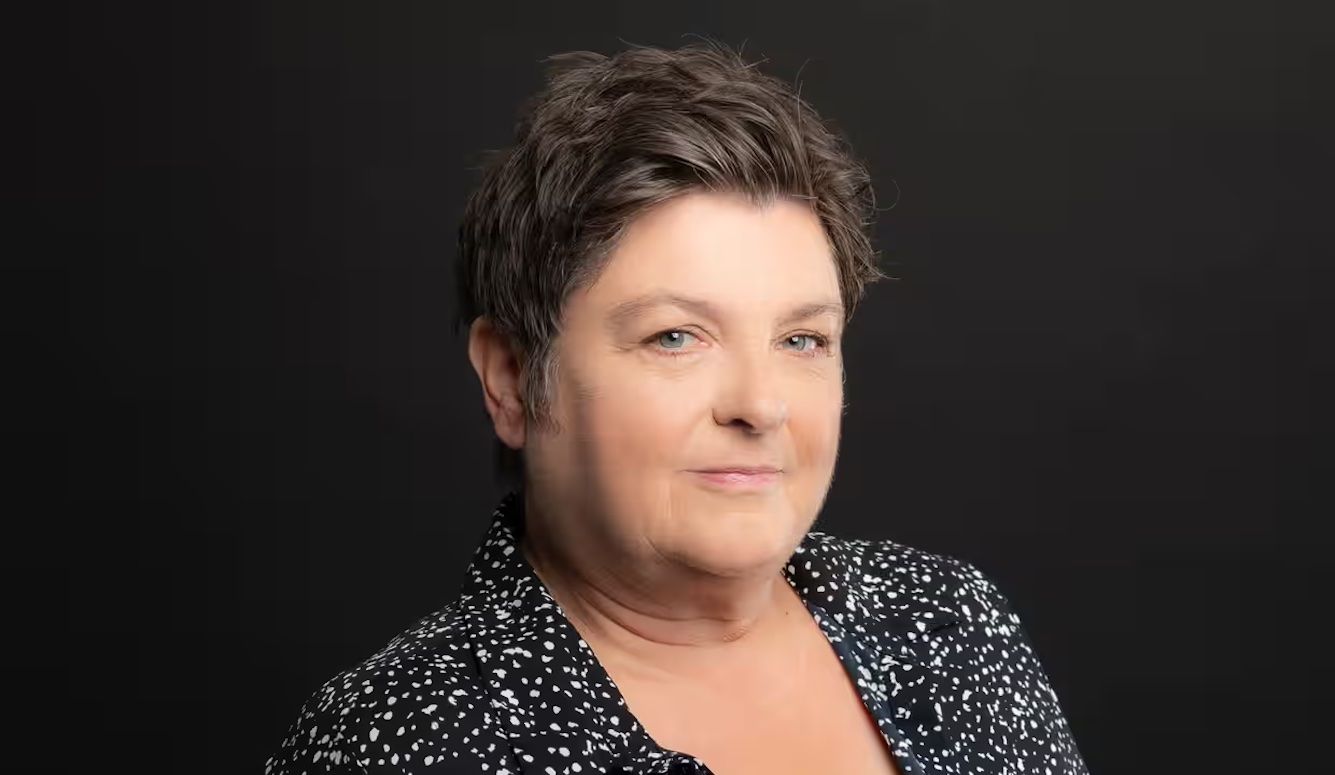

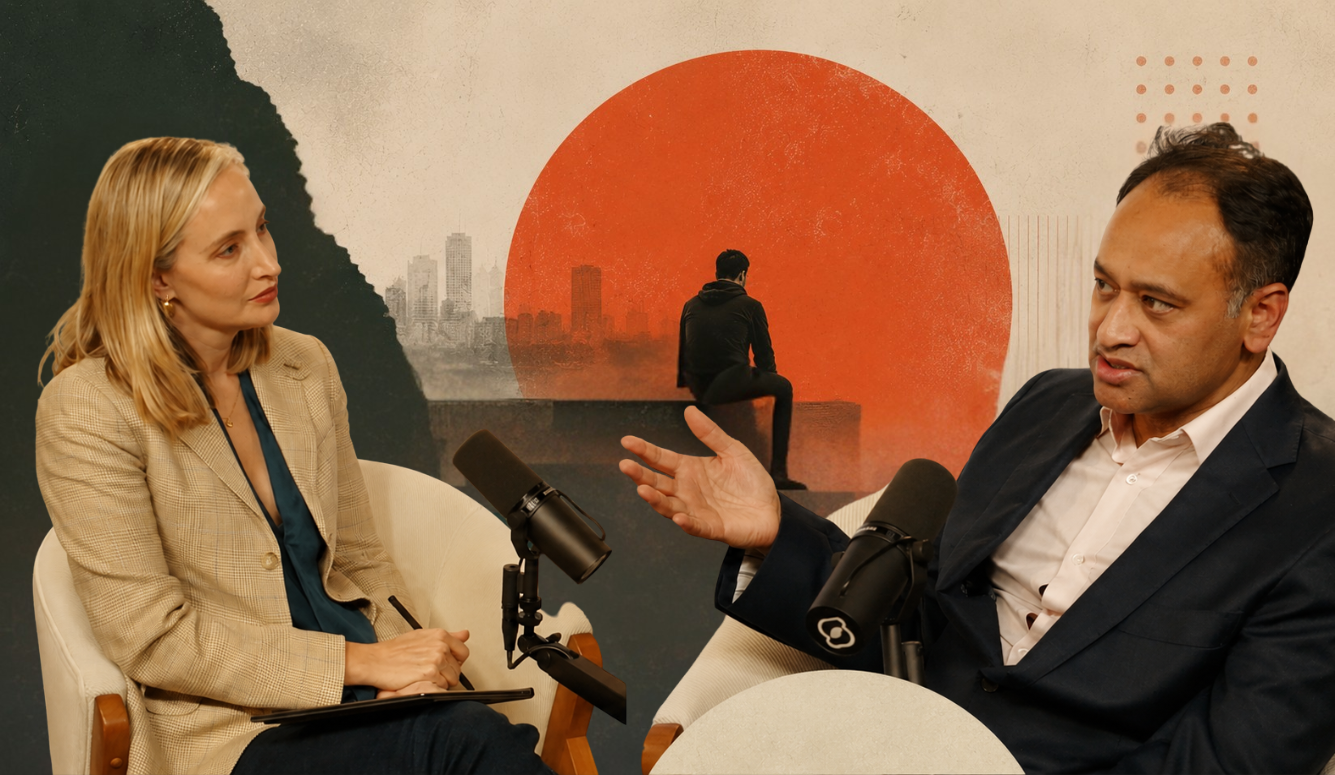
The text that follows is adapted from a December 4th, 2023 Quillette podcast hosted by Jonathan Kay.
 Quillette
Jonathan Kay: Welcome to the Quillette podcast. On this week’s menu, we have an especially spicy entrée to serve you: veteran feminist activist, author, and pundit, Julie Bindel.
As you'll hear, Julie and I very much see eye to eye on a lot of issues; such as the reality of the biological differences that separate men from women—differences that don’t vanish when a person adopts new pronouns.
But, as recently as a few years ago, I really wouldn’t have imagined Julie and I being ideological allies. As you’ll hear on the show, I began my journalistic career at a conservative media outlet, Canada’s National Post newspaper, where my colleagues and I often took a skeptical view toward feminists of the Bindel-ian persuasion.
In recent years, however, the progressive campaign to pretend away the reality of biological sex has become so extreme that it has united in opposition a lot of different, formerly squabbling political factions, including conservatives, traditional feminists such as Julie, and people like me, who are pretty much just boring centrist liberals who don’t like to see the science of human biology misrepresented in the public sphere so that trans-identified men can have access to women’s sports, private spaces, and lesbian dating apps.
This is a war that Julie has been fighting for two decades—since at least 2004, when she wrote a widely read column titled Gender benders, beware in The Guardian—marking her as years ahead of her time in warning the world about this phenomenon. Last month, she and I had breakfast here in Toronto while she was visiting from England. I enjoyed the conversation so much that I invited her to come to our studios so we could continue the discussion for the benefit of Quillette podcast listeners.
 Julie Bindel
J.K.: Julie, you’re here in Toronto to do research for a book. Is that right?
J.B.: That’s right. It’s a book on lesbians, and its working title is…Lesbians. So if anyone can think about a great subtitle for me, I’m listening.
The only book titles that include the term “lesbian” these days seem to be about anything but—or they’re some kind of derivative of lesbian porn, so mine might be quite refreshing.
My last book, Feminism for Women, which came out a couple of years ago, focused on how the term “feminist” has been bastardized and its meaning rendered just completely, ridiculously Orwellian—because intersectionality has been misappropriated.
An “inclusive” feminism has now come to mean a feminism that includes men. And “inclusive lesbianism” means a lesbianism that includes women with penises, which of course don’t exist.
But any publisher that buys my book—they’re going to be knowing what they’re getting, and they know that I’m not going to be floundering around trying to appease people who’ve got absolutely no clue what lesbian liberation or lesbian politics is.
I’ve had enough experience with publishers shaking my hand on a deal before then being bullied out of the deal by young blue-fringed intersectionals in their office. So I understand that if somebody’s interested in buying my book, they [should] know exactly what they’ve got to put up with when they then go into meetings with those young progressive [co-workers] who think they own the world.
J.K.: We had a version of that here in Canada a couple of years ago, which was by turns unsettling and extremely hilarious, involving Jordan Peterson’s book publisher here in Toronto, Penguin Random House. At the time, Peterson had already made the publisher something like $30-million, and they were now publishing his sequel. Everybody in the corner offices was quite thrilled because they run a business. And then, as I learned from an insider, younger, more militantly progressive cadres in junior positions went into maudlin hysterics at a kind of town hall meeting.
 Robby Soave
J.B.: That won’t happen with my publisher. It’s Swift Press, which has published a number of books that had been rejected from other publishing houses, despite the fact that the author [in question] was well-known, and had done well with previous book sales.
What happened with my Feminism for Women book was that about two or three women [book publishers] were really keen to buy it, and took me and my agent out, and we shook hands on it. They said they were excited about the book, but then turned out to be very easily bullied out of that. And at the same time, they were signing writers who were trans[gender] who would sell about 600 copies, as it turned out, because [those writers] couldn’t really write, with the exception of maybe one or two.
It was amazing to me, because it actually took a man—someone who worked at Little Brown, who asked my agent if he could read my proposal. He bought the book. And then he was told by one of the young people in the office that she would be requiring time off for trauma. She said she couldn’t bear working if her employer was going to be handling my book. And he said to her, well, what I would suggest is that you get yourself some counselling and then get over it.
It’s quite telling that it took a man to do that. And I think that’s because, with one or two exceptions, men are usually left alone in the gender war, in the massive misogynistic tidal wave of identity politics that sees women like me attacked for our work and our [identity]. Men tend to get away with way more. They’re coming after the women because [gender ideology] is effectively a men’s-rights movement…
Keep reading
The Case for Elites with Richard Hanania | Quillette Cetera Episode 71
The $64 Question, Again
Power Without Principle

An Abject Policy Failure
Naked in America