Sweden Has Resisted a Lockdown. But That Doesn't Make it a Bastion of Liberty
Its choice of a uniquely lax approach to the pandemic should not be mistaken for a sudden turn toward individual freedom.


Paulina Neuding is a journalist and a columnist at Quillette. She lives in Stockholm, Sweden.
Its choice of a uniquely lax approach to the pandemic should not be mistaken for a sudden turn toward individual freedom.
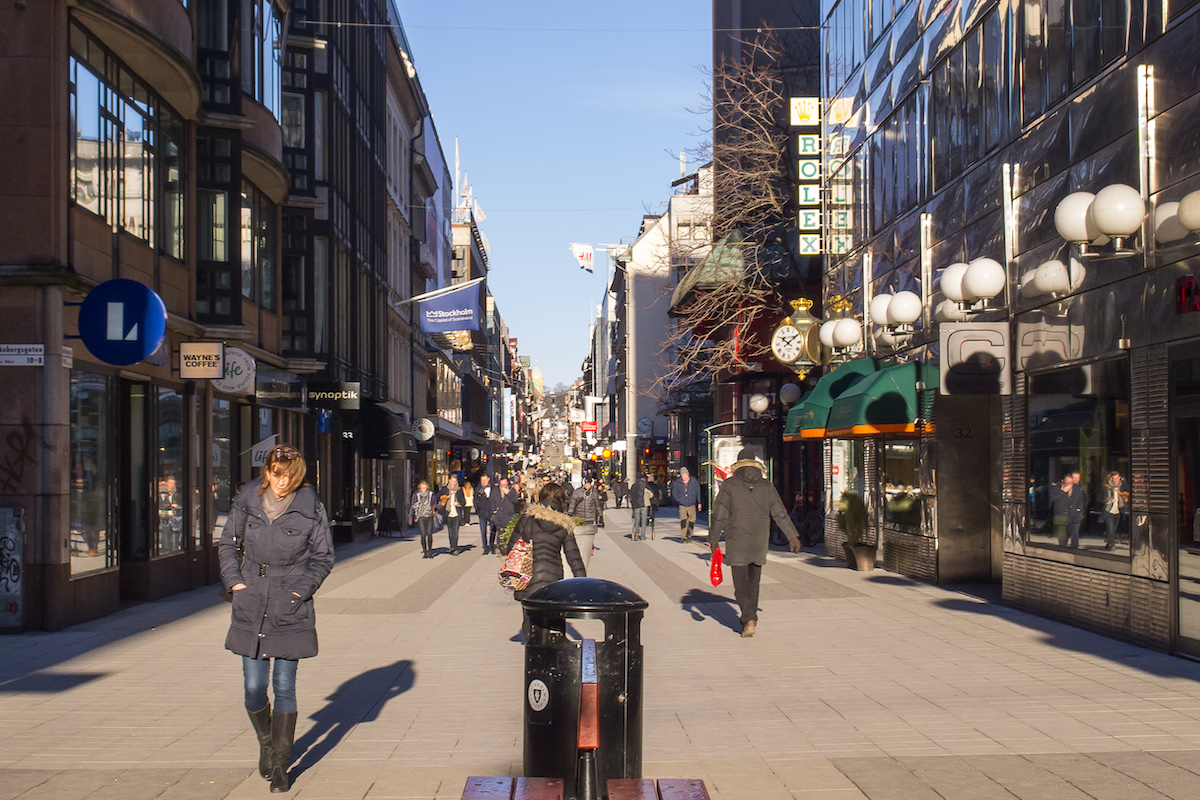
The message, in short: Nothing is genuinely Scandinavian. Be it meatballs or paternity leave, everything comes from other countries.
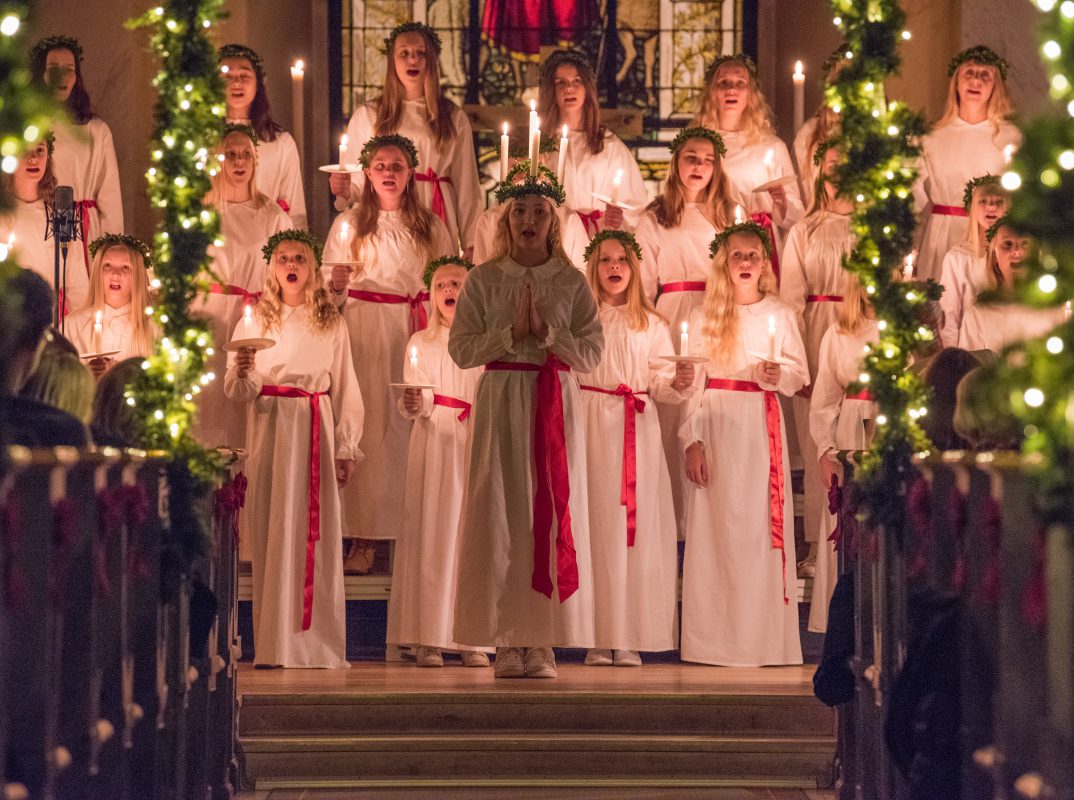
Yet tradition runs deep, and Lucia carries a profound meaning for many Swedes.
A basic principle of Western societies – in addition to the fact that all people are born free and equal – is openness to criticism.
Sweden has experienced a sharp rise in explosions in recent years, predominantly related to conflicts between warring criminal gangs.
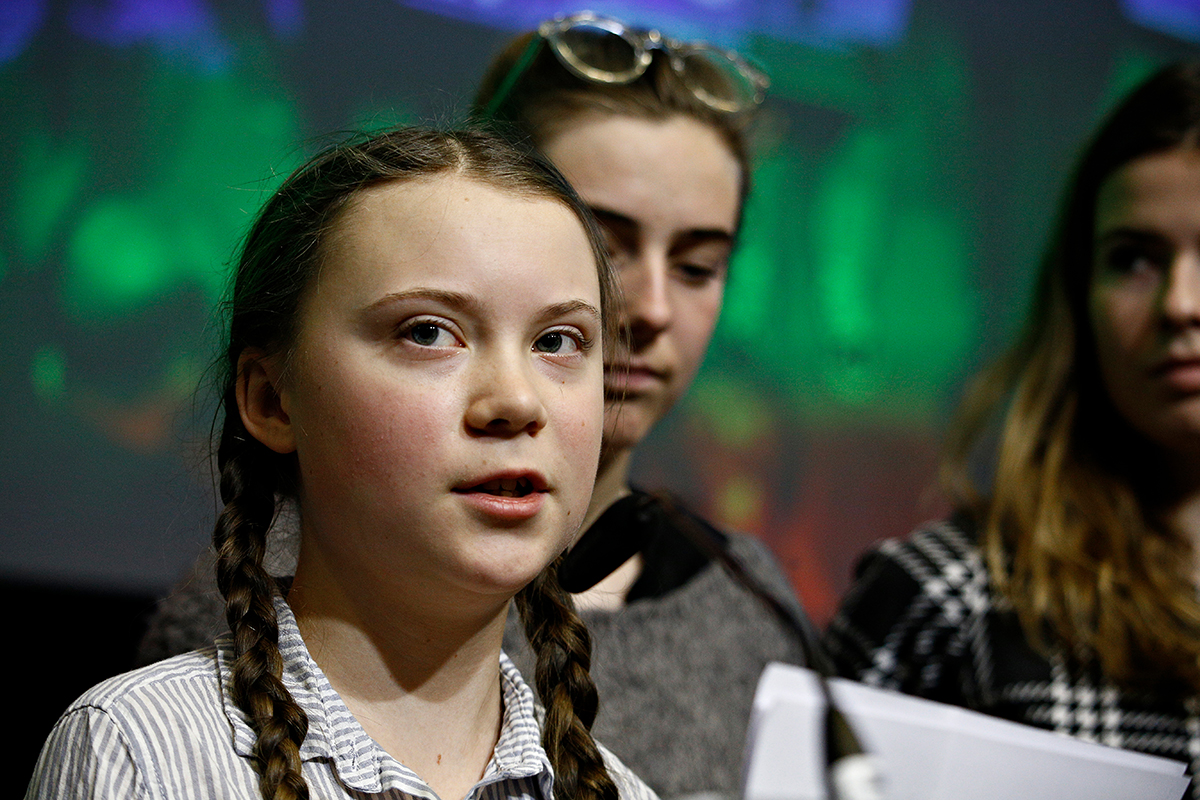
A workplace strike shows company owners and management that workers are able to harm them economically. A school strike, on the other hand, constitutes a form of self-harm, undertaken to attract adult attention.
Sweden used to be at the top of many international rankings of equality and affluence, but has slipped in recent years.
Such levels of gang violence are without parallel in Sweden’s modern history. And with police busy dealing with gang murders and shootings, rape victims wait for justice.