The Coming Post-COVID Global Order
The pandemic crisis is rapidly becoming a civilizational crisis.
Our culture makes a well intentioned but dangerous error in taking every thought experiment, every utterance, every representation, every fantasy of sexual expression seriously.
The revival of racial identity to tackle social injustice reawakens an ancient beast.
As one might imagine, it generally is opposed by many Black Lives Matter supporters, as they disagree with any implied parallel between racist treatment of blacks and the occupational hazards of police work.
Labor leaders no longer even pretend they can staunch the layoffs, and so their focus increasingly has turned to questions of editorial direction and ideology, over which they still believe they can exert leverage through the back door of social media.
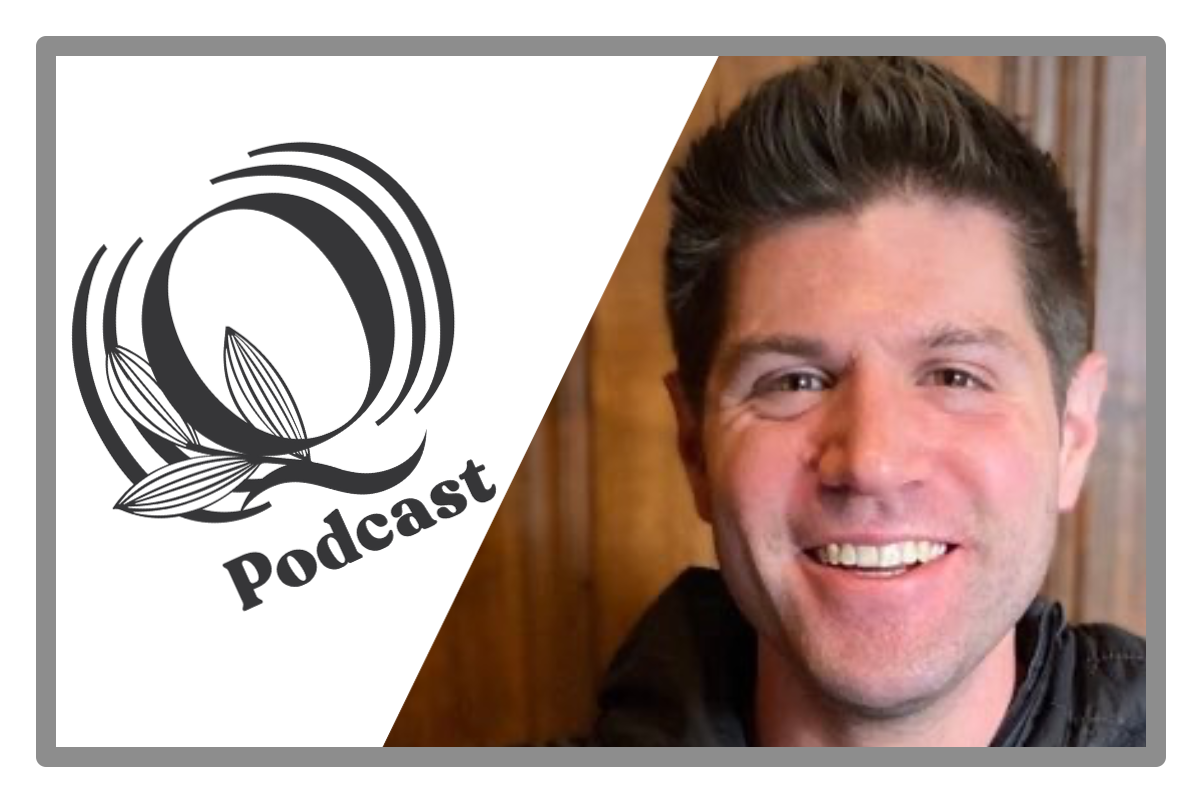
Jonathan Kay talks to writer Asra Nomani about the campaign to end race-neutral admissions testing at Thomas Jefferson High School in Virginia, America’s best public high school—and the disturbing attacks on Asian academic “culture” that have come with it
I regularly found myself on national TV and radio, opposing the idea that the state should act to stop teenagers accessing sexual material.
I was on fire, and at the same time, I was fragile.
If someone puts forward a controversial theory, others should have the chance to criticise it.
As the global population has grown, resources haven’t become scarcer—they’ve become more abundant.
The regime is a victim of its own fanaticism, corruption, and incompetence.
Jacques is one of the most enthusiastic boosters of China in the West, and his book aims to show that an increasingly dynamic China will soon lay a claim to global hegemony.
Jonathan Kay talks to scientific transparency advocate Stuart Buck about how the rapid pace of COVID-19 science has exposed longstanding problems with the methods we use to validate scientific research
Surely we should seek to build on the past where possible, improve upon it, and learn from its successes as much as its failures—to create a healthy and honest partnership between past and present as a foundation for our future.