Killed for a Rainbow Flag: Are Critics of Trans Ideology Responsible?
The inflammatory rhetoric that attempts to link hideous crimes like the recent shooting with legitimate concerns is misleading and misguided.
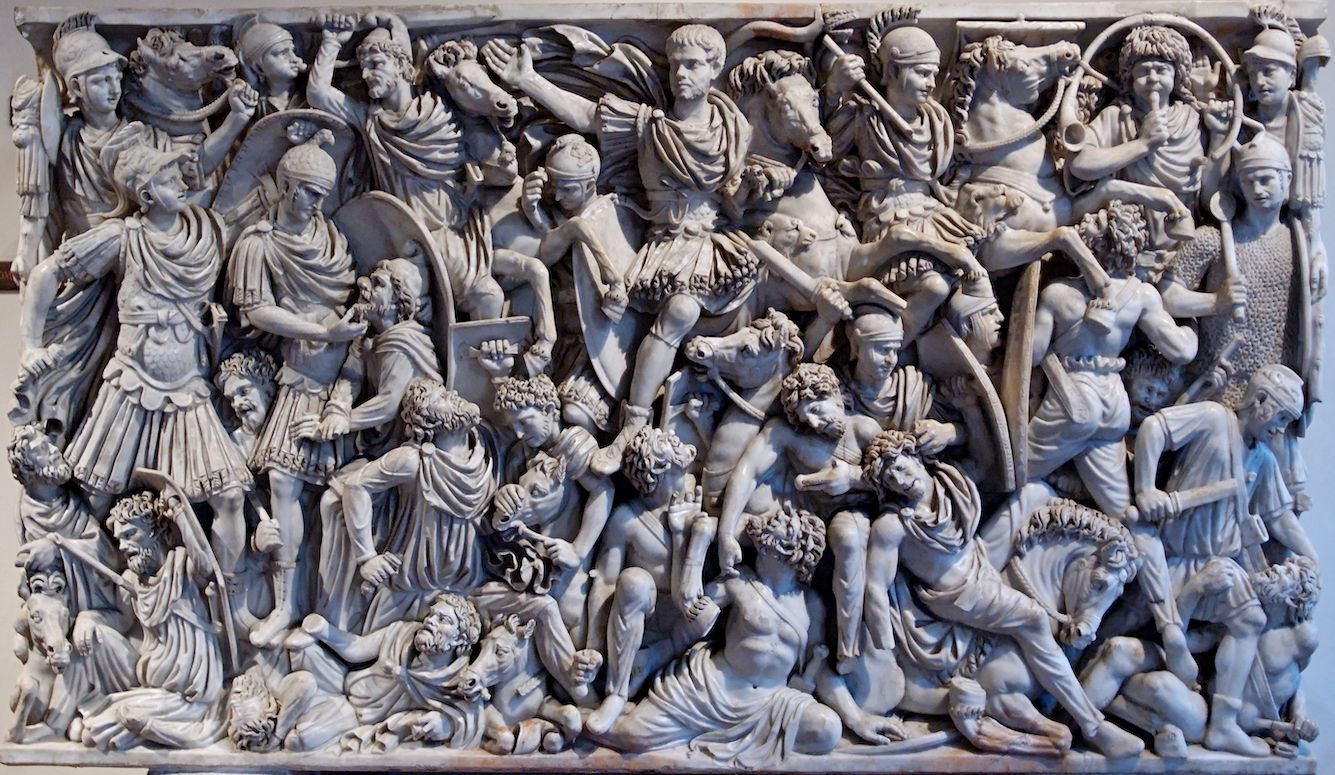
In the inaugural instalment of ‘The So-Called Dark Ages,’ podcaster Herbert Bushman introduces readers to the Gothic civilization that would eventually help bring down the Roman Empire.
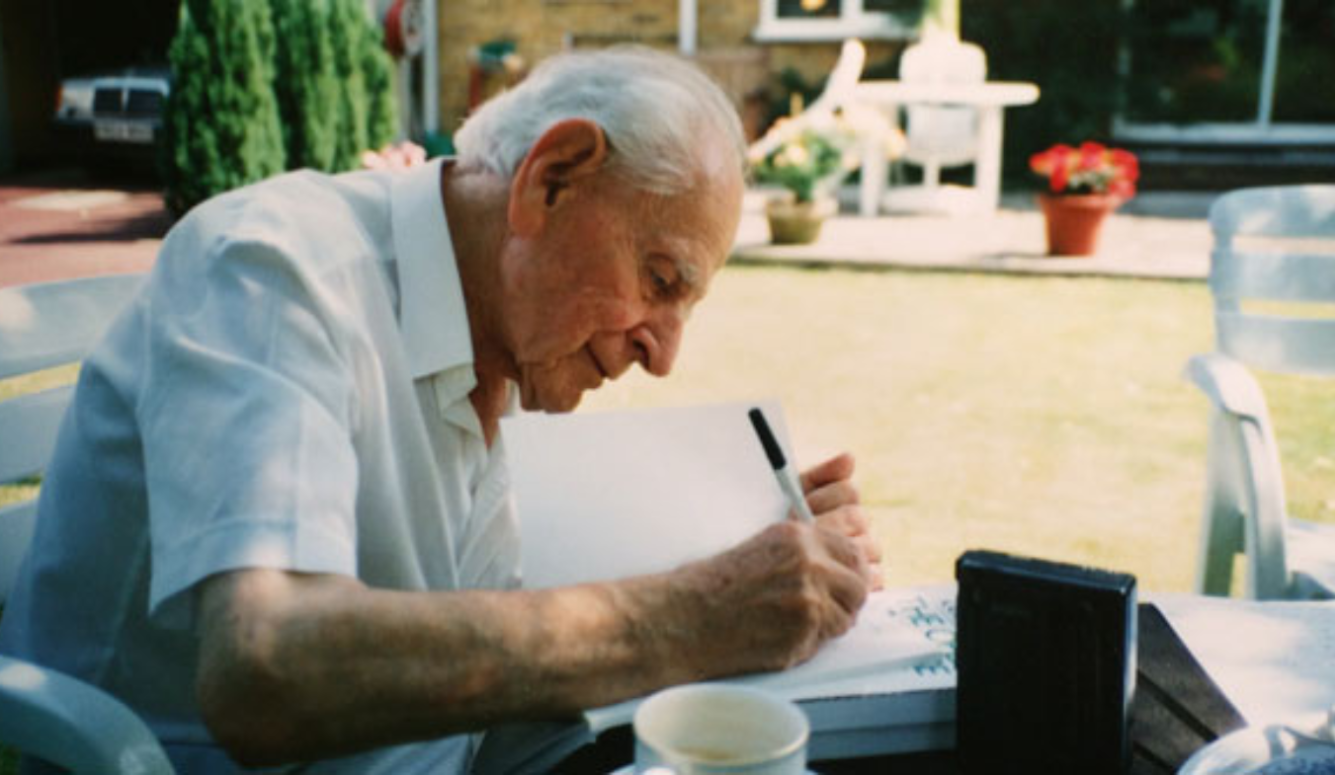
Should society tolerate intolerance to protect freedom of expression? A deep dive into Karl Popper’s ideas and modern free speech debates.
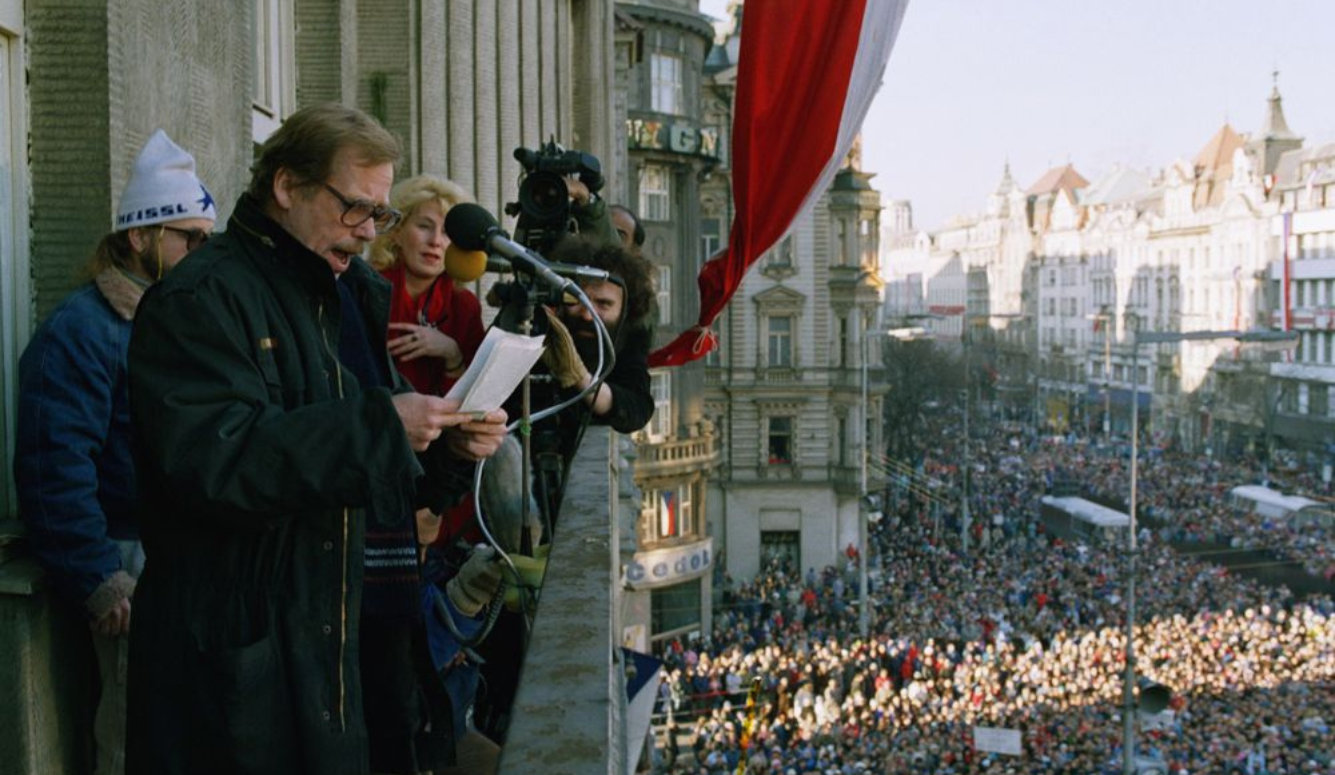
Far from being a project of US imperialism, NATO expansion has been a process driven by small and vulnerable countries.
Humanity and the Final Frontier.
Affordable, safe, generic anticonvulsants restore homeostasis to the brains of chronic drinkers, but they are not being promoted.
It is easy for a successful writer to advise that career success isn’t that important. Would a failed writer agree?
In the tenth instalment of an ongoing Quillette series on the history of Canada, historian Greg Koabel describes the early—and tragically unsuccessful—French efforts to create a permanent colony
Fears of a CCP sponsored invasion at the Mexican border are misplaced. People are fleeing China because its economy is in dire straits.
On everything from Syrian refugees through Brexit and climate change to so-called gender-affirmative medicine, people take a totalizing approach to disagreement: either you agree with me, or you are despicable.
If the Conservative Party slumps to defeat in next year’s election, Britain could see the rise of a populist alternative.
Listen onSpotify Host Jonathan Kay shares a Nashville breakfast with journalist Christina Buttons and her Quillette-alumnus boyfriend, Colin Wright, author of the popular Substack, Reality’s Last Stand.
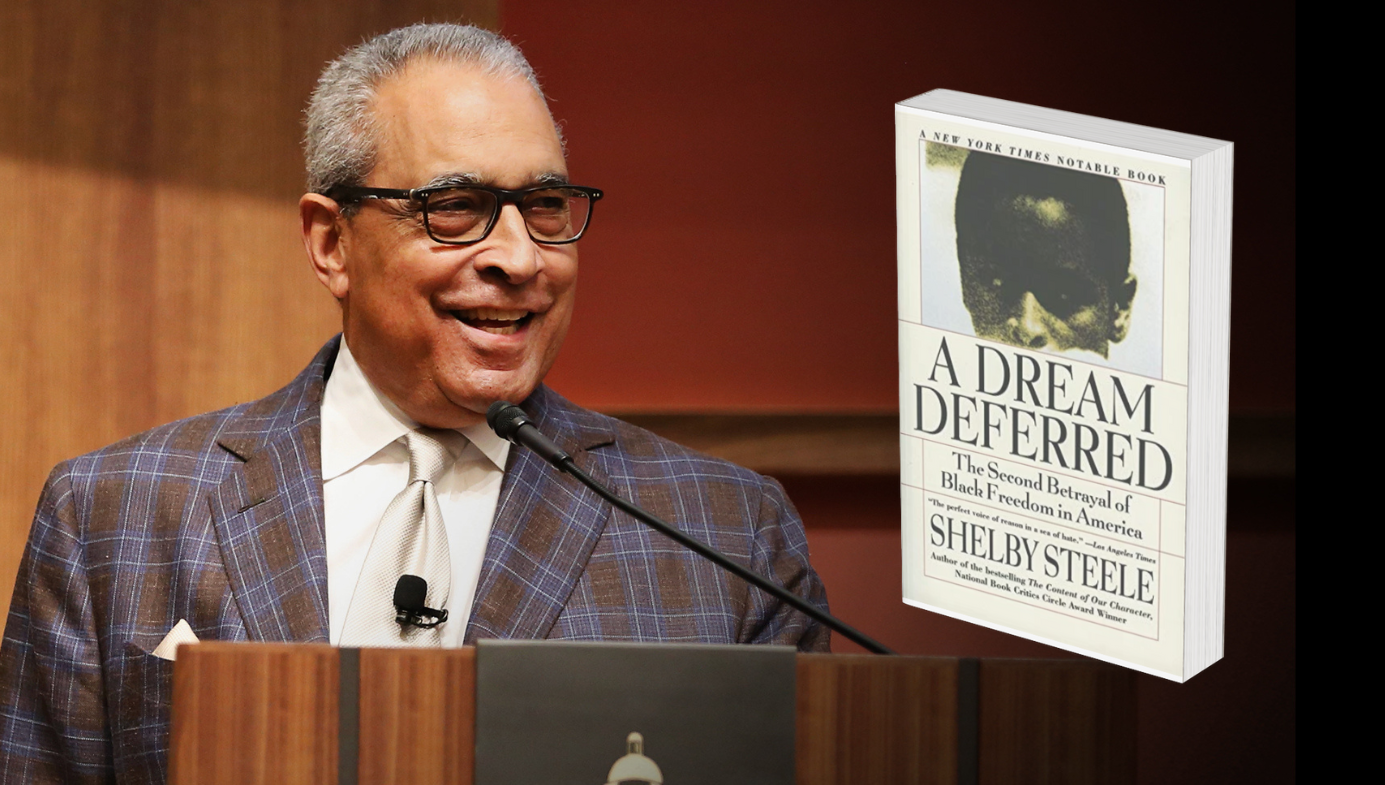
Shelby Steele’s masterful second book invites black America to reject redemptive liberalism and the helplessness it demands for a humanistic politics of advancement.
A recognition that genetic influences on social outcomes are important will potentially influence the kind of help that society offers poorer individuals. But it does not in any way compel an absence of help, or a casual indifference.