Philosophy
How to Waste Time
We treat every hour as preparation for some future payoff, but some of the best ways to spend a life accomplish nothing at all.

“I don’t want fancy things, I don’t want fancy shmancy things, I don’t even want fancy shmancy wancy things, or fancy shmancy take-a-trip-to-France-y things. What I do want is to waste your time and mine.”
—Norm Macdonald
A few years after college, some friends and I were playing pool in a bar somewhere in Los Angeles after having driven out for the Rose Bowl. It was two days before the game and we were bored. This was a normal thing back then. It was before phones. None of us even had flip phones. My friend, whom I’ll call “Roger Platefast,” had just spent his last $400 on a Japanese silk tracksuit, and most of that morning trying to convince us to get in on his plan to build a city powered by the sun. Then he found a little mechanical counter that had come loose from the pool table. It kept track of how many games people played. It had six digits and read something like 000600. He started clicking it.
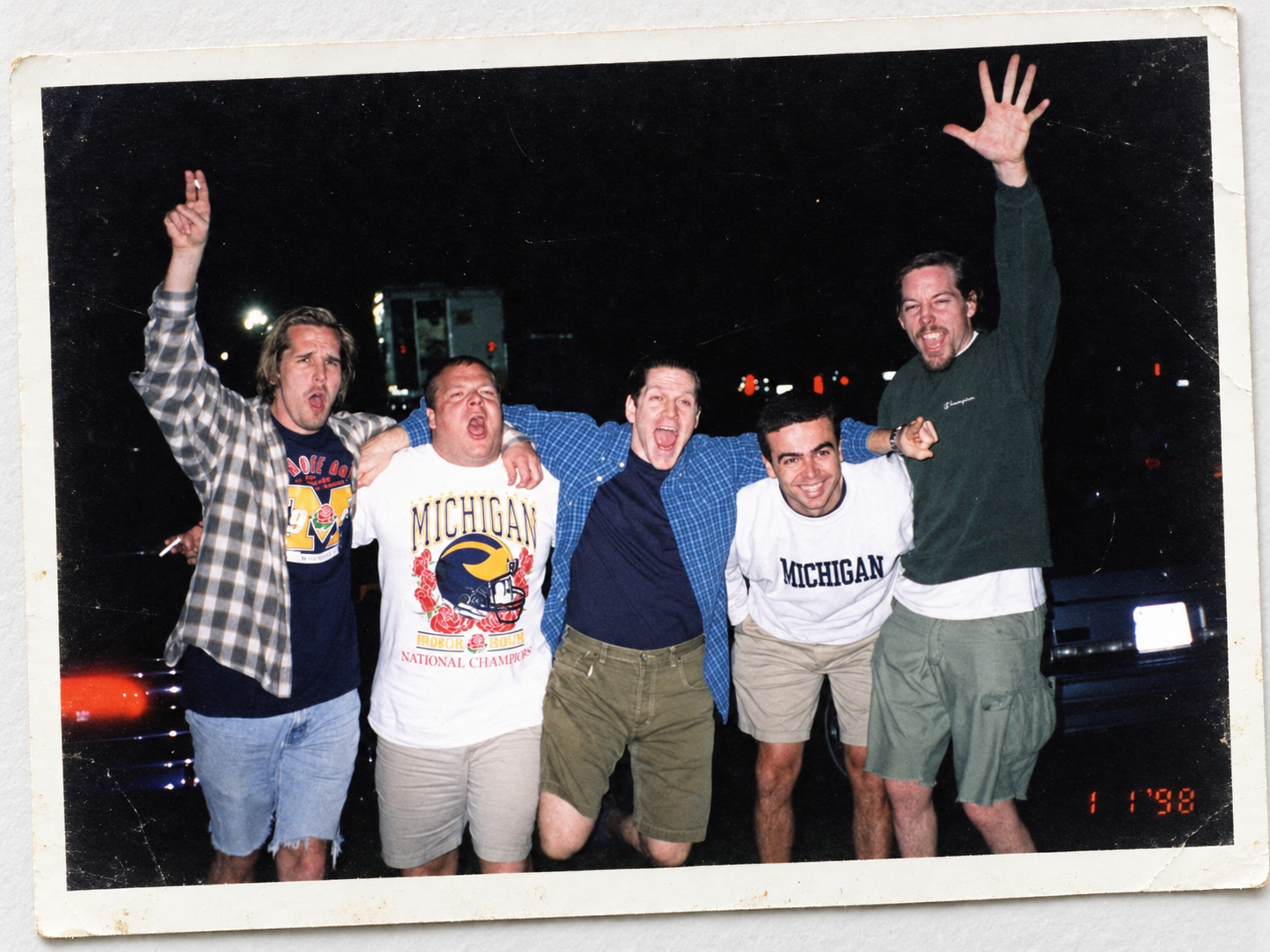
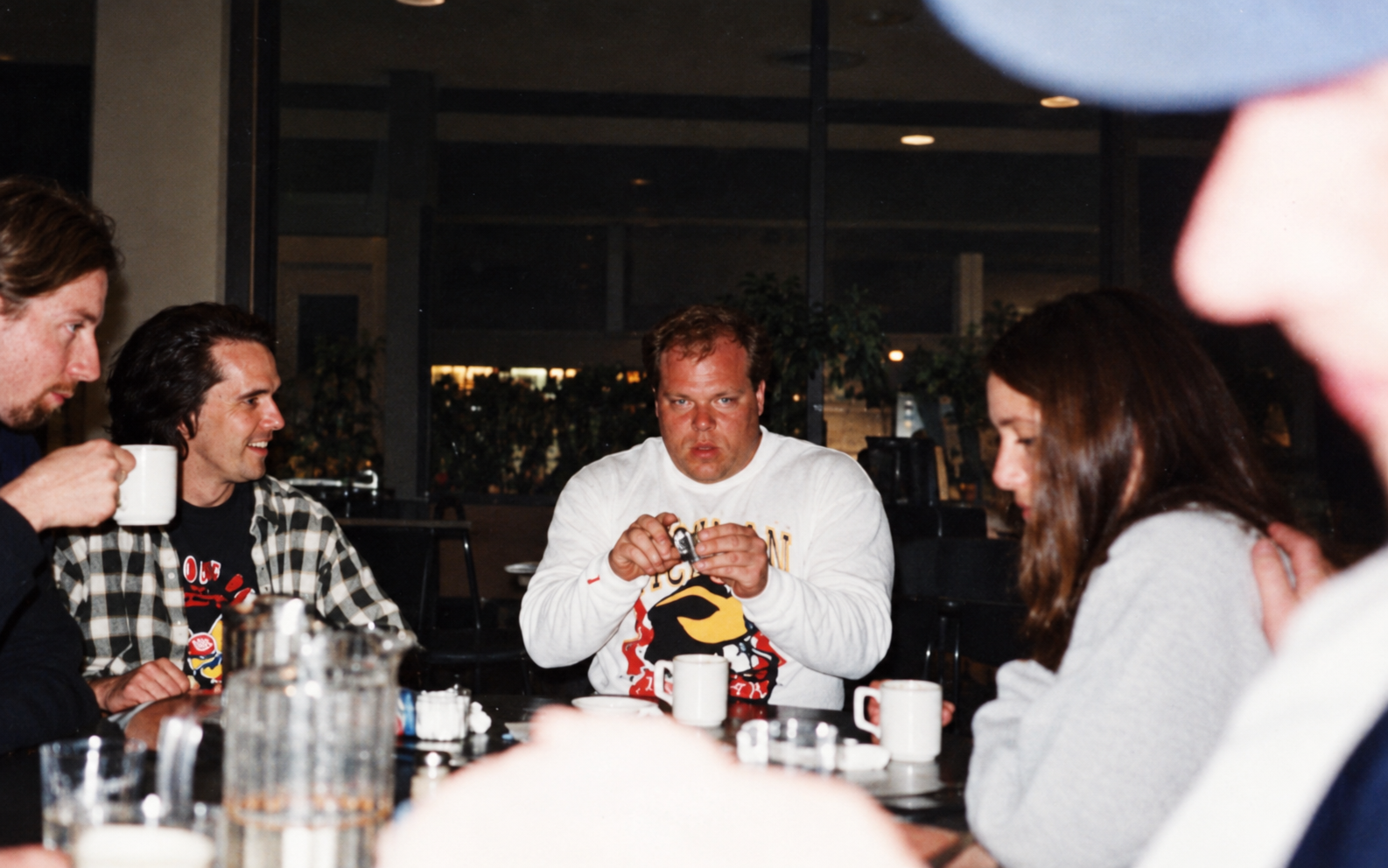
Roger kept announcing his progress, telling us he was going to get it to a thousand. We ignored him. But he kept at it, and by the time he announced ten thousand, we were all asking for a turn. By the end of the day, we had started timing each other to see how many clicks we could get in a minute. The early records were not very impressive—around 120—but breakthroughs in clicking methods were quickly making numbers like those obsolete. One innovation, Roger’s “gallop method,” was declared illegal because pressing hard enough could register more than one click per tap. Which was obviously cheating. I think Dan holds the record at 512, although its legitimacy remains disputed almost thirty years later.
As more friends arrived from Michigan, the competition grew. Eventually we had about twenty serious players and another twenty or thirty with a more casual interest. We took the clicker everywhere, and for most of that week somebody was clicking it. Reaching 100,000 was a big deal. Somewhere around 300,000, it occurred to us that we might be able to roll the thing over. There were only six digits. What would happen after 999,999?
Finally, after about ten days, we reached 999,999. Five or six of us huddled around the clicker, unsure of what would happen next. Would it stop working? Roger, who we let do the honours, thought a seventh digit might somehow appear. He clicked it and all six digits rolled over to 000000. It was a huge accomplishment. We celebrated by getting wasted, which we probably would have done anyway.
What Counts as Wasting Time?
Was this all a waste of time? Would we have been better off doing something more useful? Useful for what? We frequently confuse wasting time with failing to accomplish something. But accomplishing something doesn’t guarantee that we have used our time well, and doing things that don’t accomplish anything can be among the best ways to spend it.
Some things aren’t worth doing because they don’t get you anywhere, while others don’t have to get you anywhere to be worth doing. An hour spent arguing with AT&T over a twelve-dollar charge might be a waste of time. An hour spent arguing with a friend about whether Captain Kirk could kick Captain Stubing’s ass might be one of the best ways to spend it. So while productivity can measure whether or not we got something done, it cannot tell us whether or not it was worth doing.
That doesn’t mean every use of time is equally worthwhile. Our short time on Earth is staggeringly precious. The fact that we are here at all makes us winners of the greatest lottery the universe ever held. There have been more than two trillion sunsets since the Earth formed. I’ll be around for almost none of them. Like trillionaires fighting over pennies, we often waste our lives nursing petty resentments, chasing status, and worrying about what strangers think of us.
What do we do with this fortune? Seneca warned that “we do not receive a short life, but we make it a short one, and we are not poor in days, but wasteful of them.” Everyone knows that sometimes we spend our time badly and that sometimes it only looks that way. The hard part is having the wisdom to know the difference. We can lose enormous parts of our lives gorging ourselves on immediate, now mostly online, garbage. But we also need things worth doing that are hard and pay off later. Perhaps learning how to waste time includes learning when to stop insisting that our time always be useful.