Canada
Addicted to Transition
Over the past decade, former mommy blogger Rowan (née Amanda) Jetté Knox has come out as bisexual, pansexual, polyam, a ‘giant lesbo,’ a ‘non-binary queer person,’ a polyamorous ‘trans guy,’ and, as of last month, ‘two-spirited’ (and Indigenous).
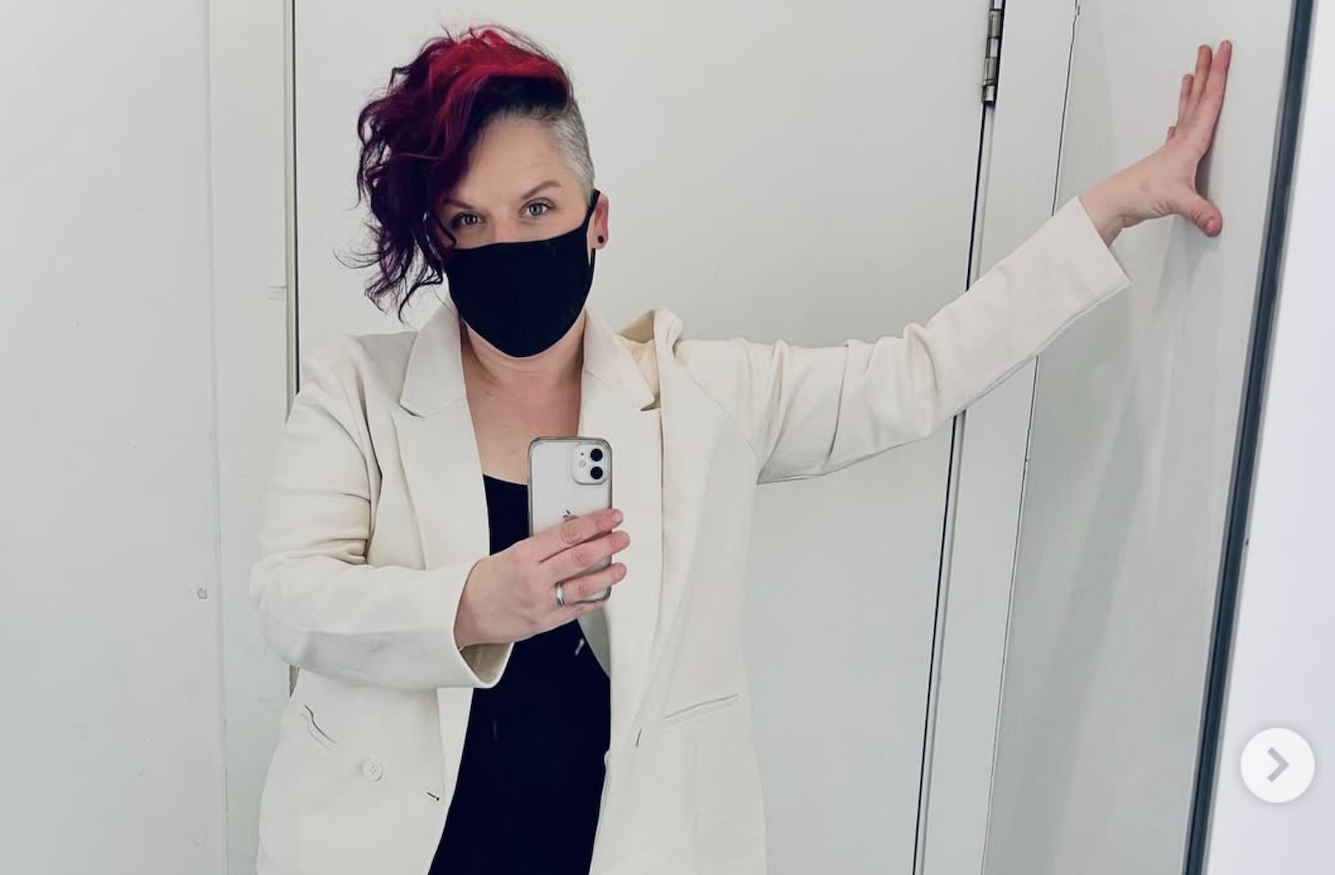

“Let the world rage on if it must. I am finally free,” wrote Rowan (née Amanda) Knox in a 2023 Toronto Star article unveiling the author’s latest pronouns. Following decades of living a fake life as a woman, Knox told readers, she was coming out as a trans man—which is to say, a transgender-identified female.
Two years later, in October 2025, Knox shared graphic photographic evidence of a double mastectomy. Canadian-famous singer Jann Arden commented, “What a fantastic feeling!” It was exactly the kind of positive attention that Knox had been receiving since 2019, when she published her first book.
In that book, written when Knox still understood herself to be a woman, the author described how both her husband and child had decided that they were transgender. Knox duly made the rounds of the lady talk-show circuit, promoting herself as an apostle of transgender acceptance. At the time, Knox gave no hint that she’d soon become the third member of her nuclear family to self-identify as trans. One national television show titled its segment, “Inspiring memoir follows one family’s transgender journey.”
The book’s title—Love Lives Here: A Story of Thriving in a Transgender Family—was a stroke of marketing genius, as it channelled the idea (then becoming popular in progressive circles) that the rift between those espousing “gender-affirming” and “gender-critical” positions really just came down to who had more “love” to give.
 The Quillette Editorial Board
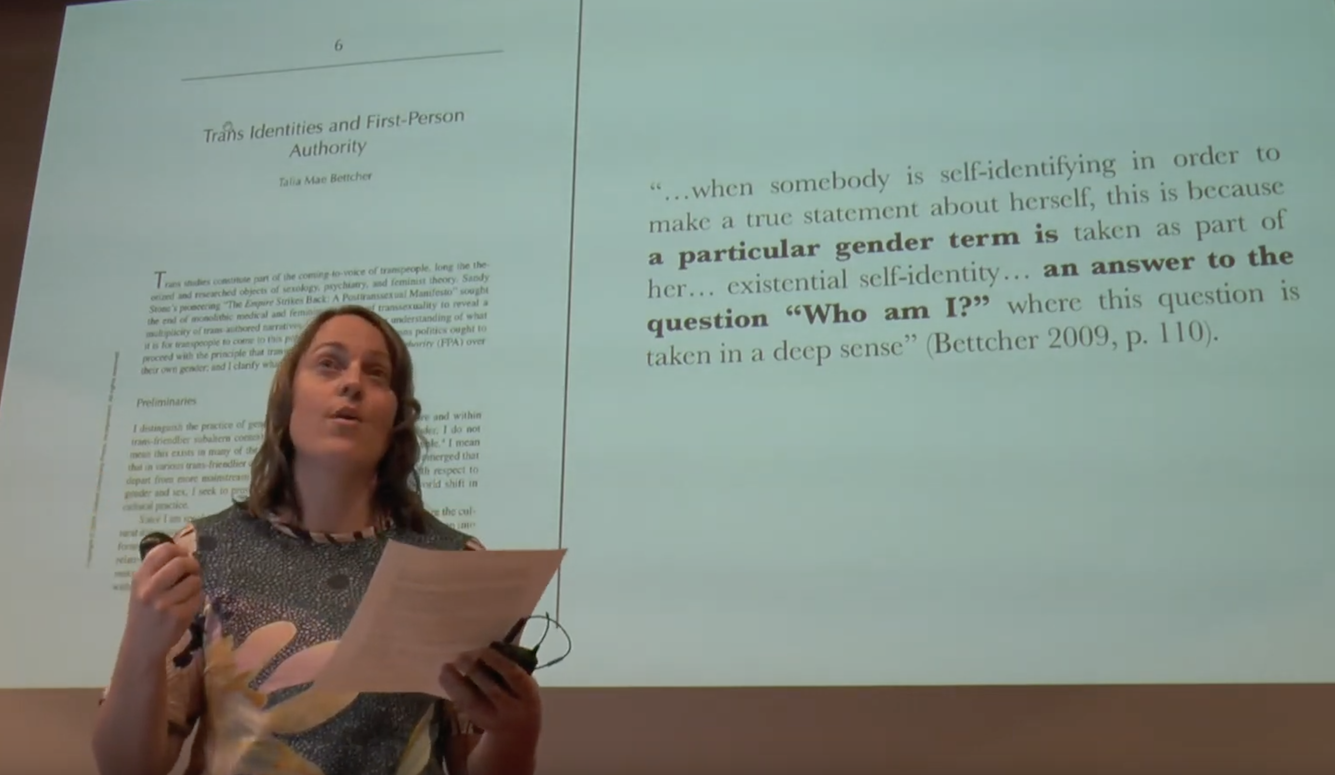
Until the mid-to-late 2010s, gender dysphoria had been widely regarded as what it is—a debilitating psychological condition that causes afflicted individuals to become estranged from their (immutable) biological self. Knox, on the other hand, gave her upper-middle-class book-club readers a new kind of script, which presented gender transition as a glorious adventure.
Ideologically speaking, she was an early adopter, as the expression goes—blogging joyously about her son’s transition to a female-identified persona as early as 2014. (The child has since announced himself to be “non-binary.”)
Ironically, however, the strange arc of Knox’s own life demonstrates the perils of “affirming” anyone’s declared claim to have discovered some real and permanent gender identity that supersedes his or her actual biological sex. Since she began her writing career, Knox (who is now 50 years old) has herself gone through a bewildering array of transformations—each dramatically announced to the world as the decisive stroke that would “finally” set her “free.”
These self-identified roles have included straight mother and wife (as she was until the 2020s), bisexual (2026), pansexual (2017), out-and-proud “giant lesbo” (2017) and “big ol’ lesbian” (2019), “disabled, AuDHD non-binary queer person” (2026), polyamorous lover to three trans-identified men (2024), a “trans guy” (2023), and, just a few weeks ago, “two-spirited.”
(Knox was asked to provide comment about her many claimed identities, as well as the other topics discussed herein. Quillette will update this article if and when she responds.)
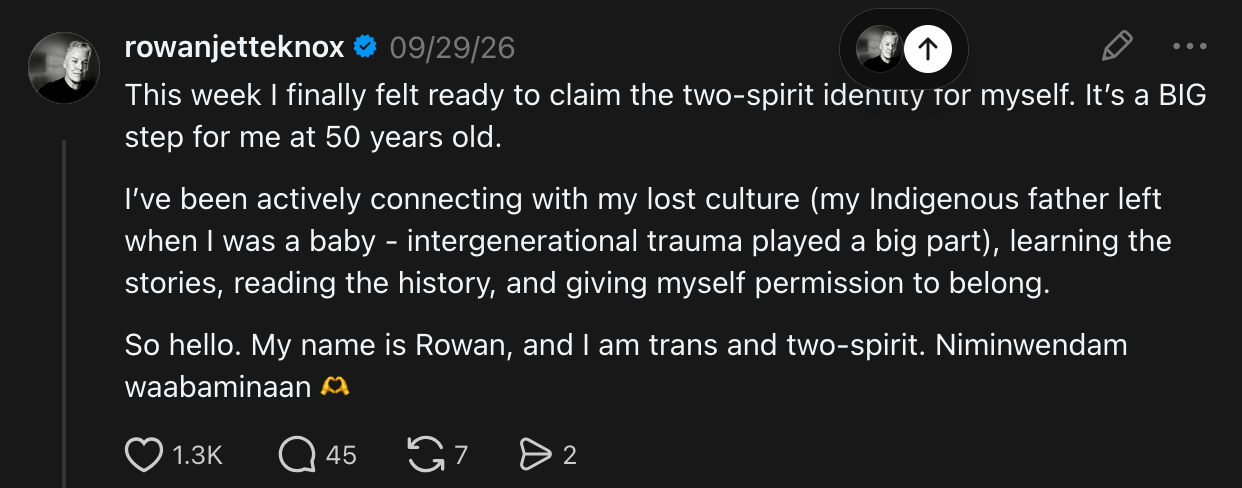
The latest identity revelation offered by Knox, posted on social media in late September, is arguably her most ambitious announcement yet, as it involves not only gender but also race. She told readers of a long-lost Indigenous father. In keeping with a newfound desire to connect spiritually with this claimed half-Indigenous heritage, Knox told the world, she is officially adding the (vaguely defined) two-spirit category to her bio.
Jonathan Kay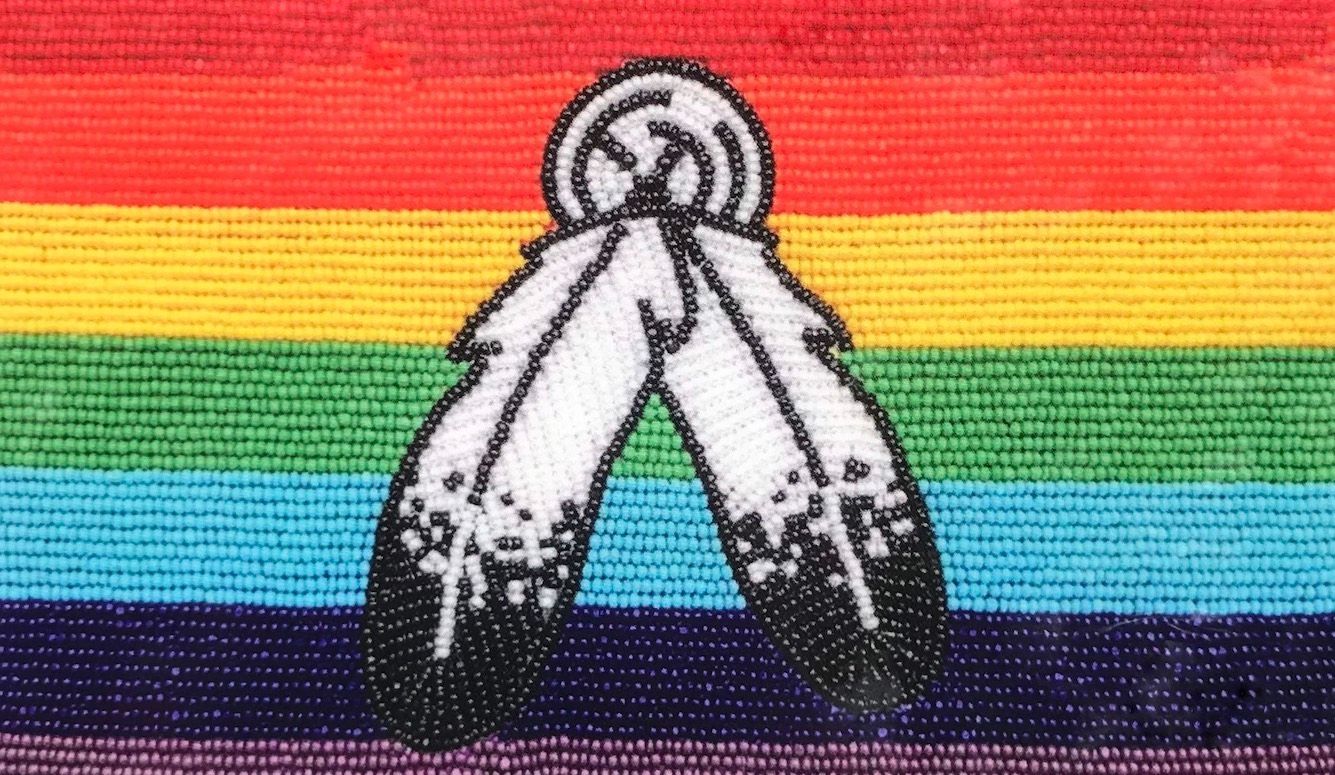
Knox acknowledges that she has little connection to Indigenous life. (Notwithstanding the strenuously self-referential nature of Knox’s writing, I can find no record of the author ever having publicly mentioned this part of her background until late 2026.) But then again, she realised:
It’s not my fault I didn’t grow up within my culture (I firmly blame colonialism and the inter-generational trauma it caused in my family) but it is my responsibility to lean in and learn the teachings now. I wish I had done it sooner, but it’s never too late.
Knox is obviously a deeply troubled person who, by her own description, suffered a difficult childhood. Over the years, her blog entries have included references to suicidal thoughts, psychiatric crises, and a period of homelessness early in life. It seems likely that her endless efforts at reinvention are tied up with an (understandable) desire to escape from these traumas. This is clearly a person experiencing real pain.
That said, it is unsettling that the Canadian media and literary establishment would repeatedly reward Knox’s increasingly dubious self-discoveries as if they were profound truths. Today’s Parent called Knox one of Canada’s “Most Influential Parents.” Another magazine called her a “Woman of the Year” (this being several identities ago, back when Knox still called herself a woman). During the same period, a women’s group heralded her as one of Canada’s “Top Women of Influence.” On something called “Trans Parent Day,” the Canadian Museum for Human Rights published a big splash on Knox’s family, whose story apparently teaches us that while “names and pronouns may change…love stays constant.”
It is this extensive coverage that makes Knox’s serial self-delusions newsworthy. As these examples demonstrate, this isn’t just the story of one confused woman’s manic efforts to escape herself. Rather, Knox exists in a state of unhealthy codependency with her country’s entire media and activist establishment. Every time Knox announces a new identity, she receives another wave of precious public attention, while her institutional enablers get another chance to generate clicks with ideologically fashionable (which is to say trans-“affirming”) content.
Unfortunately, this unsettling symbiosis between troubled, attention-seeking individuals and journalists seeking to preach the rapturous joys of transgender life has become a widespread phenomenon in many parts of the world over the last decade. But there is perhaps no single person who personifies it better than Rowan Knox.
Keep reading
Addicted to Transition
What the Navigators Knew
Gemma Tognini on Australia’s Political Revolt
Rubio in Athens