Art & Culture
The Rise and Fall of Feminist Magazines
Following the demise of one of the last venerable publications dedicated to women’s liberation, Julie Bindel looks back at five decades of scoops, squabbles, and schisms.
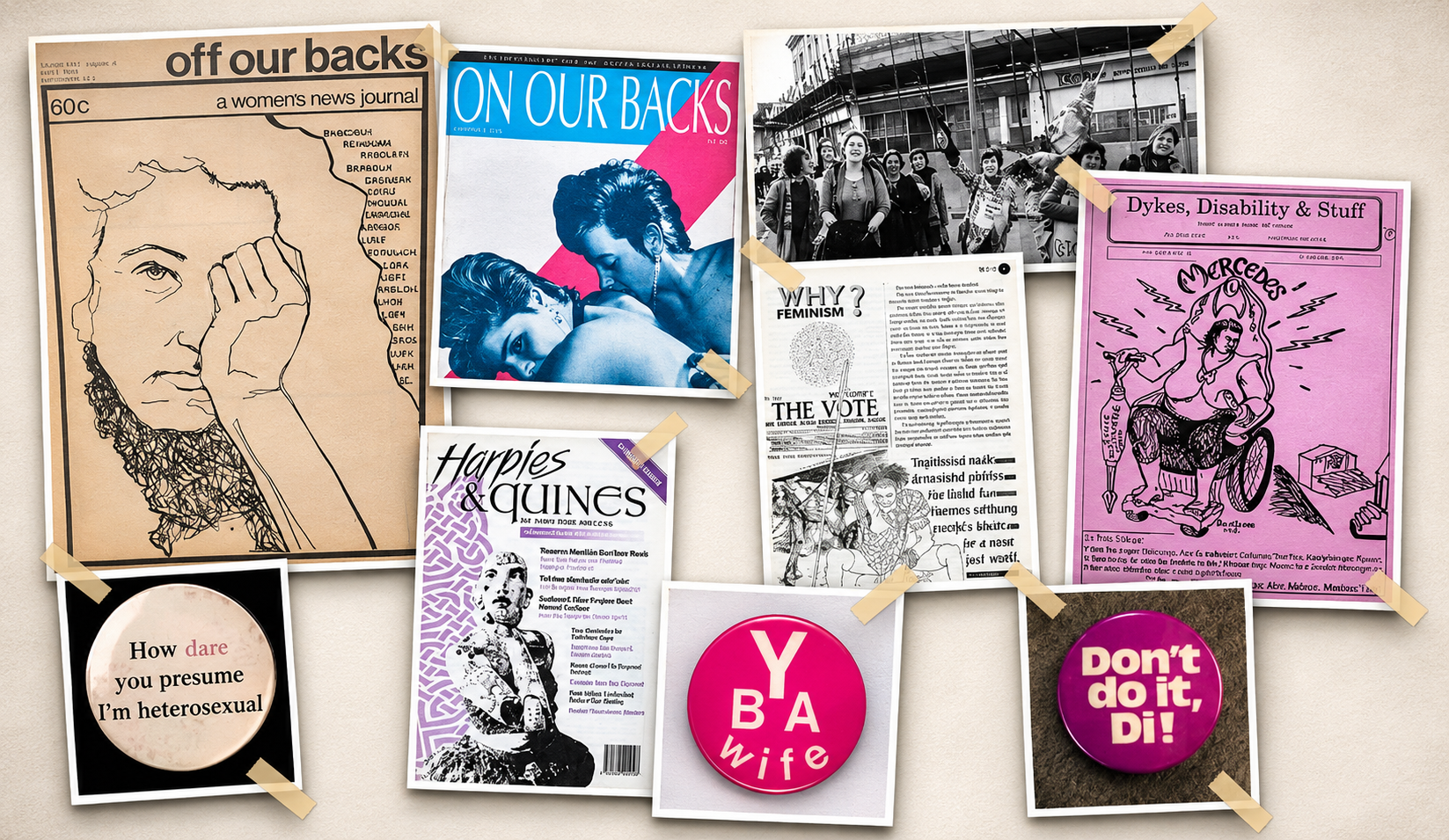
After almost fifty years of publication, the venerable German-language feminist magazine known as Emma has shut down. Britain’s Spare Rib, Emma’s UK equivalent, folded more than three decades ago, after 21 years of operation. Emma has lasted more than twice as long. What was it that allowed this one magazine dedicated to the women’s liberation movement (as second-wave feminism was once described) to endure when so many others foundered?
In 1979, Audre Lorde—poet, essayist, and black civil-rights campaigner—sparked a key second-wave feminist debate by declaring, “The master’s tools will never dismantle the master’s house.” Not everyone agreed. However, many feminists took these words to heart, internalising the idea that every feature of the patriarchy, including hierarchical leadership, must be rejected in order to liberate the oppressed. Organisation by “collective” became de rigueur.
But Emma’s founder, journalist Alice Schwarzer (b. 1942), rejected the 1970s counter-cultural obsession with leaderless, horizontal structures. Instead, she ran Emma as a traditional, tightly controlled publishing house in which she was the absolute authority.
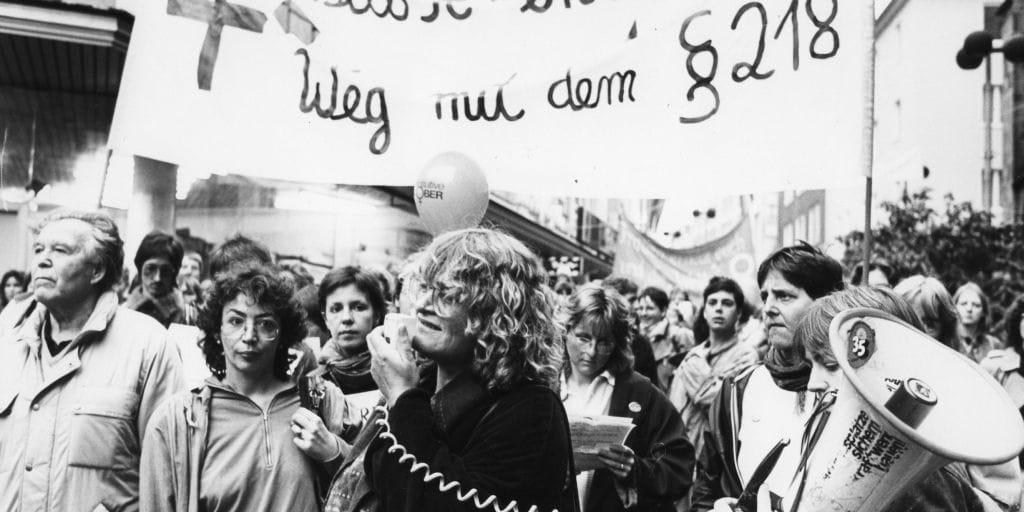
This centralisation insulated the magazine from the destructive, exhausting infighting that fractured the wider movement. But it also turned Emma into a mouthpiece for Schwarzer herself. The content reflected her personal ideological take on a number of contested issues.
Schwarzer used her platform to launch fierce, uncompromising critiques against, for example, political Islam, the global sex trade, and (more recently) trans activism and gender ideology. In the absence of any internal collective that might dethrone her, Emma became a fortress for what is now termed gender-critical feminism, alienating younger activists while retaining a mainly (though not exclusively) older readership. Its closure this past December signals not just the end of a magazine, but the end of a long chapter in feminist publishing.