Politics
Populism’s Self-Defeating Trap
Populist rhetoric is exceptionally effective for pursuing and gaining power, but it provides no program for the complexities of actual governance.
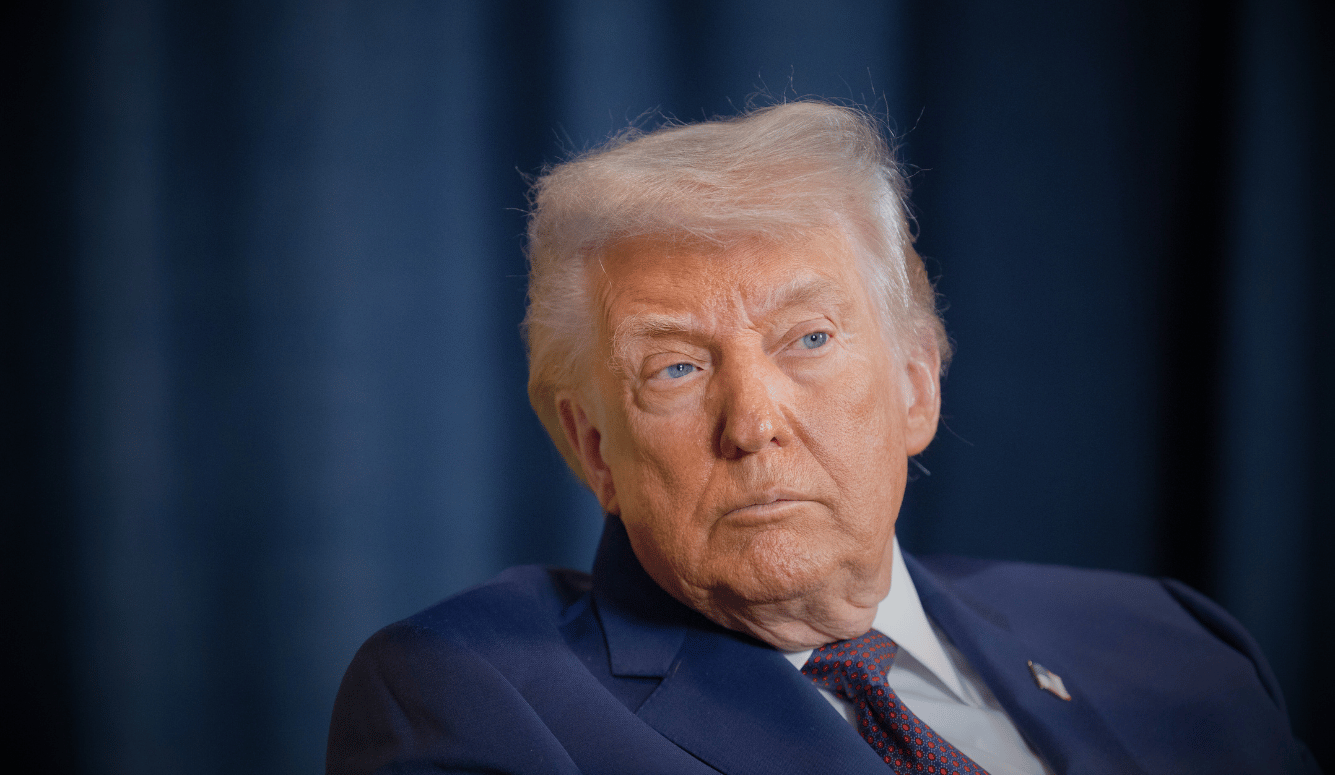

With unusual clarity, the second Trump administration has exposed the central paradox of populist governance. A political movement that rose to power with promises that it would restore order and lost confidence has instead produced confusion, disorder, internal contradiction, and strategic incoherence. We should not be surprised. The gap that has opened between campaign rhetoric and the realities of governance was structurally unavoidable. Trump promised outcomes—an end to the war in Ukraine (“within 24 hours”) and American involvement in other conflicts, mass deportations, the reconstitution of American industry and so on—that he seemed to suppose could simply be willed into being once elites had been shunted aside. Then his rhetoric confronted resistance from reality.
While governments often implement unpopular policies quietly and bureaucratically, the Trump administration has insisted on theatrical effrontery, most obviously during its disastrous ICE operation in Minnesota. This has had the foreseeable consequence of maximising resistance while minimising durable results. But as Malcolm Kyeyune notes in a perceptive essay for UnHerd, this performance may be an attempt to steer the administration’s immigration policy around an unresolved contradiction: “[T]he GOP has long been the party of voters who are sick of illegal immigration and the employers who want more of it—and in fact rely on it to maintain their profit margins.”
That contradiction is even more pronounced now than it was during Trump’s first term, given that he now enjoys much broader support from business-establishment figures like Elon Musk, Jeff Bezos, and Mark Zuckerberg, while simultaneously deploying even more radical rhetoric on immigration. Faced with this tension, the administration has resorted to spectacle as a substitute for resolution. But this is only necessary because, as a populist campaigner, Trump refused to consider the trade-offs required by governance, a problem most clearly exposed during the H-1B visa debate. After the 2024 presidential election had been won, it turned out that Trump’s rhetoric on immigration meant very different things to different constituencies, and that his administration lacked the conceptual tools needed to arbitrate the disagreement.
The same pattern of rhetorical overreach and strategic incoherence is apparent in the administration’s foreign policy, particularly in its approach to Europe. Trump’s 2025 US National Security Strategy declares an intention to “support our allies in preserving the freedom and security of Europe, while restoring Europe’s civilizational self-confidence and Western identity.” But such a restoration is unlikely to result from the public intimidation of loyal allies like Denmark, which has been one of the European continent’s staunchest US allies.
 Brian Stewart
The same document speaks of “cultivating resistance to Europe’s current trajectory within European nations.” However, leading figures in the French populist Right—who are frequently invoked as examples of the kind of politics Trumpists wish to see—have been unimpressed by the Trump administration’s conduct. Given Washington’s betrayal of Venezuela’s opposition after the capture of Maduro, European anti-establishment actors may be understandably wary of being similarly discarded once they cease to be immediately useful. The administration’s conduct is not conducive to the cultivation of trust among its putative allies. On the contrary, it reinforces scepticism about American leadership and dependability, even among those sympathetic to the administration’s disdain for European liberal centrism.
MAGA’s failures are often dismissed as contingent or blamed on Trump’s temperament or his staffing choices and so on. But excuses like these are unpersuasive. What Trump 2.0 reveals is not merely the weakness of one administration, but a structural limitation of populism itself that long predates contemporary politics.
Keep reading
Love and Theft

AI Is Not About To Become Sentient

The Innovation Trap

Treating Myths as Science

The Edifice Complex

Letters to the Editor