Free Speech
Why Is Substack Caught Up in Australia’s Social Media Ban?
Australia’s under-16s social media ban has proven wildly popular among parents, but nevertheless it was ill conceived and comes with worrying trade-offs.
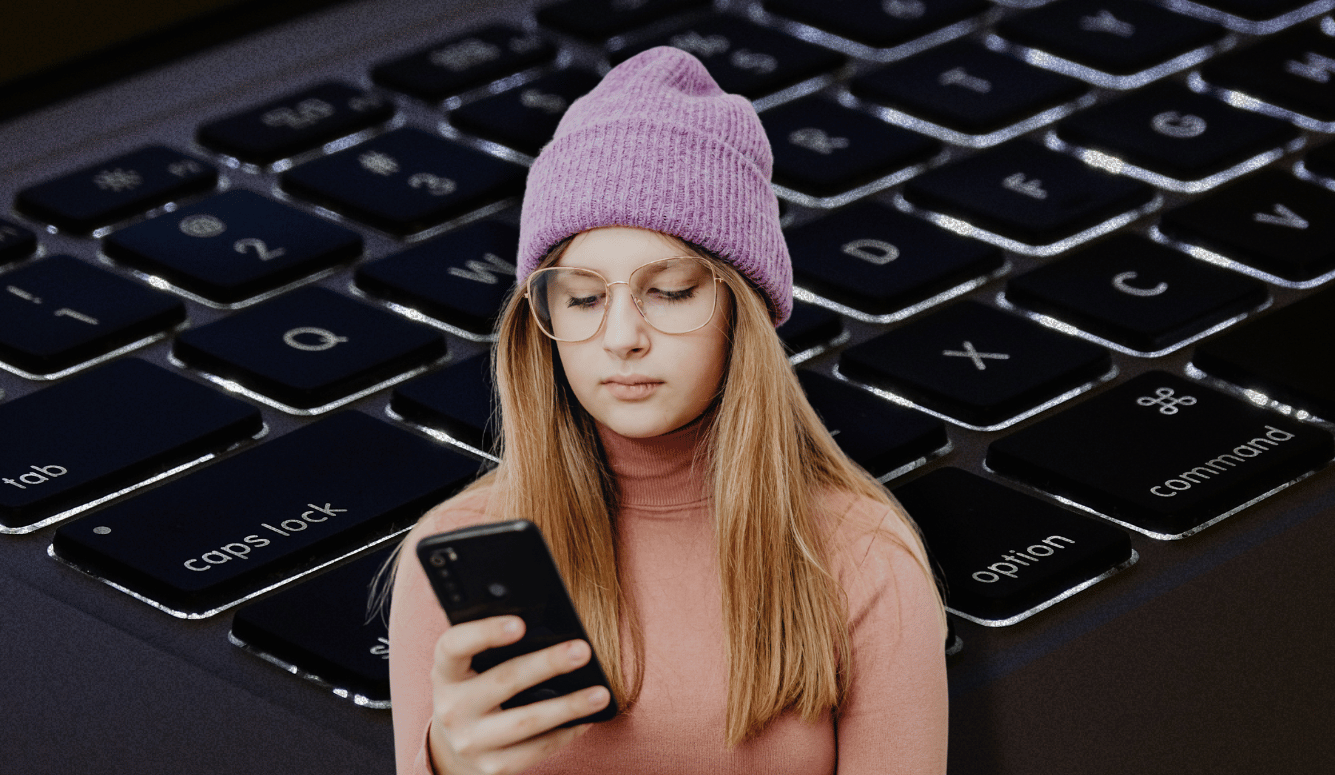

It has now been a month since Australia’s under‑16 social media ban—officially known as the Online Safety Amendment (Social Media Minimum Age) Act 2024—came into effect.
I originally wrote this piece before the ban commenced on 10 December 2025, setting out my predictions for how it would play out. But after three weeks in Europe, I’m now back in Australia witnessing it firsthand. While I was broadly correct about the trade-offs that a blanket ban would involve, what I didn’t anticipate is how those trade-offs would manifest in the first month.
The law puts the onus on social media companies to ensure that all users are above sixteen. It is up to each platform to figure out how to police its user base, and if they fail to take “reasonable” steps to block under sixteens, they face significant penalties, which include fines of up to AU$50 million. By comparison, the maximum penalty for industrial manslaughter in New South Wales—where someone has to actually have been killed through criminal negligence—is only AU$20 million.
What I didn’t foresee is that the major social media platforms, which collect data from users at every keystroke, already know how old people are. They therefore don’t need users to upload identity documents nor need they rely on the Australian Government’s own verification mechanism—which, as of this writing, has been both unsuccessful and the subject of major privacy concerns, after leaked ID documents surfaced.
For most Australians over sixteen, the transition has been painless. On the Meta platforms, X (formerly Twitter) and TikTok, no verification was required when the law came into effect—unless they already knew you were under sixteen, in which case your account was swiftly blocked.
The process was more painful for users of newer platforms that collect far less behavioural data—like Substack. Again, this is something I didn’t predict. In the circles I move in, Substack’s sudden requirement that users upload ID has caused significant ire. But this reaction misunderstands how the eSafety Commissioner’s powers work in relation to the under‑16 ban—or perhaps reflects a hope that Substack would have shown more backbone than it did.
The under‑16 ban applies to any platform that:
- has as its sole or significant purpose enabling online social interaction between two or more users;
- allows users to link to or interact with other users; and
- allows users to post material.
The minister can designate which platforms are of concern and which are expressly excluded from the act—including platforms with an educational purpose—on the recommendation of the eSafety Commissioner, who then publishes lists of platforms in both categories on their website.
Many people assume that if a platform isn’t on the “banned” list, it doesn’t need to comply with the regulations. This is not true. Only platforms expressly excluded are exempt. Everything else is treated as prohibited for under‑16s unless specifically allowed—a distinct departure from the traditional English liberties approach that everything is legal unless expressly made illegal. This approach is to prevent young users from migrating from a banned platform to an unlisted alternative.
Keep reading
Love and Theft
AI Is Not About To Become Sentient

The Innovation Trap

Treating Myths as Science
The Edifice Complex

Letters to the Editor