Politics
Iran’s Forward-Operating Base in the West
With the survival of Nicolas Maduro’s regime now uncertain, Iran and Hezbollah have much to lose in Caracas.
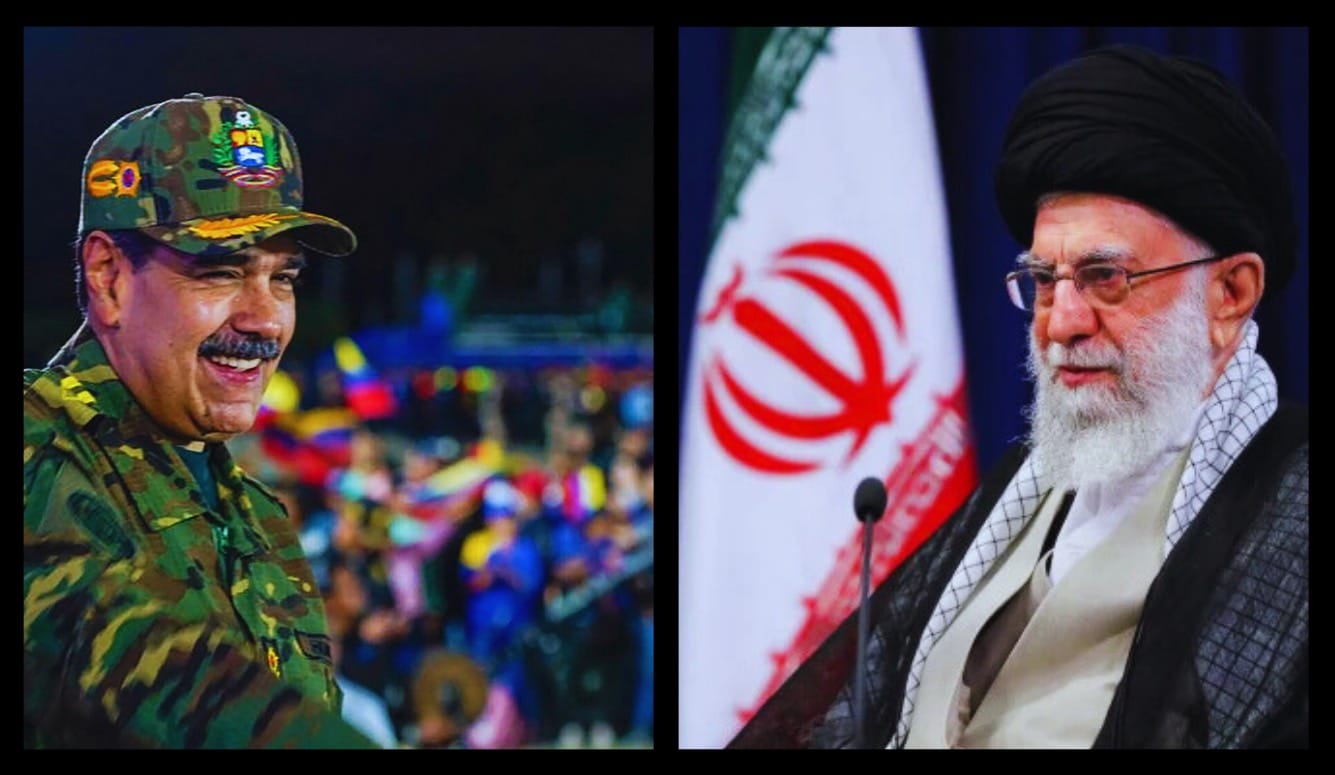

During its nearly 27 years of power, the Venezuelan regime of the late Hugo Chavez and then Nicolás Maduro has made their country a key ally of the Islamic Republic of Iran. Aligning Caracas’s policy to the theocracy’s radical global agenda has included letting Hezbollah operate freely in Venezuela. With Nicolas Maduro now incarcerated in New York, his regime’s survival uncertain, and the Caribbean nation’s future hanging in the balance, Iran and Hezbollah have much to lose from a major foreign-policy realignment in Caracas. For Iran and Hezbollah, Venezuela held high strategic value—it was a means of evading sanctions; a gateway to Latin America where terror plots could be hatched against the United States and Israel; an ideological fellow traveller that would join the battle against the West at the UN and in other international fora; a partner in illicit business activities; a base to spread Iran’s radical ideology; and a facilitator of Hezbollah’s drug-trafficking and money-laundering activities. Losing all this now will not be the end of Iran’s and Hezbollah’s adventurism in the region, but it would be a significant setback.
First, there is terrorism. The foremost state sponsor of terrorism and its proxies have found in Venezuela a friendly nation that lets Iran’s terror operatives go in and out of Latin America. Last November, the Daily Mail reported an Iranian plot to assassinate Israel’s ambassador to Mexico. The plot was hatched in Caracas, probably at the home of an Iranian cleric who is the permanent representative in Venezuela for Al Mustafa International University. Al Mustafa is under sanctions from both the United States and Canada but it is free to operate in Caracas. It is not just a multinational propaganda tool for Iran’s regime, but according to both US and Canadian designations, it also provides material support for terrorism. Its permanent campus in Caracas organises conferences and events, ongoing academic cooperation with local universities, and recruitment of local Venezuelans. The region has suffered three deadly terror attacks by Iran and Hezbollah while others have been thwarted by law enforcement and intelligence agencies. Were Iran and its proxies to lose access to Venezuela, it would become a safer place.
Iran is able to exploit Venezuela as a forward-operating terrorist base because Iranian and Hezbollah terror operatives and terror financiers have ready access to the Caribbean nation. Some Iranian and Hezbollah agents have acquired Venezuelan passports, thanks to another perk enjoyed by Iran and its proxies as a result of their close ties to Caracas. In 2017, a Venezuelan whistleblower revealed that the Chavez/Maduro regime granted thousands of citizenships to Middle Eastern nationals. A list that I obtained from Venezuelan opposition figures puts that number at over 10,000 and local embassies, for the most part, managed the sale of passports in the region. Access to coveted Latin American passports has made it easier for Iranian and Hezbollah agents to enter and exit the region, making Venezuela Iran’s visa-free gateway to Latin America.
Keep reading
Apocalypse ’92

Love and Theft

AI Is Not About To Become Sentient

The Innovation Trap

Treating Myths as Science