Skip to content

Science / Tech

Embryo Selection: A Guide for the Curious

A look at the process, history, and ethics of a potentially revolutionary new technology.
· 22 min read
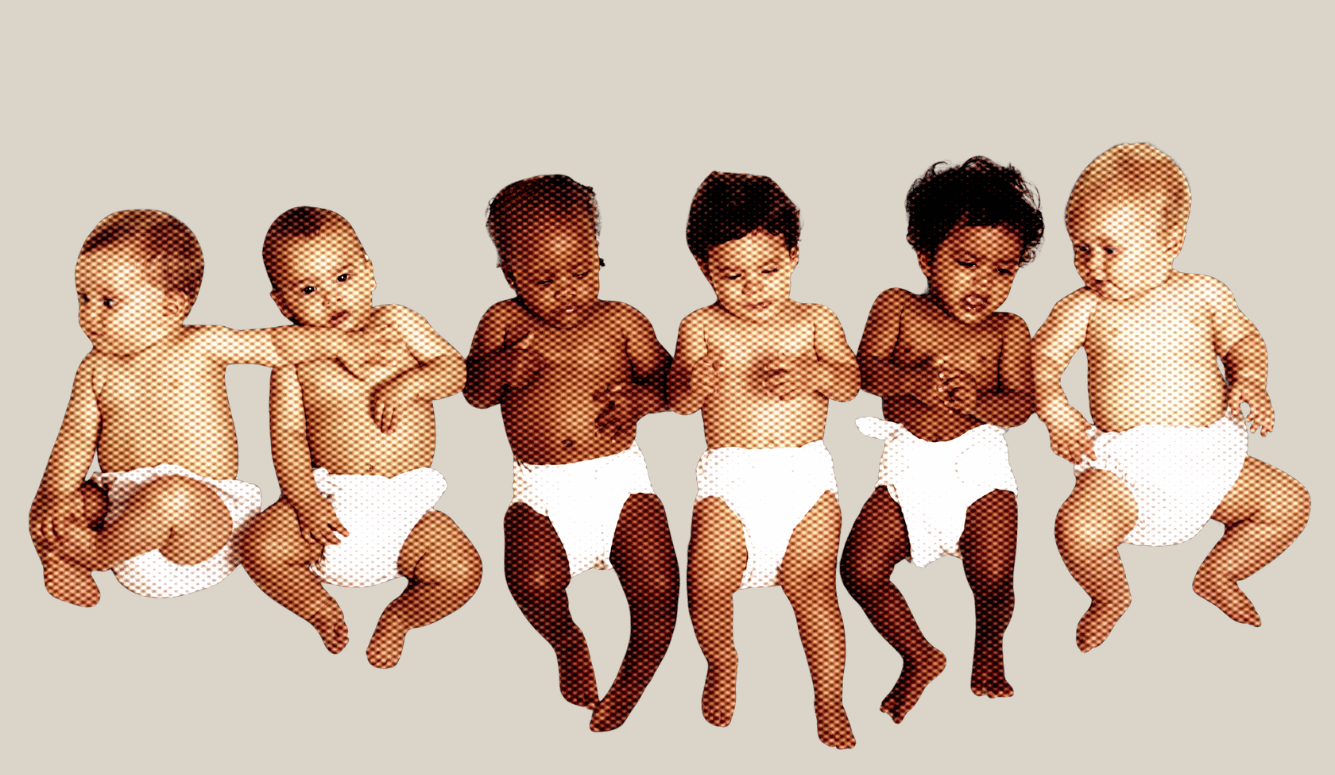
Six infants in nappies lying in a row on a crumpled paper background in a halftone style.
Creative Commons

A number of companies are now offering embryo screening to reduce disease risk and promote desirable traits such as intelligence, eye colour, or height. It feels futuristic, but it’s now. Venture-capital money has poured in; the founder of one company, Orchid, has been interviewed by the New York Times (Elon Musk is reportedly a customer); another company, Herasight, has been featured on CBS News; and a third company, Nucleus Genomics, is embroiled in a plagiarism scandal after launching an aggressive marketing campaign.

How does this new reproductive technology work? Is it scientifically sound? What does it mean for fairness, health, and our values concerning children? In what follows, I will discuss the process of embryo selection, its history, and—briefly—the ethics. The essay is quite long but each section is signposted. If less is more for you, skip over the sections that don’t interest you. You may think a history section sounds dull. It’s not. So please don’t feel tempted to skip that one. Let’s go.

I. The Process of Embryo Selection (in Brief)

Let’s imagine that you and your husband, Hugo, are planning a family. You have an uncle with schizophrenia and Hugo’s sister struggled throughout high school; you want your baby to grow up to be a healthy high-school graduate. You know that genes influence both of these outcomes based on fifty years of twin studies. So you opt for embryo screening and set about choosing a company from a marketplace that includes LifeView, Herasight, Nucleus, and Orchid Biosciences. (These are the ones I have found; there may be others.)

Next, you will choose your in vitro fertilisation (IVF) provider, a decision that can be taken in consultation with the embryo-selection company. Your IVF provider will then stimulate your follicles and harvest at least fifteen eggs (if you want to develop a larger number of embryos, you may want to be hyperstimulated). This is accomplished with daily hormone injections for eight to fourteen days, during which you’ll be monitored by ultrasound or blood tests. The eggs are usually retrieved under sedation and then fertilised using sperm already provided by Hugo. If his sperm is looking a bit tired, a single sperm can be injected into each egg.

The fertilised eggs will then sit, hands folded, silently multiplying nonlinearly (day two, about four cells; day four, about sixteen cells; day five between seventy and 200 cells). Growth and development will be checked daily by embryologists; some clinics use AI to analyse time-lapse video of the multiplying cells for additional quality control. At each stage of this process, you can ask for predictions about various outcomes. Data accrued from forty years of IVF allow us to determine statistical likelihoods such as the number of eggs that may be retrieved given your age, how many of those are likely to be fertilised, how many of those will develop into a blastocyst, and so on.

A blastocyst is reached about five or six days after fertilisation when the cells have formed a hollow ball with an inner mass and outer layer. The larger outer layer (trophectoderm) will develop into the placenta, and it can spare five or ten of its seventy to 200 cells. You don’t want to mess with the inner cell mass—that will go on to become the foetus. Many IVF clinics offer screening at the blastocyst stage for chromosomal abnormalities and genetic disorders like cystic fibrosis or Huntington’s Disease (more about this in the not-to-be-skipped, very interesting history section).

The IVF clinic will now extract a sample of cells from each embryo and send this biopsy material to a third-party company while the embryos are frozen and stored at the IVF clinic. The third-party company will analyse the cells it receives and produce a raw DNA data file for your embryo-selection company, a process that typically takes between two and four weeks. The embryo-selection company will also want a blood sample from you and Hugo, analysis of which will augment analysis of your embryos.

Having probed the genetic data, your embryo-selection company will produce a report on each embryo with a genetic probability score for traits like height, heart health, diabetes risk, intelligence, and so on. You will rank your embryos in order of preference based on your understanding of the report (the embryo-selection company may provide you with assistance from a genetic counsellor). Finally, you return to the IVF company and tell them which of your embryos you would like them to unfreeze and implant.

If the transfer is successful and the pregnancy develops, you can tell Hugo to start knitting. If not, you can re-start the process with your second preferred embryo—and so on. That is a spare account of the process, but there’s a ton of relevant detail...

II. Genes and Polygenic Risk Scores

Let’s jump back to the day when you receive the genetic report on each embryo from your embryo-selection company. Over a beaker of Huel or a glass of wine, you sit with Hugo figuring out what to do. In the report, each embryo has a polygenic risk score for each of the traits investigated by your company. Most of these traits concern health such as the risks of having asthma, schizophrenia, or diabetes, but there may also be predictions for non-medical traits like height, IQ, or eye colour.

Genes influence pretty much all human traits. The pervasive influence of genes on our behaviour (personality, intelligence, preference for dogs versus cats, religiosity, and so on) was discovered through thousands of twin and adoption studies. One meta-analysis probed 17,804 traits and 14.5 million twin pairs. These twin studies yield an estimate of a trait’s heritability, which is the proportion of observed differences between people explained by genetic differences. The heritability of height, for example, is around eighty percent, which means that about eighty percent of the variation in height among individuals in a population is caused by genetic differences.

We each have about 20,000 genes. Each of our cells contains two sets (one from each parent) of about three billion base pairs of Adenine, Cytosine, Guanine, and Thymine—the four molecular building blocks of life. Between any pair of unrelated people there are between four and five million positions in the genome where some people have one “letter” (such as thymine) and others have another (adenine, for example). These positions are called variants, and the letter you have at each variant is called your allele. But hundreds of millions of possible variant sites have been catalogued across all people globally. Most genetic research focuses on the seven-to-ten million most common ones.

The term “polygenic” means a trait is influenced by a multitude of genes, “risk” tells you that the score is a probability. Complex traits (most of those we care about are complex) are influenced by many genes. Thousands of genetic variants contribute to our height differences, for example, but each genetic variant has only a minuscule effect on how tall a person is. It is only when these effects are combined that the cumulative effect is detectable. We know this from analysing the DNA of millions of unrelated people and probing the association between their measured height and their genes in genome-wide association studies (GWAS). The GWAS are not asking, “What is the heritability of height?” Instead, they are asking, “Can we find specific bits of DNA that contribute to height?”

Embryo-selection companies can use the published height-increasing alleles to predict the likely adult height of each embryo. But a polygenic risk score delivers a prediction based on just part of the genetic influence, not the full deck. The gap between the expected genetic contribution to a trait (from many twin studies) and what we find using DNA from unrelated people arises partly because twin studies capture all possible sources of genetic variation. Genome-wide association studies, on the other hand, miss the uncommon variants, which are usually quantified as those that occur in fewer than one in a hundred people. They also miss structural variants, copy number variants, gene insertions, deletions, repeats, and other genetic differences. The best polygenic risk score for height in 2014 explained twenty percent of the variance in height. In a 2022 genome-wide association study led by Professor Loic Yengo at the University of Queensland, the polygenic risk score explained over forty percent of the variance in height. This is impressive: the DNA predictor from data trained on the sample of more than five million people correlated .6 with height in an independent sample.

A final note on GWAS: if your ancestry is not European, the polygenic risk scores may work less well for you because people who contributed DNA for genome-wide association studies are mostly of European ancestry. This is changing quickly and will resolve as people in regions other than the US and Europe contribute and analyse genetic data. But for now, if you or your husband have non-European ancestry, it is worth asking how that will affect each trait prediction.

III. Predicting Disease Risk and Intelligence

GWAS tell us what current DNA-based predictions can achieve. Adding information from rare variants will make some traits more predictable, one of which is schizophrenia, which has a lifetime risk of around one percent. You may have an embryo in the top ten percentile risk for schizophrenia, and another in the bottom ten percentile risk. Your highest scoring embryo carries a risk of 4.6 percent (about five times higher than the average) compared with the low scoring embryo’s 0.2 percent risk (about one-fifth of the average risk). But given the base-rate of one percent, more than 95 percent of those in the top ten percent of risk scores will not develop schizophrenia. And your lowest scoring embryo still has some risk, even though it is low. Polygenic risk scores shift probabilities.

Yet it’s in reducing disease risk that embryo screening is most useful—especially in families (like yours) with a known history of a particular health problem. In all genome-wide association studies, each person is coded as having schizophrenia or not. But underneath that binary is a reality in which some people fall very close to the diagnosis threshold, others fall just above it, and others fall further above or below. Selecting an embryo with a low polygenic risk score for schizophrenia could shift the probability of disease downwards. That information may be well worth having.

The gap between the heritability (eighty percent) of schizophrenia and the genetic risk captured by current genome-wide association studies (about eight percent) is striking. Although common variants are estimated to explain about 25 percent of the liability for schizophrenia, current GWAS only capture around eight percent of that liability, due to sample size, and imperfect tagging of true causal variants. That eight percent will likely rise to approach 25 percent as GWAS sample sizes increase. Although schizophrenia is highly heritable, most people with a diagnosis have no family history of it. We know this from studies like the 2025 Danish report on three million people, which found that 89 percent of people with schizophrenia had no family history of the disease. There is evidence that rare variants have bigger individual effects than common variants. The blood sample that you and Hugo provided for DNA analysis at the start of your embryo-selection journey, together with any family history, may improve the accuracy of your embyros’ predictions by about one percent for traits in which most of the variation lies in “common” variants.

This is the case with intelligence. When I was a PhD student, a colleague mentioned that brain size was by far the biggest biological correlate of intelligence. I remember being taken aback. Because size is such an “uncerebral” thing—it’s not profound, arcane, mysterious, obscure. It’s anodyne, blunt. But it’s true. Even within families, a larger brain predicts higher intelligence. The correlation within families is about .2, and about .3 in the general population. This finding is comforting in a curious way because it puts intelligence where it belongs. Yes, it has outcomes that probe our most sensitive spots—inequalities, incomes, social class, jobs, education, health, and so on. But it is also a physical trait with a heritability of around fifty percent (averaged over the lifetime from low in childhood to high in late adulthood). It’s a mistake to obscure facts about intelligence on the grounds that it is linked with social and moral matters. Biologically, it’s a trait and is susceptible to analysis. Analysis starts with measurement. If you can’t measure it, you can’t science it.

Herasight’s IQ prediction tool is cunningly named CogPGT, and it’s what many of their clients will be paying for. In the upper thresholds of intelligence, 100 is average, about nine percent of people have an IQ above 120, about two percent have an IQ above 130, and about 0.4 percent have an IQ above 140. IQ is not a “ratio scale” (it lacks a true zero). We know that 115 is higher than 106, but we lack precise gap consistency for IQ. As a rough guide to what these numbers mean practically: with an of IQ 100, you can comfortably read a newspaper, follow instructions for a new appliance, build a piece of flat pack furniture. At IQ 120, you can quickly grasp abstract concepts in a technical manual and spot inconsistencies others miss.

By far the most significant investment you can make in your child’s intelligence is to marry someone bright. You married Hugo. Neither of you has taken an intelligence test (such as the gold-standard Wechsler Adult Intelligence Scale), but you’re typical among couples in one respect: people pick partners who are somewhat like themselves in intelligence. The average correlation in spousal intelligence is around .4 which means that couples are closer than random pairings, but IQ gaps of between five and ten points are common.

What IQ will your kids have? If you have an IQ of 135 and Hugo has an IQ of 129, your child’s expected IQ is predicted to be closer to the population average of 100—probably around 119. This phenomenon is called “regression to the mean,” and it was discovered in the 19th century by Charles Darwin’s cousin Francis Galton. Very bright parents are sometimes bewildered by having less able offspring. This isn’t restricted to IQ, it’s observed for any objectively measured quality such as sport/painting/carpentry. Regression to the mean occurs because both you and Hugo have lots of intelligence-increasing alleles and some neutral or even decreasing alleles. Your children will inherit a random mix of your alleles, and it is statistically likely that they have more of the neutral or decreasing alleles than you do.

IV. Does Herasight’s IQ Prediction Tool Work as Advertised?

This isn’t the place (you’ll be relieved to hear) for a digression into my thesis on intelligence. I only wish to scrutinise Herasight’s claim that it offers “the world’s most powerful genetic predictor of IQ” and that “customers can boost the expected IQ of their children by up to 9 points by selecting the embryo with the highest CogPGT score.”

CogPGT uses algebra, estimates from scientific publications, genetic data from each embryo, and data from the parents’ DNA to arrive at a predicted score or range of scores for each embryo. This allows customers to rank them on their likely IQ, albeit with wide uncertainties.

CogPGT explains 16.4 percent of the variance in adult intelligence. At the time of writing, this is impressive for an intelligence predictor. Yet this means that about 84 percent of the variation in intelligence is not captured by the polygenic risk score. It is important to understand that the wide intervals around each estimate mean that the embryo with the top-predicted IQ could have an actual IQ below the population average of 100. The range of polygenic risk scores within a family is narrower than among the whole population, this reduces any expected gain among your embryos. Simulations in two papers suggest two-to-three IQ points is a more likely gain than the claimed nine IQ points given ten embryos, and three-to-four IQ points given twenty embryos.

It is crucial that an embryo-selection company help you through the thicket of probabilistic thinking by emphasising the width of the prediction intervals and the amount of uncertainty in the prediction, given the number of embryos you are choosing from. To quote the authors of a recent medical-journal paper on embryo selection, “Any one of the issues discussed in this article would be difficult to communicate accurately—even to other scientists and clinicians; collectively, these issues constitute a formidable challenge for ESPS [embryo selection based on polygenic risk scores] companies, which must ensure that their customers understand what they are doing.”

How Prophetic Was Gattaca?
Gattaca was prophetic, but not quite in the way Niccol intended.

My observations on the Herasight model are that it was trained on data from UK Biobank, whose participants are more educated than the population average. It therefore doesn’t grab the whole distribution of intelligence differences among the British population. Furthermore, the validation of the model was tested on a dataset from children, and children’s IQ scores are measured much less reliably than those of adults. The model statistically corrects for these two known features of the data. It also corrects for a third important statistical point—that embryo-prediction tools are comparing sibling embryos, not unrelated embryos. Herasight post technical papers on their website, but these have not yet been subjected to peer review. It is not enough to say the scientists are reputable because that easily slips into arguments from authority.

How many embryos would you need to expect the advertised gain of nine IQ points? I reckon 25–35. Which, depending on your age, may necessitate more than one IVF cycle. At age 28, you may need between five and eight cycles to obtain thirty viable embryos; at age 33 you may need between eight and ten cycles for the same number. If you plan to optimise the IQ of your child through embryo selection, then do investigate the IVF cycle part of the process. It can lead to mood swings and be tough, expensive, and time-consuming in hospital visits. One cycle typically takes between four and six weeks. A break of four-to-six recovery weeks is recommended after each cycle. Using my estimate of about thirty viable embryos to gain about nine IQ points, it looks like around a year and a half of IVF process. So, lots to ponder.

Herasight recently announced an innovation to create a pipeline with IVF companies. It is a technical innovation that works with genetic data that IVF clinics already collect during routine screening for chromosomal abnormalities. Most clinics use ultra-low-pass sequencing for this purpose, which produces very sparse genetic data—far too limited for traditional polygenic scoring. Herasight’s new algorithm solves this by filling in the gaps using the parents’ genetic information and statistical methods. This means that IVF clinics can simply send the data they already generate to Herasight who will then provide polygenic risk scores with marginal loss in accuracy. Herasight posted their algorithm on their website. It awaits peer review as of now.

A subtle difference between your embryos and people who contributed DNA for the genome-wide association studies is the cohort. Your embryos will be a generation younger than the people who contributed DNA to the reference genomes. The latter could comprise former smokers, moderate drinkers, and people with office jobs—your embryo could be part of a cohort that more widely adopts veganism, and drinks or smokes less often. Your embryos’ polygenic risk scores will come from the measured association between an outcome (such as heart health) and gene variants in an earlier cohort. Behaviours and environments may interact with gene variants in unpredictable ways to increase or reduce risk. Genetically predicted outcomes may be fuzzier as a result.

You and Hugo are paying a lot of money. It’s reasonable to write down your questions and insist that they are answered on paper in clear language, so that you can take this information away and consider it in your own time. The company is accountable to you and they should say what is in the tin. It’s a gnarly tin! A company worth paying will find lots of ways to help you understand the accuracy of their predictions. Reliabilities, probabilities, confidence intervals, and so on are statisticians’ pillow talk. It’s not a sign of low intelligence that these terms slosh about in your head like bilge-water; it’s just a sign that you haven’t spent ten years studying quantitative genetics!

V. The Very Interesting History Section

For thousands of years, the three reproductive-choice options available to parents were directed mate choice, selective termination of a foetus, or—shamefully—infanticide, which has been used as a blunt-force instrument for choosing the sex of a child, for example. Before humans developed a detailed understanding of inheritance and its mechanisms, they also manifested an intuitive sense of genetics about health derived from familial patterns.

In the Talmud, for example, it is stated that if two brothers both die from post-circumcision bleeding then circumcising further brothers is discouraged. This observation dates from the 3rd to 5th centuries CE. The Rabbis were right to discourage circumcising third and subsequent sons. Death by bleeding is a sign of haemophilia, which is a genetic disease. But while spotting traits that run in families is an ancient habit, it’s a weak defence against disease risk.

Some diseases run at strikingly higher frequencies in specific populations. This can be caused by populations having lower genetic diversity, which arises when people mate mostly within their own population (species-typical behaviour for millennia in our pre-history). Sometimes, a founder effect occurs when a small population is established from a larger one, and when the founders carry genetic risks.

A dramatic example of this occurred on the Pingelap Atoll in Micronesia. In 1775, a typhoon screamed through the Atoll killing about ninety percent of its approximately 1,000 inhabitants. At least one of the survivors carried a recessive allele that causes complete colour blindness if you inherit two copies. Its prevalence in the general population—and one assumes before the typhoon—is about one in 30,000 people. But on the Atoll today, between one in 25 and one in 100 (estimates vary) are totally colourblind.

People of Ashkenazi descent have lower genetic diversity because intermarriage was encouraged historically on cultural and religious grounds. In 1983, following the birth of a child with Tay-Sachs disease, Rabbi Yosef Eckstein from Brooklyn devised a brilliant way to reduce the number of children born with that painful and fatal disease. This was before the Human Genome Project, so no human genome had been sequenced, but Mendelian inheritance (traits affected by dominant and recessive alleles or variants) was understood. A child will have a 25 percent probability of having Tay-Sachs disease if she is born to two carrier parents. She will also have a fifty percent chance of becoming a carrier herself. The carrier rate among Ashkenazi Jews is about one in thirty versus one in 300 in the general population.

Around 5,000 children who would have been born with severe genetic diseases have avoided that fate as a result of the Dor Yeshorim initiative.

So the Rabbi founded a non-profit institution called Dor Yeshorim to analyse the blood samples of teenagers at schools. Later, when considering marriage, any pair of participants could have an anonymous compatibility check to avoid a marriage between two carriers of Tay-Sachs that would impose a high risk of afflicted children. This programme had great buy-in because it provided anonymity, avoided stigma, and reduced heartbreak and suffering. Dor Yeshorim is still active; they screen around 46,000 people in eleven countries each year. Around 5,000 children who would have been born with severe genetic diseases have avoided that fate as a result. The prevalence of Tay-Sachs among Ashkenazi Jews has fallen by around ninety percent.

Another screening success story concerns the reduction of genetic harm linked to malaria, which has afflicted people on five continents for over 5,500 years. Malaria was endemic in Cyprus for thousands of years until a Cypriot health inspector named Mehmet Aziz led a mosquito-eradication campaign in 1946. By 1950, Cyprus became the first malarial country in the world to be malaria-free. Unfortunately there is a “but” and the “but” is evolution. As in some other malarial areas, people evolved an adaptation to protect them against malaria—a random mutation that reduces the malaria parasite’s capacity to invade and replicate in human blood. One copy of this mutation leads to mild anaemia but affords some protection against malaria. Two copies of the mutation cause a devastating illness called beta thalassaemia major. It’s a brute. Fatal without treatment, and the treatment is no picnic.

Cyprus is an island, so people mostly mate with other islanders. This caused the frequency of the “helpful” mutation to increase in the population. Consequently, the number of carriers (with one helpful copy) increased to around one in seven, and two percent of marriages were at risk of having a kid with beta thalassaemia major (about ninety times higher than the global risk). Something had to be done about this. So in 1973, Cyprus launched a screening programme. It included premarital screening, and antenatal diagnosis for carrier couples. Within a decade, the number of children with beta thalassaemia dropped from about fifty a year to almost zero. No baby affected by beta thalassaemia major has been born in Turkish Cyprus since 2002—a massive win for harm reduction. The Jewish and Cypriot communities reduced specific genetic threats to their health.

What about threats to infant health that are present more globally? Chromosomal abnormalities harm infant health. The best-known example is probably Down Syndrome (its clinical name is Trisomy 21), in which the foetus has an extra copy of chromosome 21 instead of the standard issue of one from each parent (there are other trisomies such as 13 and 18 which also cause known syndromes). Its impact is dimensional—people can be affected along the spectrum from mildly to severely. Older mothers are more likely to bear children with this abnormality. The risk for a mother at age twenty is 1:1,500. At age 35 her risk is 1:350, and at age 45, 1:30. In many countries, mothers are now choosing to have their first child later than was typical a generation ago (the average age of a mother at first birth is above 32 in Italy, Spain, Ireland, Japan, Korea, and Switzerland compared with mid-twenties a generation ago). Yet the number of children with Down Syndrome is not increasing, partly because a pre-birth diagnostic option became available in the early 1980s.

The first technological advance in antenatal screening for chromosomal abnormalities was Chorionic Villus Sampling. The villi are the little fingers that wave kelp-like on the seabed of gastric tissue (filtering nutrients). They are also on the placenta where they perform a similar role. As early in pregnancy as ten or twelve weeks, chromosomal abnormalities can be detected by analysing this placental tissue. It’s invasive. Amniocentesis (also invasive) is another option, because the amniotic fluid can reveal chromosomal abnormalities, some genetic disorders, and even some infections (around fifteen-to-eighteen weeks into a pregnancy).

Next up, the first non-invasive technology pioneered by Professor Kypros Nicolaides at King’s College Hospital, London, in the late 1980s—Nuchal Translucency, more commonly known as an NT scan. It uses ultrasound to assess a fluid-filled space at the back of the foetal neck that exists around eleven-to-thirteen weeks into the pregnancy. This scan can identify chromosomal abnormalities and some major heart defects. If it shows an elevated risk, a next screening step is Non Invasive Prenatal Testing (NIPT), the brainchild of Professor Dennis Lo in 1997 at the Chinese University of Hong Kong. All these screening options (Chorionic Villus sampling, amniocentesis, NT scans, and NIPT) offer parents early detection of risk. In the UK, under the National Health Service, foetal anomaly screening is now routine at around twenty weeks into the pregnancy for a range of conditions.

Following discovery of an affected foetus, parents must then decide what to do. Some conditions are treatable in utero, but others are not. In some countries, termination of the pregnancy is an option. But the key point is that as a consequence of prenatal diagnostic testing, there has been a steep drop in live births with Trisomy 21 or Down Syndrome—up to fifty percent reduction in some regions—and other detectable conditions, despite rising maternal age in many countries.

The radical expansion of harm-reducing options began with a medical breakthrough that was not even focused on disease reduction. In 1978, Robert Edwards and Patrick Steptoe succeeded in getting IVF to work. Louise Brown was born on 25 July in Oldham, Lancashire, to the tremendous joy of her parents. They had been trying for a baby for nine years. IVF had a success rate under ten percent of live births per cycle for the first twelve years. But since the happy arrival of Louise Brown, between thirteen and seventeen million babies have been born through IVF. One baby is estimated to be born following an assisted reproductive technology (mostly IVF) every 35 seconds. And the invention of IVF was the foundational pre-requisite for the new trait-based embryo screening. Using polygenic risk scores for embryo screening is the newest chapter in an old playbook.

VI. Ethics

Arguments against embryo screening on religious grounds are unassailable because they’re not susceptible to facts, so I’ll set those aside. If your religious views steer you away from embryo screening, don’t do it. It should be a personal choice.

If a company advertises greater predictive precision than it can deliver (mis-selling), the worst that will happen is that parents will have their kiddo by IVF and abnormal chromosome numbers (aneuploidies) and single-gene diseases will be (mostly) ruled out along the way. Embryo screening is expensive and for now that’s a good thing. It means the early adopters will be rich, and those clients are likely to be demanding. They may drive up expectations about clarity of communication, which is by far the biggest ethical issue in my view. (I’m not an ethicist, but happy to learn from those who are.)

Women choosing embryo screening will undertake clinically unnecessary invasive procedures—IVF—as people already do for other elective surgeries. We should ask: will this reduce resources for people with clinical need? I’ve no idea.

For some embryos, clients may be faced with a trade-off—the embryo with the top heart health score might have a lower score for intelligence, for example. It’s unlikely because there is strong evidence that higher intelligence correlates with better health and even longer life expectancy, but trade-offs are a possibility.

We are now in a stronger position to reduce harm from genetic diseases without terminating a foetus (a blastocyst is not a foetus and it lacks a nervous system). IVF has been a success story and analysing polygenic risk scores to reduce the odds of a person developing a genetic disease like schizophrenia is humane. As rare-variant detection improves, the possibility of reducing the burden of this disease is grounds for optimism.

Is it similarly ethical to screen for non-disease traits like intelligence? It’s no cakewalk to live with intelligence that’s below average. Fifteen percent of people in a population likely have an IQ of 85 or below. There are around 8.5 million such adults in the UK. Modern life is complicated: full of forms, admin, bureaucracy, getting from place to place, figuring out prescriptions, taxes, trying to get tech to work, avoiding being scammed, finding a job. This is relentlessly challenging for many people. This isn’t about devaluing anyone, it’s about illuminating obstacles that are often invisible to the “cognitive elite” who can navigate them with comparative ease.

If you have read this far, then you are a member of that elite. The advantages that come with average or above-average intelligence are unearned and the implications of cognitive diversity deserve serious consideration. Embryo screening is not yet the non-invasive way to increase people’s chances of coping with the rain of IQ-test items constituted by everyday life, but it may develop that way. It’s expensive (costs range from about US$4,000 to US$50,000) so the families that might benefit most are the least likely to be able to afford it. Yachting and safari holidays would likely benefit those who cannot afford them; but we don’t legislate against them. Cost is not a good reason to curtail innovation. We should wait and see what develops. If the very notion of selecting on IQ creates a conversation that’s no bad thing. The science of intelligence ought to be better understood and feature more prominently in social science and policy consideration. As a single predictor of outcomes, it is compelling. Yet it is simply a trait, neither to be worshipped nor disregarded.

Would selecting on intelligence cause people with less of it to be diminished? Parents already lean hard into schooling. It’s not obvious to me that screening would cause stigma-increasing sequelae.

Will embryo screening cause cognitive inequalities to increase if it is widely adopted? I’m hesitant to speculate, but this is not a persuasive argument against embryo screening in any case. Most of the heavy-lifting for intelligence is done by mate choice. If our priority is to reduce cognitive inequalities, we should enforce random mating. (It could be a new reality TV show.)

You may ask, why put intelligence on the altar—why not use embryo selection on kindness or other personality traits? A current reason is that there is no polygenic risk score that gives predictive accuracy for personality traits, even though they, too, are influenced by genes.

I have one additional thought. There may come a time when embryo screening is as common as sperm donation is now. Imagine four kids at breakfast with their matcha and kelp smoothies. Their kind and loving parents have just explained that they used embryo selection to make sure their darlings were healthy, so the darlings really must finish their smoothies even though they look and taste disgusting. The littlest one yells, “Wait, so I’m your lowest ranked embryo-child?! Thanks a bunch!” And it will be true. That is also something to think about.