Nations of Canada
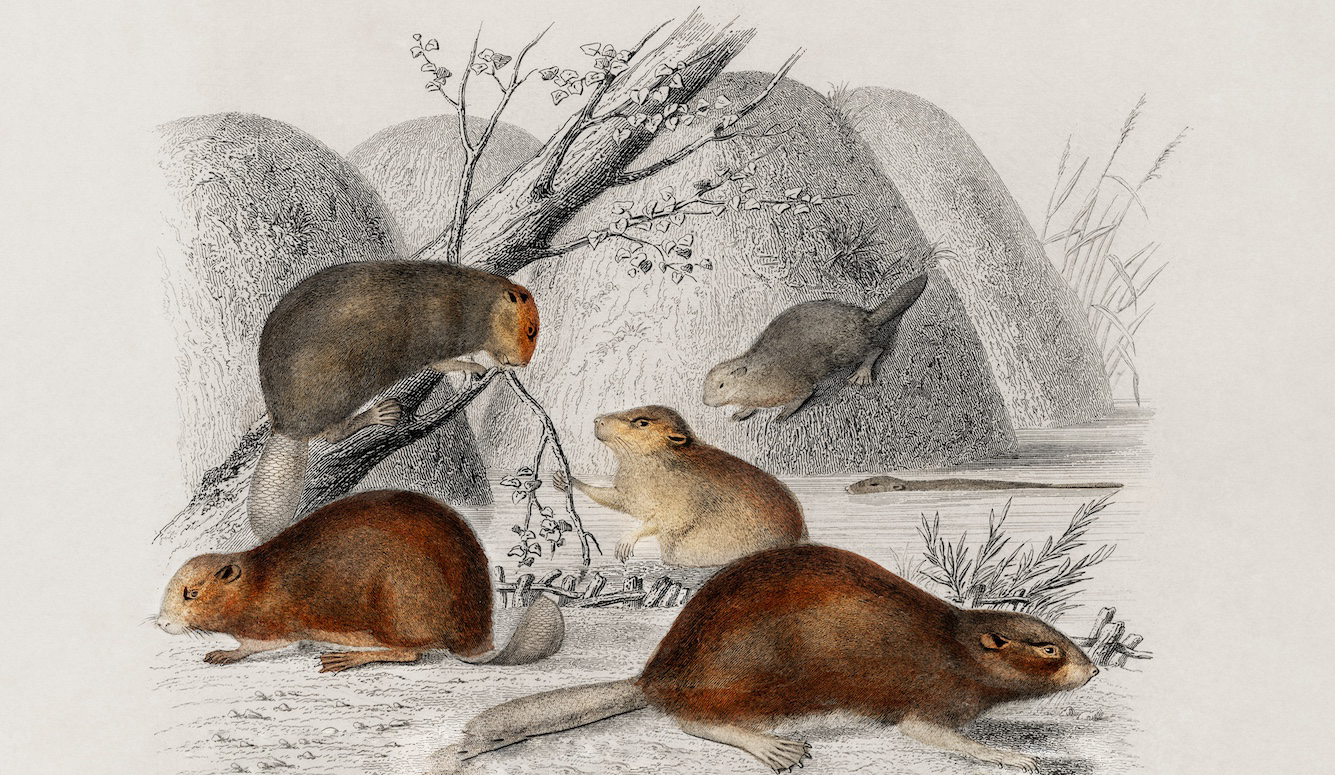
Dawn of the Beaver Wars
In the 28th instalment of ‘Nations of Canada,’ Greg Koabel describes the deadly conflicts that emerged in the late 1630s between the Wendat and Haudenosaunee confederacies.

What follows is the twenty-eighth instalment of The Nations of Canada, a serialised Quillette project adapted from Greg Koabel’s ongoing podcast of the same name.
As discussed in the previous instalment, the mid-1630s witnessed a wave of deadly epidemics in the territories of the Wendat Confederacy, corresponding to a region between Lake Simcoe and Georgian Bay in modern Ontario. The resulting medical disaster, which resulted from European pathogens unwittingly spread by the Confederacy’s French allies—caused a host of political, social, and economic disruptions. Some Wendat villages were nearly wiped out, and many others were forced to relocate.
When Samuel de Champlain first travelled the region in the 1610s, the Confederacy likely had a population of approximately 30,000—a number that is believed to have held steady for generations following the boom sparked by the introduction of corn, bean, and squash cultivation centuries earlier. By 1637, that population had been more than halved, down to about 12,000. Even once the last of these epidemics ended, the threat of European-borne diseases would continue to haunt local Indigenous societies for centuries to come.
The Wendat experience was far from unique. The same epidemics that devastated their homeland of Huronia (also known as Wendake) in the 1630s cut through the entire Great Lakes region, affecting the Algonquins of the Ottawa River valley (who were also French allies), trading partners in the western Great Lakes, and the Haudenosaunee Confederacy to the south.
 Greg Koabel
One might think that these cataclysms would discourage war, since the disease-stricken societies now had less of the resources and manpower necessary to wage it. In reality, the opposite proved true, due to the traditions that governed Indigenous military culture.
The study of the military history of Indigenous North America has followed two main avenues. The first presents economic factors as the driving force behind conflict: The inter-continental fur trade created fierce competition among rival Indigenous societies for the European goods arriving from across the Atlantic, fuelling persistent and costly warfare among Indigenous groups.
Keep reading

The Insight Trap

Cornell and Consent

Robert Lynch on Status, Humour and the Apes We Pretend Not to Be | Quillette Cetera Episode 74

The Radicalisation of Tucker Carlson