Human Rights
To Defeat Jihadism, the Battle over Sacred Values Must Be Won
If traditional warfare is one of the culprits of increasing radicalization, then such an approach is the only viable one.

The war against Islamic terror will not be won in the trenches. Political Islam’s most insidious weapon is its ideology. In this respect, defeating it will take more than just guns or bombs. This is not to say that there will be no use for guns, bombs, or drones, but if democracy and human rights are to prevail, these espoused values must stand for something.
As attested by history, enmeshing values with politics is usually disastrous. Nevertheless, it is often the case that the only way to defeat a toxic ideology is with an alternative one. An example that comes to mind is the American civil rights movement of the 1960s. Inspired by Gandhi’s philosophy of nonviolence, black Americans and their allies defeated racist bigotry by wielding values such as tolerance and equal rights. Similarly, the war against ISIS must be waged on the battlefield of values, ideas, and beliefs.
Although it is possible for ISIS to smuggle its fighters overseas among the outpouring of Syrian and Iraqi refugees, the larger threat is homegrown terror. Given the exportability of the jihadi brand, enabled by some of the same social networks that linked you to this article, radicalization can occur in Paris, Sydney, or New York—never mind Sinjar or Aleppo. As such, it is the exemplar bottom-up movement. This is why the threat of jihadi infiltration among Syrian refugees is mostly misplaced fear and bait for right-wing nationalists and conspiracy theorists.
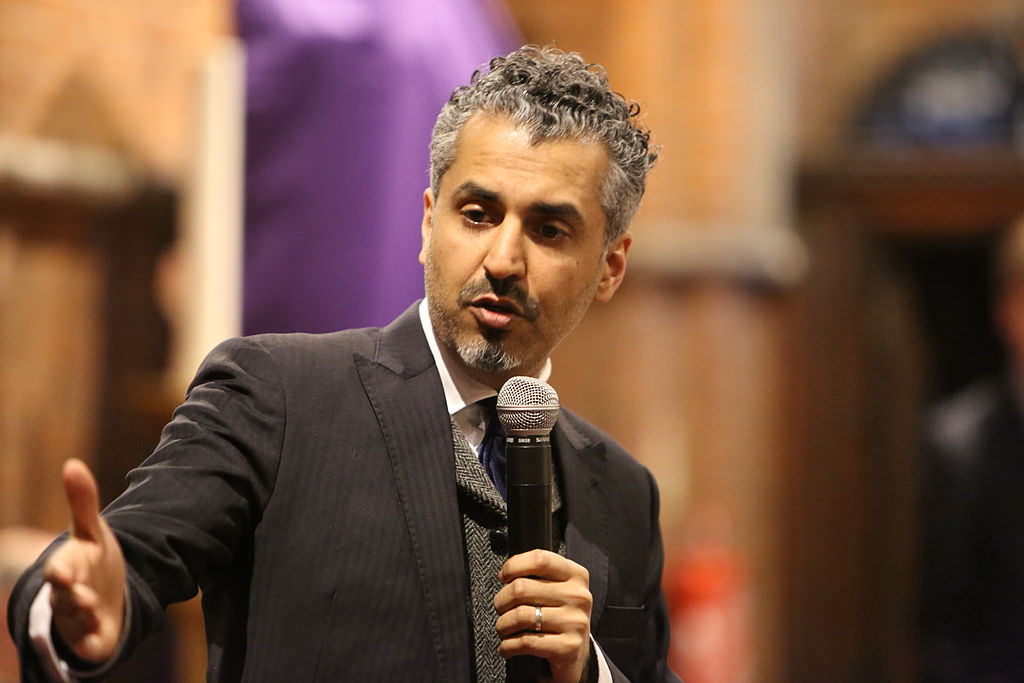
What unites ISIS’s followers, like what unites most religious parishioners or political ideologues, is commitment to a set of sacred values (e.g., honor, vengeance, irredentism) and commonly held beliefs (e.g., the prescribed killing of apostates and infidels). Contra Scott Atran, both of these factors must be targeted simultaneously. In this, it is the liberal and libertarian sentiment of decreasing our reliance on military power that seems the most apt. Ideological wars must be fought, first and foremost, with ideology. Moderate and liberal Muslims have to “market” an alternative ideology to that of Islamism and jihadism. It is essential that Muslims are the ones initiating the reforms from within; there is no other genuine alternative. Thankfully, this has already started to occur, as exemplified by figures such as Maajid Nawaz, Asra Nomani, and Malala Yousafzai.
 Gordon Nickel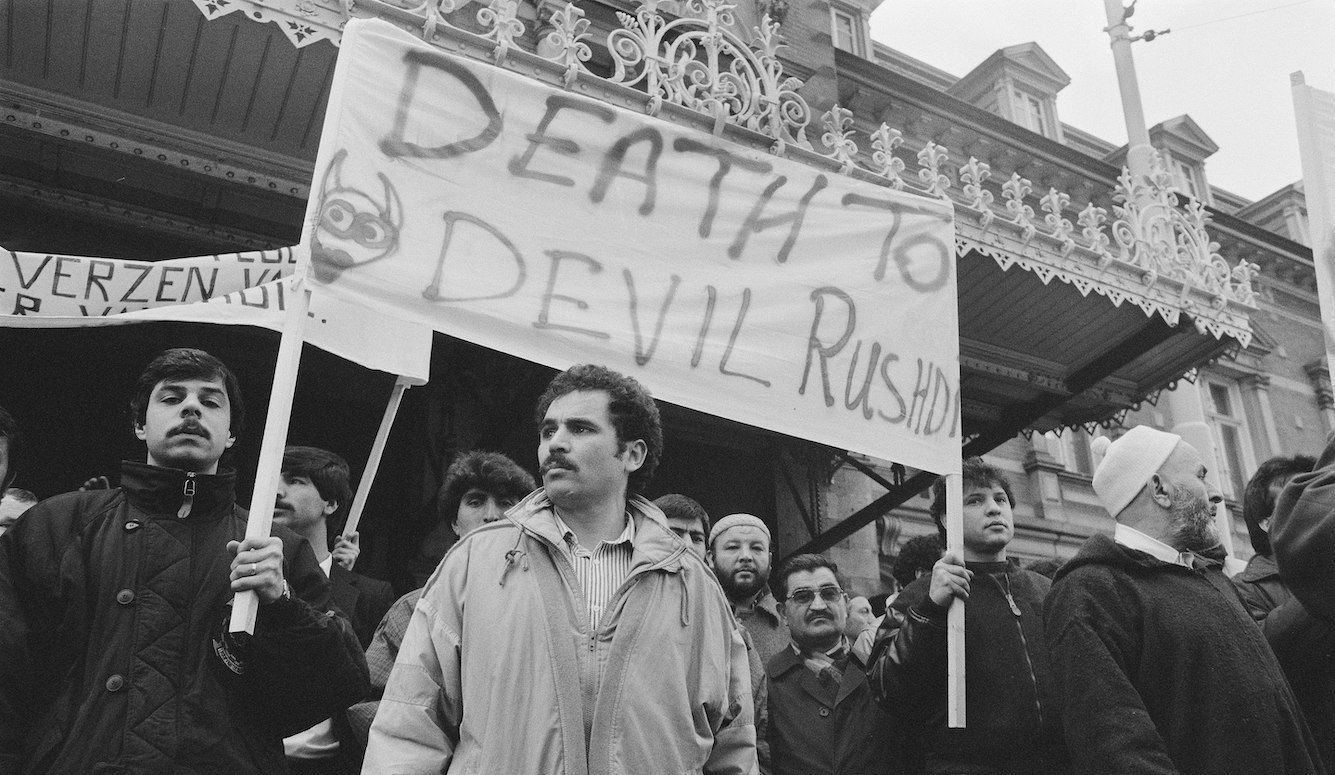
What many on the left have to realize, however, is that, far from inspiring racism or aggression, criticizing the ideological motivations of ISIS’s terror—and its deep roots in Islamic doctrine—is the more peaceful, honest, and perhaps more successful approach. If traditional warfare is one of the culprits of increasing radicalization, then such an approach is the only viable one. Indeed, experiencing the death of your family members and friends produces an ineluctable need for vengeance, which, when wedded to a toxic religious ideology, becomes unstoppable. Therefore, by engaging in less traditional, and more ideological, warfare, two motivating factors for Islamic terrorism may be curtailed—vengeance and ideology.
Keep reading
Trauma and Terror
An Open Letter to Scott Alexander
From Atmosphere to Empire

AI Doom Is Not Cybersecurity

Genocide and Its Jurors