
The Last of the Human Warriors
Advancing technology is changing the way we fight wars and our understanding of heroism.
John Lloyd
· 6 min read
A collection of 32 posts
Advancing technology is changing the way we fight wars and our understanding of heroism.
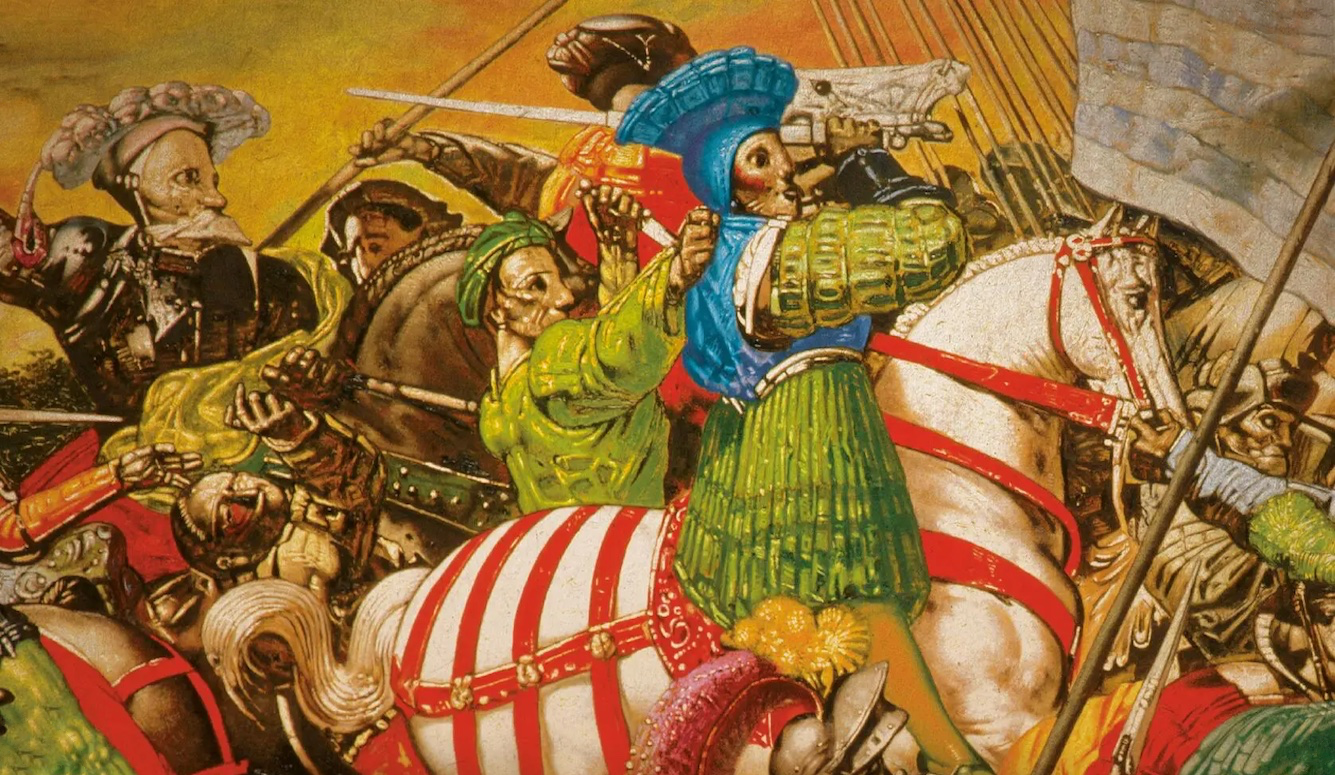
In a forthcoming book, Lyndal Roper argues that the German Peasants’ War of 1524–25 was a missed opportunity to enshrine a Christian theology centred on equality and brotherhood.
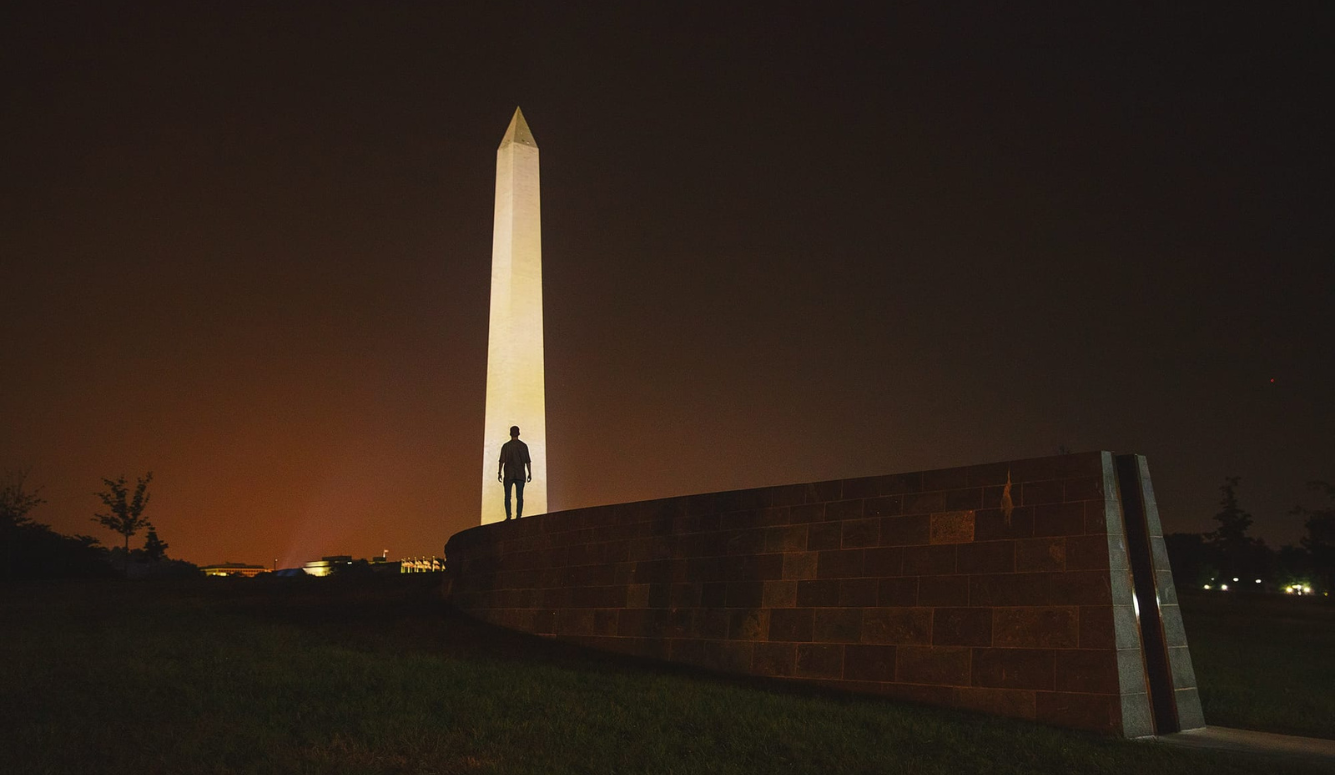
Only when we understand the fragility of liberal democracy will we be properly motivated to defend it.
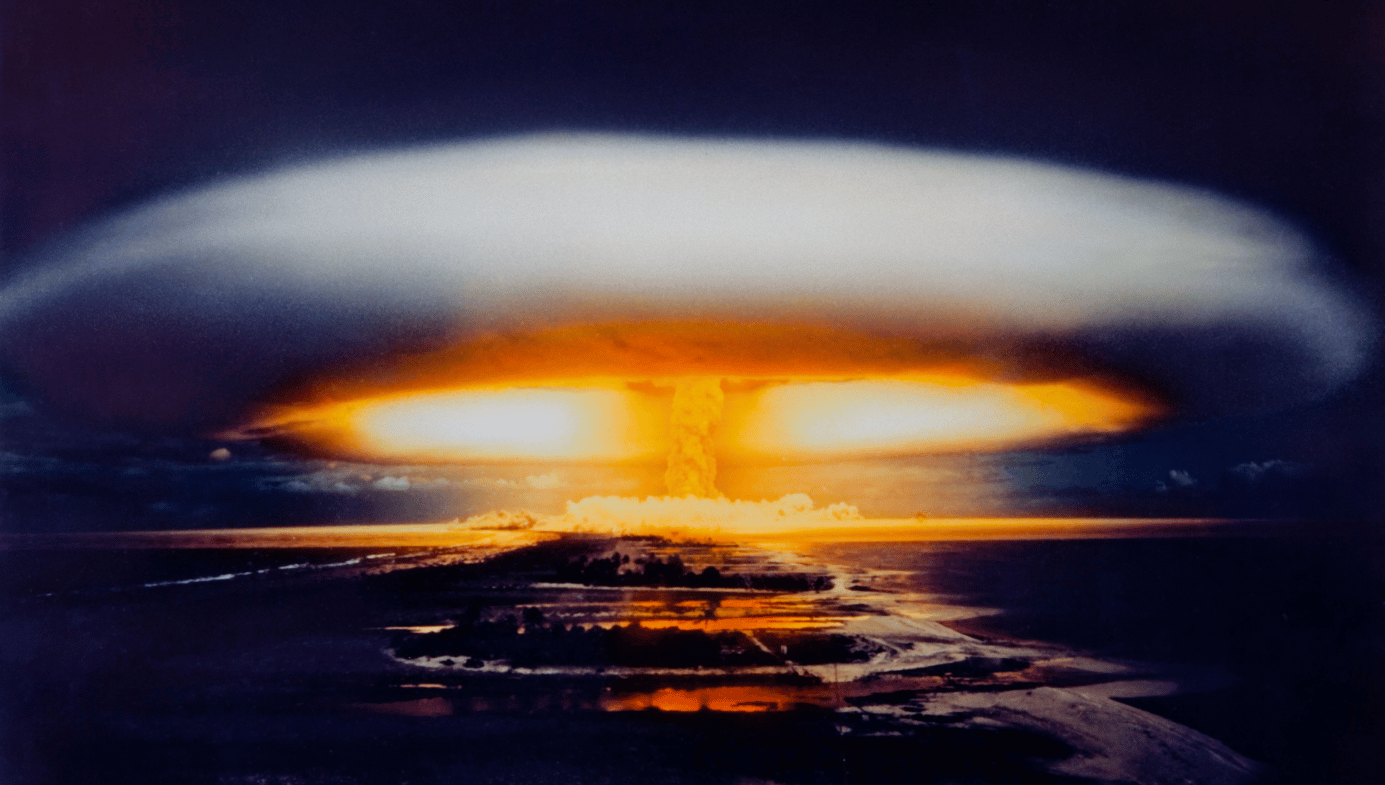
Far from enhancing American national security, or the security of the world, nuclear weapons will lead us to the edge of destruction.

Pamela Paresky interviews Israeli volunteer Tasha Cohen on founding Chayal’s Angels, a grassroots initiative supporting reservists with trauma-informed care during the 2023–24 war.
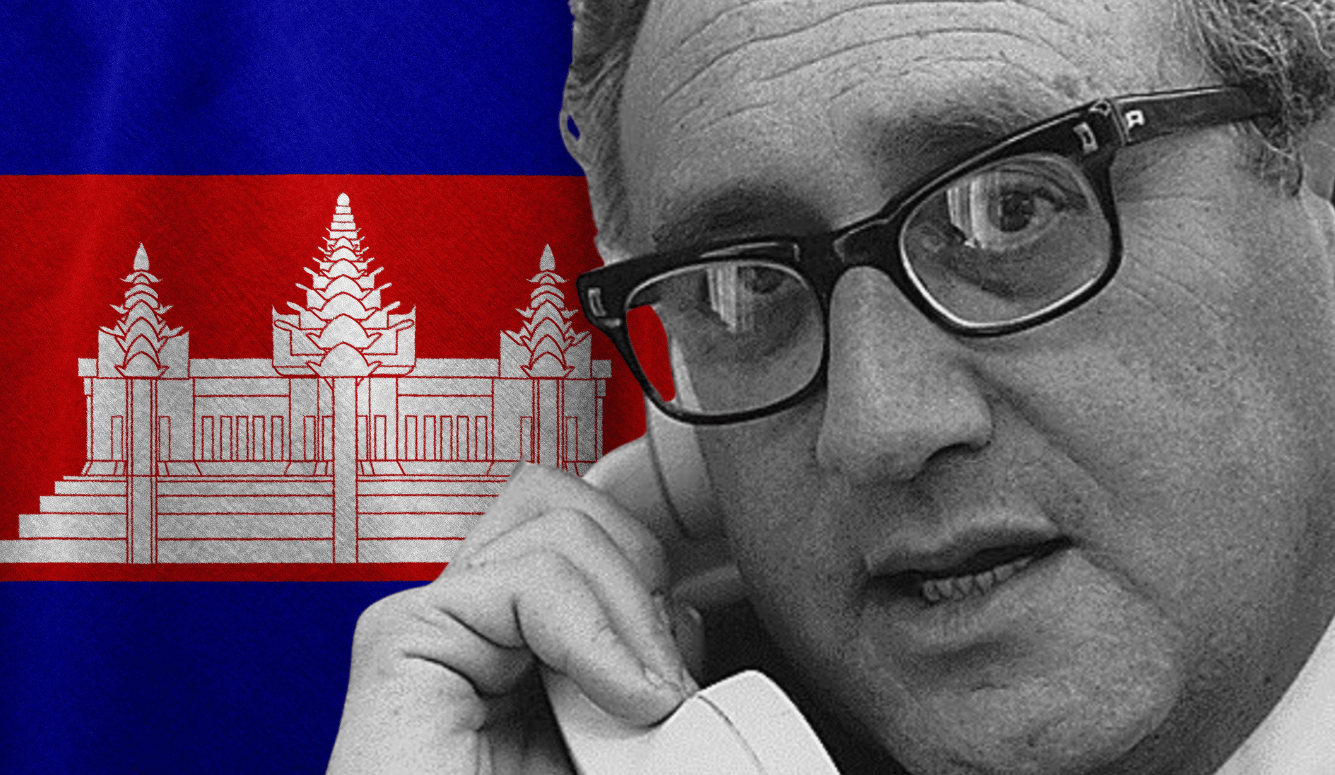
Henry Kissinger’s policies influenced Cambodia’s fate, but they alone did not cause the rise of the Khmer Rouge.

Forensic anthropologist and former U.S. Marine Julian McBride joins Quillette Cetera host Zoe Booth in a discussion about the war in Gaza.
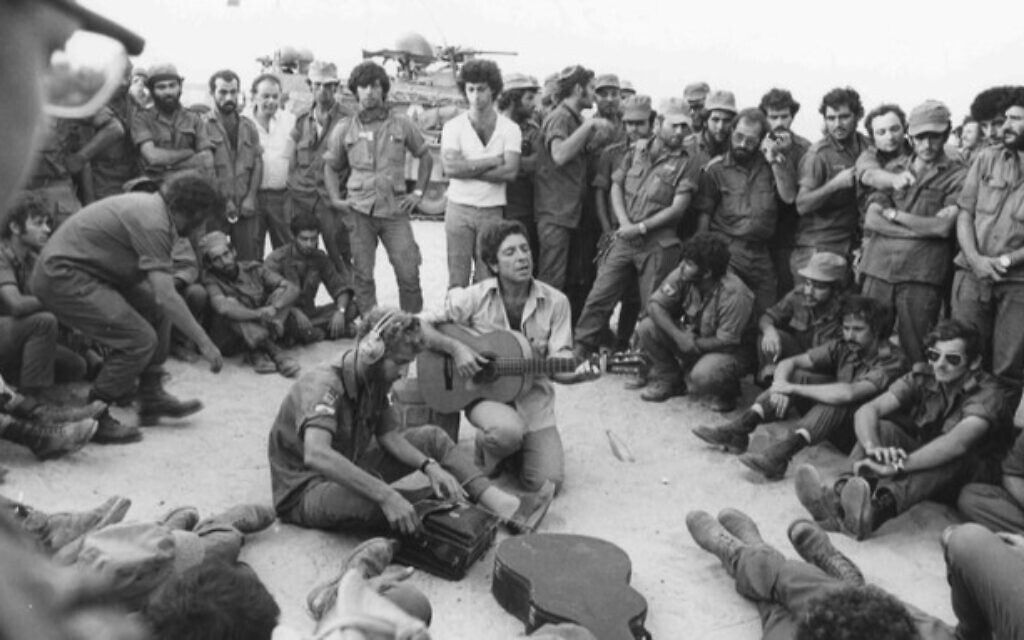
Leonard Cohen’s visit to Israel in its darkest hour.
The Ukrainian war has made Manning’s writing more relevant now than at any time since it was written.
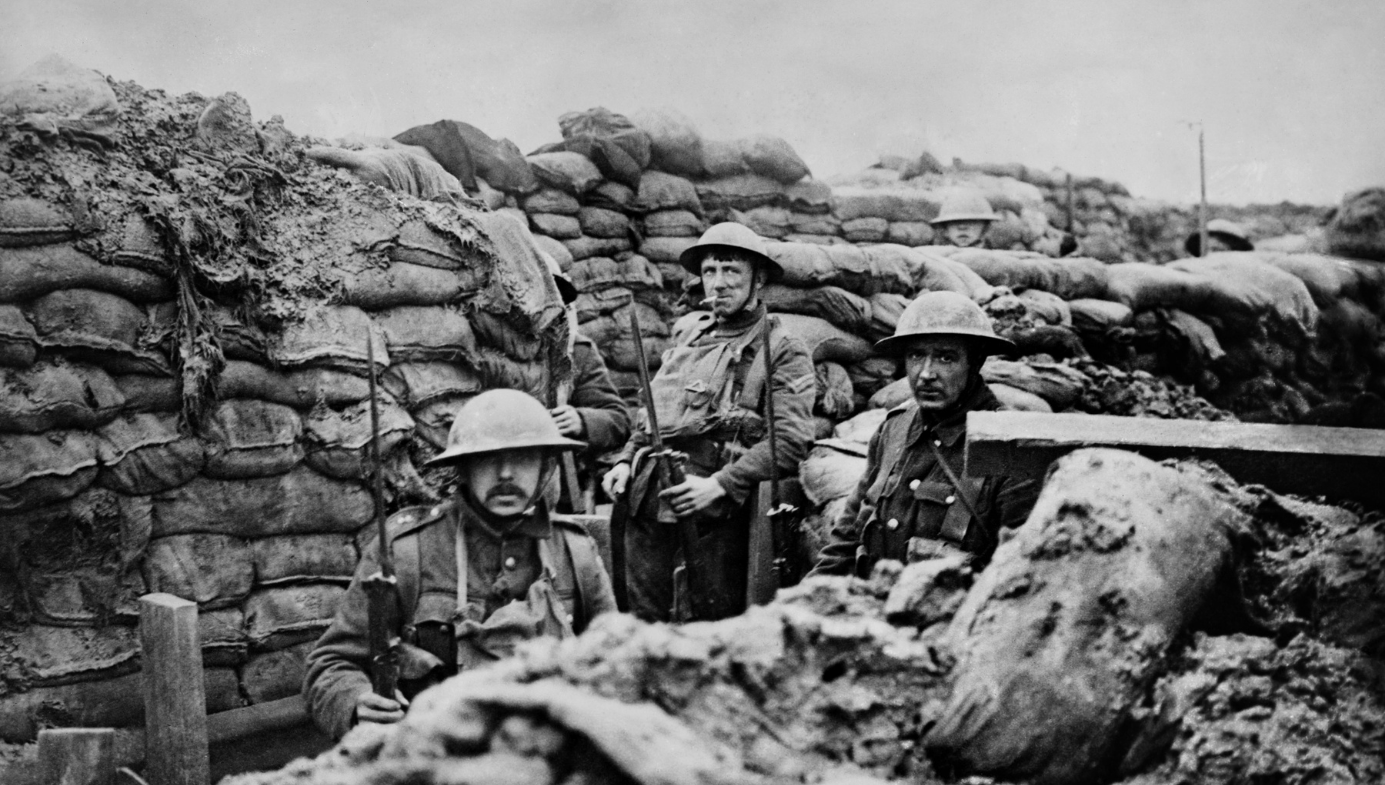
Among literary forms, war poetry is unusual for having enjoyed a universally acknowledged and tightly defined golden age.
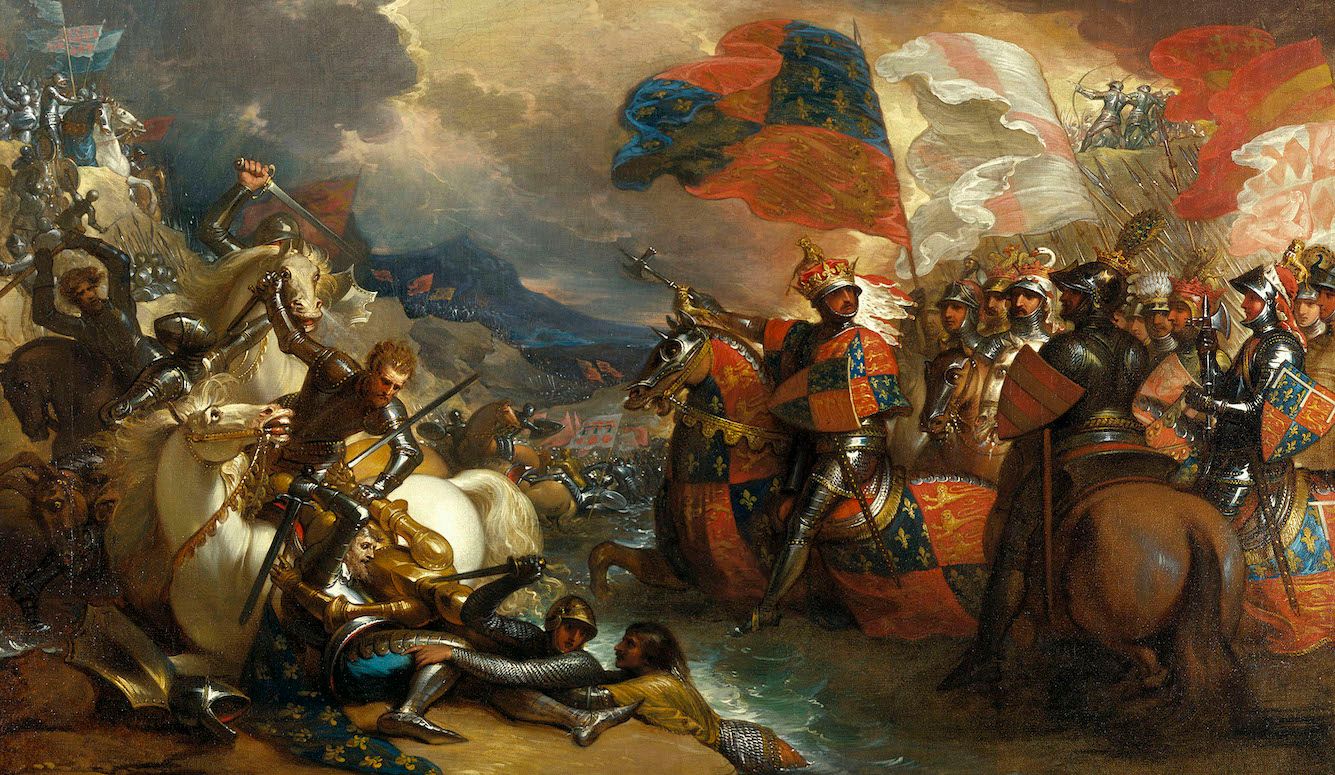
In 1338, the story has it, a notorious French exile named Robert of Artois strutted into the London palace of King Edward III, bearing a stuffed heron on a silver platter. “Clear the way, you miserable failures,” he said to the assembled lords. “I have a heron … the most cowardly
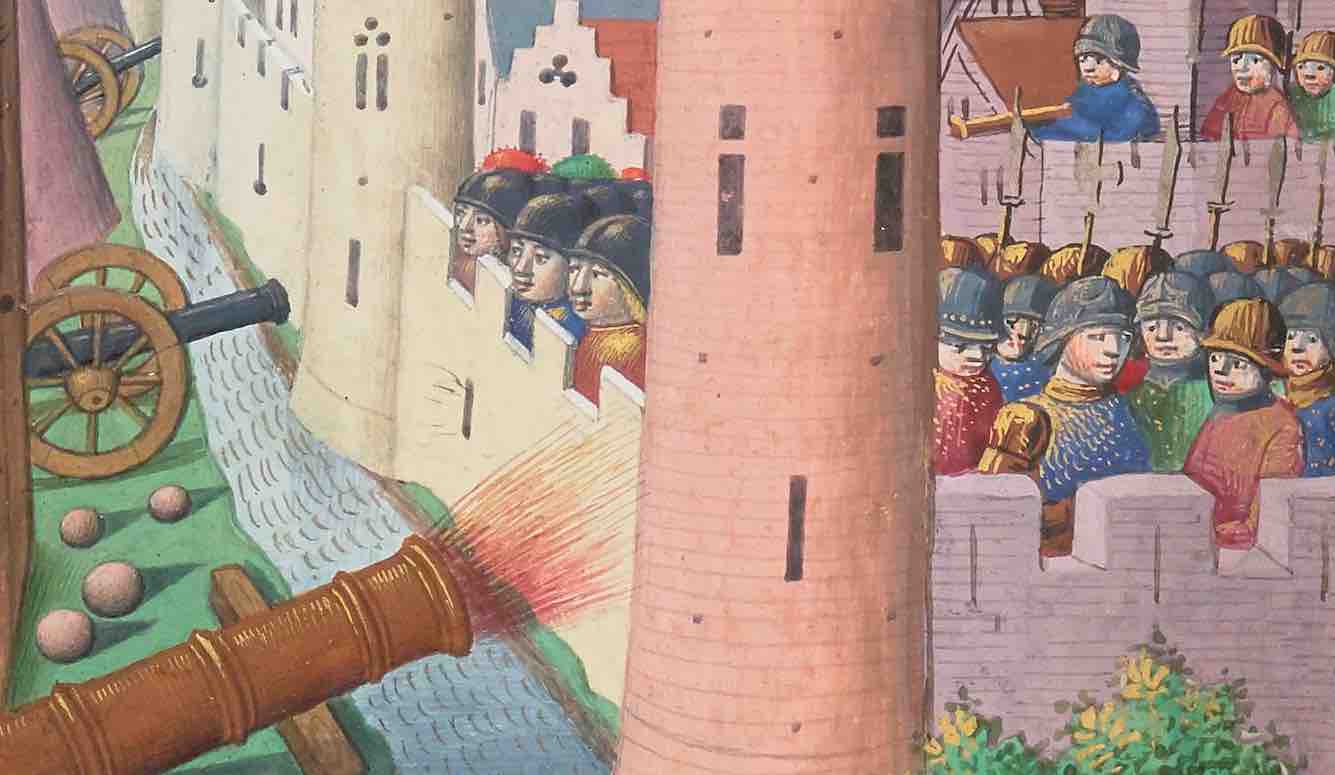
Philip the Bold, duke of Burgundy, was a warrior’s warrior. Hawk-nosed, ambitious, and brash, Philip had been a soldier since childhood. He was still a smooth-faced boy of 14 when he fought alongside his father, King John II of France, in the battle of Poitiers in 1356.

Many Finnish soldiers felt pity for their opponents, prodded into battle by merciless commissars.
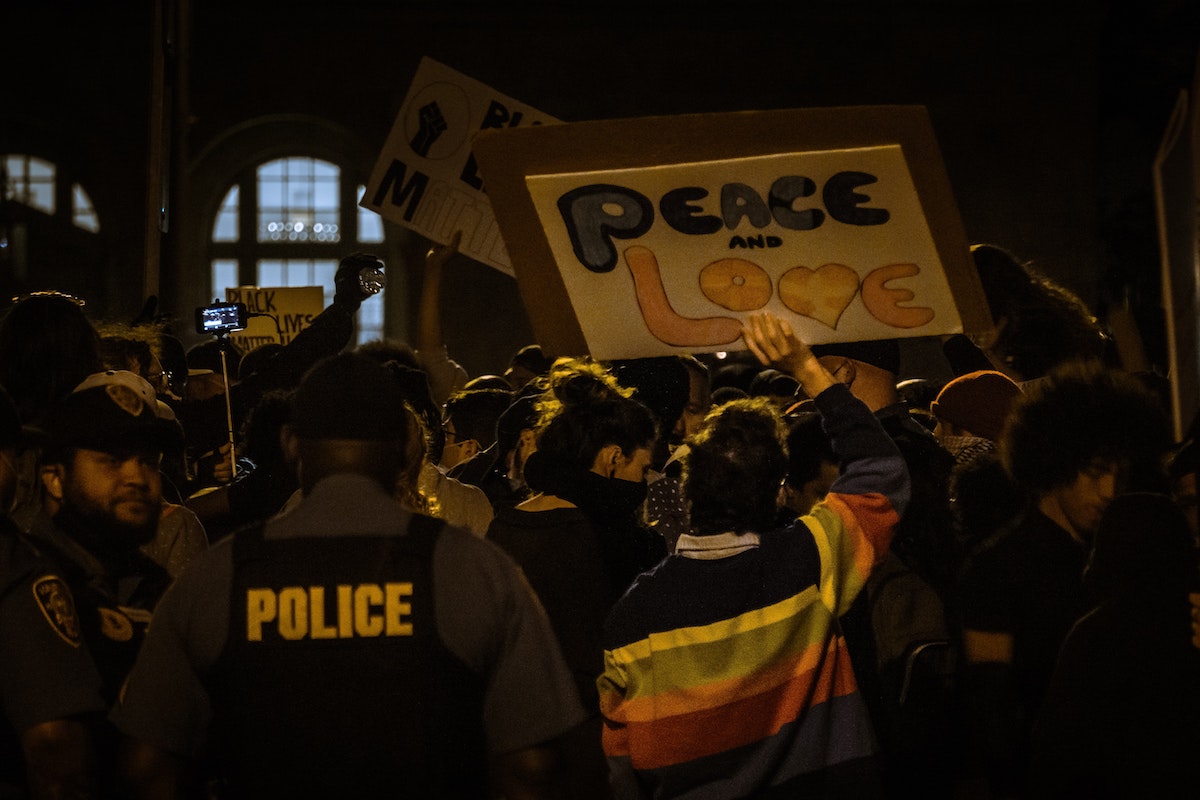
Published in 1841, Mackay’s Extraordinary Popular Delusions and the Madness of Crowds is as amusing a survey of human folly as has ever been written.
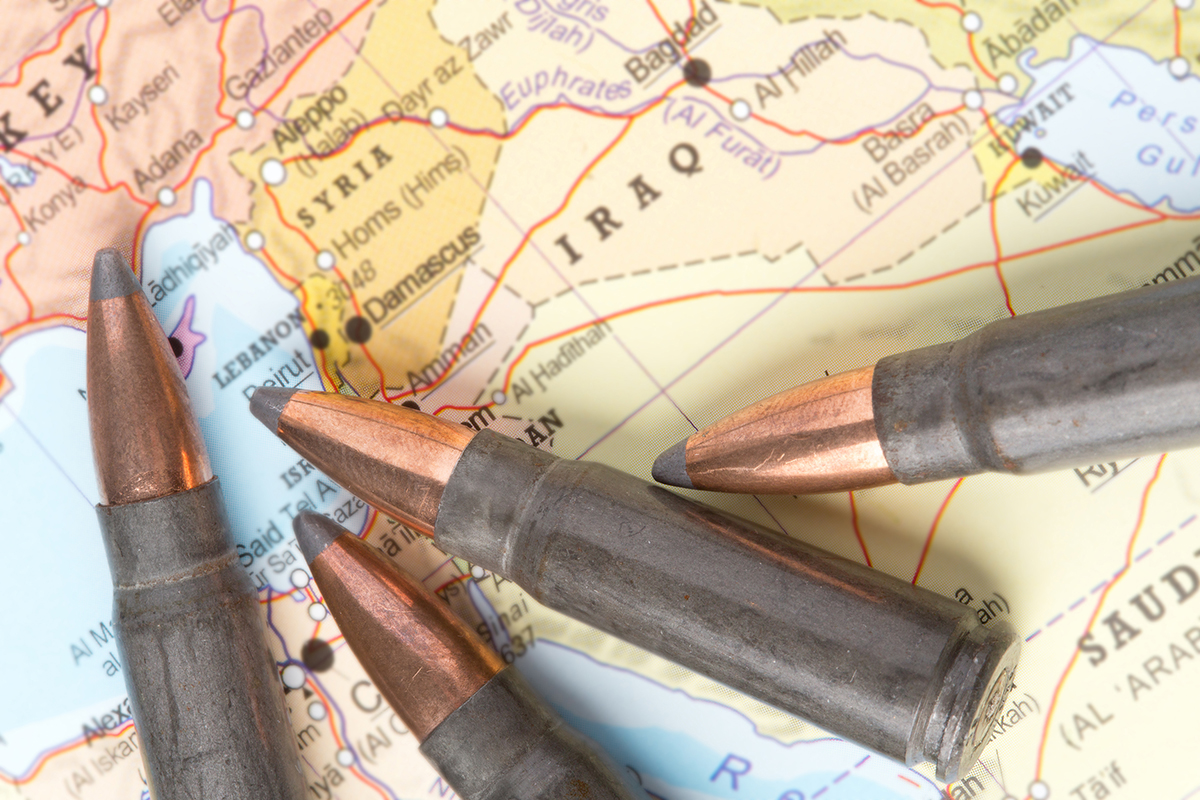
American oil companies didn’t want to topple Saddam Hussein; they wanted to trade with him.