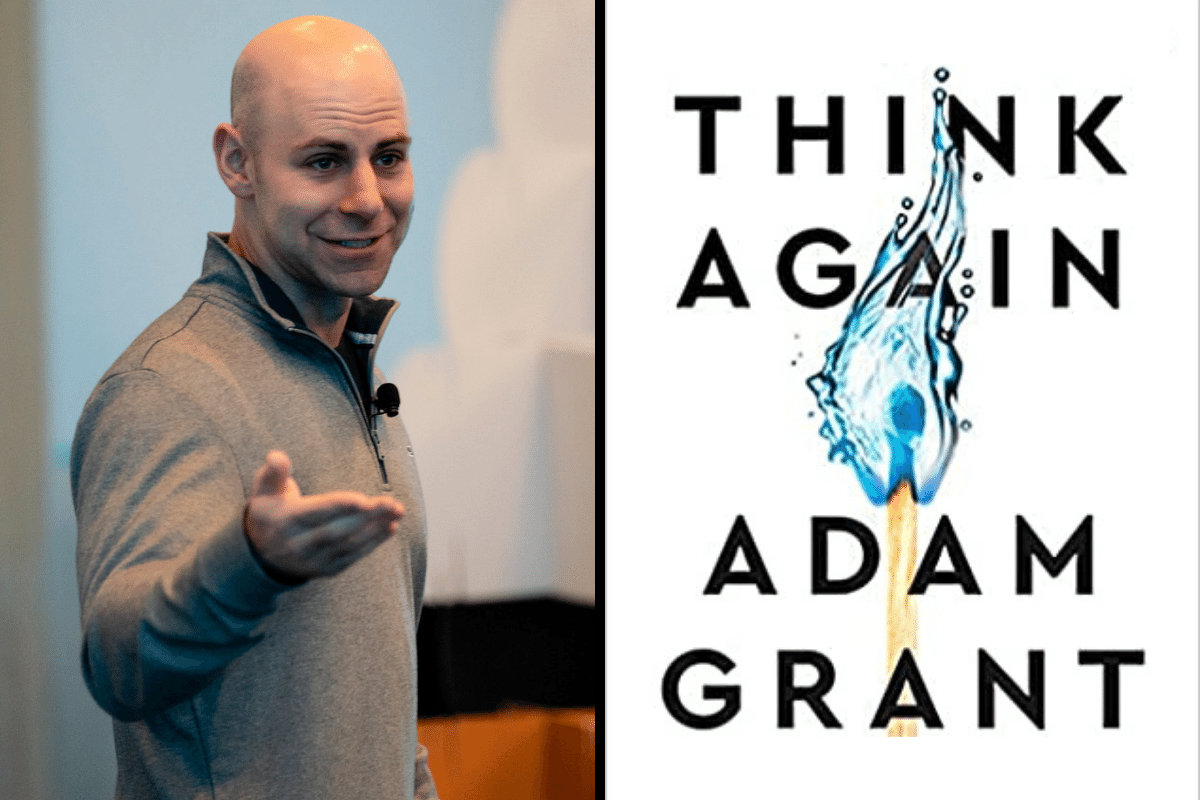
Six Great Ideas from Adam Grant's 'Think Again'
Westerners have been reading the works of Aristotle for more than 2,000 years, and his ideas even animated the Islamic Golden Age.
Jon Hersey
· 12 min read
A collection of 1267 posts
Westerners have been reading the works of Aristotle for more than 2,000 years, and his ideas even animated the Islamic Golden Age.

There is nothing wrong with elevating anti-racism in one’s own life. But there is something wrong with imposing one’s moral reality upon total strangers.
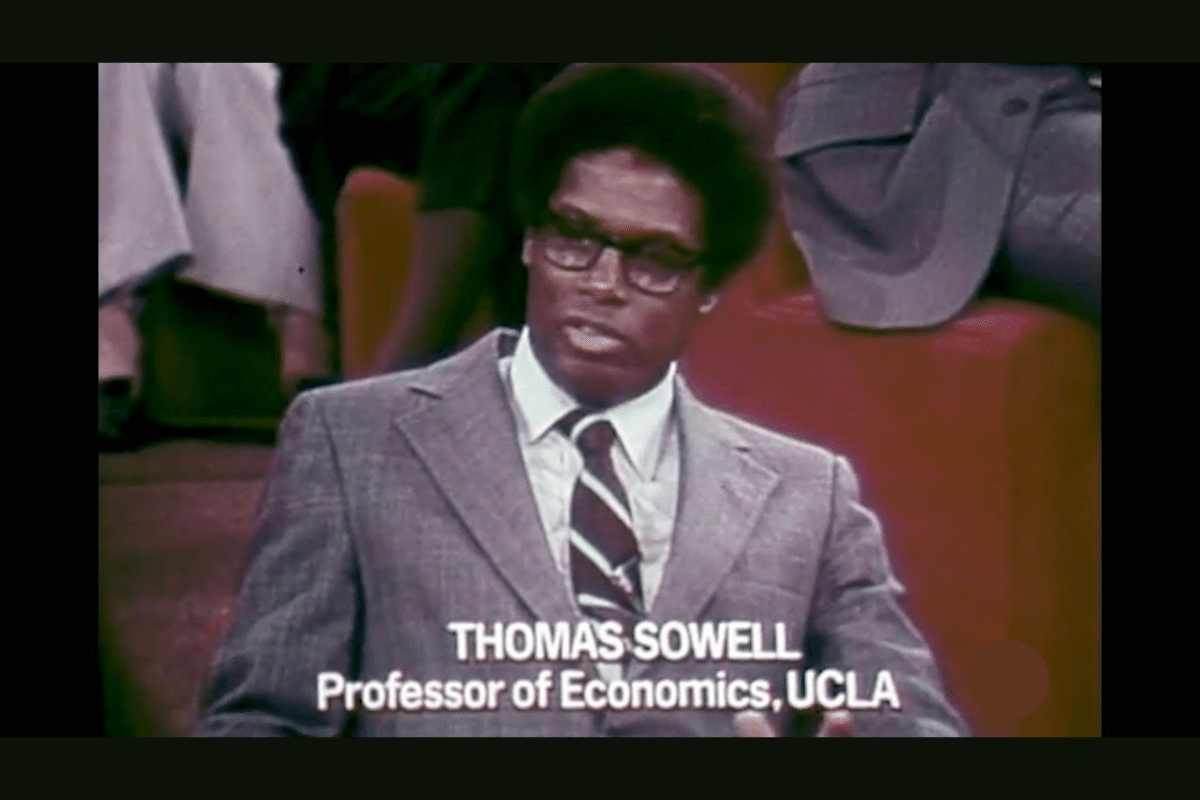
A bright student with a tumultuous home life, Sowell was admitted to one of New York’s most competitive high schools but dropped out at age 16.

There is now a growing international movement of men and women dedicated to resisting the anti-masculinity narrative.
The right to free speech includes speech that might offend, shock, or disturb. And it includes not only the right to express such speech but also the right to receive it.
Lived experiences are often vividly used by progressive activists as evidence of widespread injustice, accompanied with a call for action and social change.

The reason Kaufmann has been targeted is simply that he departs from woke ideology on issues like race, immigration and freedom of speech.

Negative stereotypes about psychedelics are undergoing a reassessment.

Liberals have abandoned history, because they have to believe they are superior to both elites of the past and the contemporary working class, at the same time.

Under this policy, declaring one’s pronouns is required when people introduce themselves in court whether they present in keeping with their biological sex or not.

Two such orientations are heterosexuality and homosexuality. They are defined in terms of specific patterns of attraction.
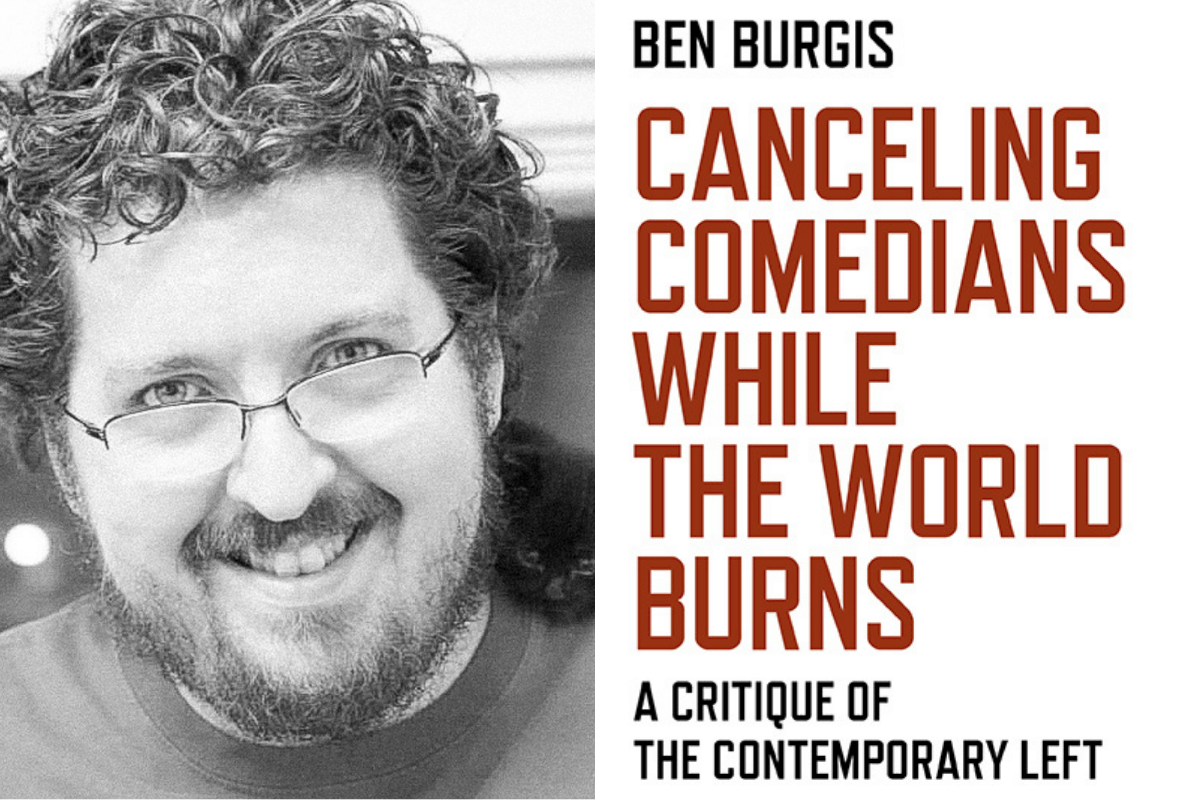
“Cancel culture” remains a contested term, and the chapter devoted to this phenomenon will probably attract the most discussion and controversy.

Most critics have instead based their criticism on the demonstrably false accusation that the report “denied the existence of institutional racism in the UK.”
Post-colonial guilt in Britain and other formerly imperial Western powers can produce similar displays of self-flagellation and denial.

This overreach of public health also bleeds into the educational sector, where schooling is yet another SDOH requiring intervention.