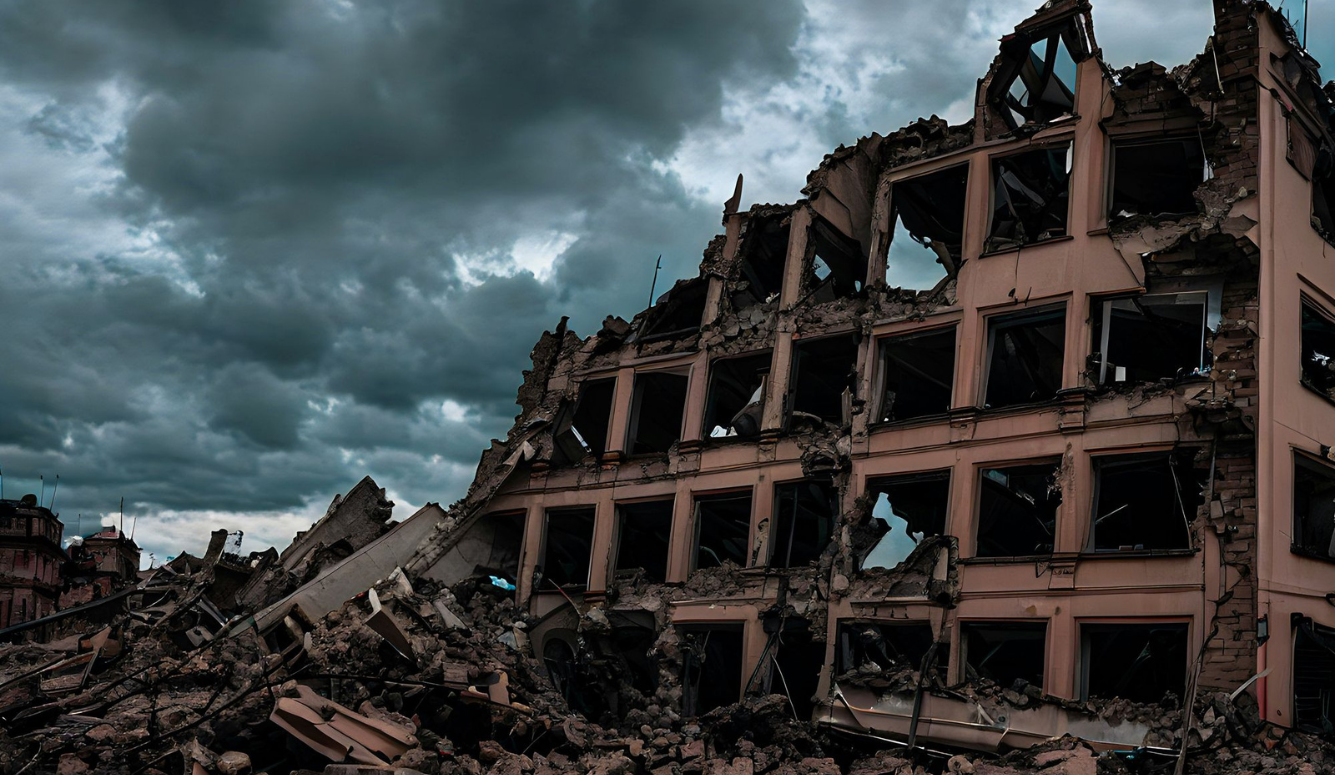
Unrealistic Realism on Ukraine
Moral relativism, and its equally dubious corollary of moral equivalence, too often mars contemporary Realists’ conceptions of political realities.
Borys M. Kowalsky
· 13 min read
A collection of 85 posts
Moral relativism, and its equally dubious corollary of moral equivalence, too often mars contemporary Realists’ conceptions of political realities.
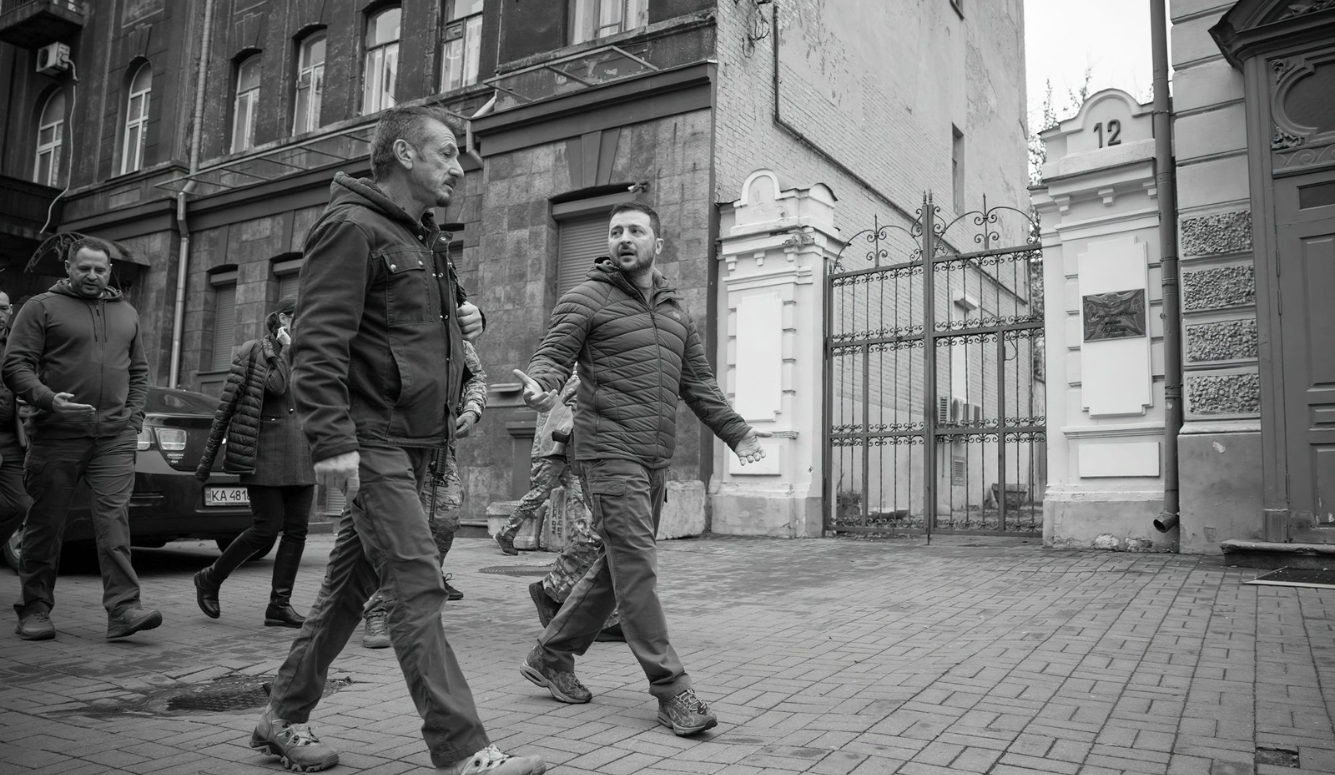
Sean Penn’s surprising new documentary explores “extreme history” in war-torn Ukraine.
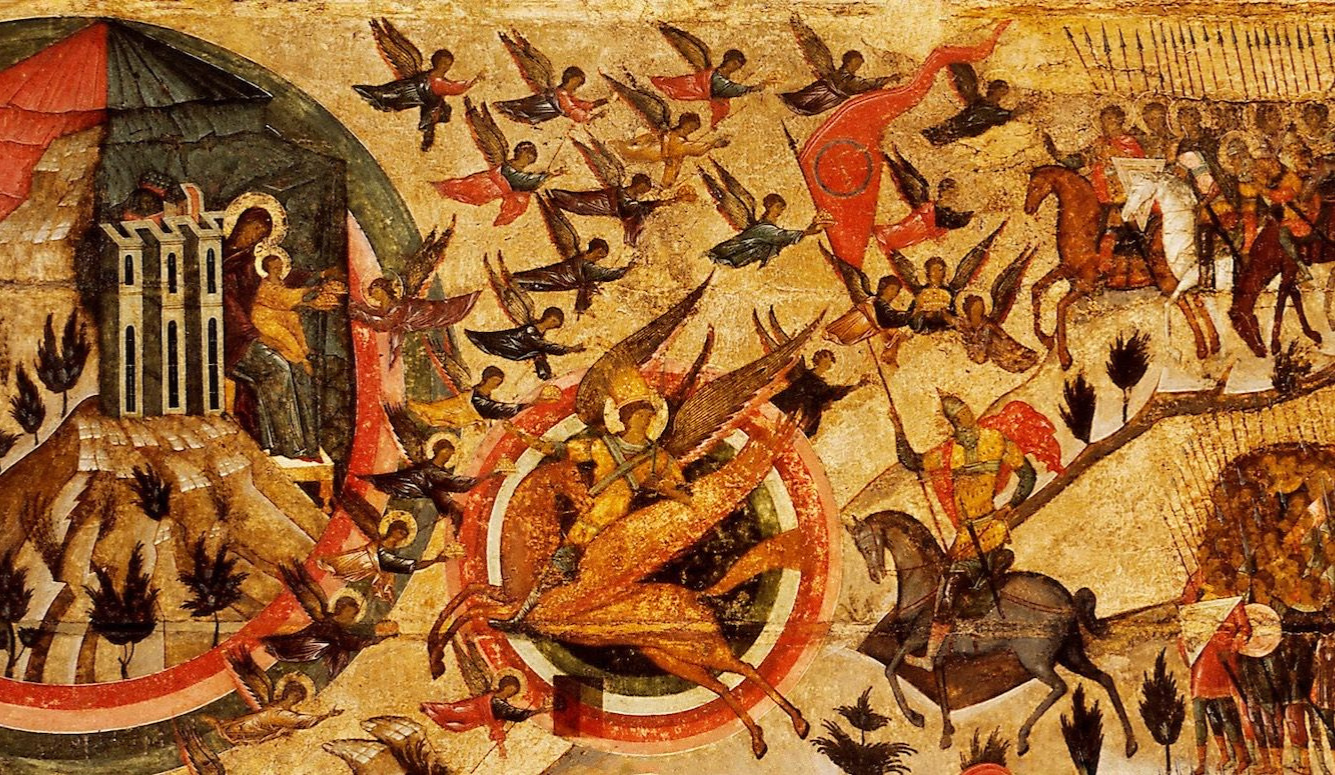
In a new book, the historian traces modern Russian aggression to an apocalyptic mythology rooted deep in the nation’s past.
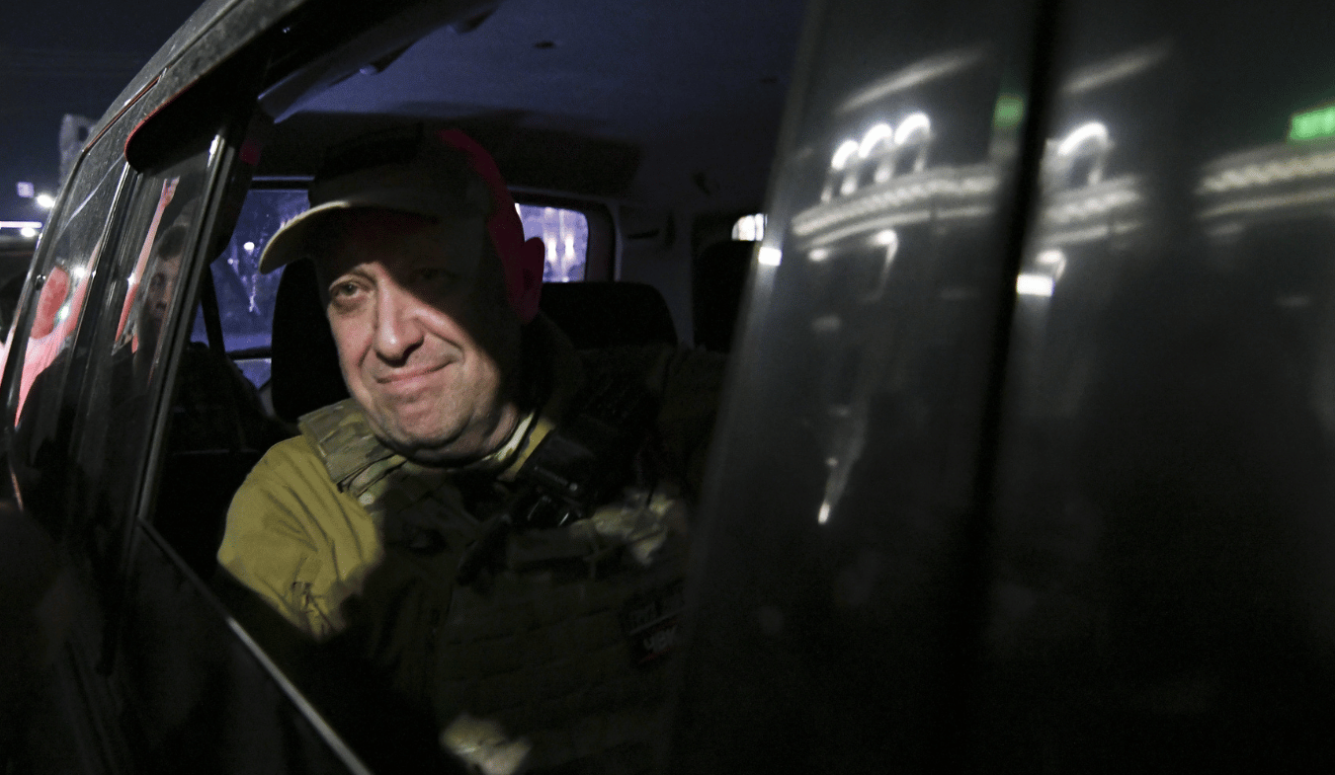
Prigozhin’s coup attempt raises a number of questions to which there are no reassuring answers.
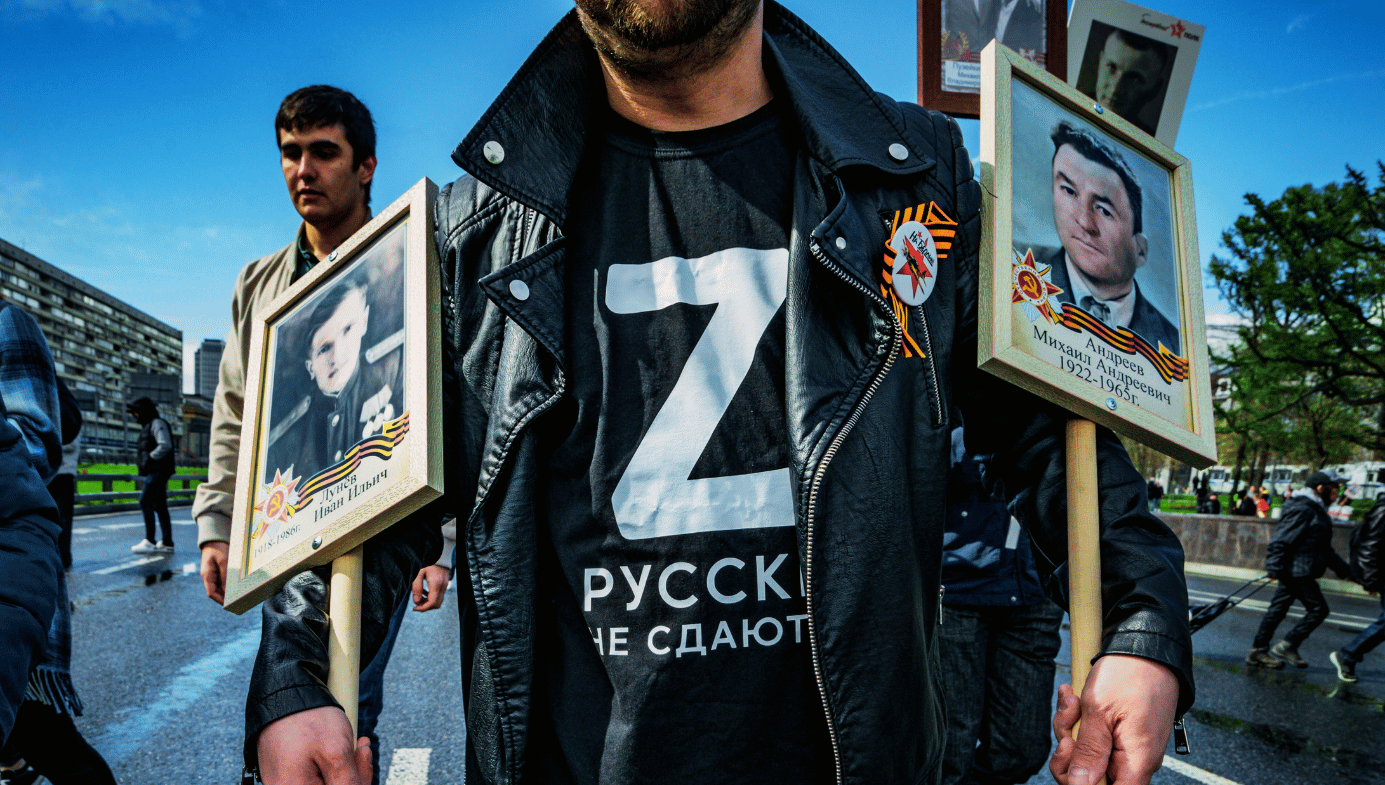
A new book by historian Ian Garner investigates how the war in Ukraine is transforming Russia into a fascist society.
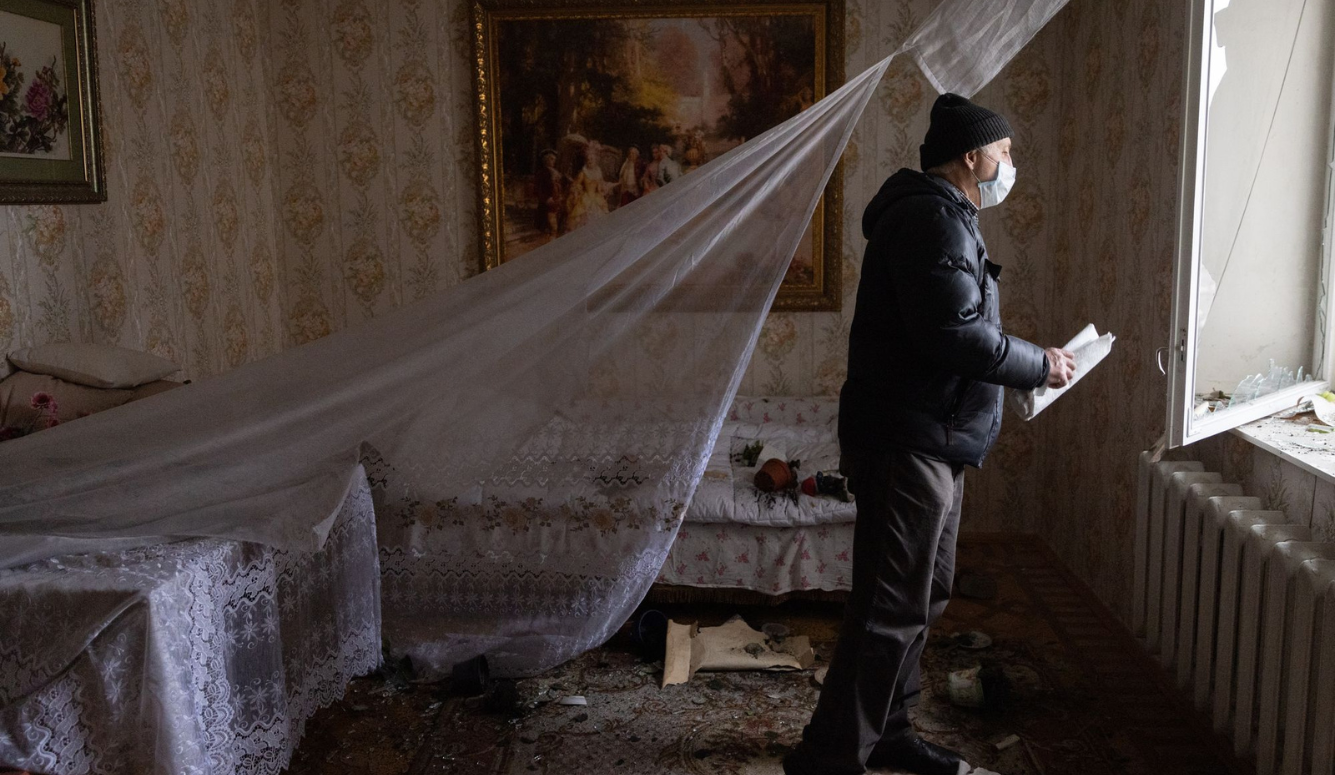
Ukraine has been instrumental in restoring a focus on what matters to the people and elected leaders of the West.
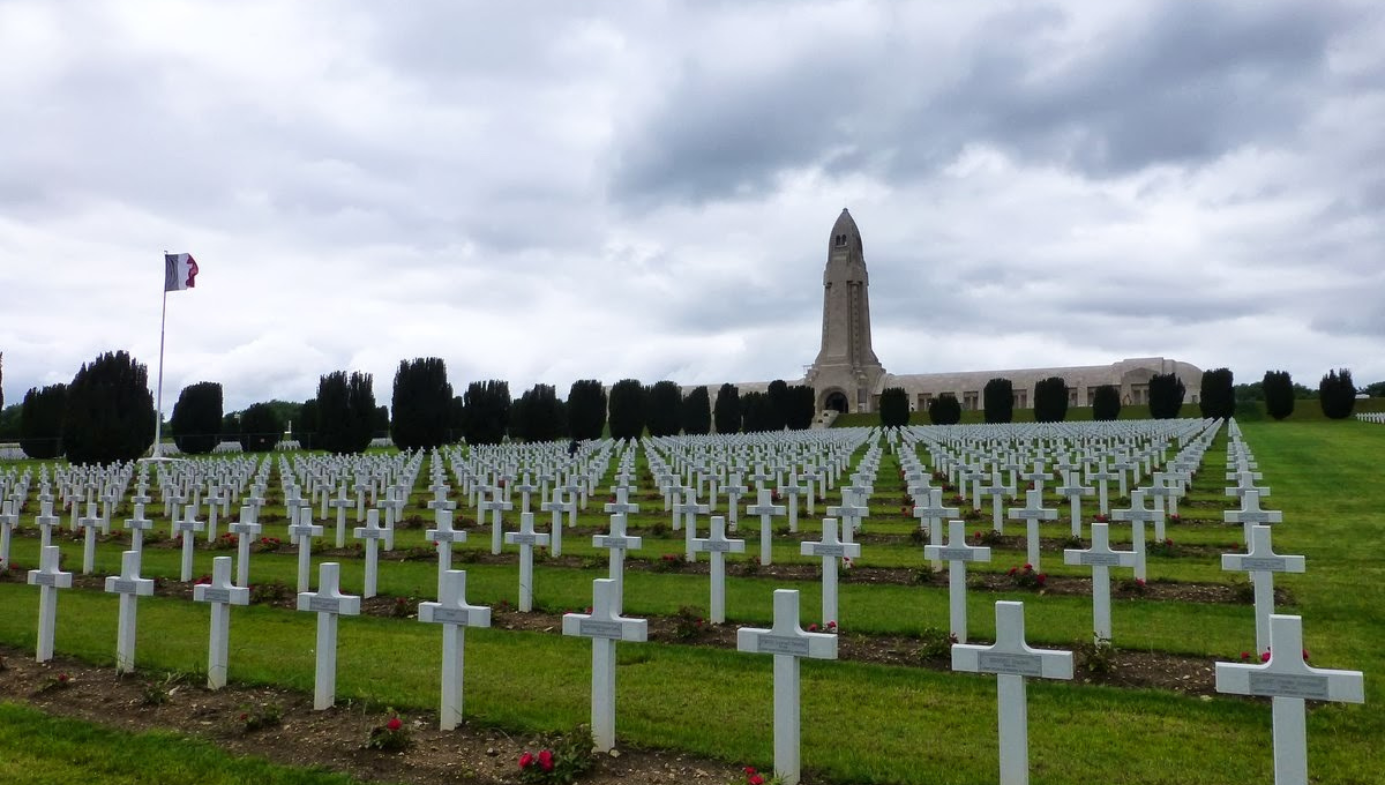
It is not just Western officials who worry that Zelensky’s determination to defend Bakhmut at all costs will cripple his army’s effectiveness.
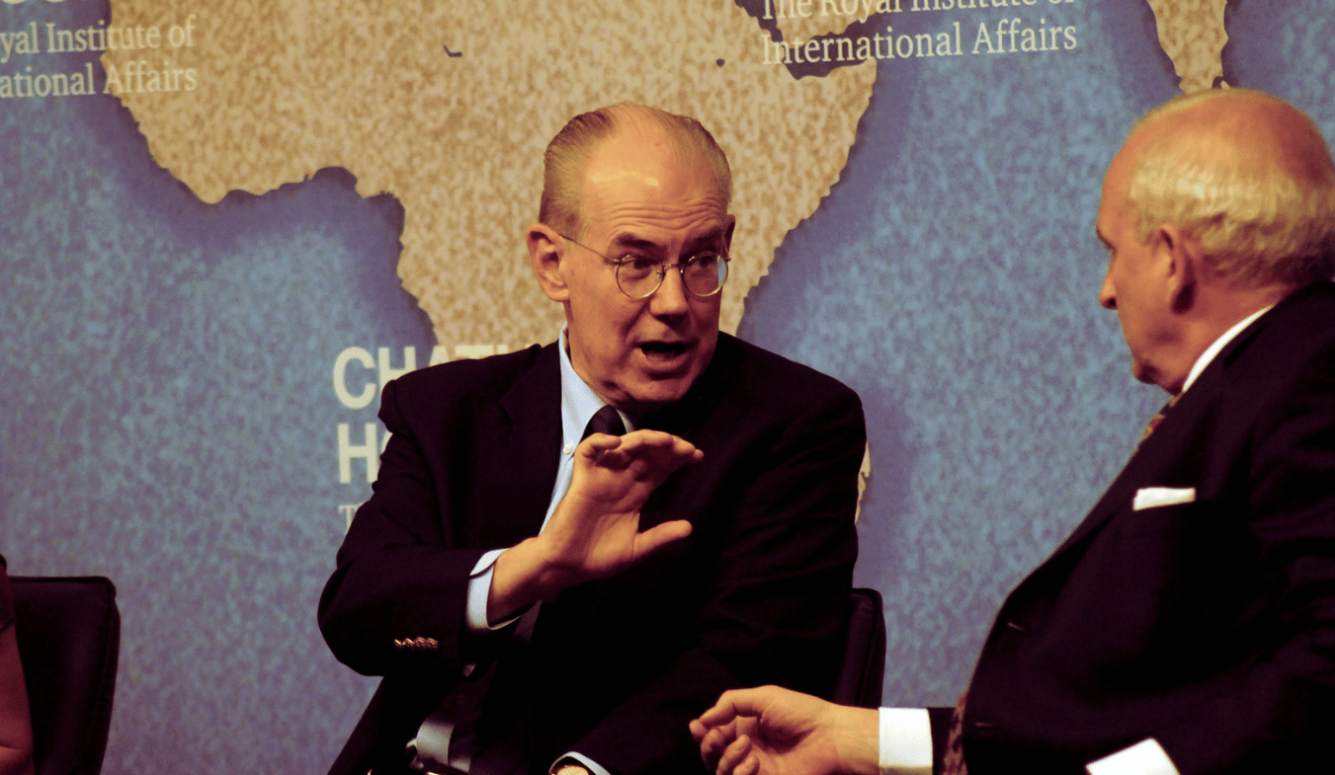
What John J. Mearsheimer gets wrong about Ukraine, international affairs, and much else besides.
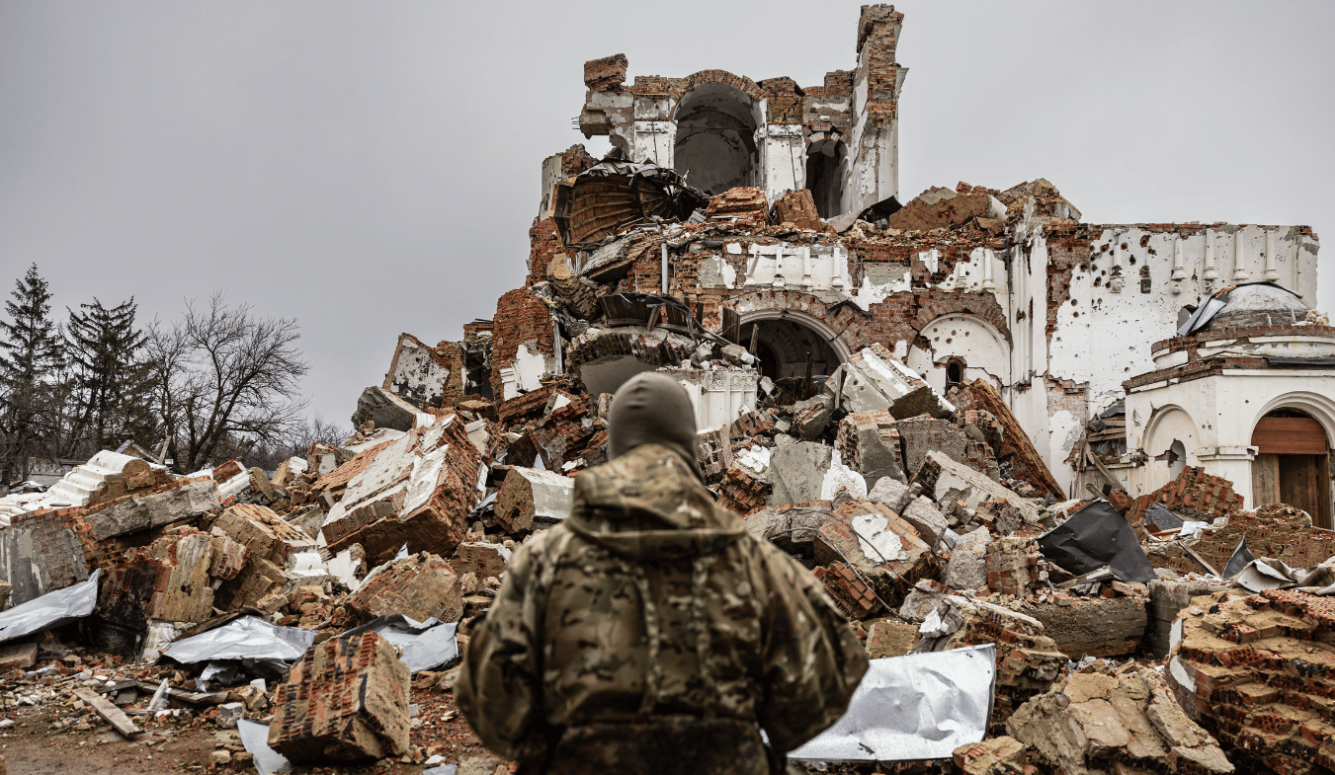
The idea that the war in Ukraine is not our business is seductive but dangerously mistaken.
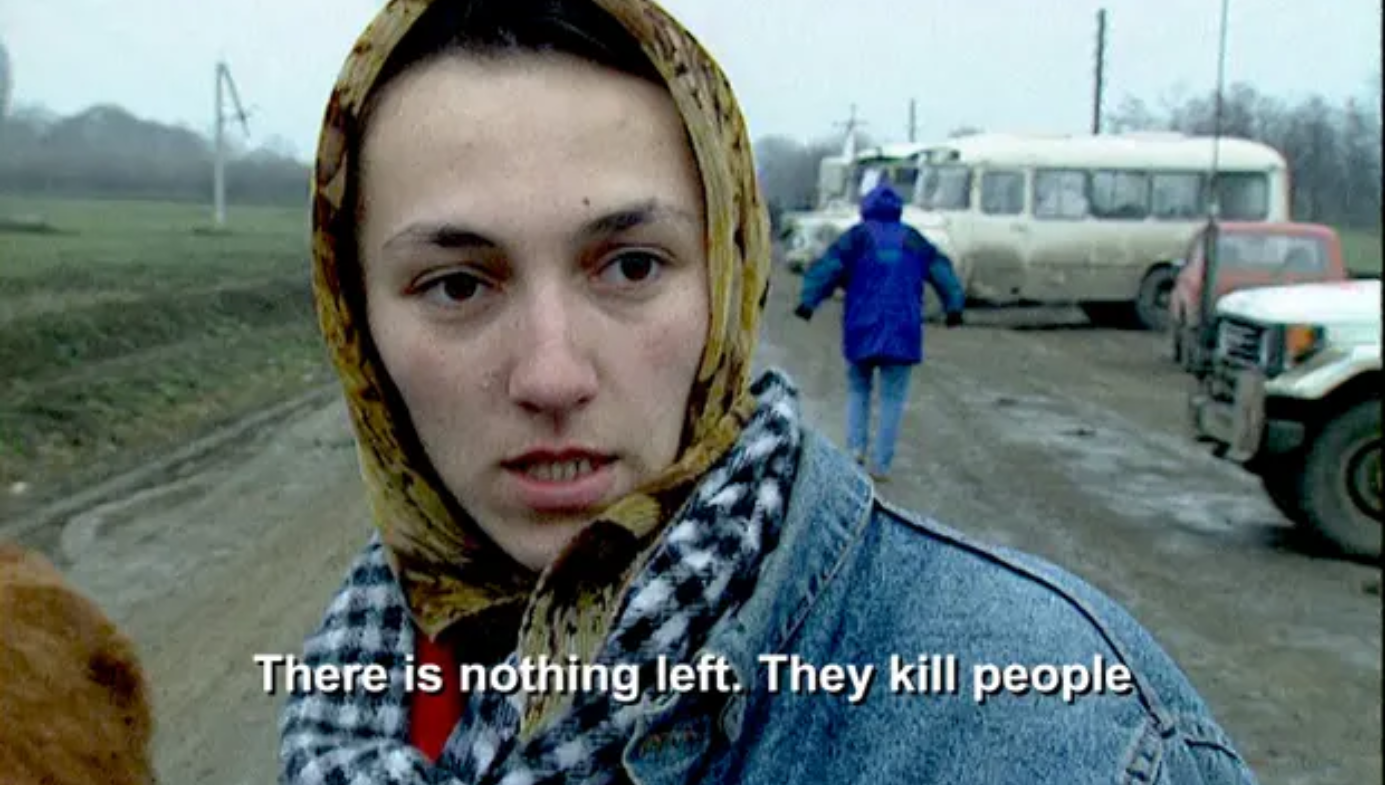
Adam Curtis’s new BBC series provides a unique insight into Russia’s late-twentieth-century collapse.
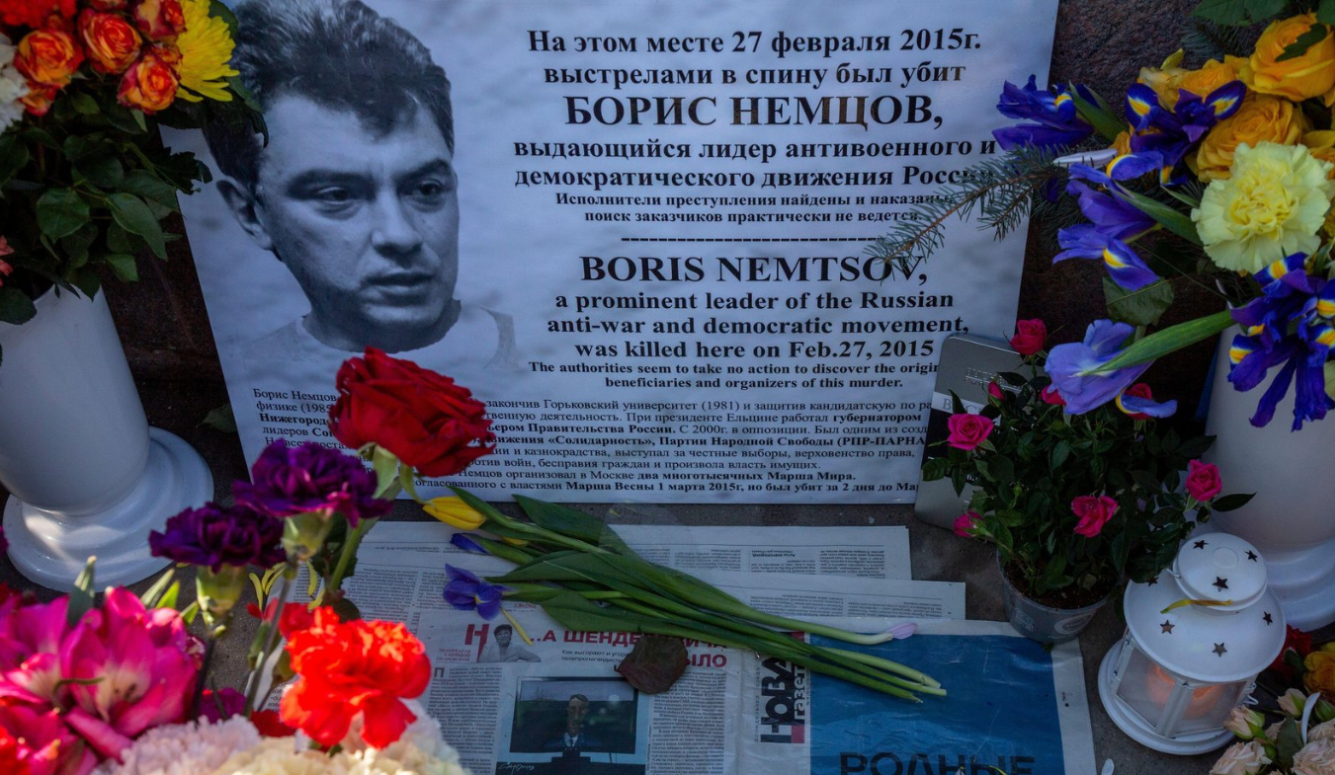
Mikhail Khodorkovsky’s new book offers a profile in courage.
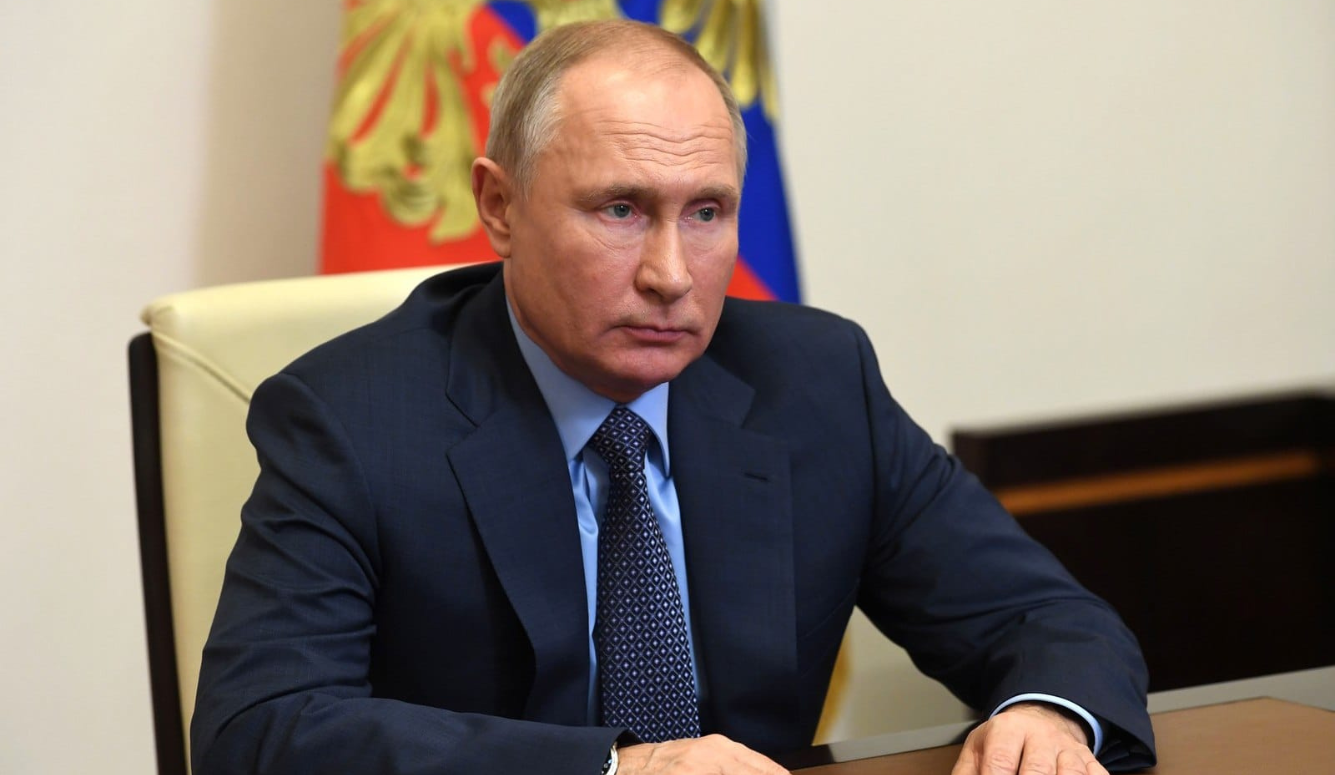
Putin is the offspring of a political culture based on insuperable adversity to democracy.
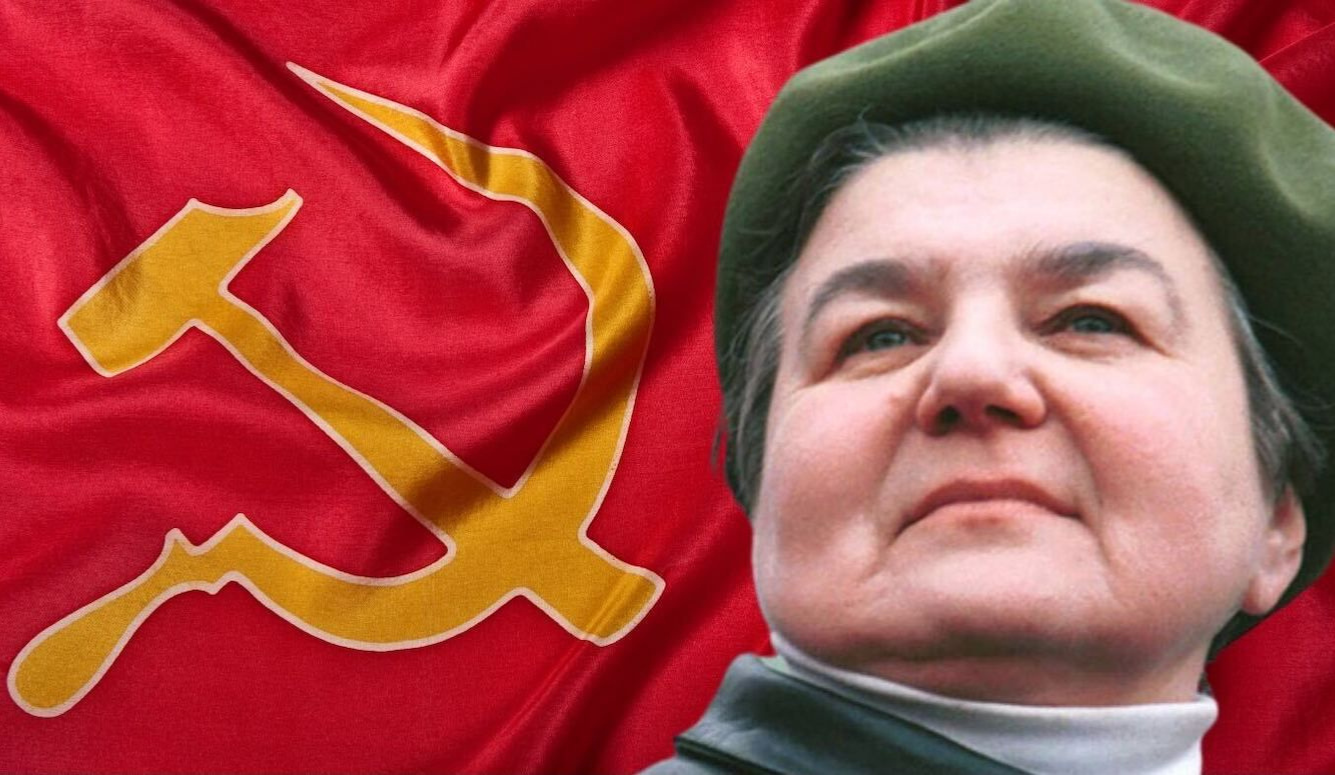
How an unknown teacher from Leningrad took on Soviet Premier Mikhail Gorbachev—and ultimately won.
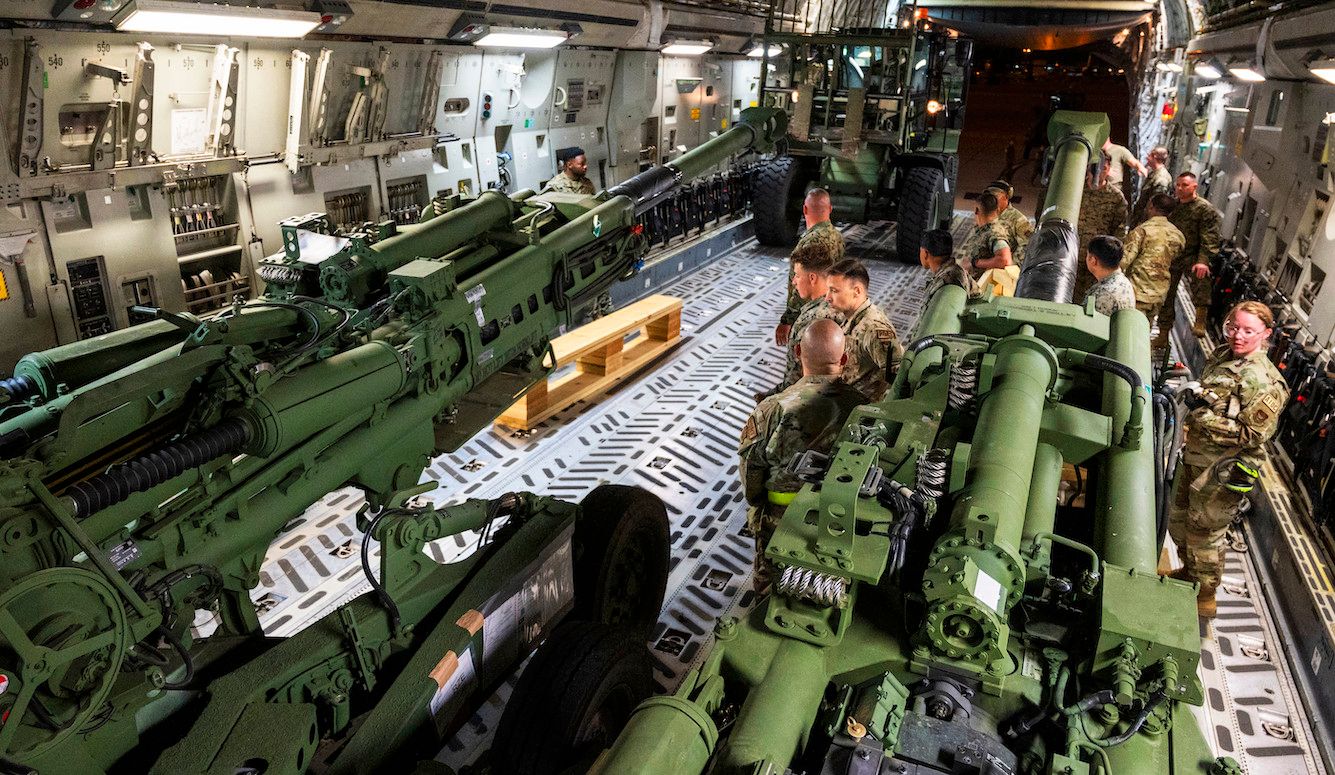
Putin’s Western apologists don’t reflect the usual conflict between Left and Right—but rather comprise an example of both poles making common cause against the center.
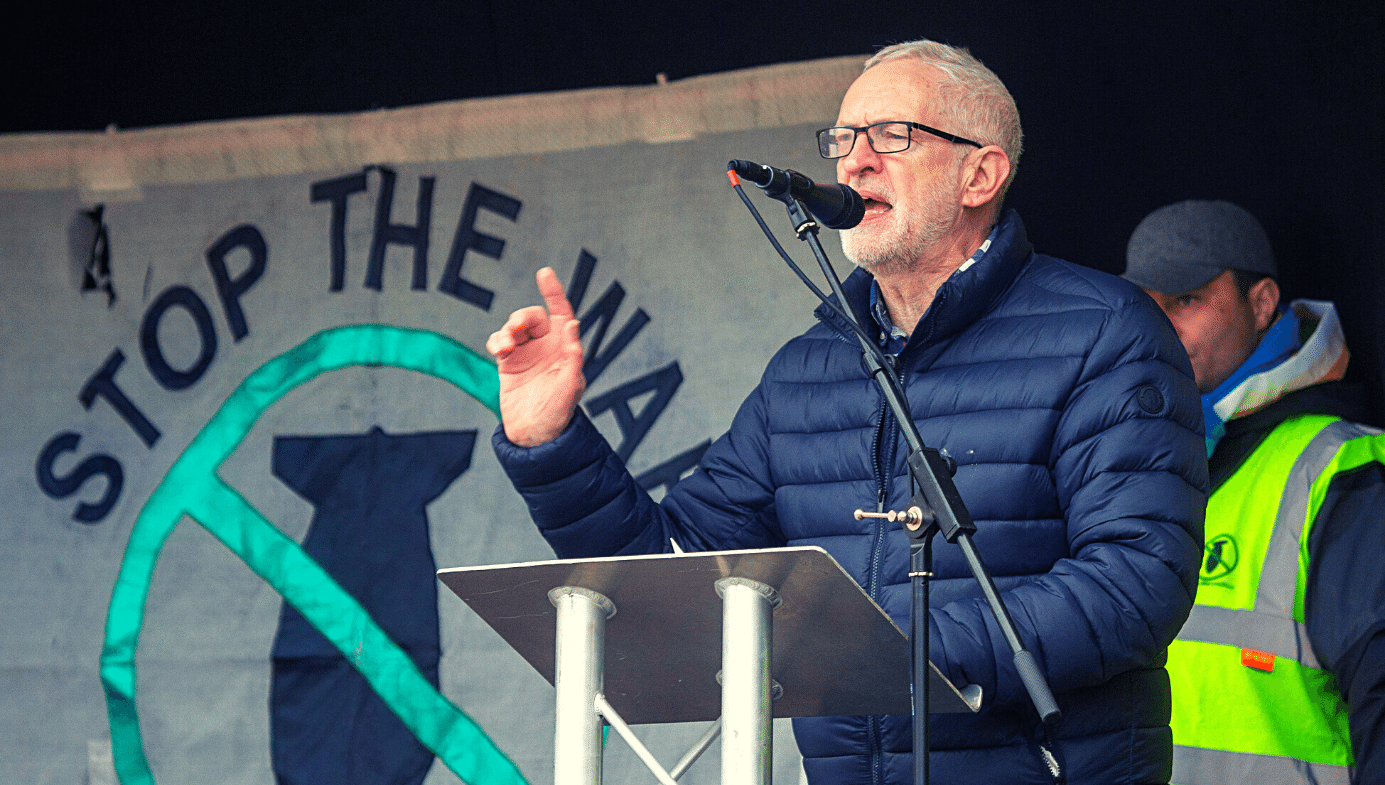
Vapid bromides about peace and negotiation are no substitute for policy and a frank acknowledgement of Russia’s responsibility for the conflict.