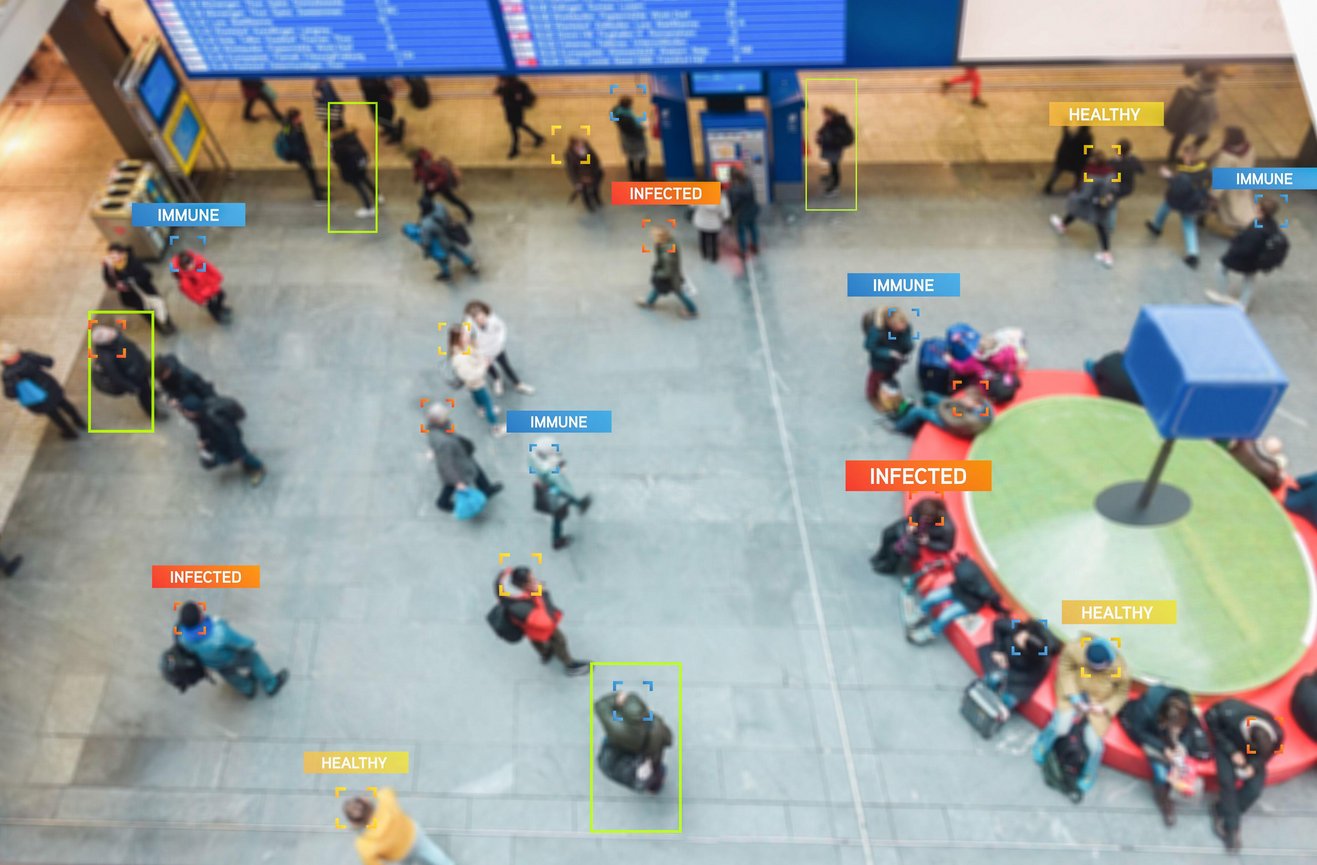
COVID-19 and the Normalization of Mass Surveillance
A culture war over privacy looms.
Alex Gladstein
· 10 min read
A collection of 743 posts
A culture war over privacy looms.
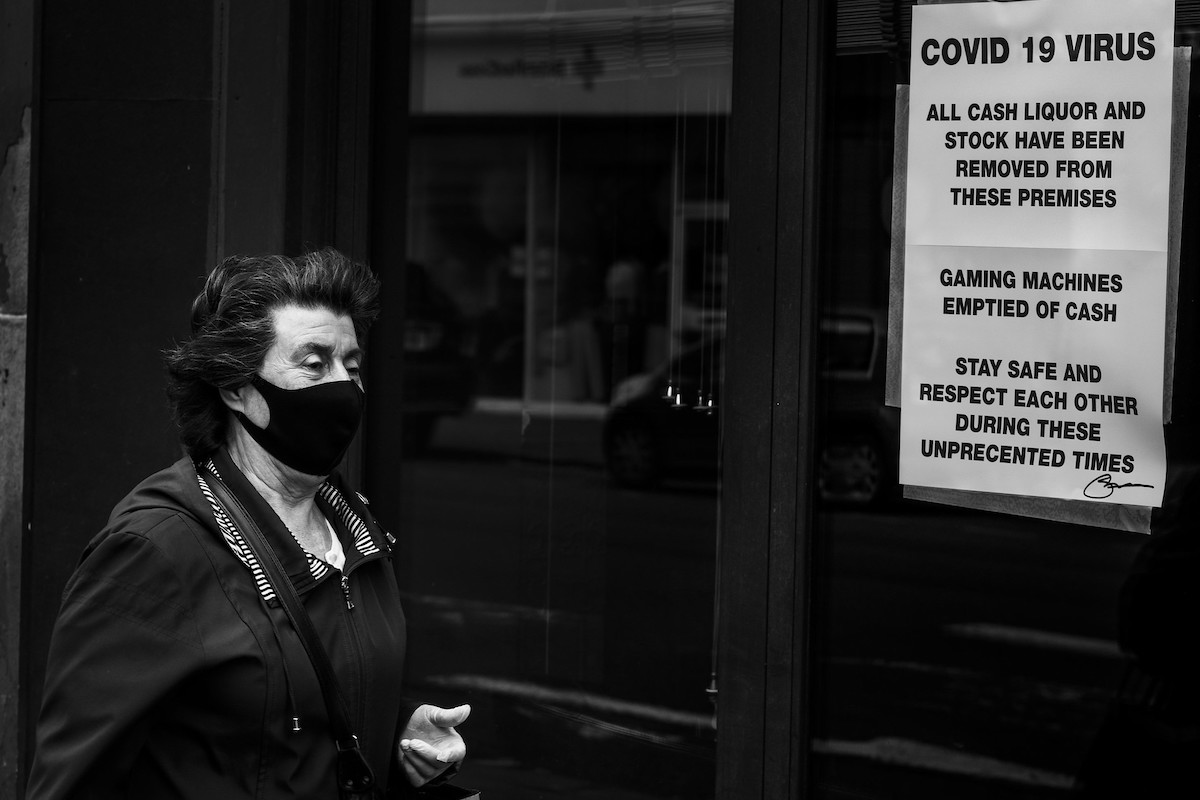
It’s been fuelled, on both sides, by the presumption that government decrees work as a sort of magic wand that will bring our economies (and perhaps the most acute phase of the pandemic) back to life.
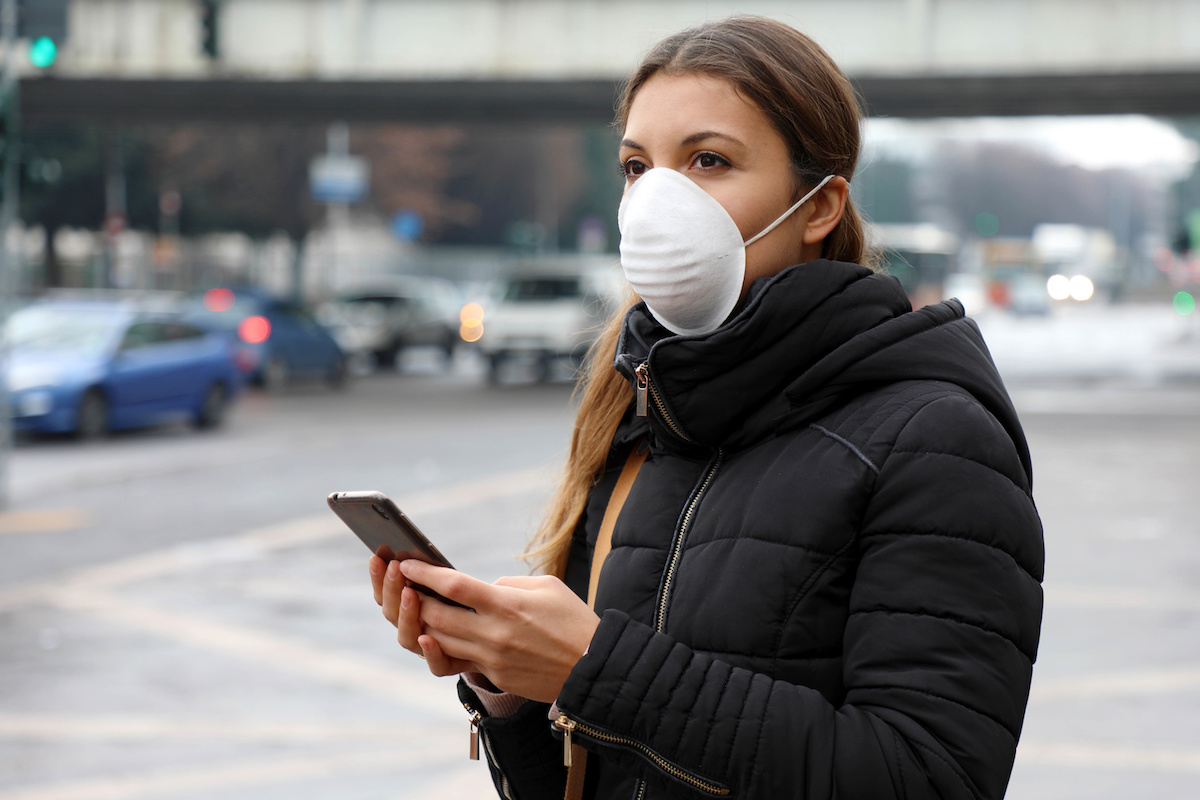
Given a choice between closing the mall to everyone or opening it and refusing entry to a few with an alert on their app, which is better?
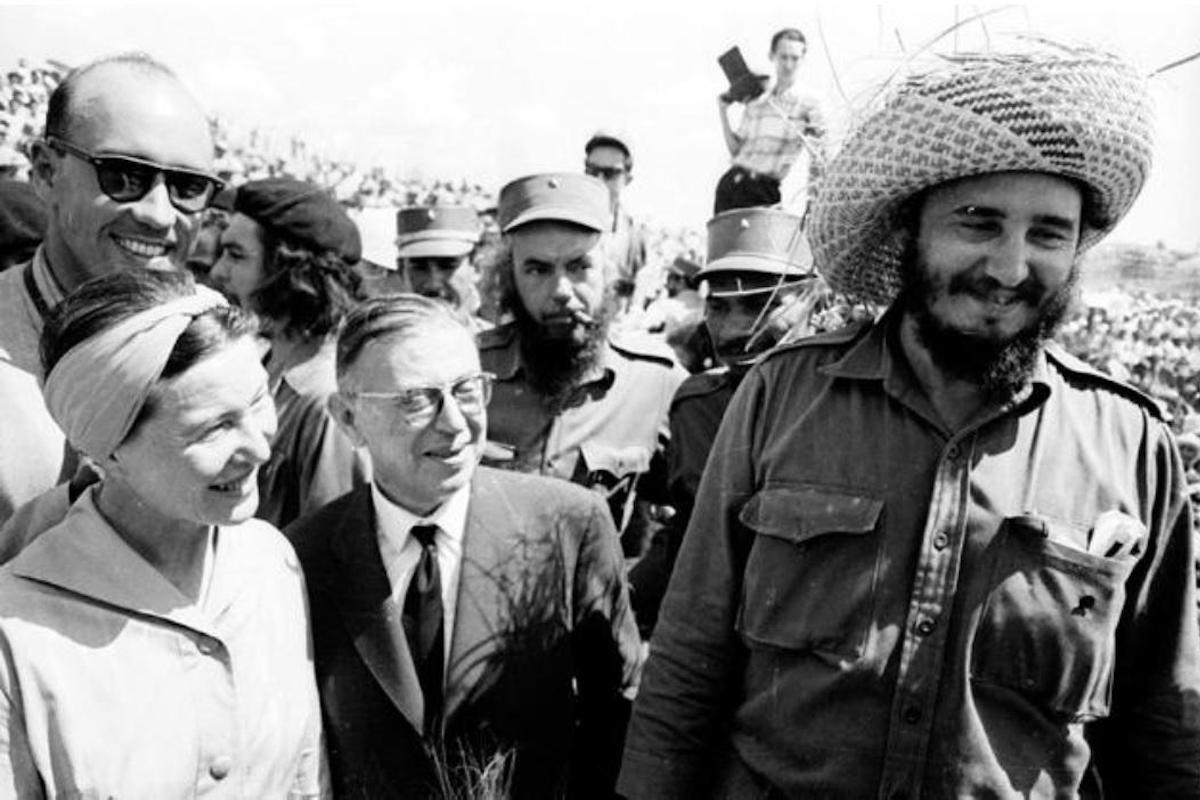
But Sanders’ position is exceptional in that it flies in the face of both mainstream Democrats and Republicans, including even fellow progressive leftist Elizabeth Warren.

The offenders include rich countries like the United States and Japan, vast countries like Indonesia and India, communist countries like China and Vietnam, theocracies like Iran and Saudi Arabia, oligarchies like Russia and Nigeria, social democracies like Germany and France.

Greek Prime Minister Kyriakos Mitsotakis tweeted on Sunday. “The borders of Greece are the external borders of Europe. We will protect them.”
Material benefits can always be translated into political power because the political world has always been interwoven with the cultural world.
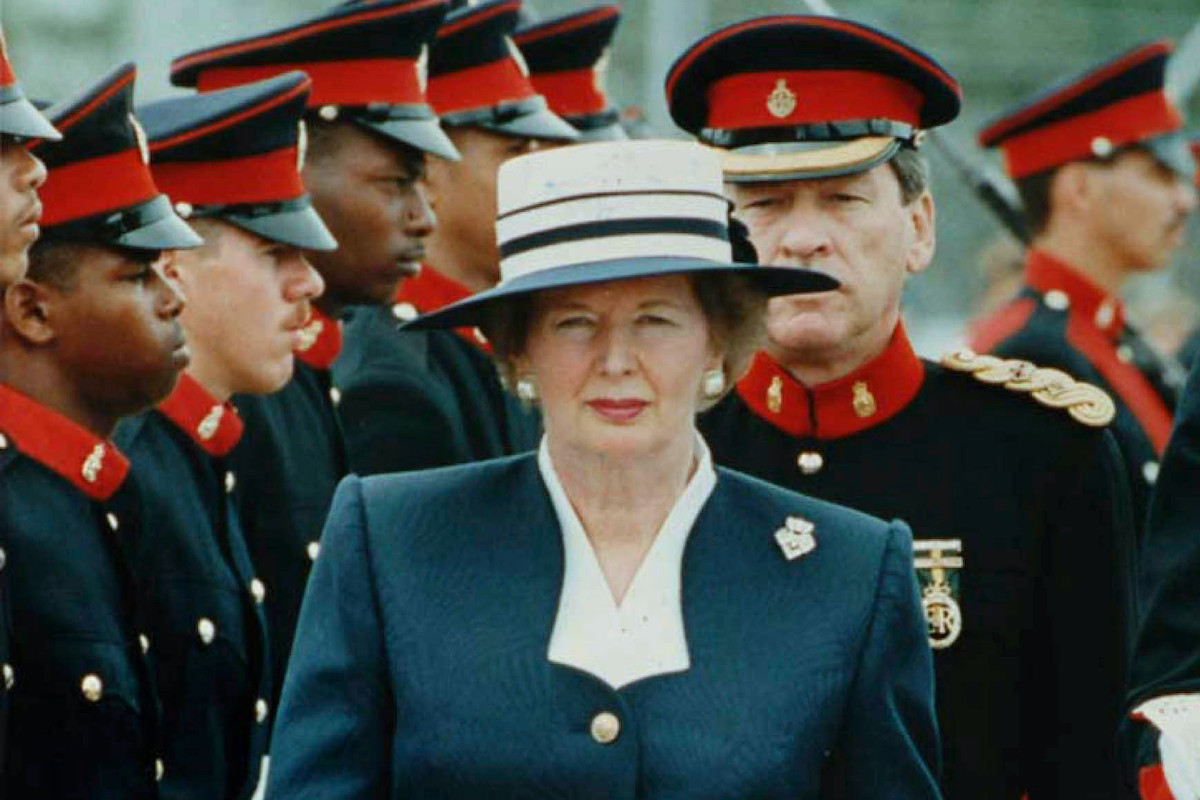
She believed that Europe should not be a centralizing power that incubated supranational institutions—particularly as this model of centralization was just then in the throes of spectacular failure within the Soviet Union.
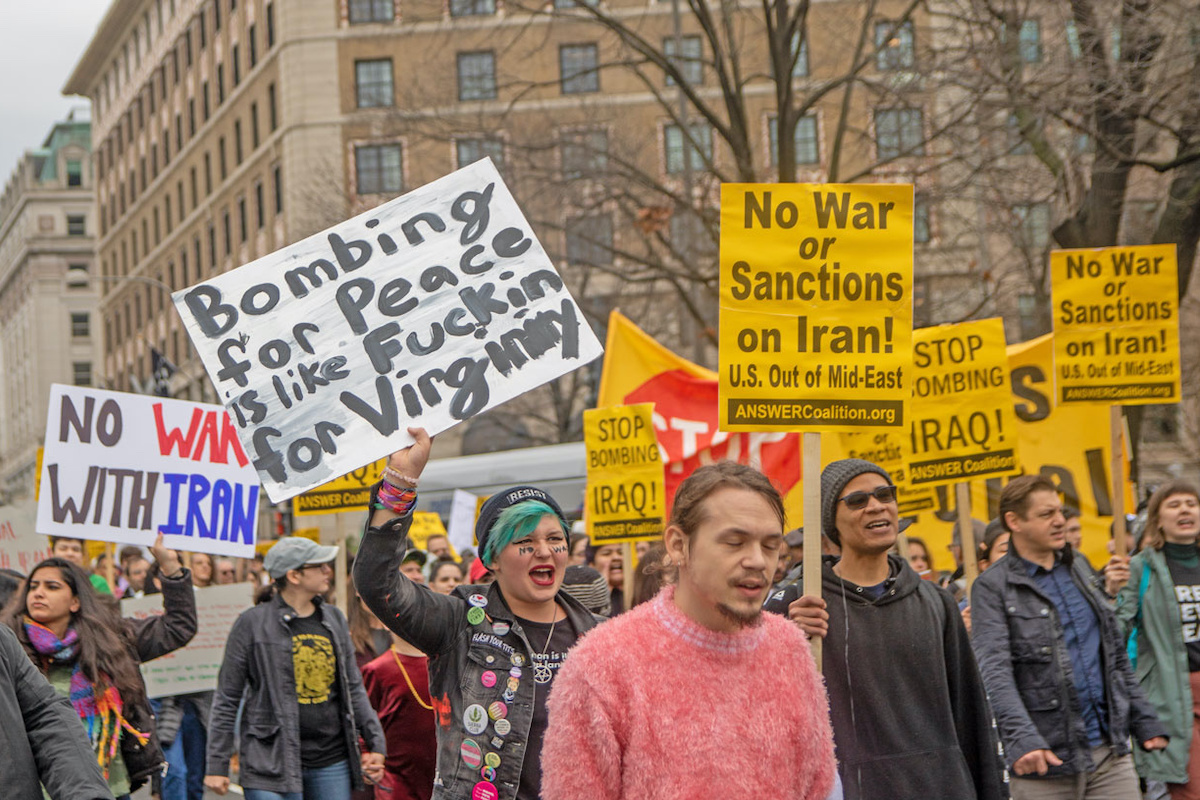
Many Western leftists repeated the Ayatollahs’ talking points.
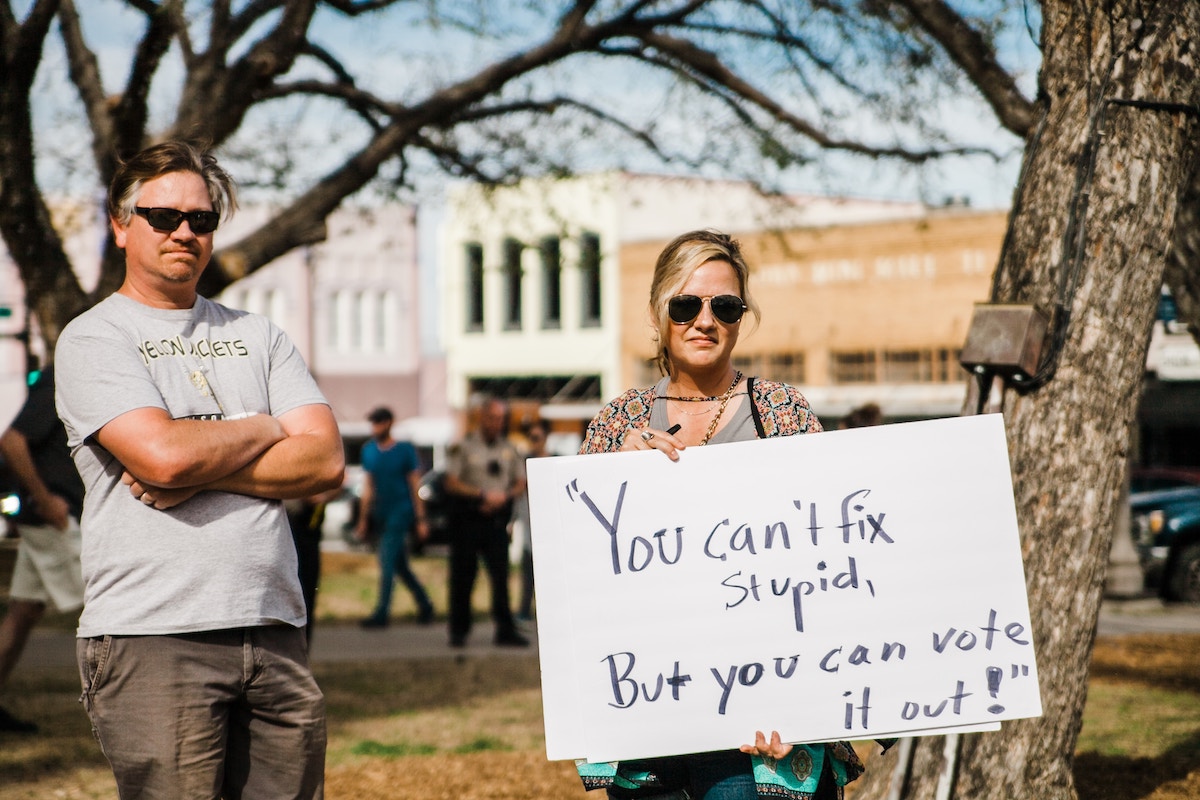
No one’s politics is based on deliberative rationality. And no one’s politics is based on science, of course.


The emerging configuration of the new urban politics threatens many of the gains made over the past two decades.

One reason might be that they worry about the second kind of harm that accompanies gentrification: the changing culture and character of neighborhoods.

Listen onSpotify
Immigrants from certain backgrounds—particularly Palestinians, Iraqis and Afghanis—were many times more likely to commit violent crimes than other Norwegians