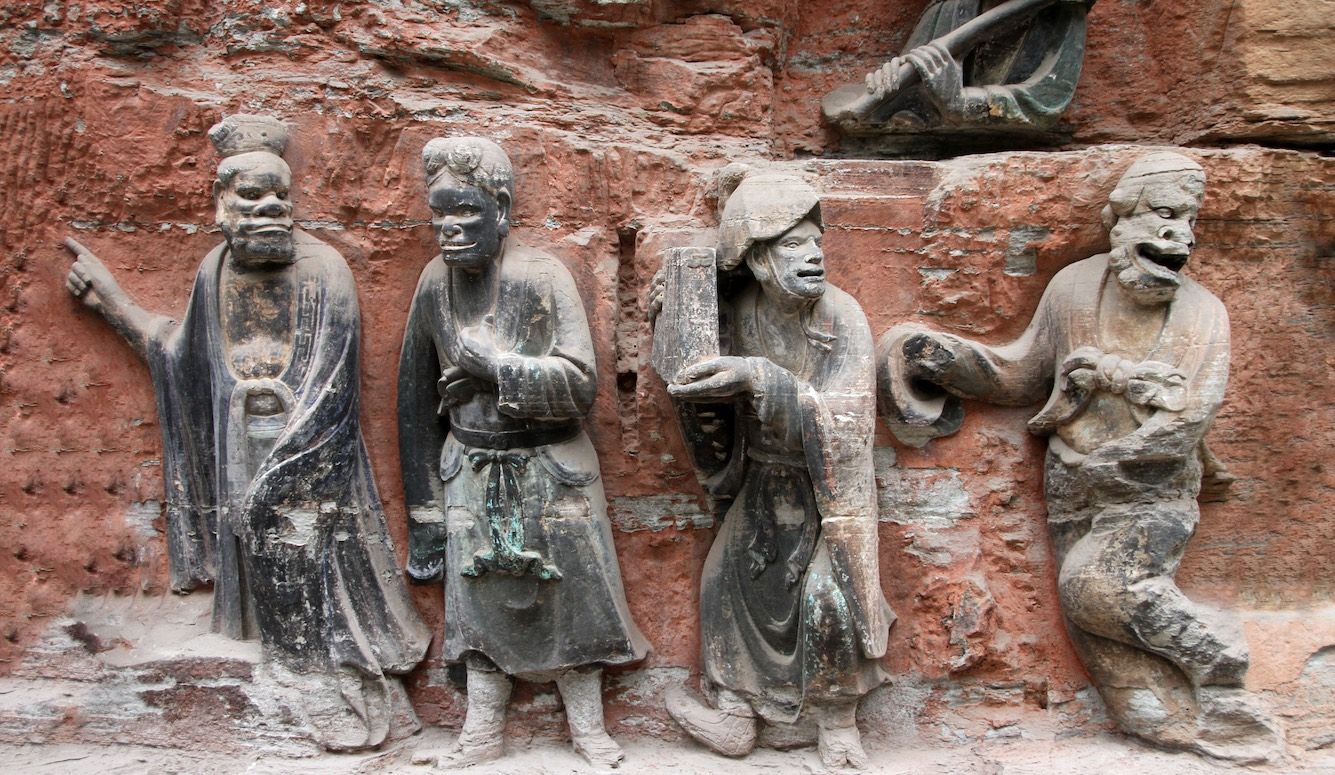
Imagine There’s No Svarga: Rediscovering Cārvāka, India’s 2,700-Year-Old Atheistic Tradition
The Cārvākas considered only matter—that which could be sensed—to be real.
Kushal Mehra
· 8 min read
A collection of 98 posts
The Cārvākas considered only matter—that which could be sensed—to be real.

The condition of human life is such that we must of necessity be restrained and compelled by circumstances in nearly every action of our lives. Why, then, is liberty, defined as Mr. Mill defines it, to be regarded as so precious? ~James Fitzjames Stephen Of all the works written in
A review of Dissident Philosophers: Voices Against the Political Current of the Academy, edited by T. Allan Hillman and Tully Borland. Rowman & Littlefield Publishers, 320 pages (November, 2021) Dissident Philosophers, edited by T. Allan Hillman of the University of South Alabama and independent scholar Tully Borland, is a compilation

A surgeon, an engineer, and an economist all die around the same time and are met at the Pearly Gates by St. Peter. “Welcome good souls! Welcome! You’re in the right place,” he informs them. “But, unfortunately, we have a shortage of mansions so two of you will need
Unpopular, unorthodox and extreme opinions no less than any others need their spokesmen, in order that our chances of discovering truths and making wise decisions be increased. ~Joel Feinberg In January of this year, SUNY Fredonia ethicist Stephen Kershnar appeared on an episode of our philosophy podcast, Brain in a

Respect for reason has waxed and waned throughout history. Today, its tide is receding. University professors resign in frustration from what were once our bastions of rationality. Increasingly, the barbarians are not merely at the gates, but running the show in a vast swathe of humanities departments. After decades of

According to the mainstream narrative about race, “white supremacy” is an all-controlling social force responsible for bad outcomes such as racial disparities. According to an alternative narrative popular on the far-Right, Jewish influence is a similarly powerful force, which explains outcomes disliked by those on the Right, such as multiculturalism

Rand’s style often caused her to be misunderstood and dismissed as some kind of Nietzschean.
Wooldridge argues that meritocracy can only survive if it is infused with an ethos that prioritizes virtue, applying talent to ends that ennoble rather than enrich.

For the “new intellectual,” ultimately, the way forward has to be paved with nuance and understanding.

This erosion of trust has created an epistemic crisis that makes it difficult to defend a position, because one’s sources of information can always be called into question.
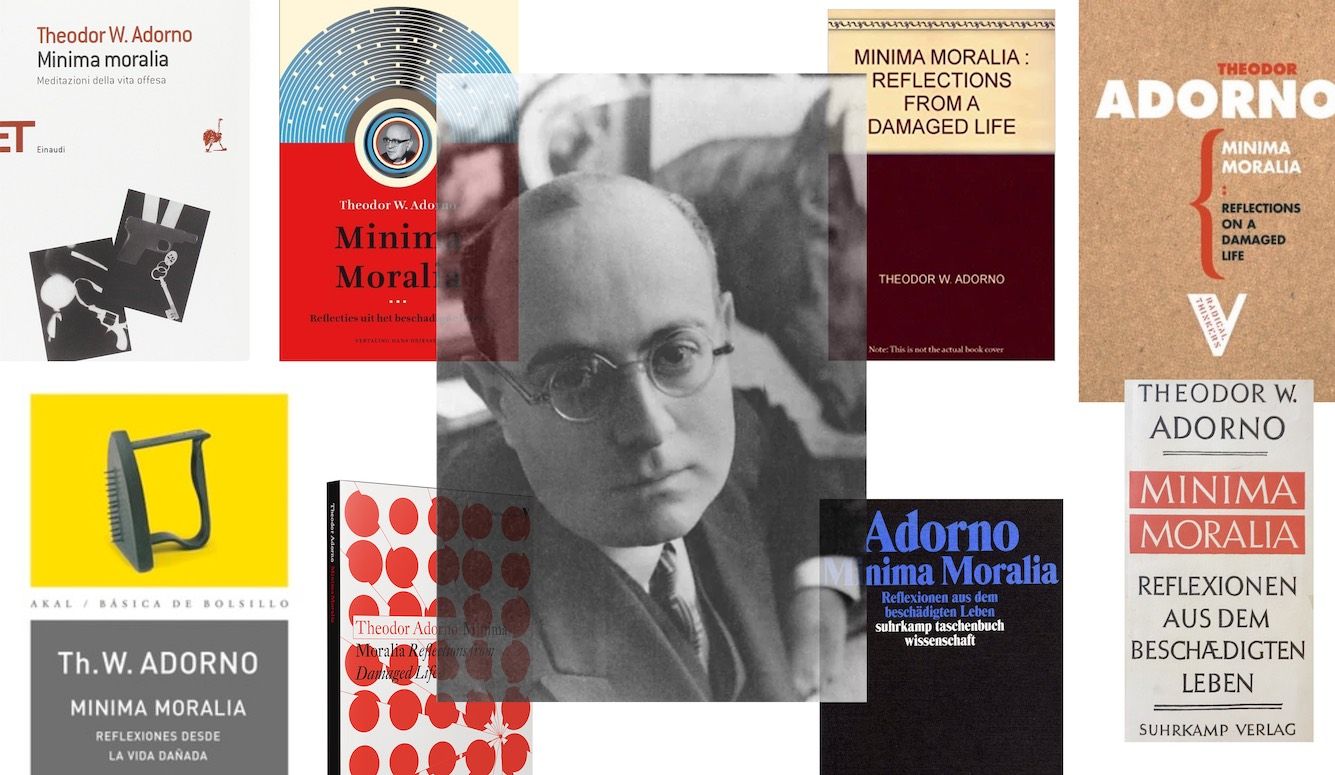
Adorno was smuggling a work of social analysis full of difficult philosophical references into his readers’ reach by disguising it as literature.

People differ from one another in many different ways.
Power has to be allocated. If this is done in a truly meritocratic fashion, it is not only accepted by those who become subordinated, but also met with their approval.

When we apply reason to reason itself, we find that it is not just an inarticulate gut impulse, a mysterious oracle that whispers truths into our ear.