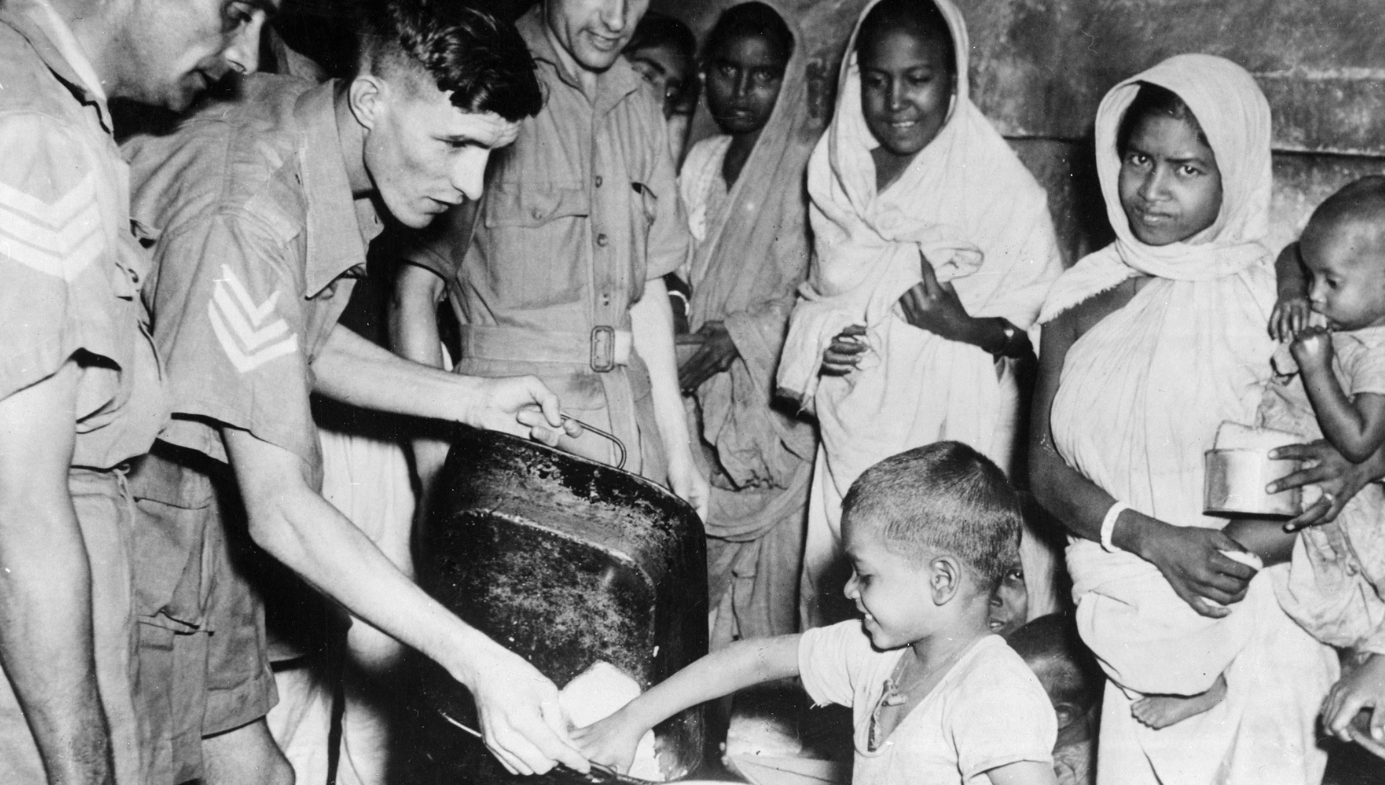
Bad History at the BBC
A new radio series about the 1943 Bengal famine favours culture-war polemic over rigorous scholarship.
Hira Jungkow
· 6 min read
A collection of 457 posts
A new radio series about the 1943 Bengal famine favours culture-war polemic over rigorous scholarship.
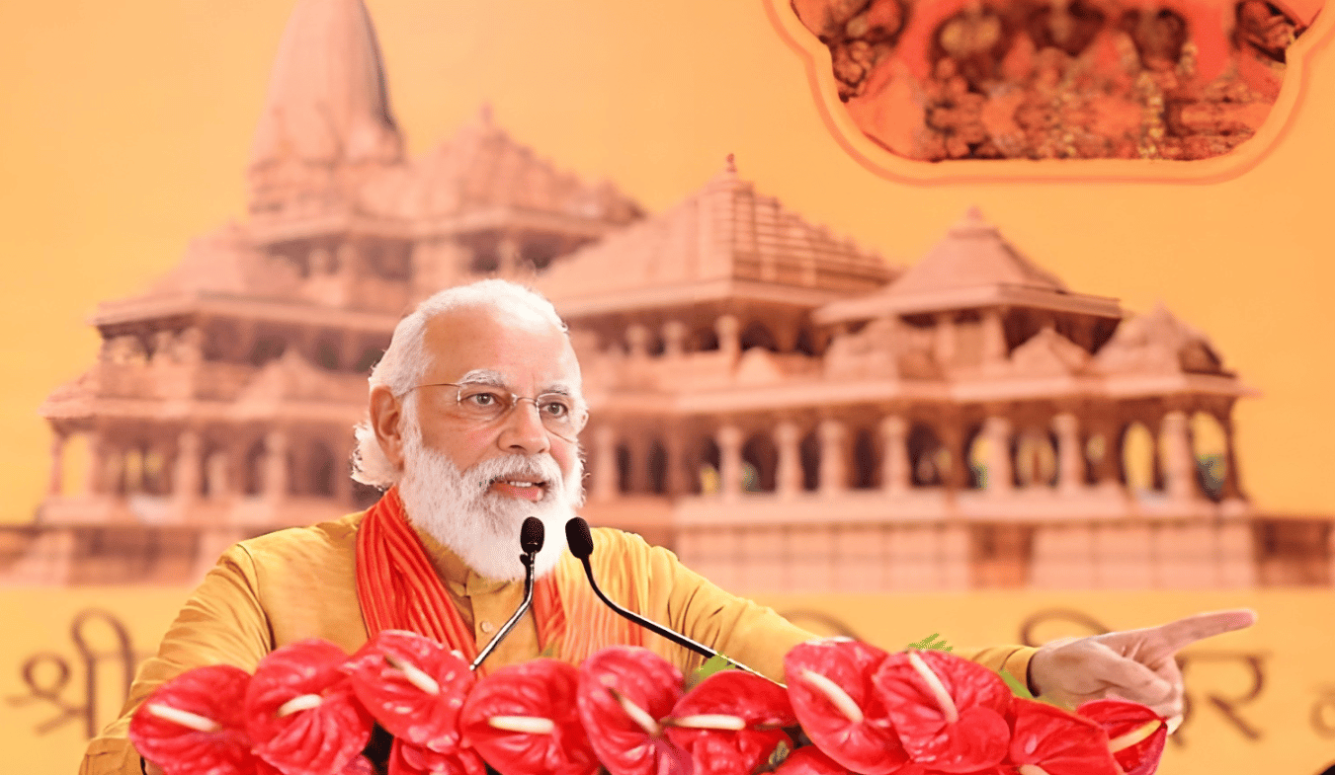
Hindu nationalism is nostalgic for a golden age that never existed, before the invasions of first the Muslims and then the British.
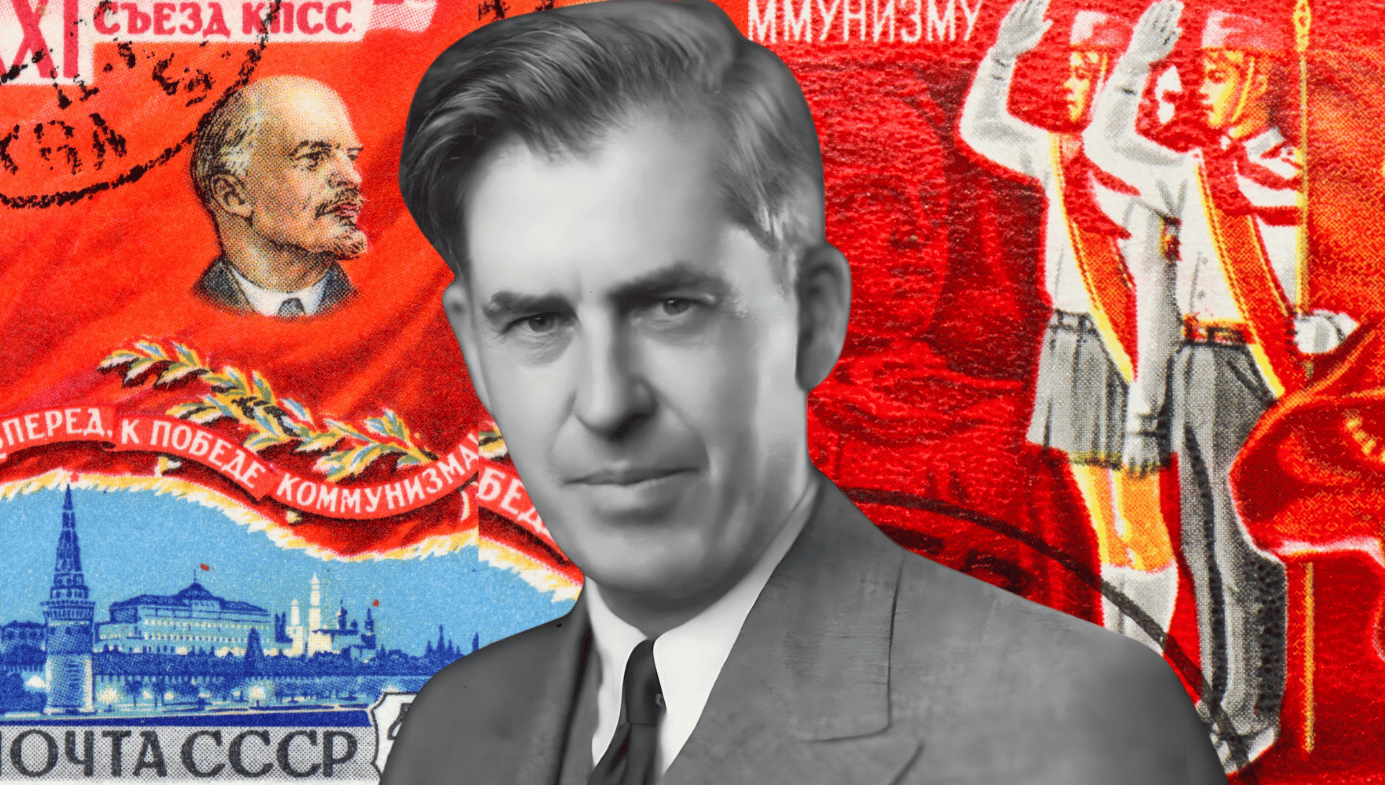
Benn Steil’s engrossing new biography of Henry A. Wallace is a timely cautionary tale and a masterpiece of 20th-century American history.

While routinely declaring that Israel’s behaviour toward Hamas is genocidal, Erdogan has consistently denied the real genocides carried out by Turkey.
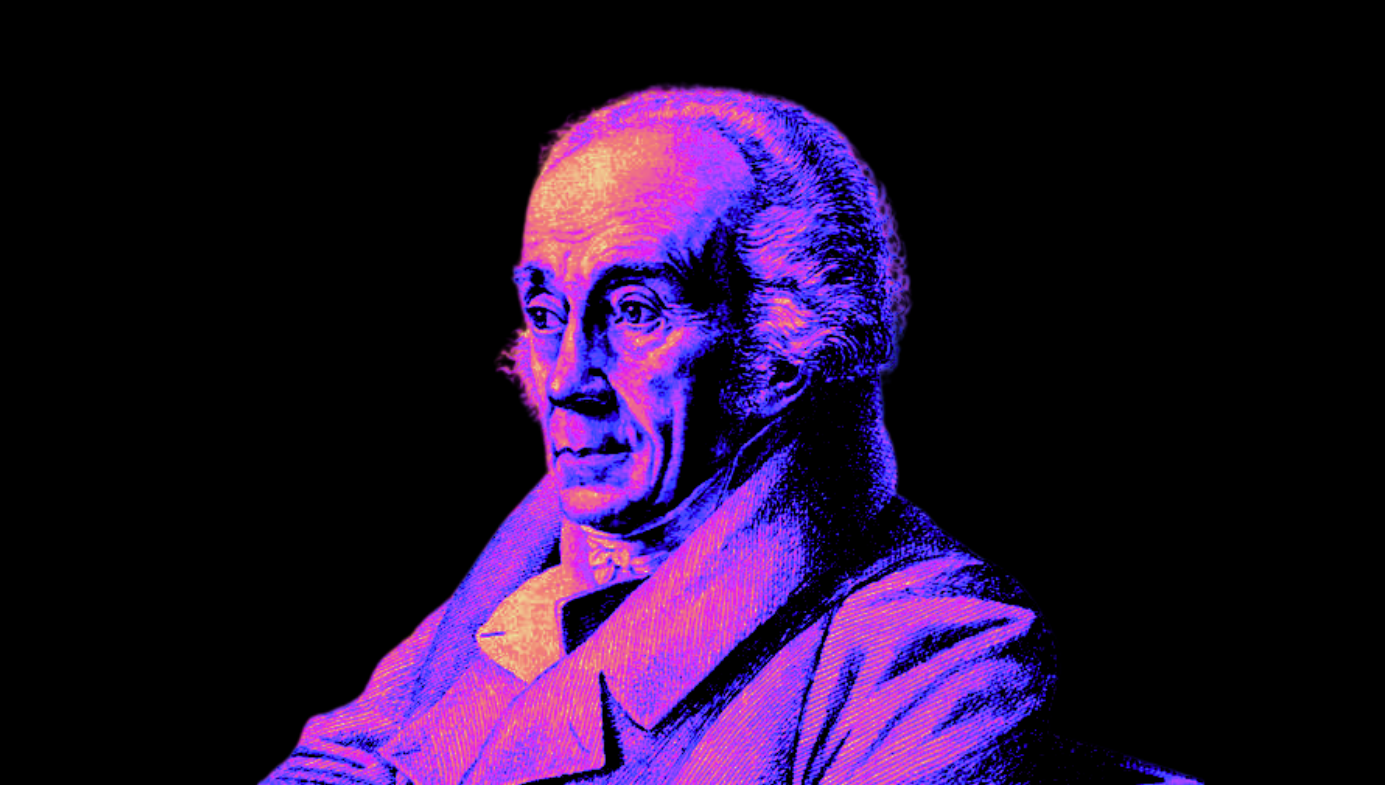
The accepted view is that the scientists of the European Enlightenment got the issue of race badly wrong. In fact, some of them got more right than they are usually given credit for.

The contrasting histories of Singapore, Tanzania, and Sri Lanka demonstrate the dangers of attempting to erase the colonial past.
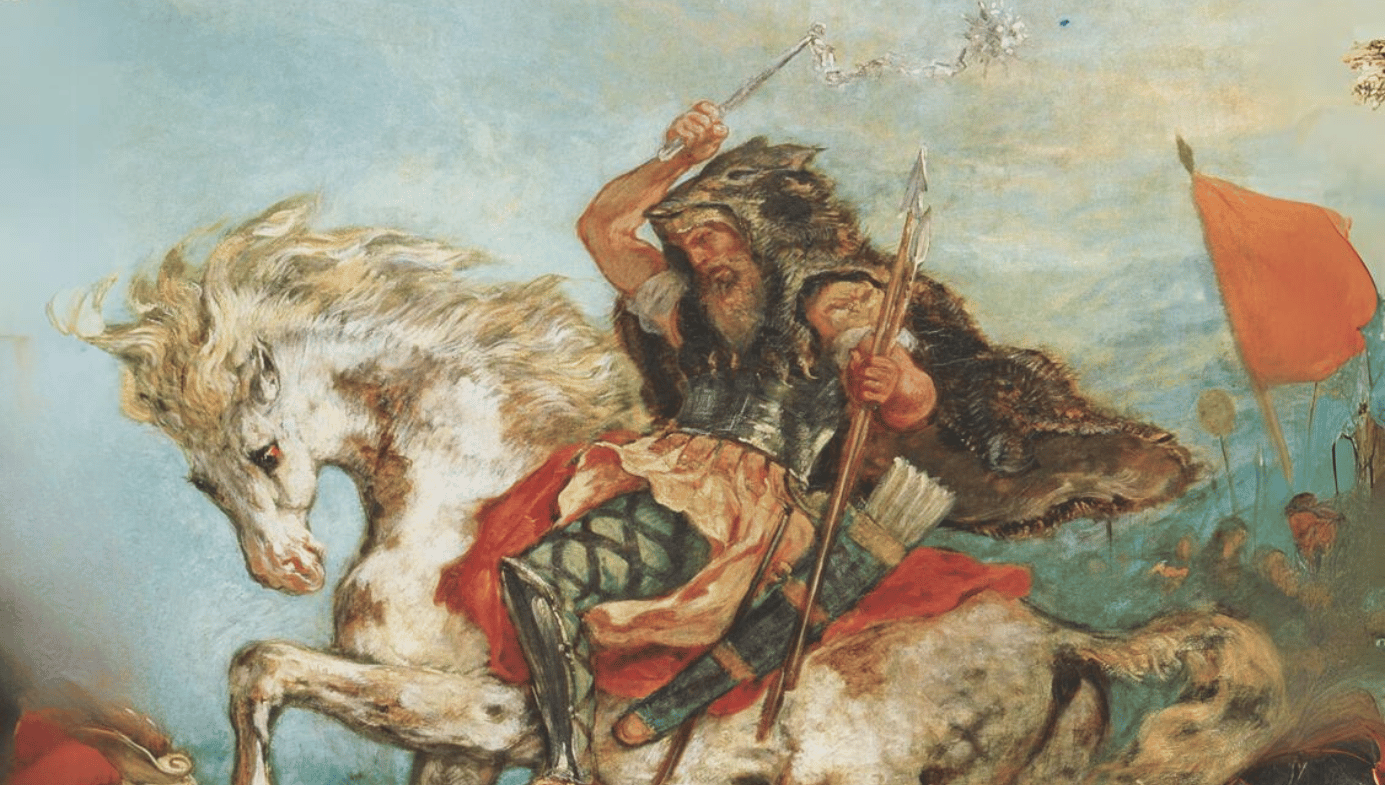
In the eighth instalment of ‘The So-Called Dark Ages,’ Herbert Bushman describes the Huns’ increasingly violent incursions into the Eastern half of the Roman Empire.

The European Union has been overwhelmingly successful in achieving its primary mission: guaranteeing peace.
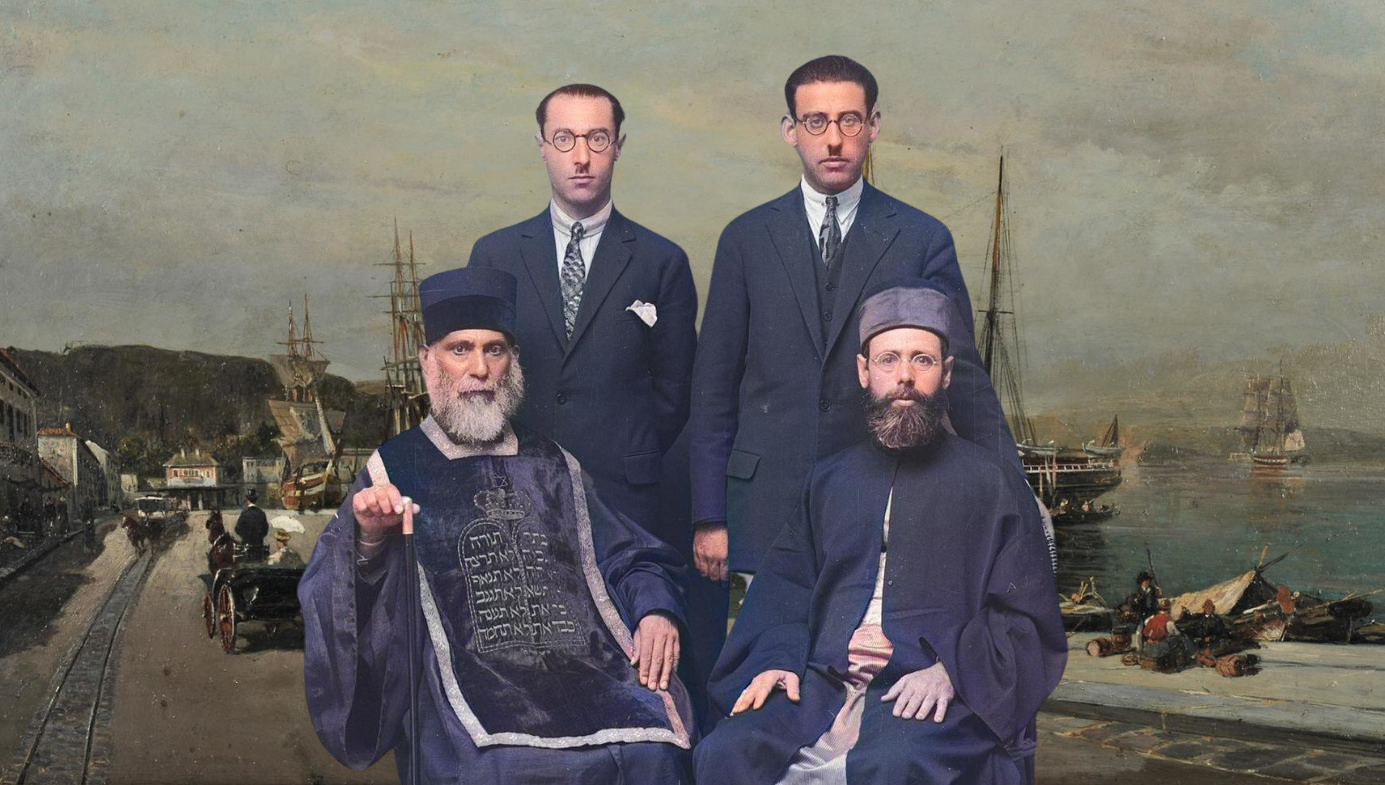
The histories of these two groups reveals the sinister implications of an ideology that holds that some people are more “natural” to a place than others.

A welter of factual errors and misleading judgments has produced a distorted description of the 1948 War.

Dan Stone's new book shows how important aspects of the Holocaust have been neglected in popular consciousness.
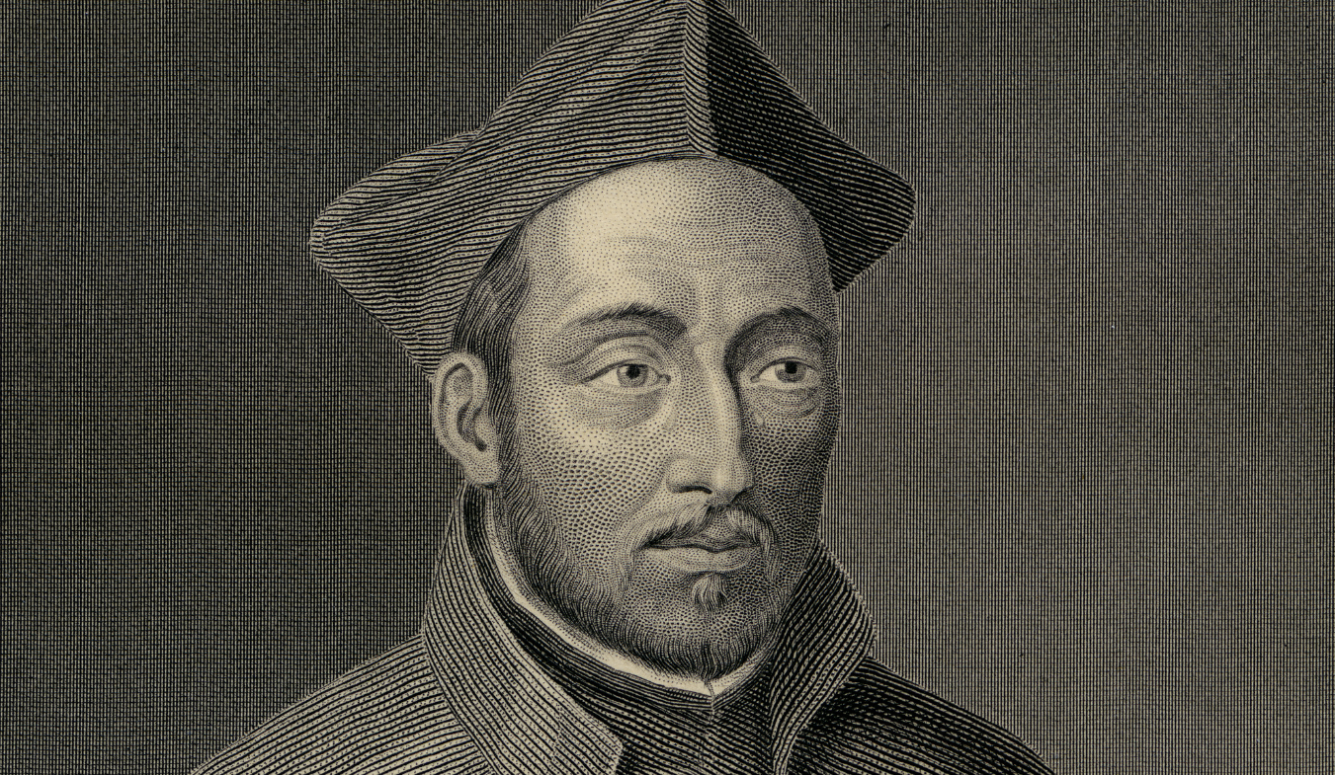
In the seventeenth instalment of ‘Nations of Canada,’ Greg Koabel describes how The Society of Jesus became a powerful player in the colonization of North America.
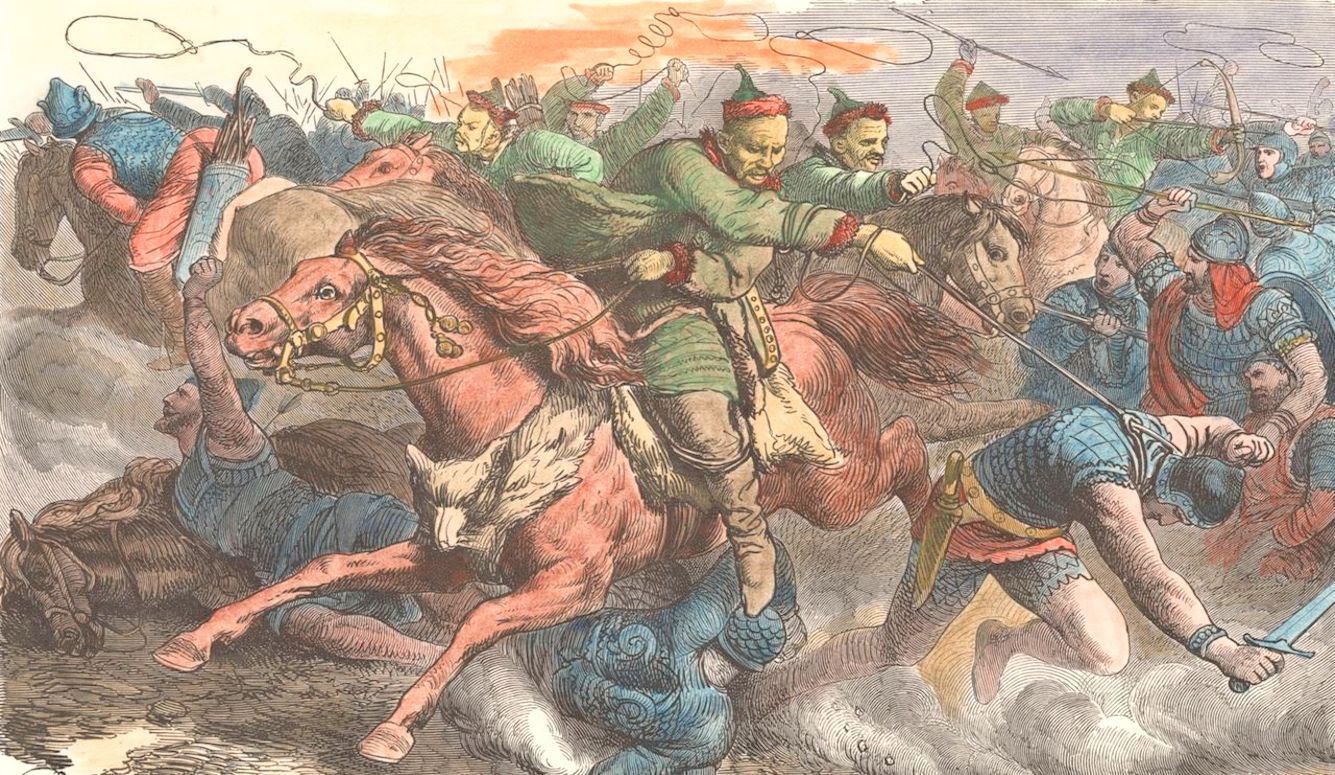
In the seventh instalment of ‘The So-Called Dark Ages,’ Herbert Bushman describes how disparate Hunnic tribes coalesced into the unified force that would terrorize Europe.

Many of the questions that have arisen since October 7 have been raised before.
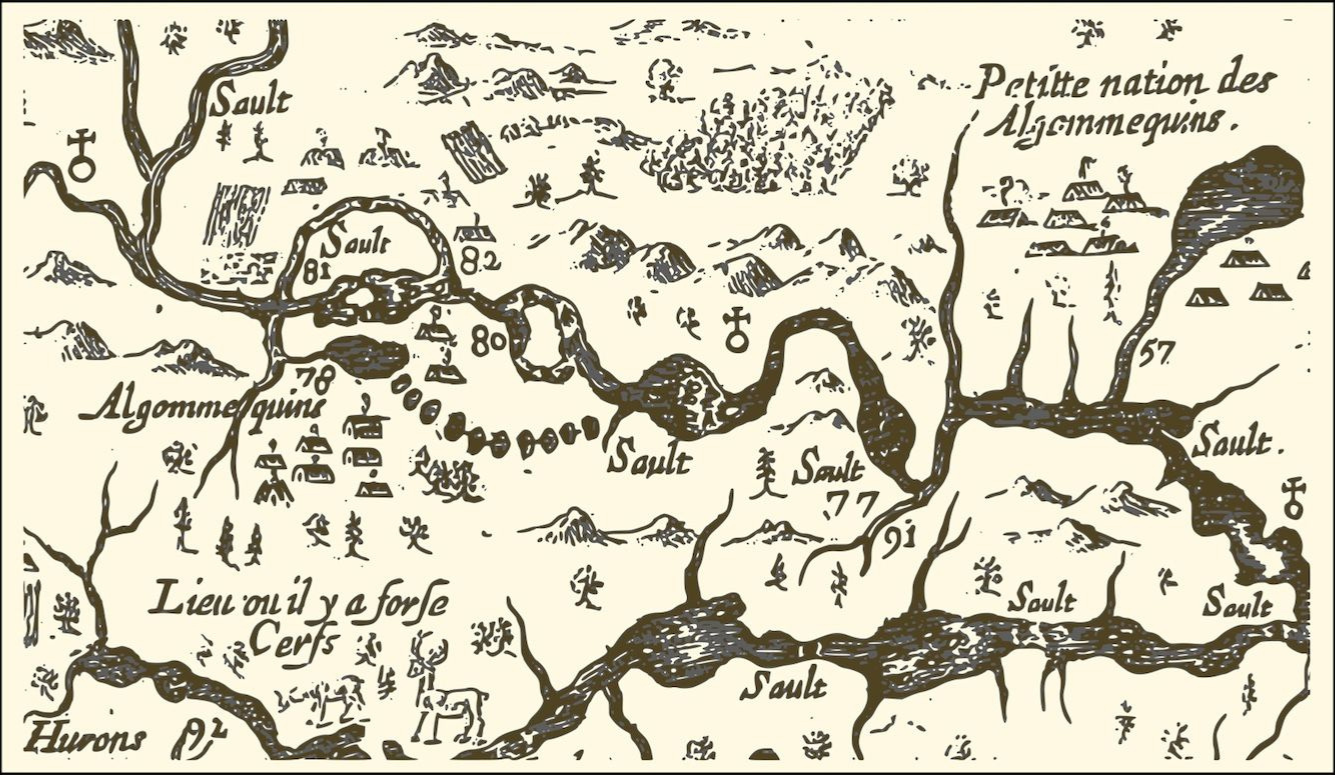
In the 16th instalment of ‘Nations of Canada,’ historian Greg Koabel describes how Samuel de Champlain overcame a decade of frustration by finally establishing a successful French fur-trading monopoly.