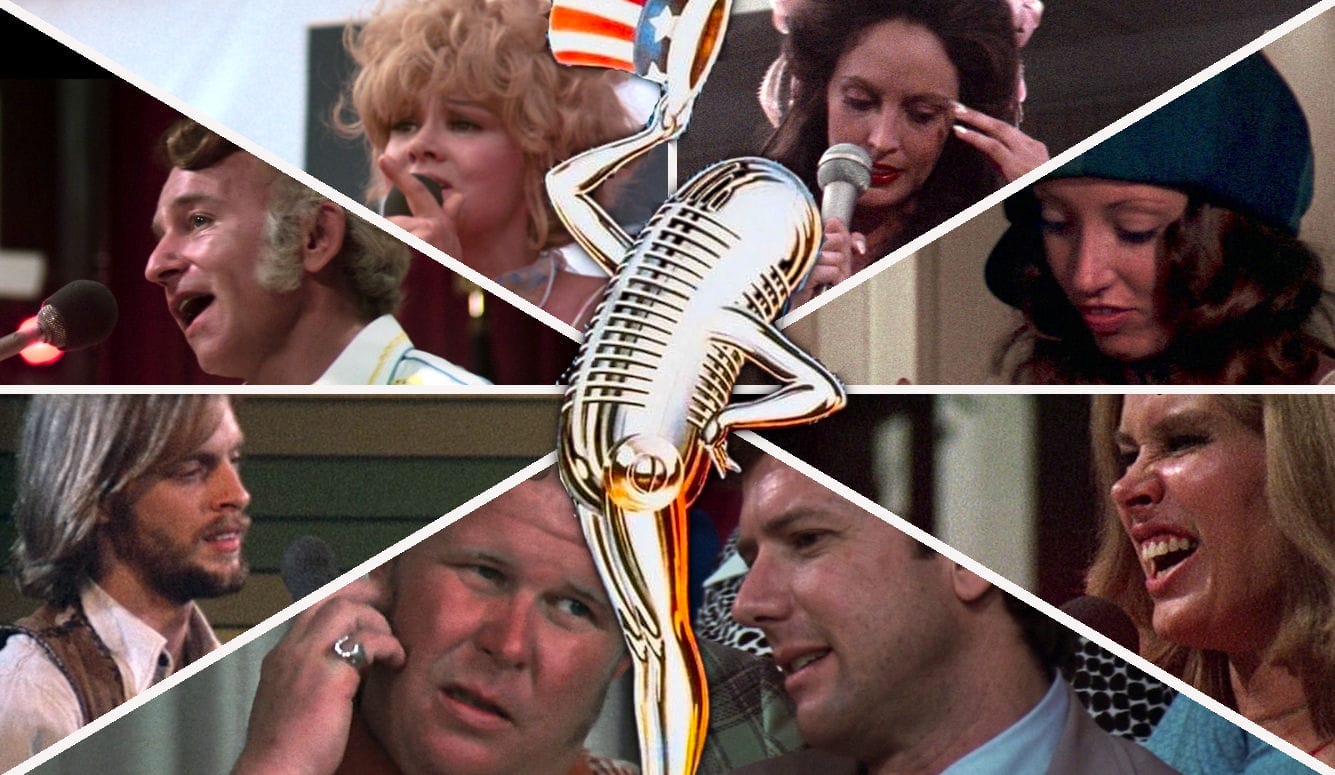
It Don’t Worry Me
Robert Altman’s ‘Nashville’ is fifty.
Matt Hanson
· 7 min read
A collection of 120 posts
Robert Altman’s ‘Nashville’ is fifty.

Before Han Solo and Indiana Jones, there was another Harrison Ford, a star of silent cinema.
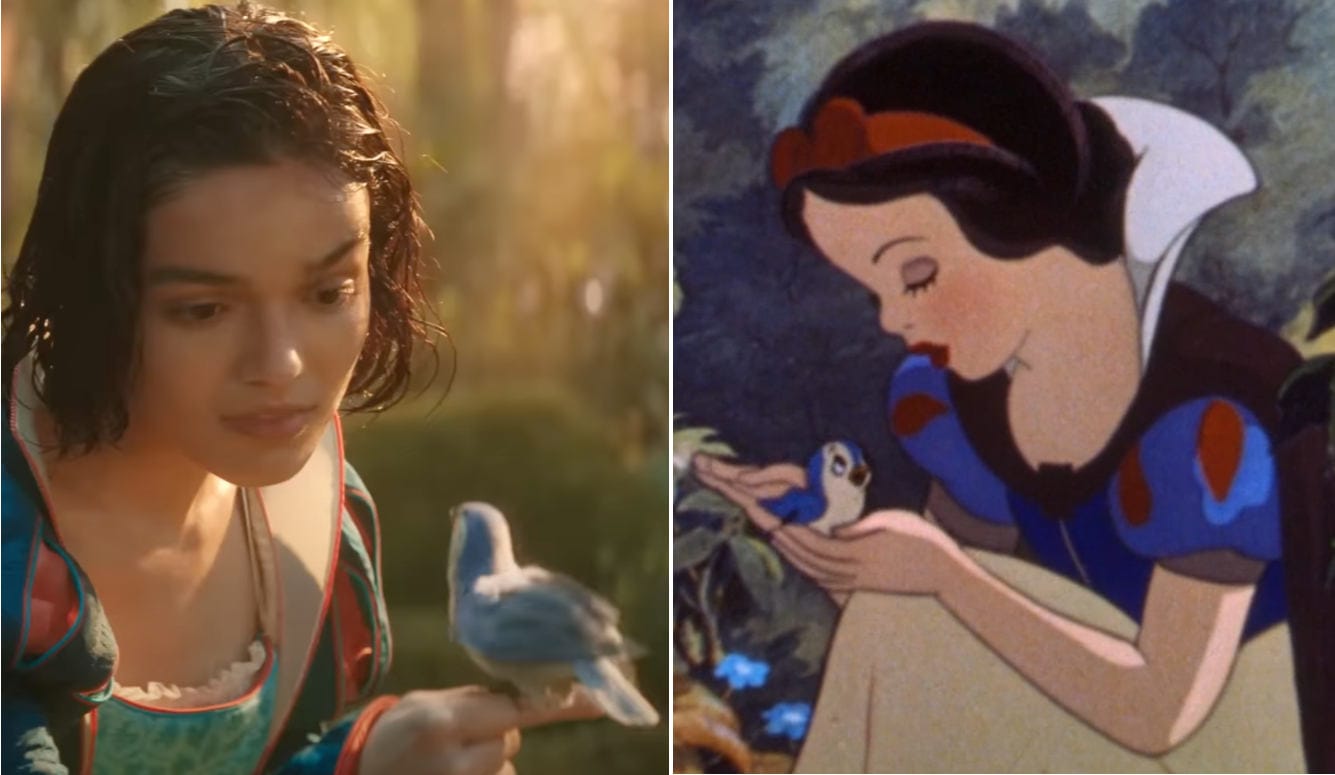
Disney’s awful new Snow White adaptation fails to recreate or even understand the story it is trying to tell.
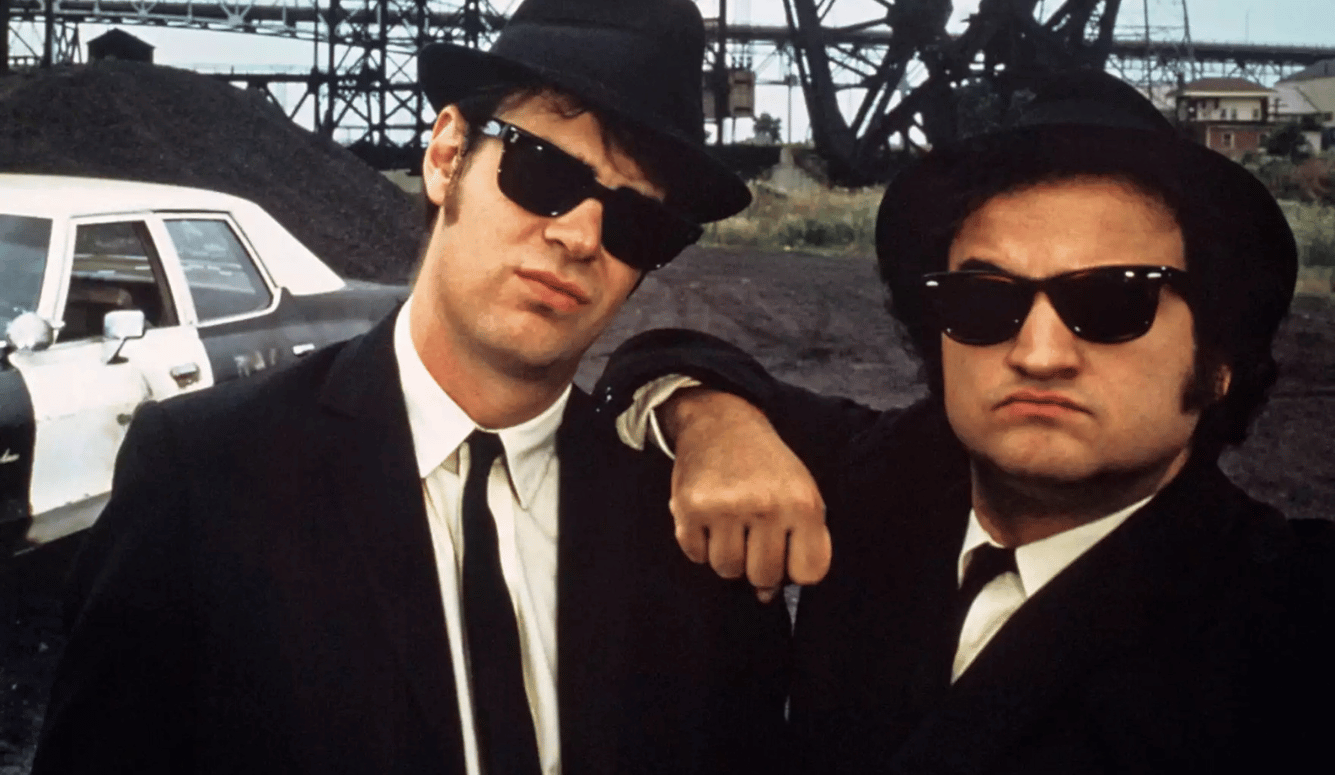
The Blues Brothers (1980) fostered a renewed appreciation of some of the best music America has ever produced.
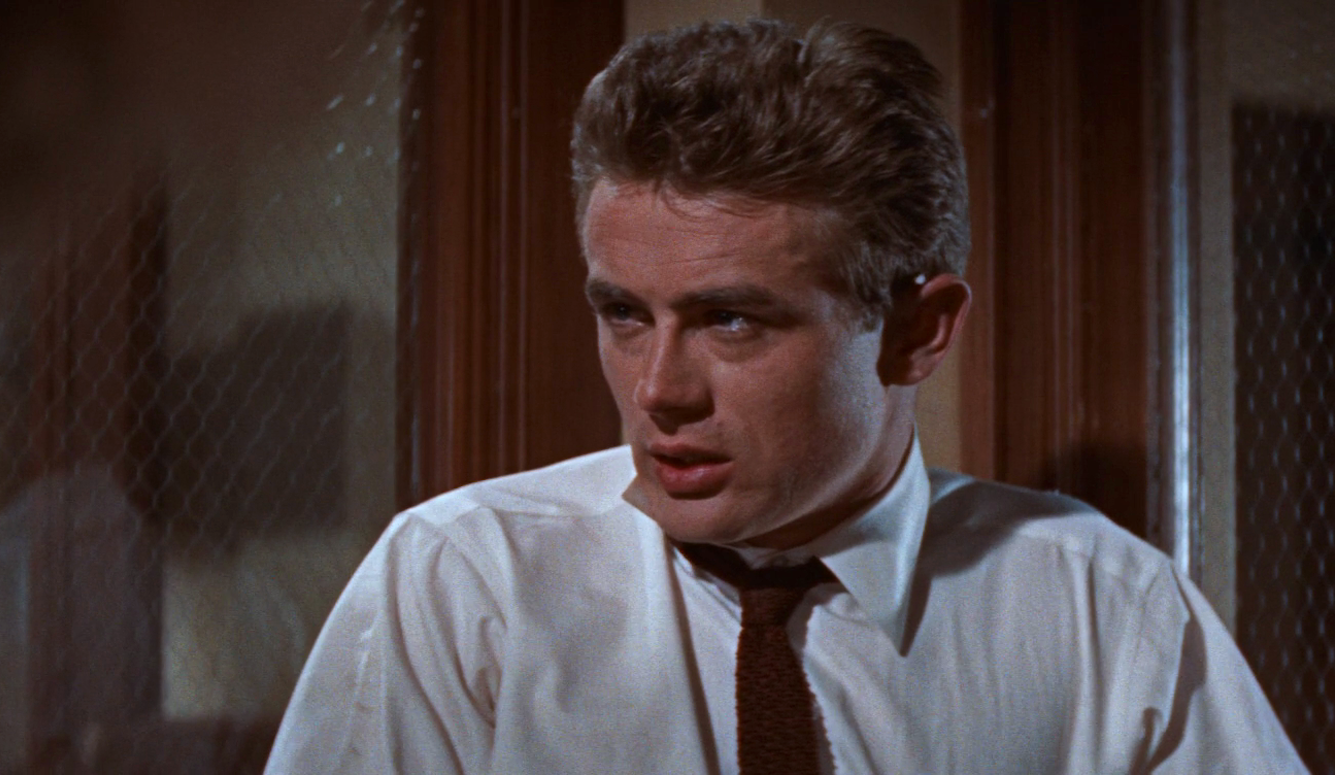
‘Rebel Without a Cause’ remains a landmark classic, seventy years after its release.
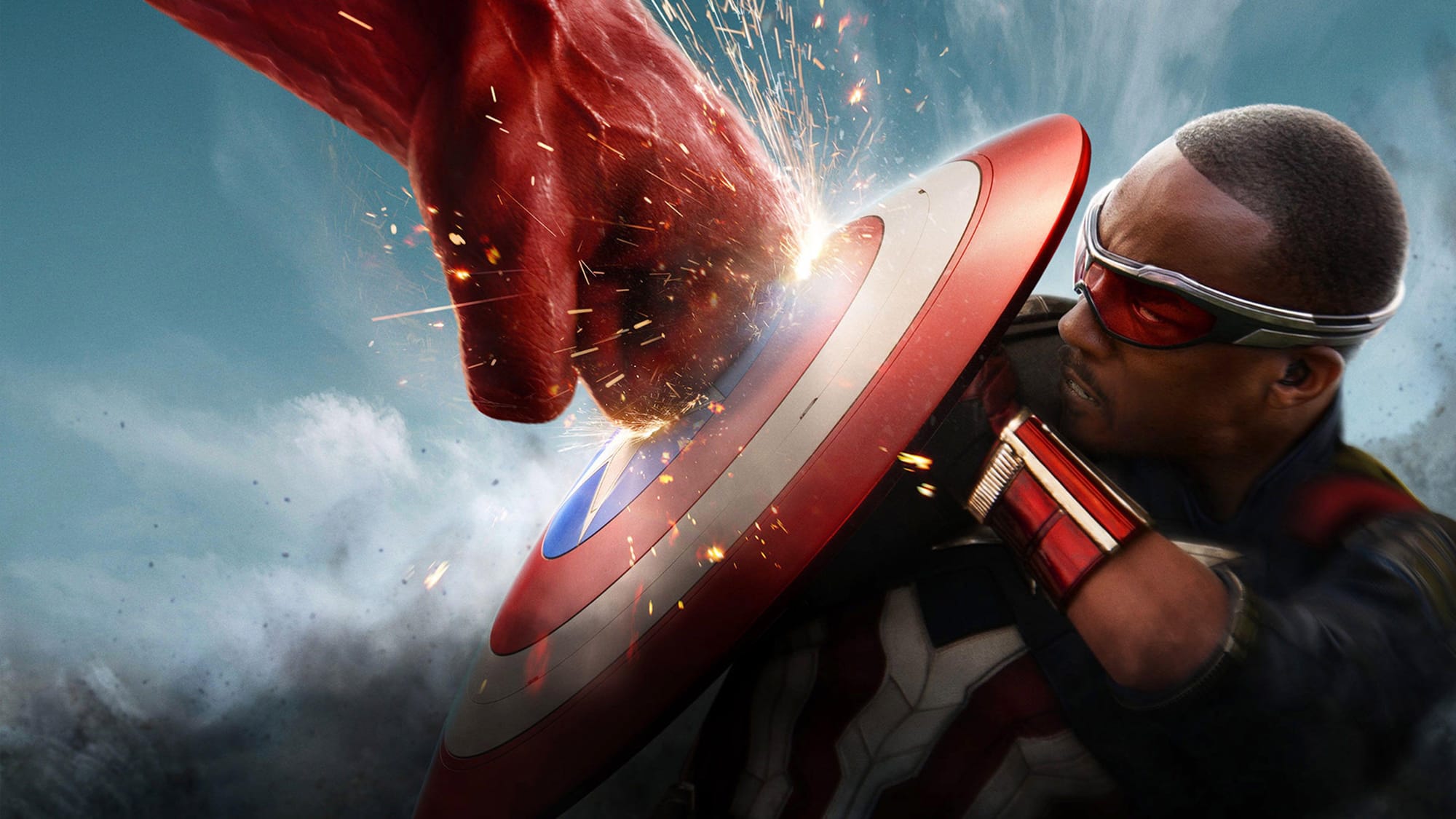
Despite serious flaws, ‘Captain America: Brave New World’ is much better than Marvel’s recent offerings. Perhaps the franchise may have turned the corner.
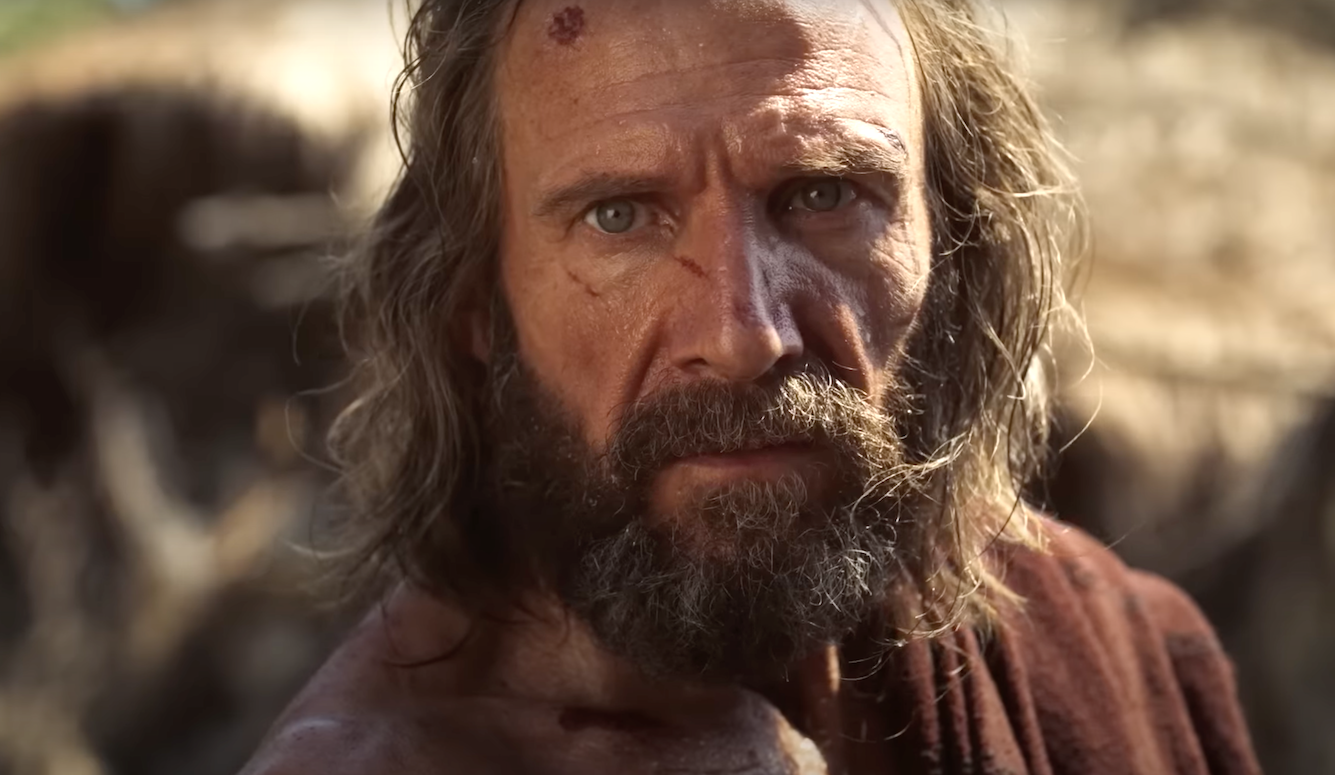
Many of the people involved in Uberto Pasolini’s new screen adaptation of Homer’s ‘Odyssey’ are intimidatingly talented. It’s a pity, then, that the film is such a disaster.

Just six months after it was released by Netflix, Anna Kendrick’s feminist film about a real serial killer already looks like an ideological relic.

Éric Rohmer’s films demand patience and close attention, but they are immensely rewarding for those able to tolerate the absence of spectacle.

Alexandre Dumas’s novel is by turns an adventure story, a paean to bourgeois values, and a Greek epic. No wonder it continues to fascinate.

With ‘Emilia Pérez,’ Jacques Audiard created—intentionally or unintentionally—a subversive assault on every plank of the current transgender credo.

On eros and marriage.

Richard Bernstein’s new book about Al Jolson and ‘The Jazz Singer’ offers a thoughtful reconsideration of an unfairly reviled cultural landmark.

Brady Corbet’s panoramic epic, ‘The Brutalist,’ may be technically brilliant, but it is a cheat and a fraud.

A tribute to David Lynch (1946–2025).