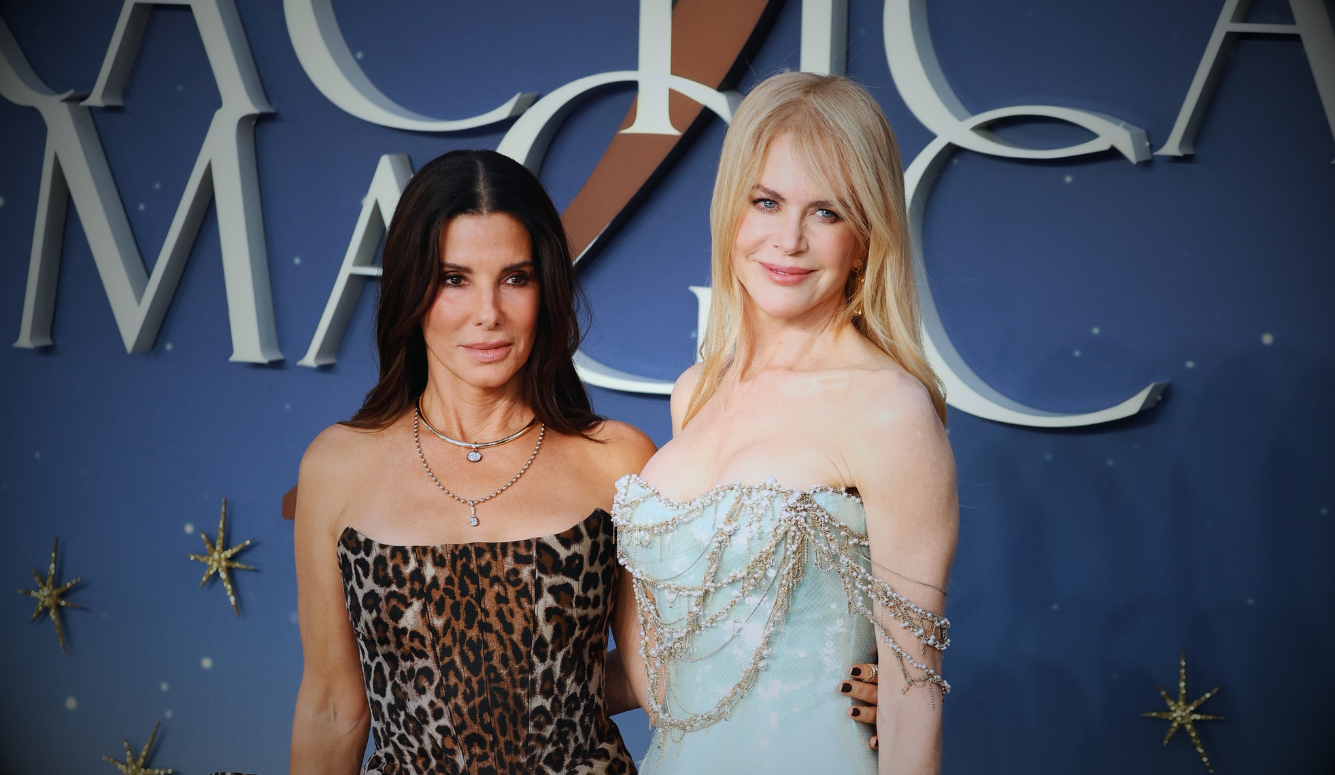
Spells that Sell
John Updike, Alice Hoffman, and the golden age of “witch lit.”
Kevin Mims
· 11 min read
A collection of 144 posts
John Updike, Alice Hoffman, and the golden age of “witch lit.”

Watching Gillo Pontecorvo’s film six decades after its release permits a nuanced understanding of the events that it portrays, which was unavailable when it first came out.
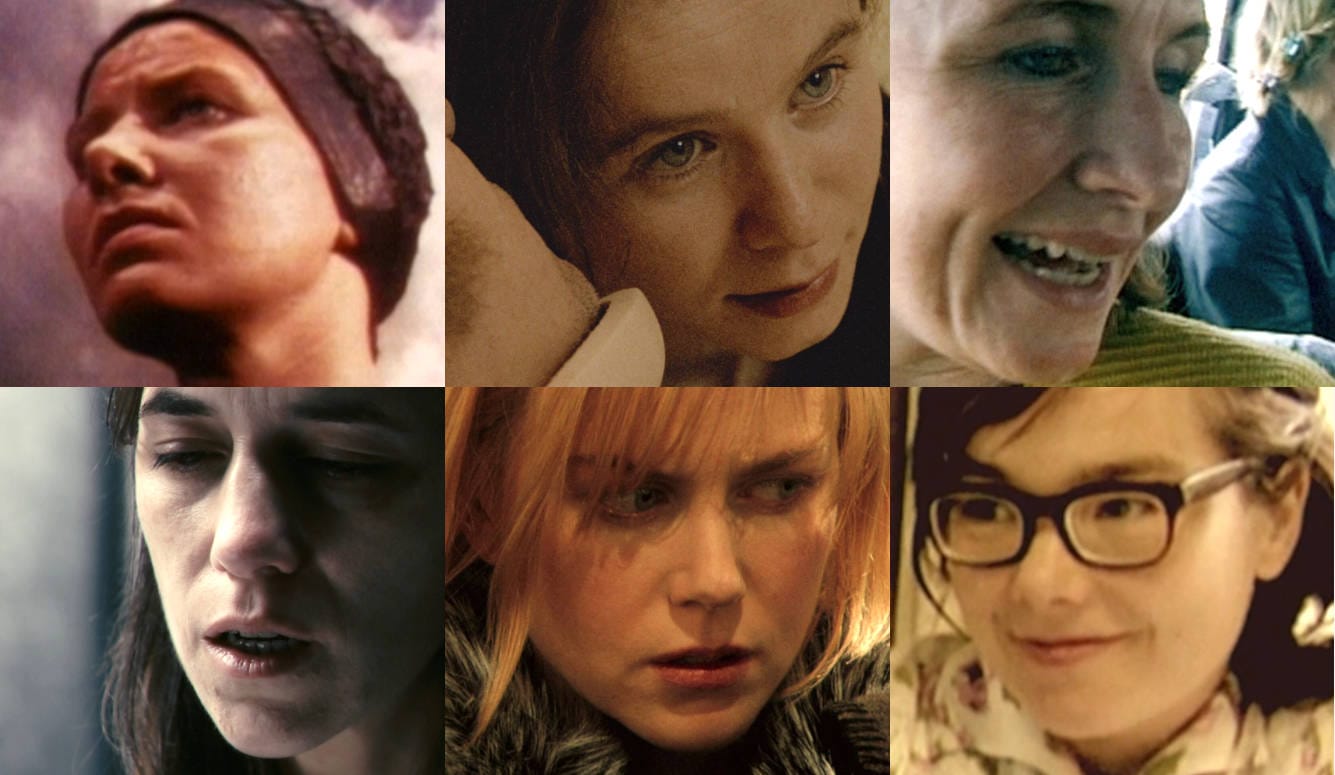
A new exhibition curated by Lars von Trier provides a fascinating look at who and what has influenced one of the world’s most prodigiously gifted and provocative filmmakers.
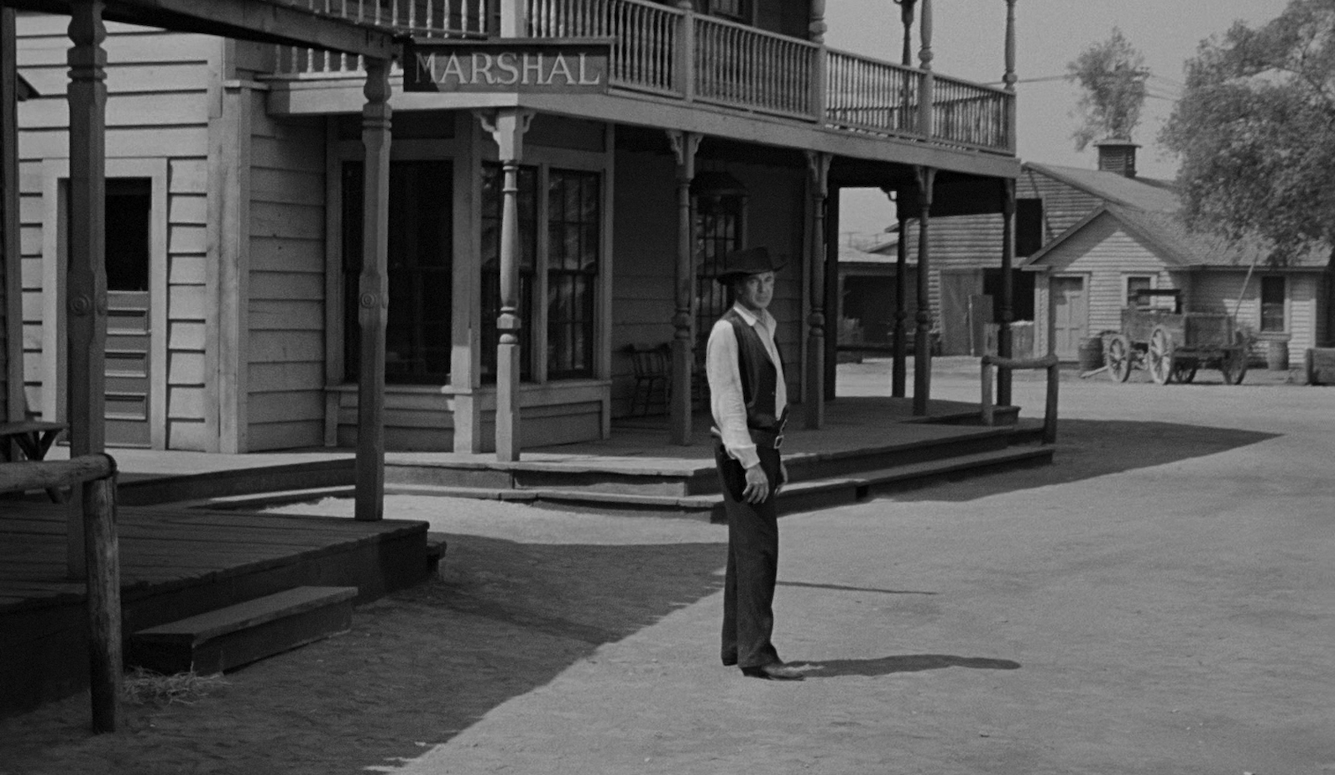
American individualism and the western, from Fred Zinnemann and John Ford to Larry McMurtry and Taylor Sheridan.
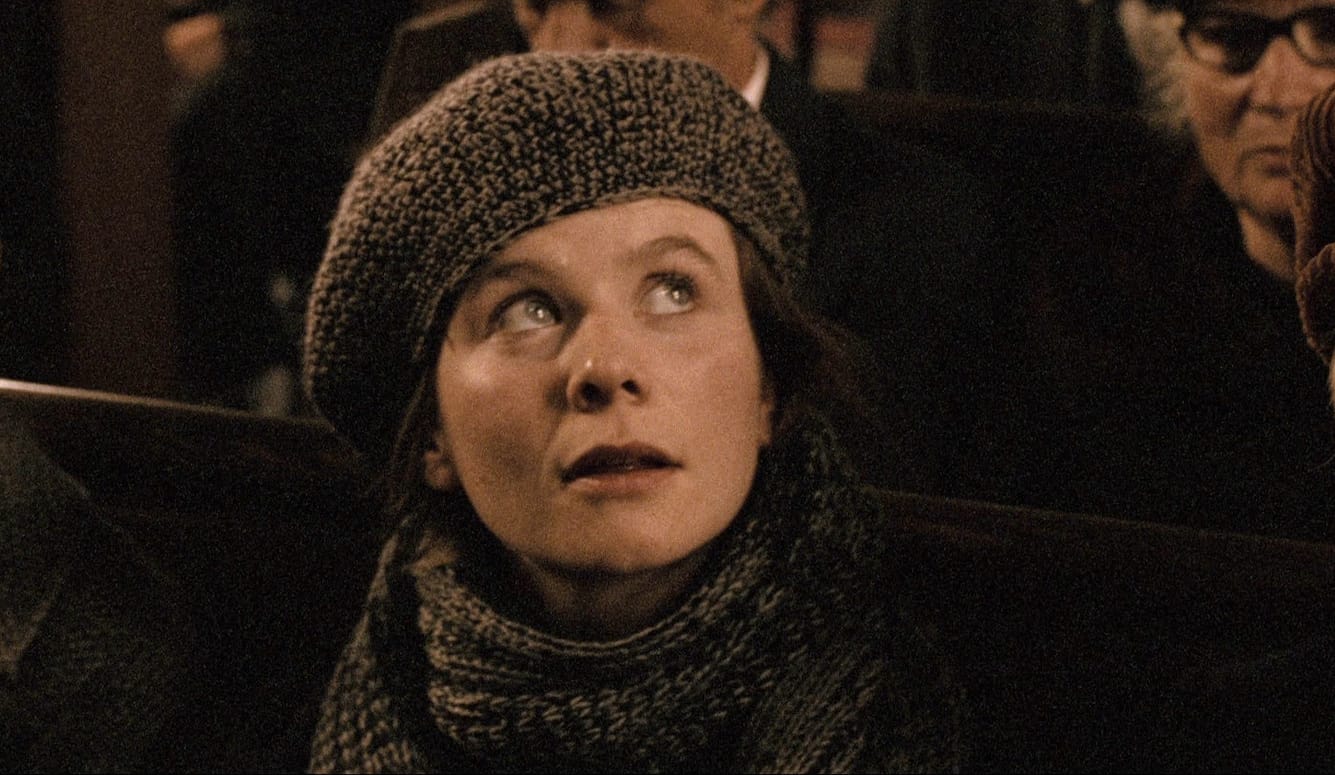
Lars von Trier’s harrowing but resplendent story of suffering and grace turns thirty this year.
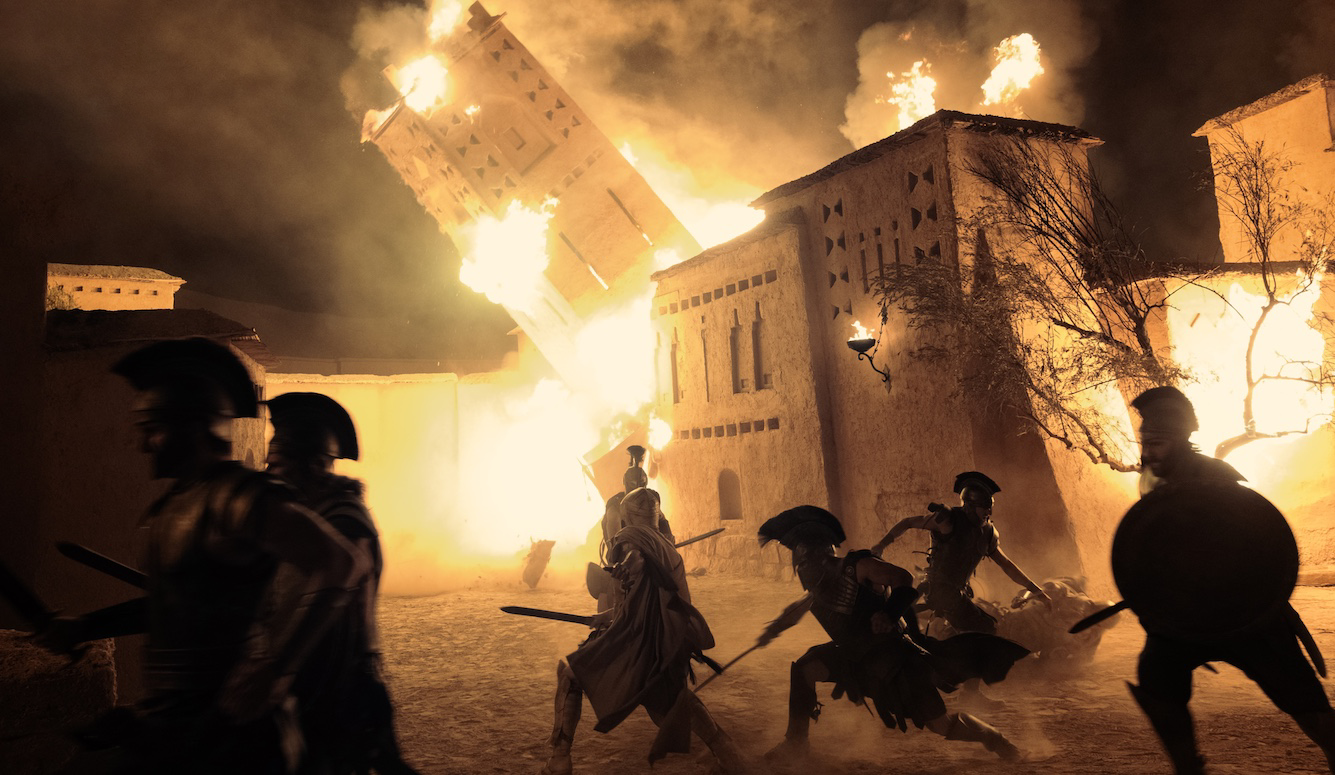
Christopher Nolan’s creation is a big movie in every technical sense. But inside, it is diminished and faded: heroes who aren’t allowed to be heroes and gods who aren’t allowed to be gods.
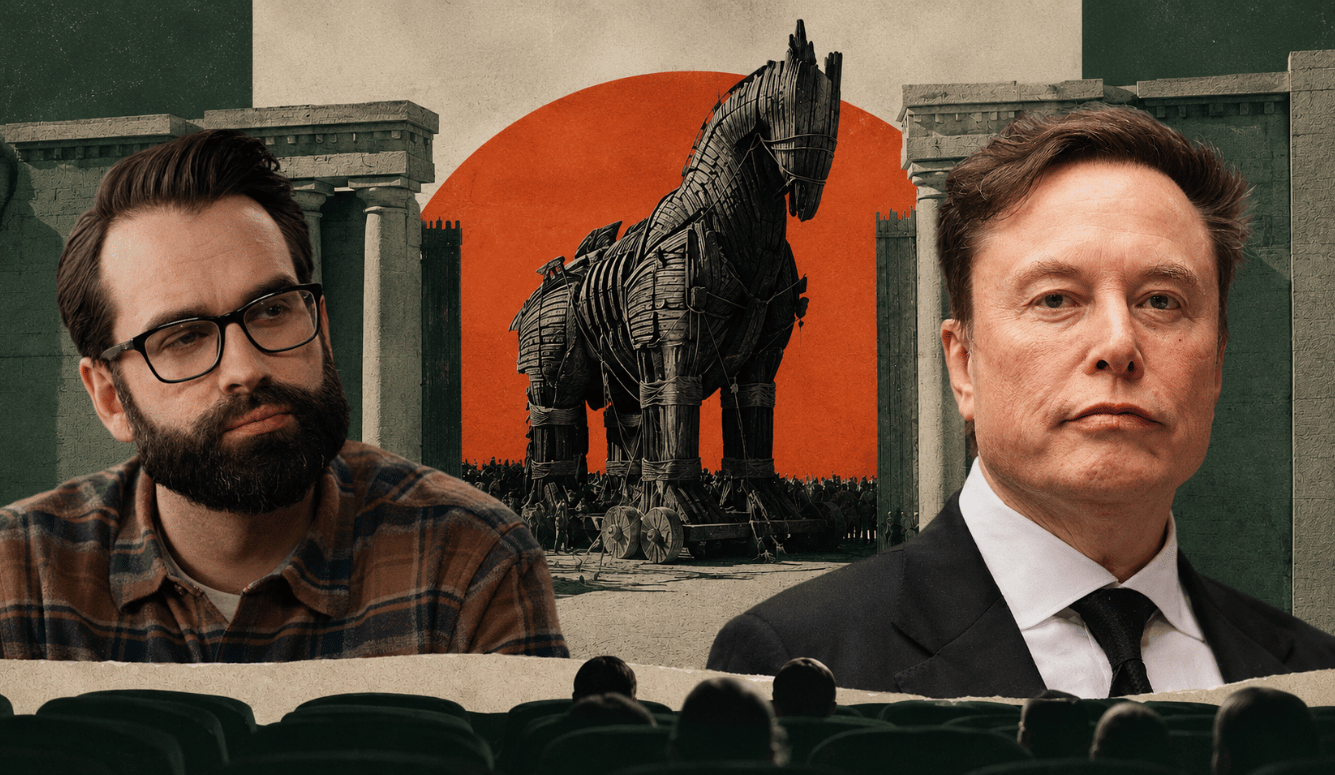
The Grift Industrial Complex targeted Christopher Nolan’s The Odyssey—and got buried.
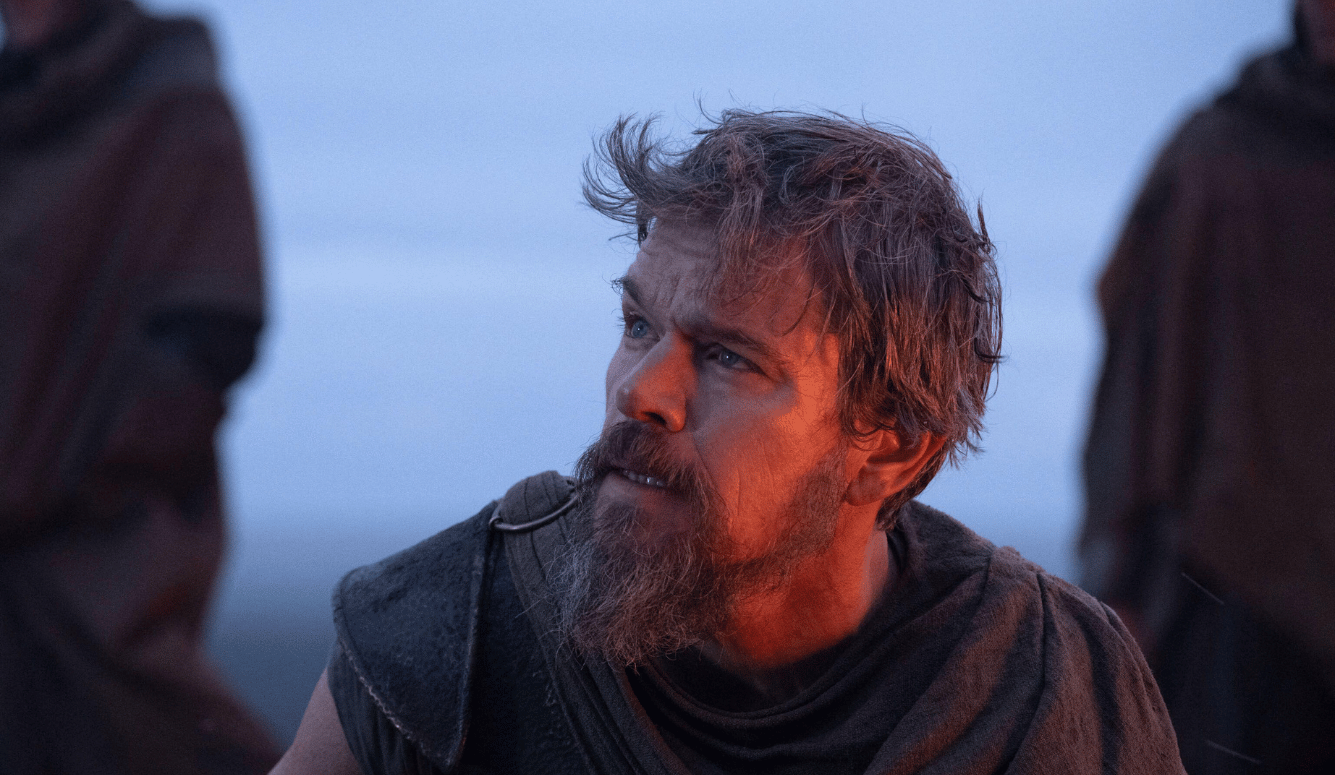
Christopher Nolan's Odyssey, shot entirely on IMAX cameras, is the newest chapter in an old story: technological innovation creating new forms of art.

When critics start issuing dictates, they end up excluding broad swathes of art and culture as well as whole areas of human experience.
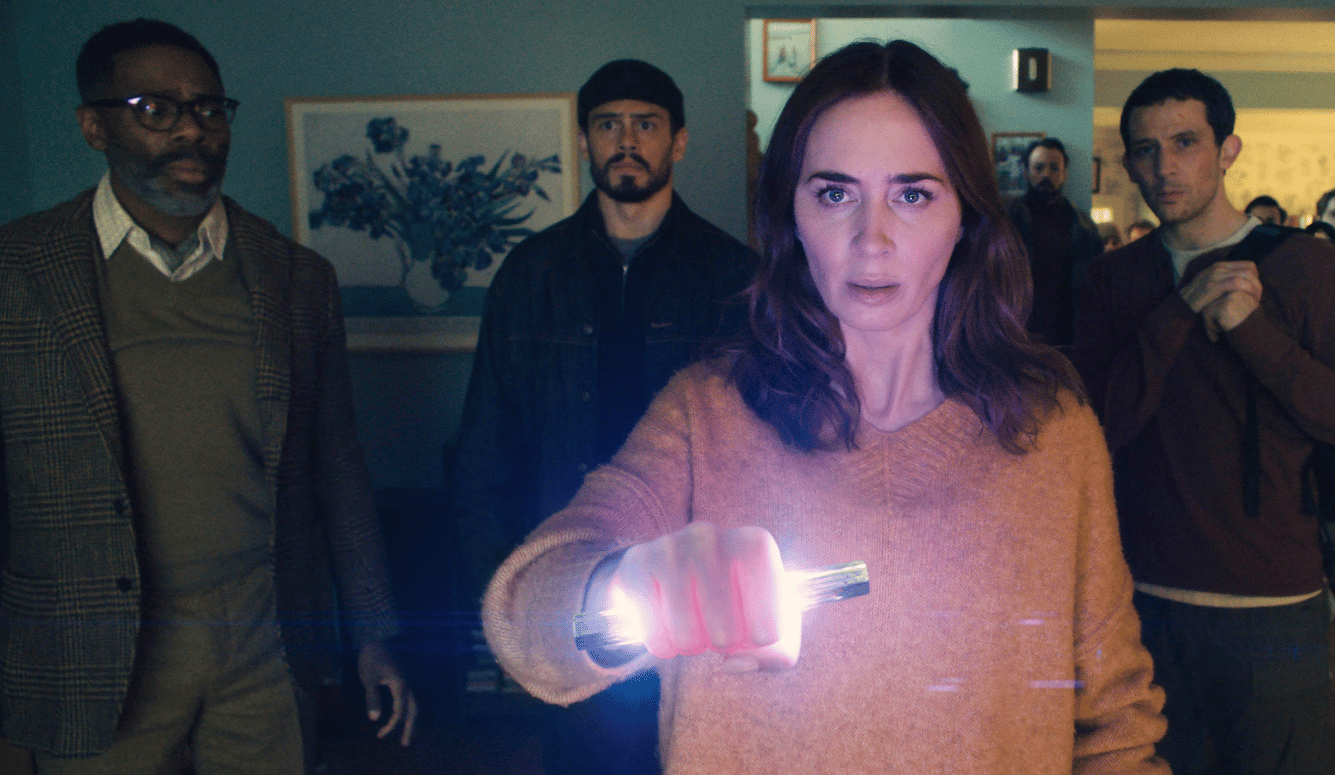
Total disclosure, as Spielberg imagines it, is a beautiful thing to watch. It is also a fantasy.
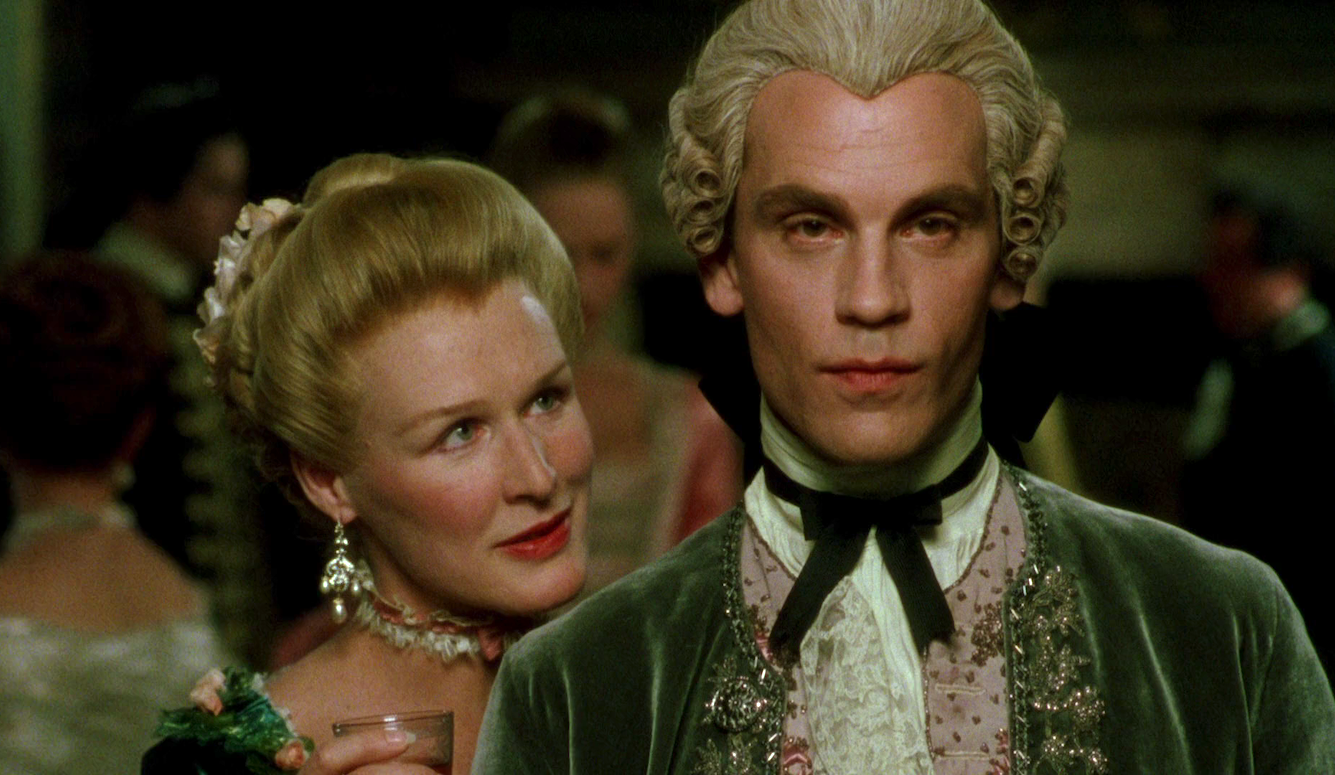
Nearly 250 years on, Laclos’s novel of seduction and treachery continues to scandalise.

Outrage over a black Helen of Troy misunderstands the long Western tradition of radically reinventing classical myths.
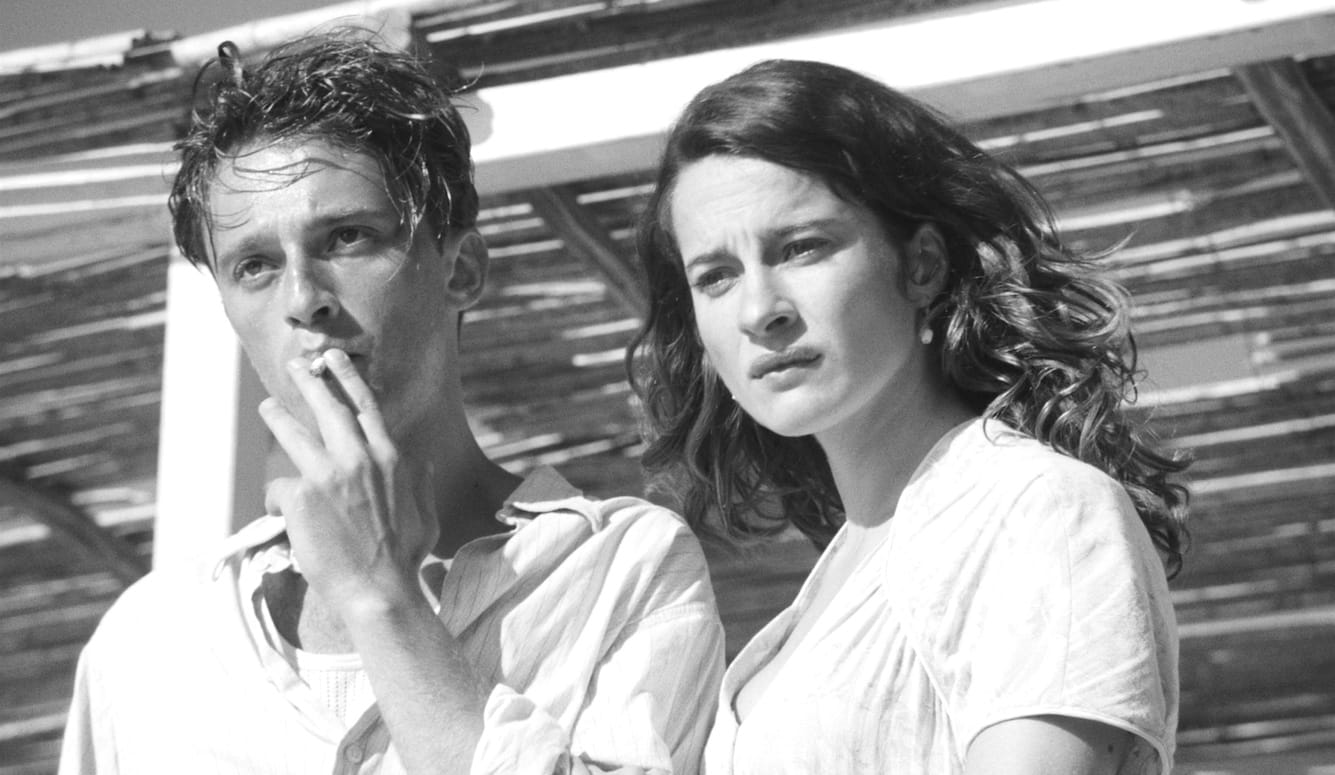
It would be very difficult to make a great film from a source as flawed as Camus’s novel, but Ozon has managed to make a very good one.

The new film 'Project Hail Mary' based on Andy Weir's bestselling novel, celebrates scientific problem-solving on a cosmic scale. There are striking parallels with David Deutsch's radical optimism.
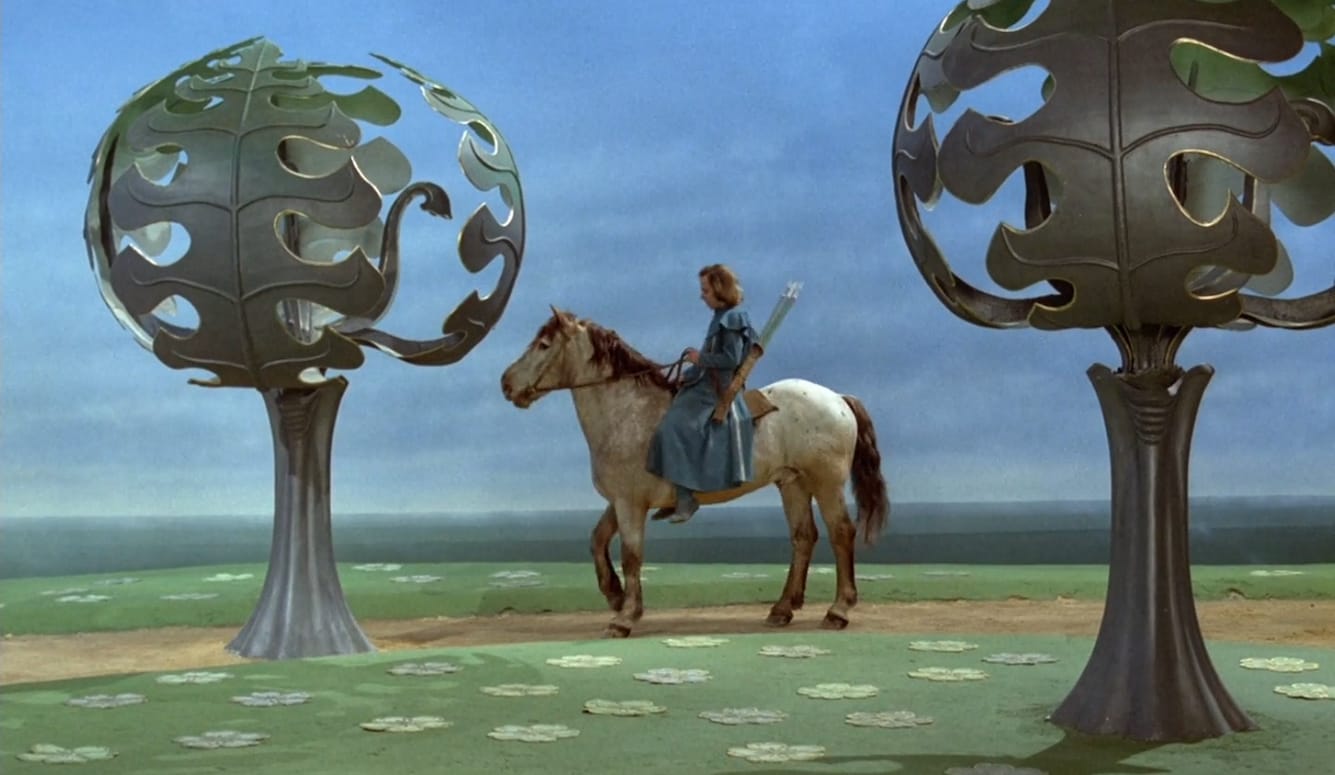
Éric Rohmer’s Perceval le Gallois (1978) vividly recreates the imaginative world in which the people of the Middle Ages lived inside their heads.