
Literary Submission Policies Shouldn’t be Color-Coded
Some American journals now have two fee structures—one for white applicants, and one for everybody else
Leigh Ann O’Neill, Brent Morden
· 4 min read
A collection of 62 posts
Some American journals now have two fee structures—one for white applicants, and one for everybody else
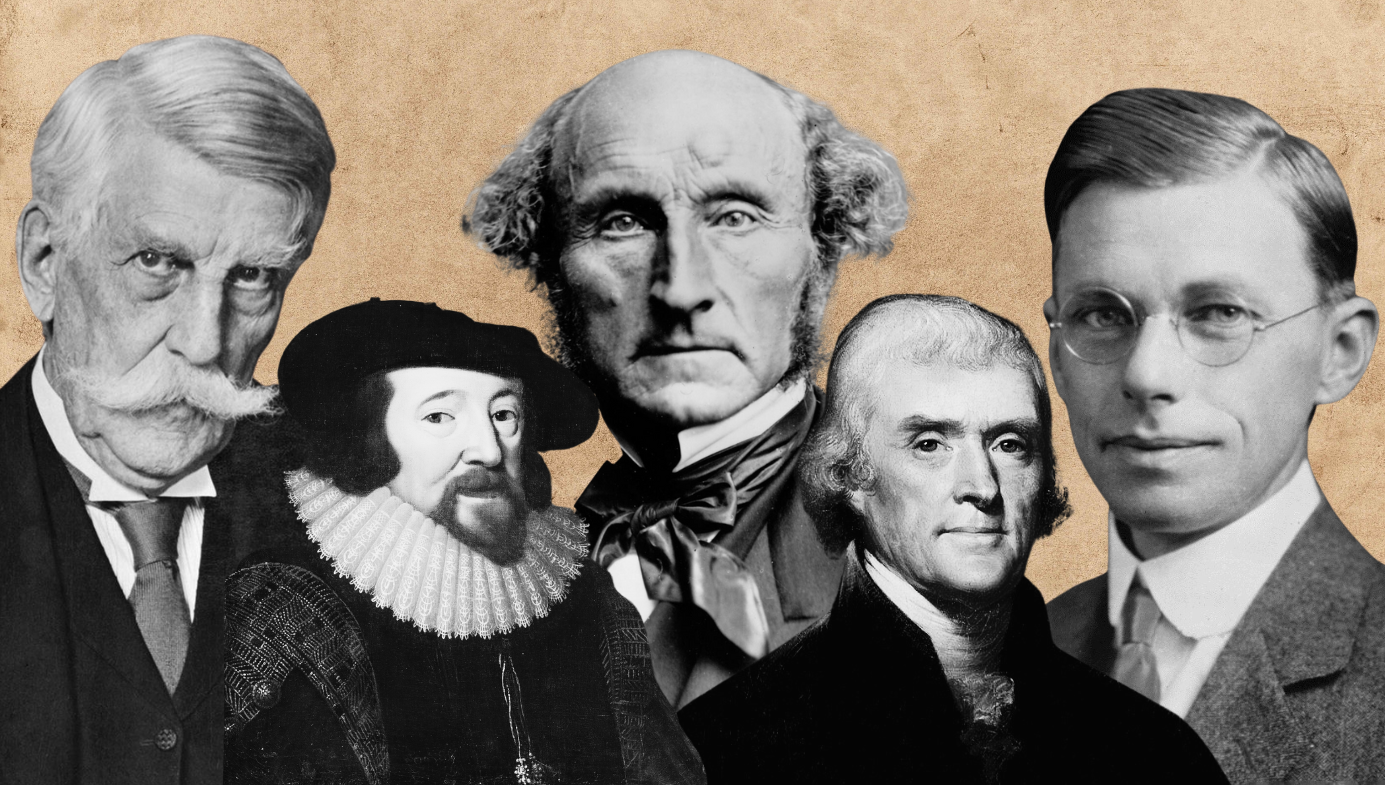
This 1949 primer shows us there’s nothing new about today’s controversies about free speech on campus.
How dissent is policed in social science.
In 2020, a Canadian university tore up its psychology department in search of a non-existent network of sexual predators. Documents obtained by Quillette reveal how administrators allowed it to happen.
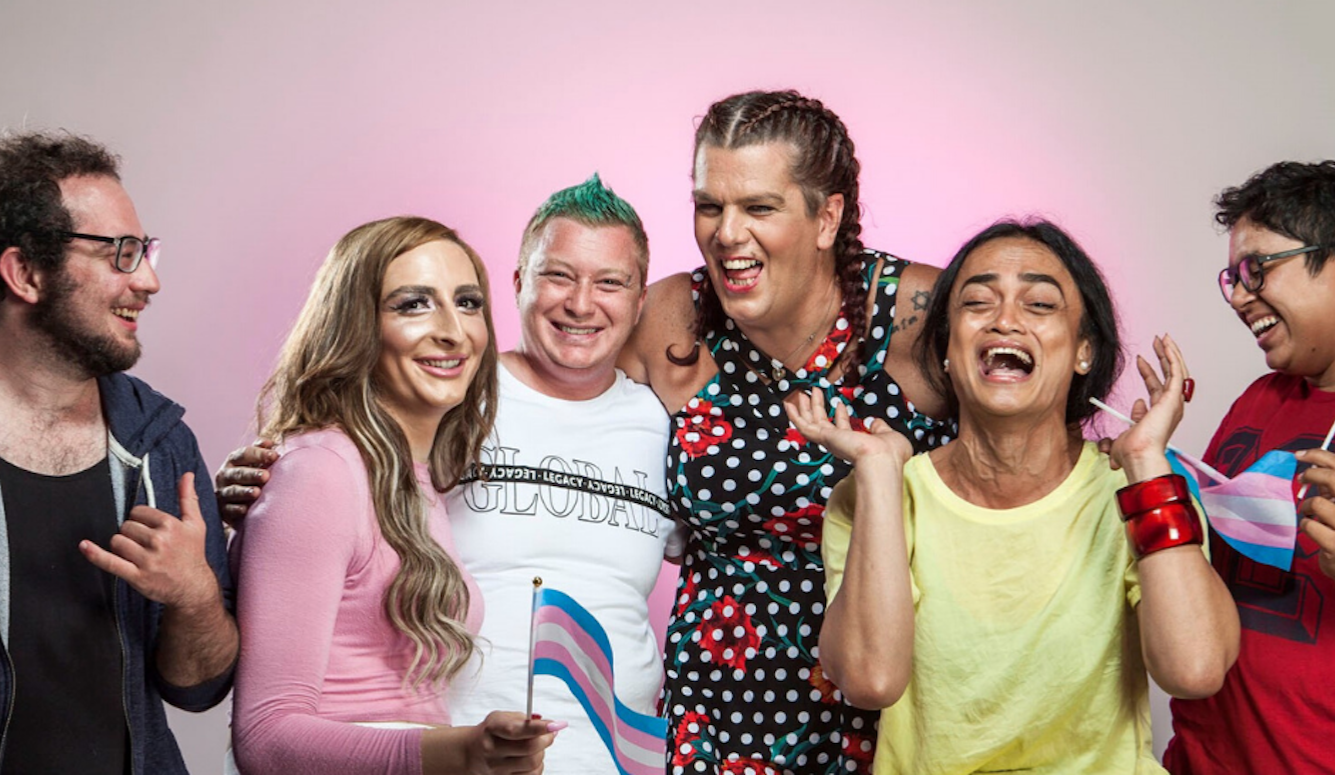
Across the English-speaking world, the discussion of trans rights is governed by taboos, sacred myths, and, in some cases, outright lies.
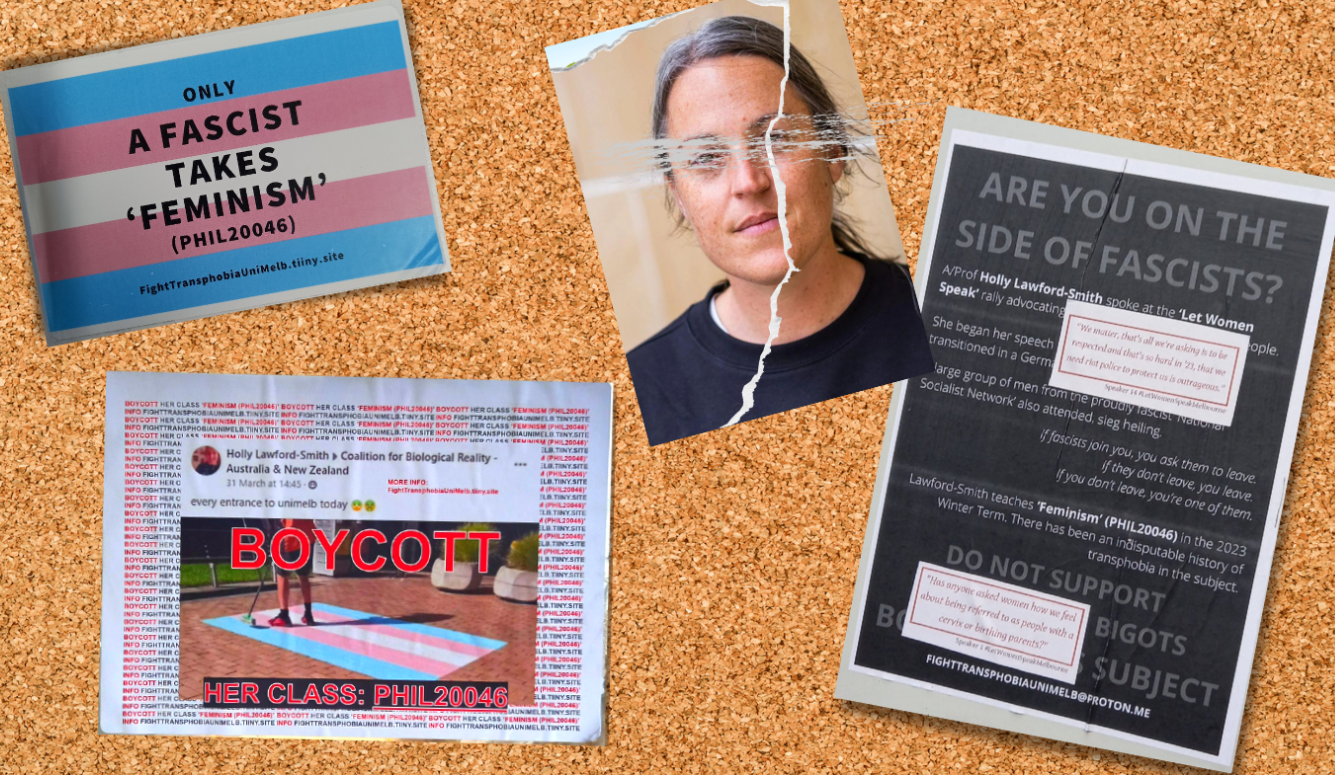
As universities try desperately to serve two masters (knowledge production; diversity and inclusion), they will increasingly end up sanctioning speech that should be protected.
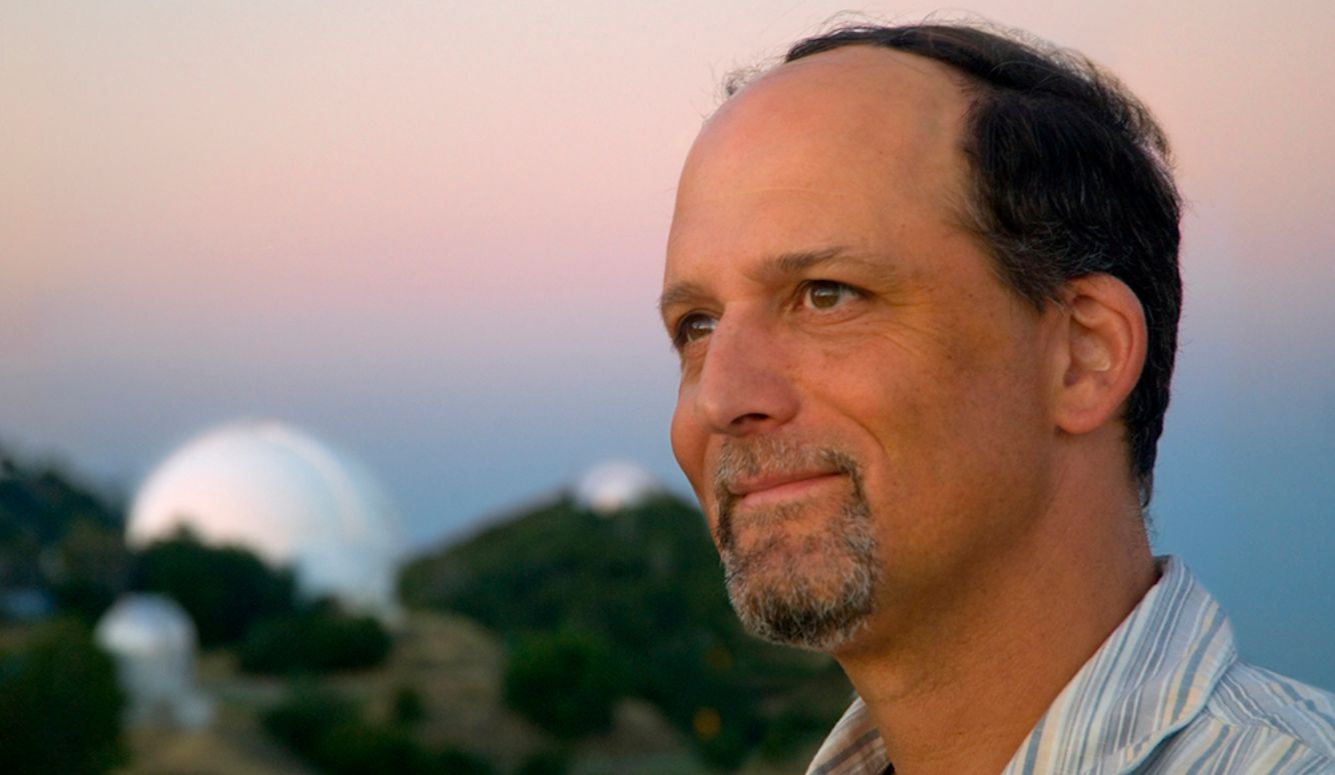
By demanding that morality tests be imposed on scientific journal authorship, Geoff Marcy’s critics are creating a dangerous precedent.
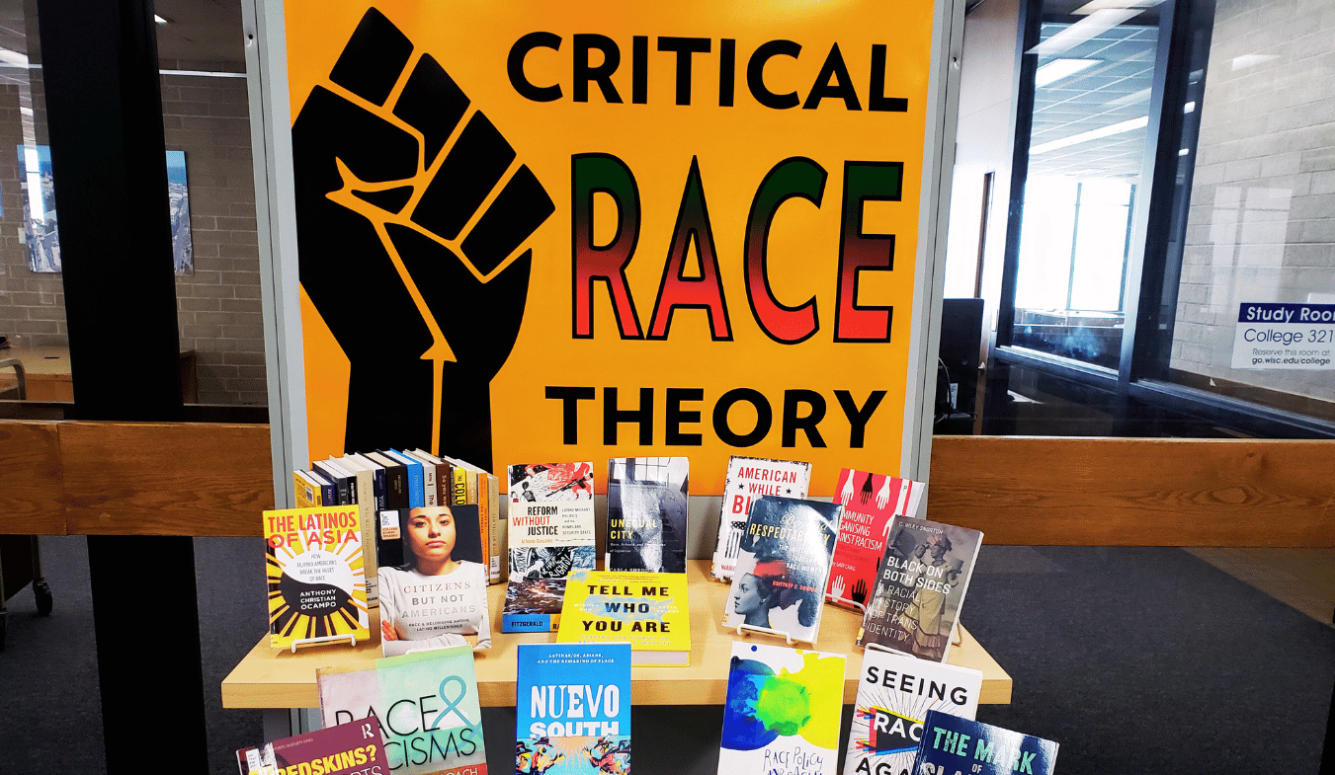
For many critical theorists, the true dividing line isn't privileged people versus the oppressed; it's people who agree with them versus those whose motives cannot be trusted.
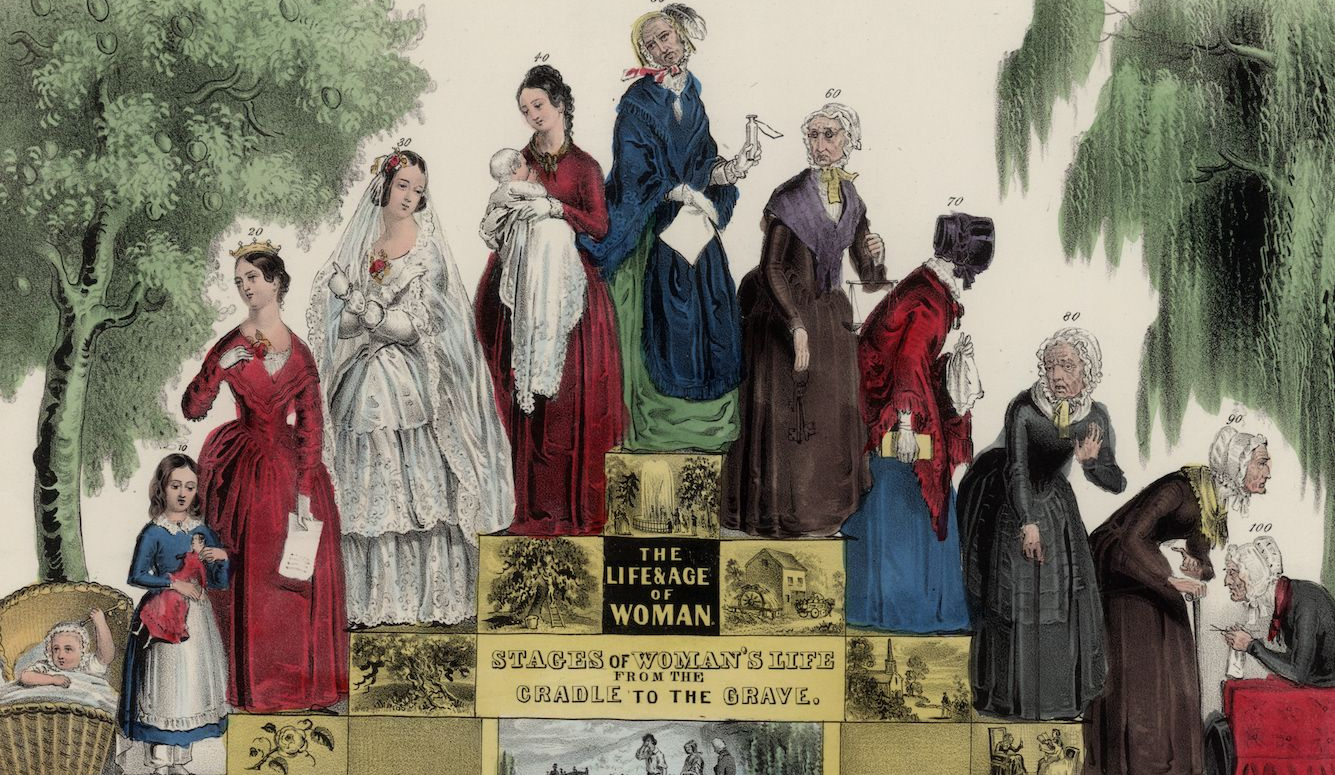
An April 17 Quillette article about sex and gender by MIT scholar Alex Byrne prompted yet another round of debate and denunciation among his contemporaries.

An MIT professor describes the outraged reaction from fellow philosophers when he argued that a woman is an adult human female.
Most professors would rather watch it die than reform.
The problem isn’t that some academics are activists. It’s that some academics do activism badly.

Organisations should apply the principle evenhandedly.

Overly burdensome rules dampen enthusiasm for research and delay scientific progress.

Academia is a mess, but there is still hope.