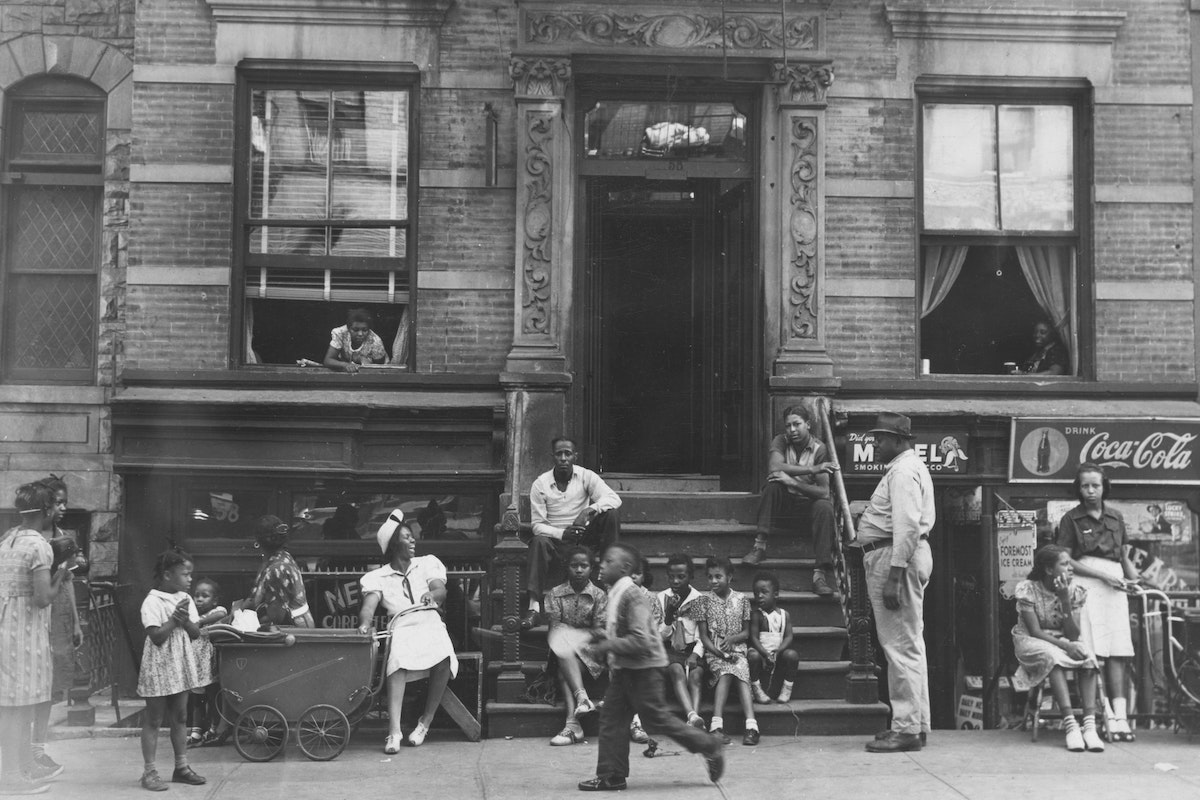
On Race and Inequality—A Reply to Nathan J. Robinson
The reality is that virtually no two ethnic groups in history have ever achieved equal outcomes on all measures, anywhere, ever.
Samuel Kronen
· 10 min read
The reality is that virtually no two ethnic groups in history have ever achieved equal outcomes on all measures, anywhere, ever.

Local anti-racism activists made Korchinski-Paquet a poster child amid the larger campaign to discredit the police.
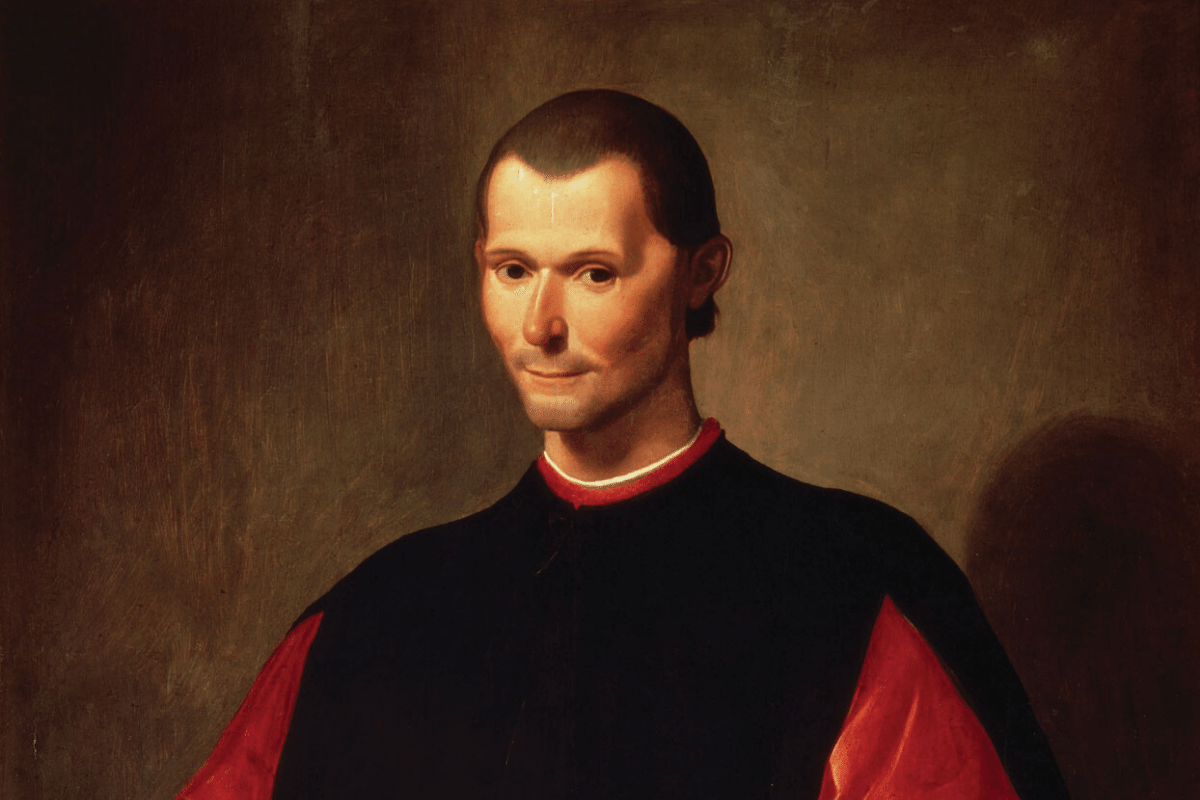
In every political system, one hopes that the cream rises, that the rulers or governors will be the best and the brightest.

White nationalists and the far-Right seemed to be ascendant in 2016 after Donald Trump won an unexpected victory in the US presidential election.
Marx’s ideas have been debunked by economists; Freud’s ideas have been debunked by psychologists.

One of the justifications offered by the cultural-appropriation mob that came after me is that you cannot speak for others unless you are the other.

The complaints of structural racism and a desire to abolish foster care will sound familiar to anyone who has been listening to the recent debate about policing.

On May 30th, 2020, SpaceX’s Falcon 9 rocket launched from NASA’s facility at Cape Canaveral. Hidden in the roar of the thrusters was the crack of a starting gun for the second era of human expansion: The era of private crewed space exploration was on. During the last

Progressive LGBT activists who abandon their values so they can go all in on a digital hatefest are no better than the bigots they purport to oppose.
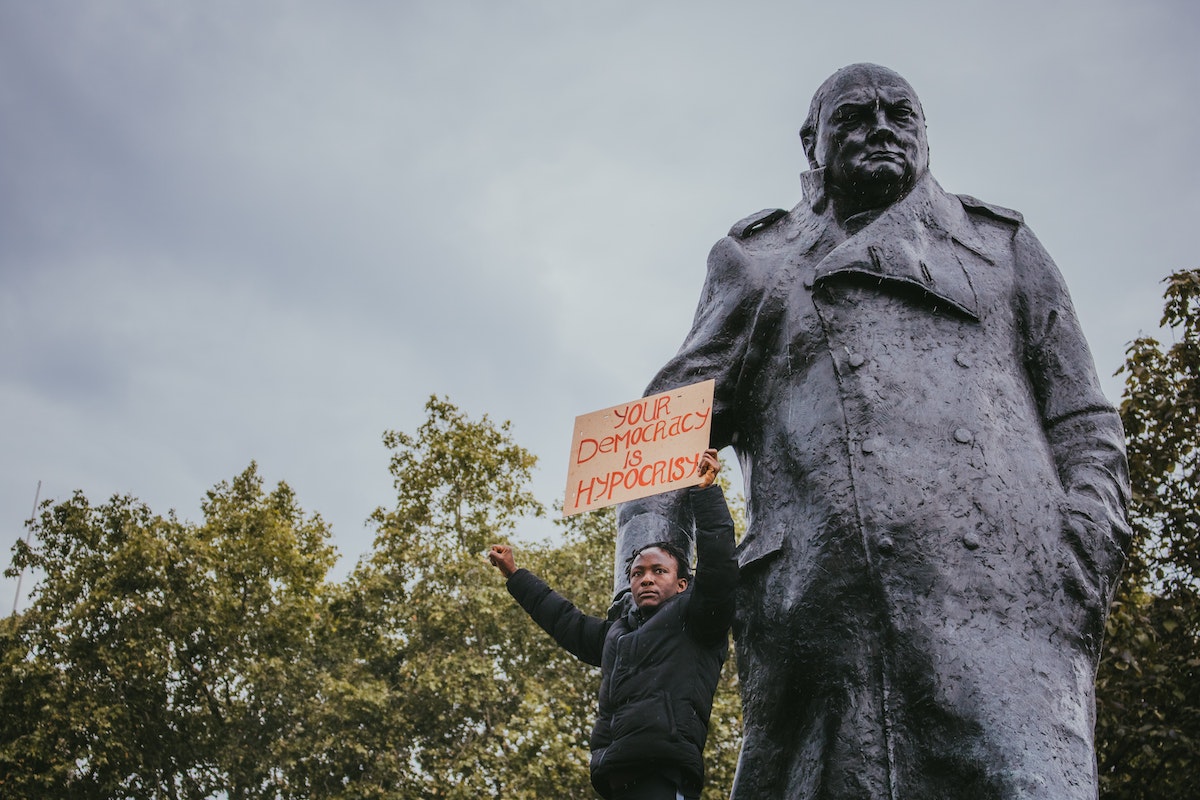
And this neo-totalitarianism has learned from the past: It has its inquisitions, its auto-da-fes, its purges and cultural revolutions, reeducation and self-criticism sessions, and above all the ostracization and ultimate erasure of dissidents.

Most healthcare experts basically agree that there is still too much uncertainty about COVID-19 to play football safely this fall.

A consensus has grown in the UK among Conservatives and much of Labour that it needs nuclear not just for climate change but also to reduce its dependence on imported natural gas.

True progress in medicine can only be accomplished when we maintain a consistent standard of scientific excellence and honest inquiry.
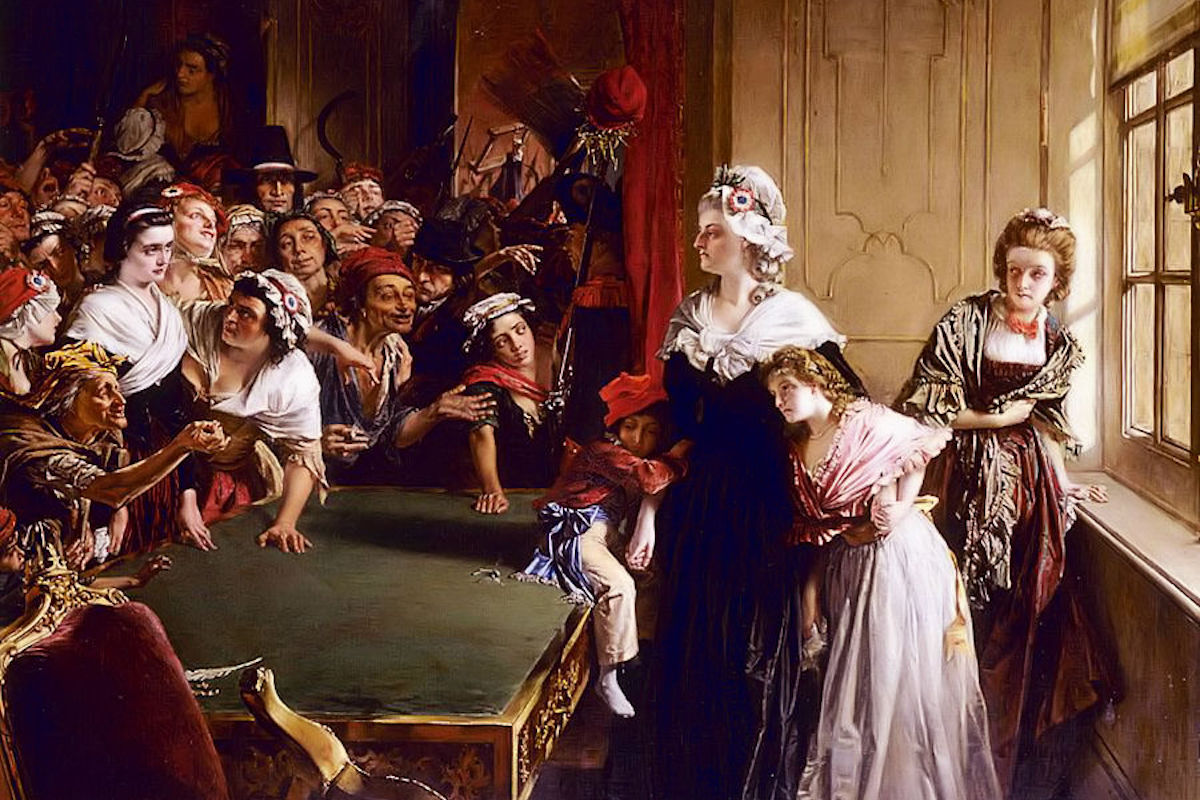
Marie Antoinette was not entirely innocent in her lifetime; in fact, she was guilty of many extravagances.

It’s more important to fight racism than to stop the spread of the disease.