Anthropology
What the Navigators Knew
David Lewis’s classic study of Pacific wayfinding shows how Indigenous knowledge can be taken seriously—neither romanticised nor dismissed.
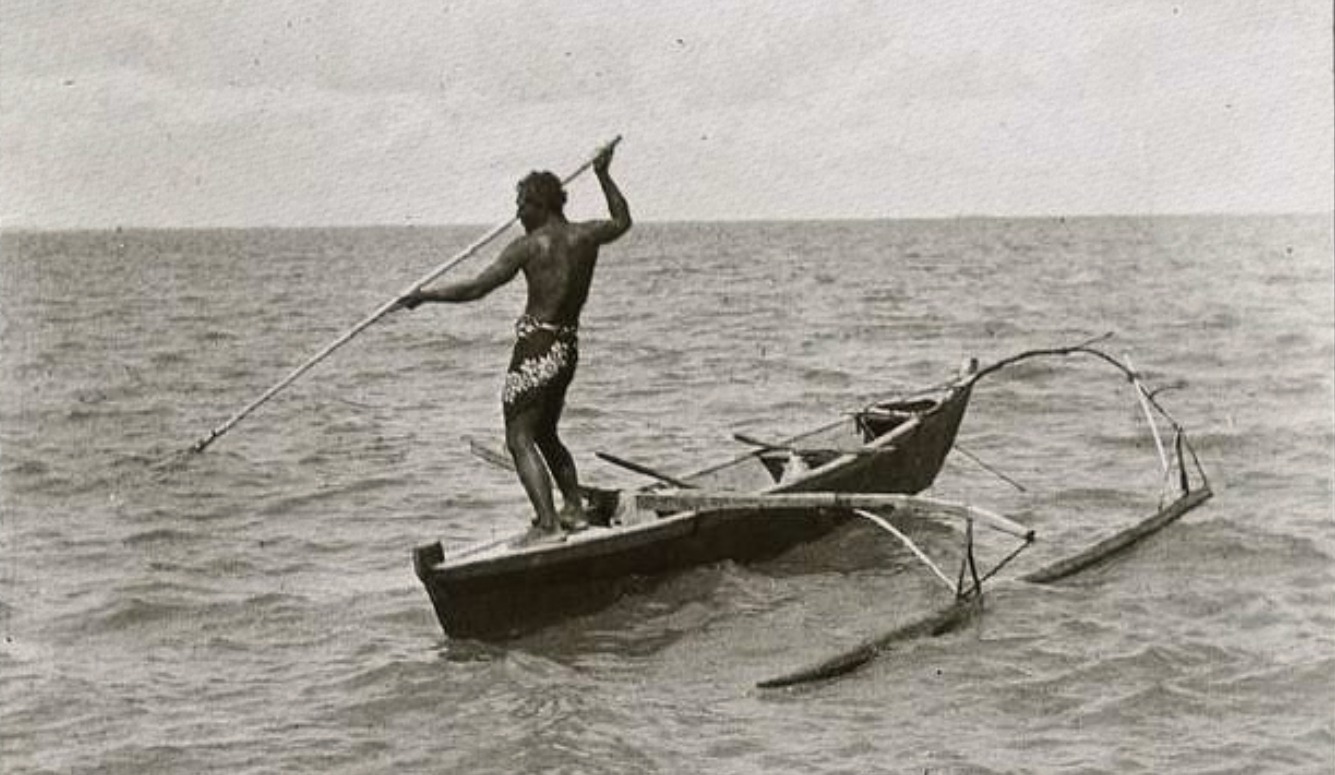

By the late 1960s, physician, sailor and navigator David Lewis had become increasingly concerned that a remarkable body of human knowledge was in danger of disappearing forever. Across the Pacific, the last generation of traditional deep-sea navigators—whose orally transmitted knowledge allowed them to guide canoes across thousands of miles of ocean—were ageing and dying. Determined to record what they knew before it was lost, Lewis spent years sailing with these master mariners, attempting to understand how they navigated.
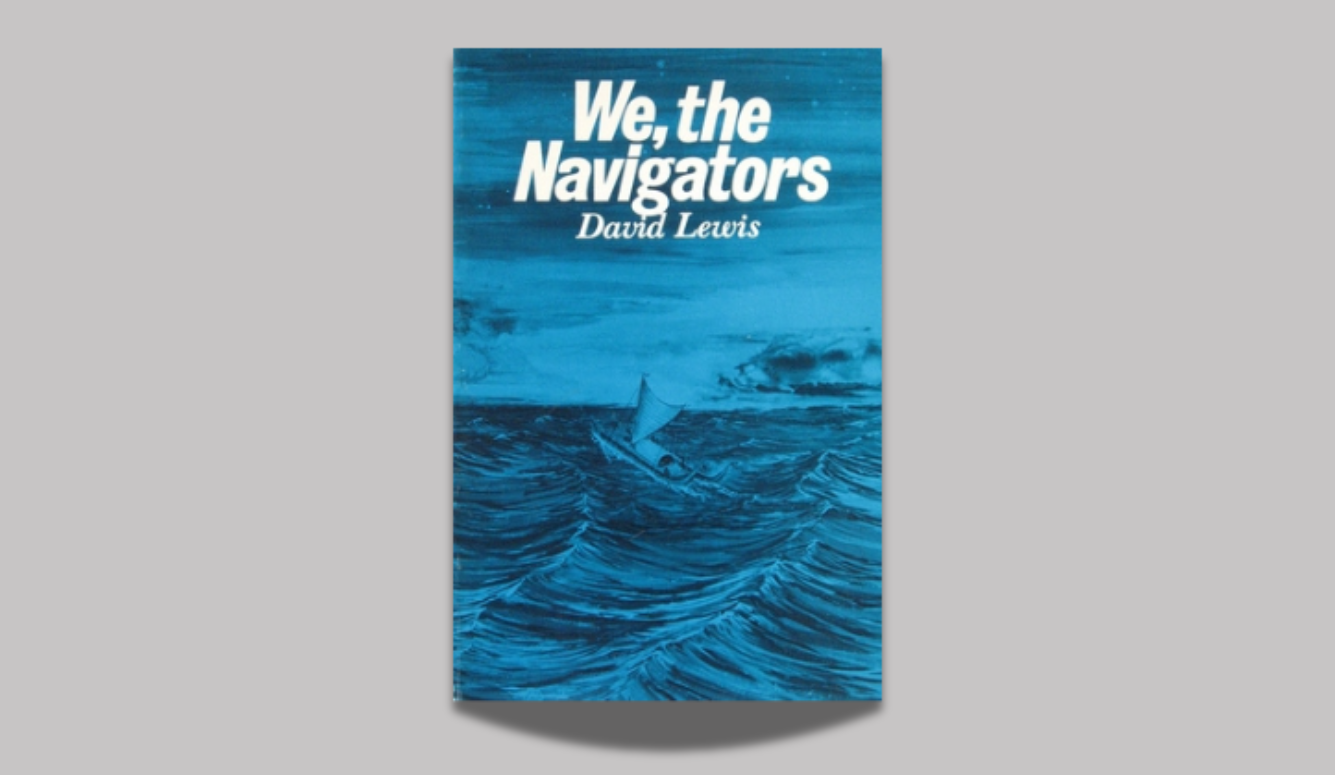
The result was We, the Navigators, first published in 1972. Drawing on his research among traditional sailors in Micronesia, Melanesia and Polynesia, Lewis documented in meticulous detail the techniques by which Pacific sailors found their way across the open seas without the charts and instruments of modern navigation. This landmark account of how a traditional knowledge system worked in practice also helped illuminate one of history’s great puzzles: how ancient peoples had crossed and settled an ocean covering almost a third of the Earth’s surface. In the decades since Lewis’s original research, archaeology, linguistics and, most recently, genetics have revealed ever more detail about this extraordinary feat.
Yet even as modern science continues to transform our understanding of humanity’s deep past, arguments have emerged over how such knowledge should be interpreted—and, indeed, who has the authority to produce it.
Across the Anglosphere, traditional Indigenous knowledge systems are increasingly being discussed not simply as accumulated practical expertise, but as distinct “ways of knowing”—often described as holistic and relational, and as inseparable from ancestry, place and lived experience, rather than, like modern science, a detached body of objective knowledge. These ideas form part of a wider movement to “decolonise” knowledge by challenging the historical dominance of Western intellectual traditions. In New Zealand, for example—the largest landmass settled by ancient Pacific sailors—the incorporation of Mātauranga Māori (traditional Māori knowledge) into the school curriculum has prompted fierce debate about the relationship between traditional knowledge and empirical science. At stake is not merely cultural authority, but whether different knowledge traditions should be judged by the same standards, and even what it means for something to count as knowledge in the first place.
Of course, recovering traditions and voices that may have been neglected or suppressed, and recognising the accumulated knowledge they contain, can be a legitimate, even laudable, project. Yet, as with other modern culture war controversies, debates about Indigenous knowledge are often coloured by one of two extremes: either the claim that traditional ways of knowing are equivalent to empirical science or a valid alternative to it; or the charge that they are little more than “primitive” superstitious mumbo-jumbo.
Written long before today’s ideological disputes arose, We, the Navigators therefore provides an unusually clear lens through which to examine the ground between the extremes of romantic mystification and dismissive scepticism. How, for example, should we understand a body of knowledge that can be highly effective and sophisticated, yet has developed outside the institutions and conceptual framework of modern science? And when such knowledge is described as a different “way of knowing,” what exactly does that mean?
Keep reading
What the Navigators Knew
Gemma Tognini on Australia’s Political Revolt

Rubio in Athens

How France Lost Control of Its Streets

How to Suppress Men’s Writing