Europe
How France Lost Control of Its Streets
From the riots of 2005 to the scenes of urban guerrilla warfare on 17 and 18 October, violence in French cities has grown increasingly intense. And the authorities are struggling to respond.

Editor’s note: This article was originally published in French in Le Point on 21 October 2026, under the title « Violences urbaines : vingt ans d’impuissance ». It has been translated into English and republished in Quillette with permission.
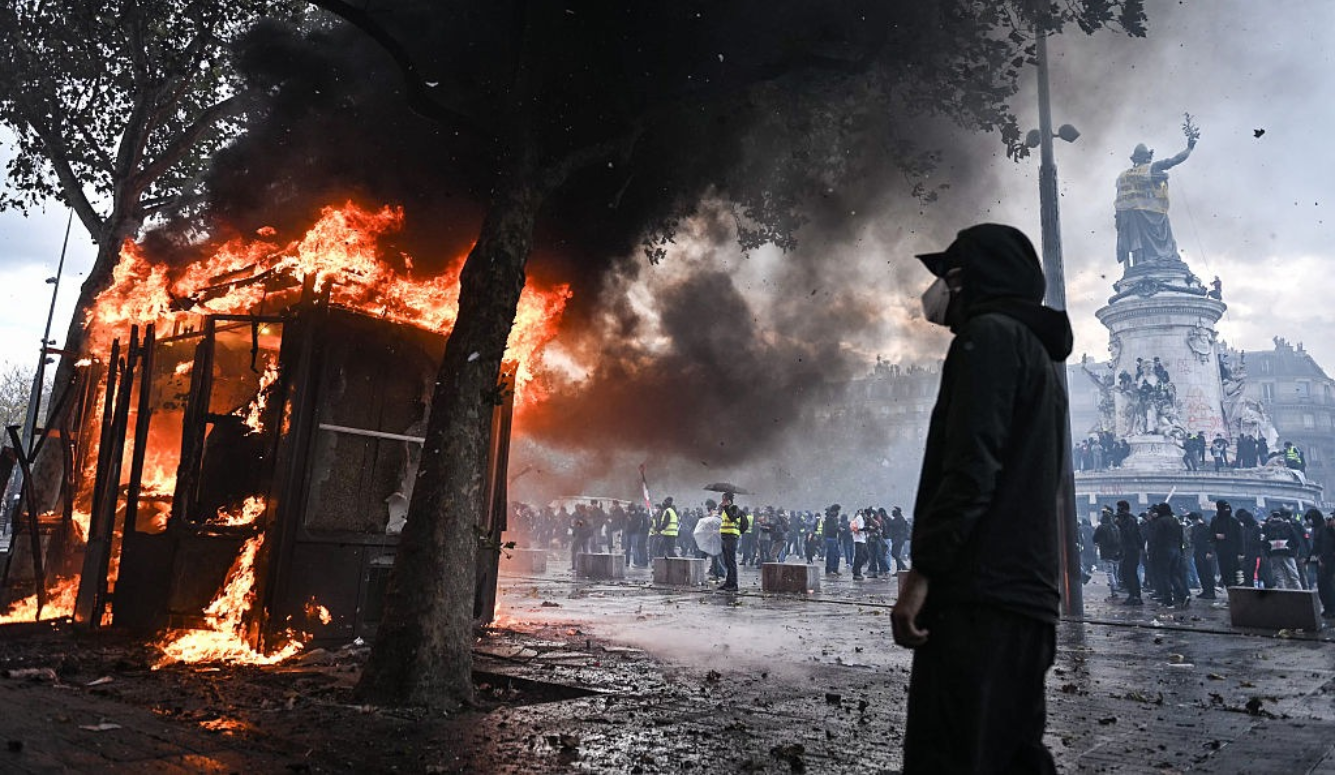
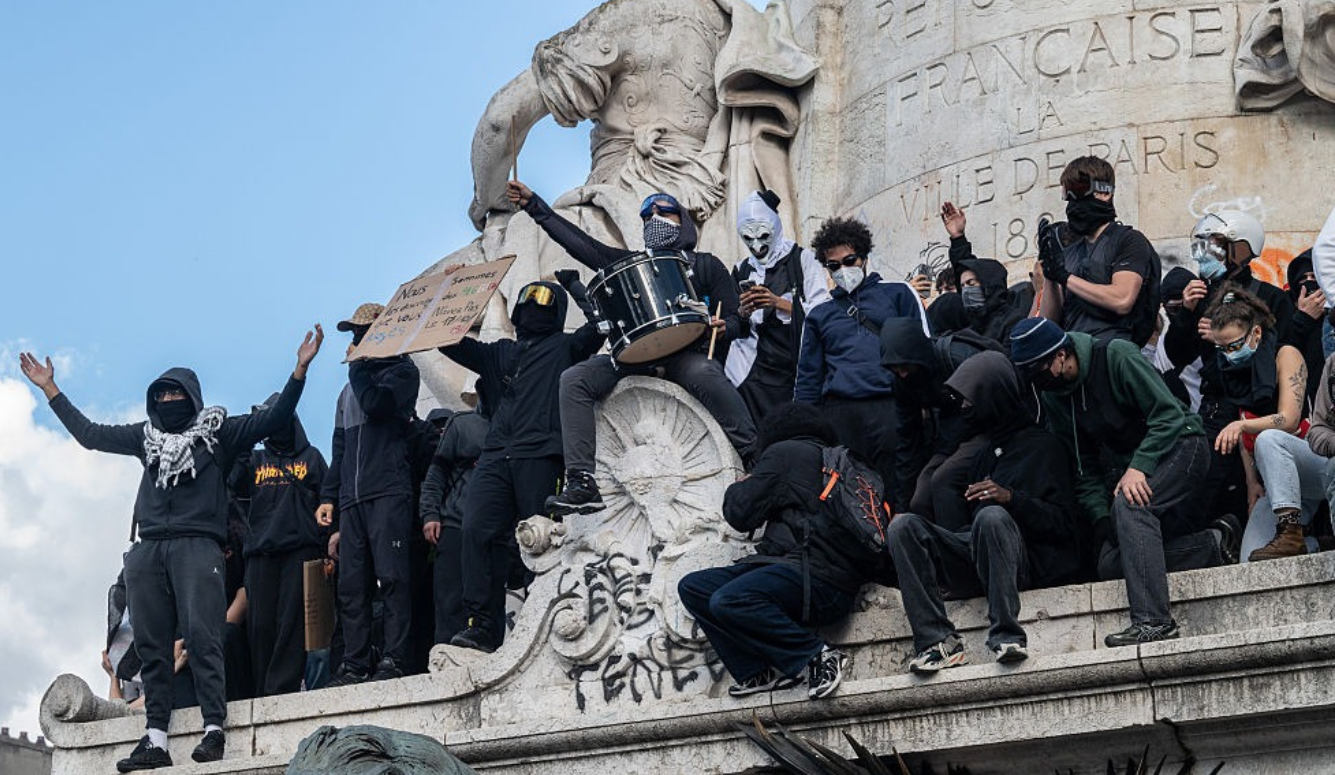
Are we to understand that the worst is yet to come? It is a reasonable question, given the images of destruction, looting, and assaults that have accumulated over the past twenty years. The violence reached its peak over the weekend of 17–18 October, when 997 members of the security forces were injured, nearly 2,400 people were arrested, and more than 3,000 businesses were damaged. Images of chaos in French cities circulated around the world.
The security forces were put through an ordeal, sometimes forced to retreat in the face of the rioters’ hatred. “I was afraid I was going to die… That had never happened to me before. Not during the riots following Nahel’s death, nor during the Yellow Vest protests,” confides Marc (not his real name), a police officer responsible for maintaining public order in Marseille.
Faced with the sheer number of rioters, compagnies de marche—police units assembled on an emergency basis—were mobilised. “These are officers from emergency response units, neighbourhood policing, and anti-crime brigades, who are brought together under a single command and sent out to try to restore order,” Marc explains. “But this is absolutely not their job. They were completely overwhelmed. They don’t have the equipment, the protective gear or the gas masks, and they don’t know how to operate grenade launchers.” This gives some indication of the panic that gripped the authorities. And then there are the images of people maimed by grenades or by the security forces’ less-lethal projectile launchers (lanceurs de balles de défense), which fire rubber projectiles.
The government counted 248 students injured over nearly a month of secondary-school protests, including a 15-year-old boy in Lens whose hand was blown off and a 16-year-old who lost an eye after being struck by a rubber bullet.
Things Were Better Before
In recent years, the public security apparatus designed to guarantee a minimum level of civil peace has struggled to fulfil its purpose. Gone are the days when trade unions marshalled large demonstrations with their own security teams, sometimes as formidable as that of the Communist League, which was dissolved in 1973 following violent clashes with police and the far-right group Ordre Nouveau. The disciplined demonstrators have disappeared. “The period from the 1970s to the early 2000s is known among researchers as the golden age of public order,” explains Senator David Margueritte, a member of the centre-right Republicans and co-rapporteur of a Senate fact-finding mission into the future of public-order policing. “These were large, organised demonstrations, supervised by trade unions with their own security teams, all taking place within a framework of close dialogue with the police, who were regarded as partners rather than adversaries, in the name of the freedom to demonstrate.”
Significant looting on the fringes of demonstrations first appeared in 1994, during protests against a proposed youth employment scheme known as the Contrat d’insertion professionnelle, when gangs of vandals attacked shops and demonstrators. Following the more or less spontaneous riots of 2005, triggered by the deaths of Zyed Benna and Bouna Traoré in Clichy-sous-Bois, the phenomenon resurfaced in 2006 during protests against the Contrat première embauche, a proposed first-employment contract for young workers. Gangs of thugs targeted young demonstrators, stealing their mobile phones and MP3 players before turning on the police. Trade unions and parents tried to intervene, but the pattern had been established.
Keep reading
How France Lost Control of Its Streets
How to Suppress Men’s Writing
Back to the Dark Ages

Prison or Peer Review

France’s Imaginary Austerity