Art & Culture
Back to the Dark Ages
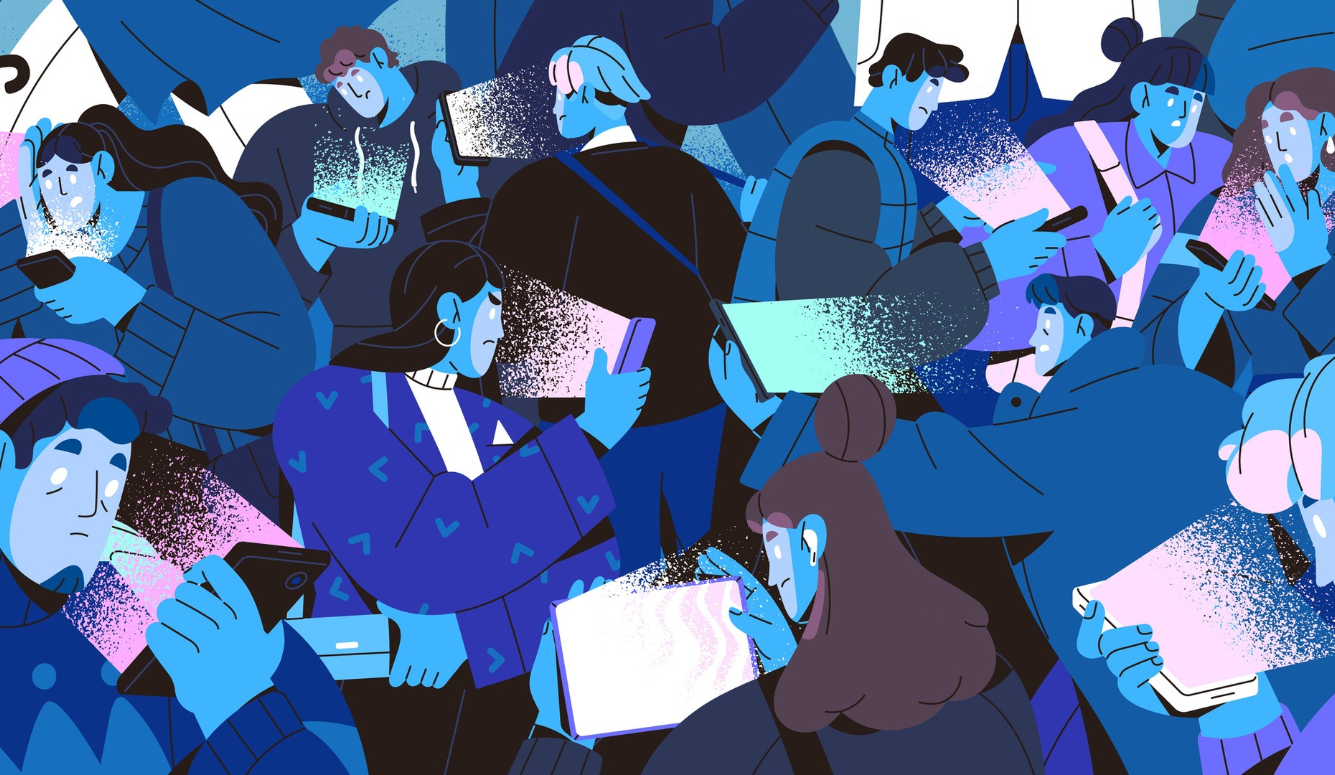
In the age of the smartphone, people ‘read’ more than ever before. But the reading of books, newspapers, and other long-form content has fallen dramatically—with detrimental effects for society.

A review of The New Dark Ages: The End of Reading and the Dawn of a Post-Literate Society by James Marriott; 208 pages; Jonathan Cape (January 2027)
The author is dead, the French philosopher Roland Barthes famously declared in 1967. Now it seems the book is, too. Surveys from across the world show an ever-decreasing appetite for literature. In the US, the percentage of thirteen-year-olds who claimed to never or hardly ever read for pleasure rose from 8 per cent to 29 per cent over the four decades between 1984 and 2020. In the UK, the percentage of children who said they enjoy reading in their free time fell 36 per cent between 2005 and 2025. The stats are not much more encouraging for older generations, with nearly half of all adults in the UK and a quarter in the US claiming to have read no books at all in the past year.
This is not a new or sudden development. As early as 1985, the media theorist Neil Postman was writing about how the rise of television had relegated reading to a distant second place on the podium of recreational entertainment. But the decline of the book has, until recently, remained steady, not to mention masked by the fact that literacy rates have continued to improve across the globe. Text is, after all, everywhere: on our social media sites, on our subtitled TV shows, on the countless placards and signposts and advertisements that have saturated the modern world. If reading is good because it stimulates the mind, as the advocates of literature often say, then our brains are more engaged than ever before.
But there is a difference between reading and reading; between the cursory consumption of signs and symbols, and the engagement with well-developed thoughts and ideas that can only truly be performed by sitting down with a good book. In the age of the smartphone, people ‘read’ more than ever before. But the reading of books, newspapers, and other long-form content has fallen dramatically—with detrimental effects for society. This is the thesis expounded by James Marriott in his new book, The New Dark Ages.
Keep reading
Back to the Dark Ages
Prison or Peer Review
France’s Imaginary Austerity

The Limits of Perfectionism