Podcast
Watching a Cancelled Novelist Confront His False Accusers
Podcast host Jonathan Kay speaks with Amy Hamm about Steven Galloway’s legal campaign against the University of British Columbia scholars who promoted baseless allegations that he was a rapist.
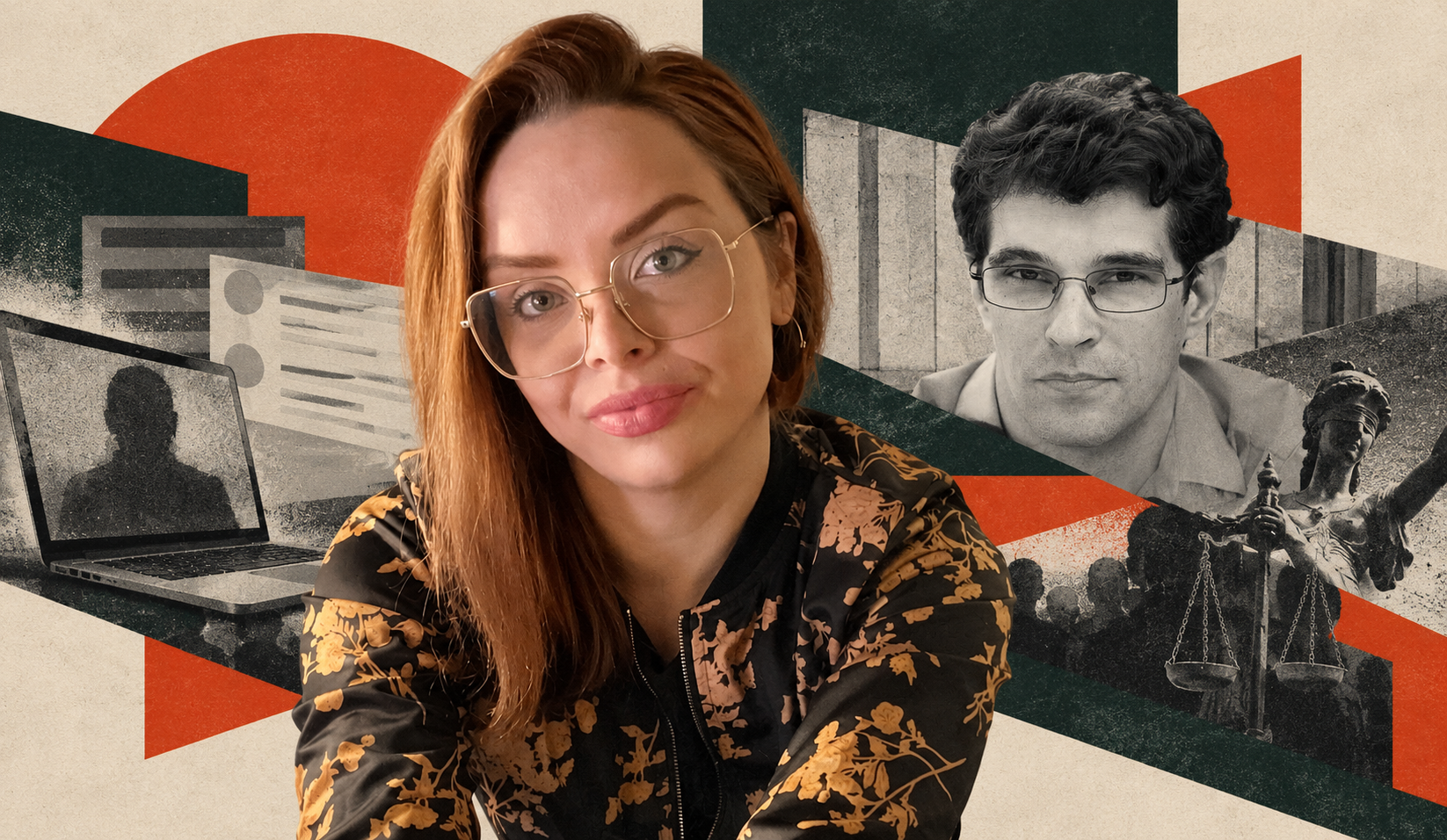
Today, we’re going to talk about one of the great epics in the annals of Canadian cancel culture—a story so foundational to the genre that it precedes the popularisation of the term “cancel culture” itself.
I am speaking of the campaign against Steven Galloway, a successful Vancouver-based Canadian writer who once sat at the very pinnacle of the Canadian literary establishment.
Back before his cancellation eleven years ago, Galloway had not only achieved international stardom with his famous 2008 novel, The Cellist of Sarajevo, but he also occupied the top spot in the creative writing program at the University of British Columbia, one of Canada’s top schools.
 Brad Cran
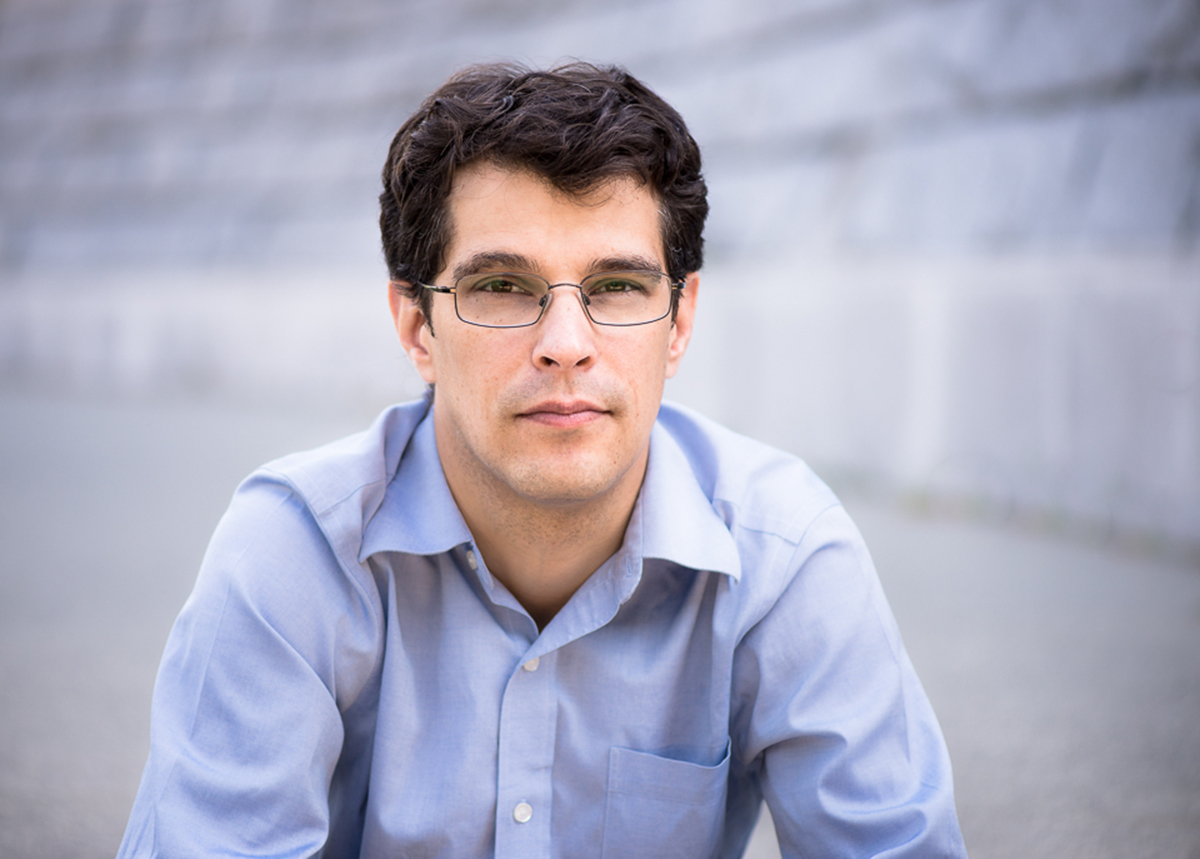
Then it all came crashing down in late 2015 following false rape allegations by a middle-aged student at his school with whom he’d once had a consensual affair—a woman whose name is well known if you look for it online, but whom I’m not allowed to identify on this podcast for legal reasons that will be explained.
As you’ll hear, the rape accusations at the heart of the smear campaign against Galloway were baseless. Even the woman who originally made those allegations no longer argues that they were ever true.
But back in the era of #MeToo and #BelieveWomen, the grandees at UBC acted as if Galloway had already been tried and convicted. The university put out a mass-broadcast message to students suggesting that Galloway was some kind of predator. He was suspended and then fired from his job. His close friends within the department—including a woman named Annabel Lyon, who quickly took over the top position in the department following Galloway’s ouster—not only participated in this despicable mobbing. They led the mob.
UBC’s treatment of Steven Galloway is the biggest Canadian academic scandal in living memory, but the university itself has spent millions trying to cover it up and hasn’t investigated any of the main players. Annabel Lyon, who personally led the campaign to frame Galloway (and… https://t.co/IQEjhAxszZ
— Jonathan Kay (@jonkay) October 15, 2026
And they didn’t just stop at rape allegations. These ex-friends and ex-colleagues deputised one of Galloway’s former students, a naïve young novelist named Chelsea Rooney, to go out and dig up more dirt on Galloway.
Rooney seemed to have been conned into believing the rape accusations were true. At one point, she boasted to Annabel and the other ringleaders that she’d lined up more than a dozen other women willing to claim that they too had suffered at Galloway’s hands.
But then, in 2016, the case against Galloway fell apart. The university brought in a real investigator—a retired British Columbia Supreme Court judge named Mary Ellen Boyd. And she concluded that the rape claims against Galloway were unsubstantiated. Indeed, the stories didn’t even make sense.
Brad Cran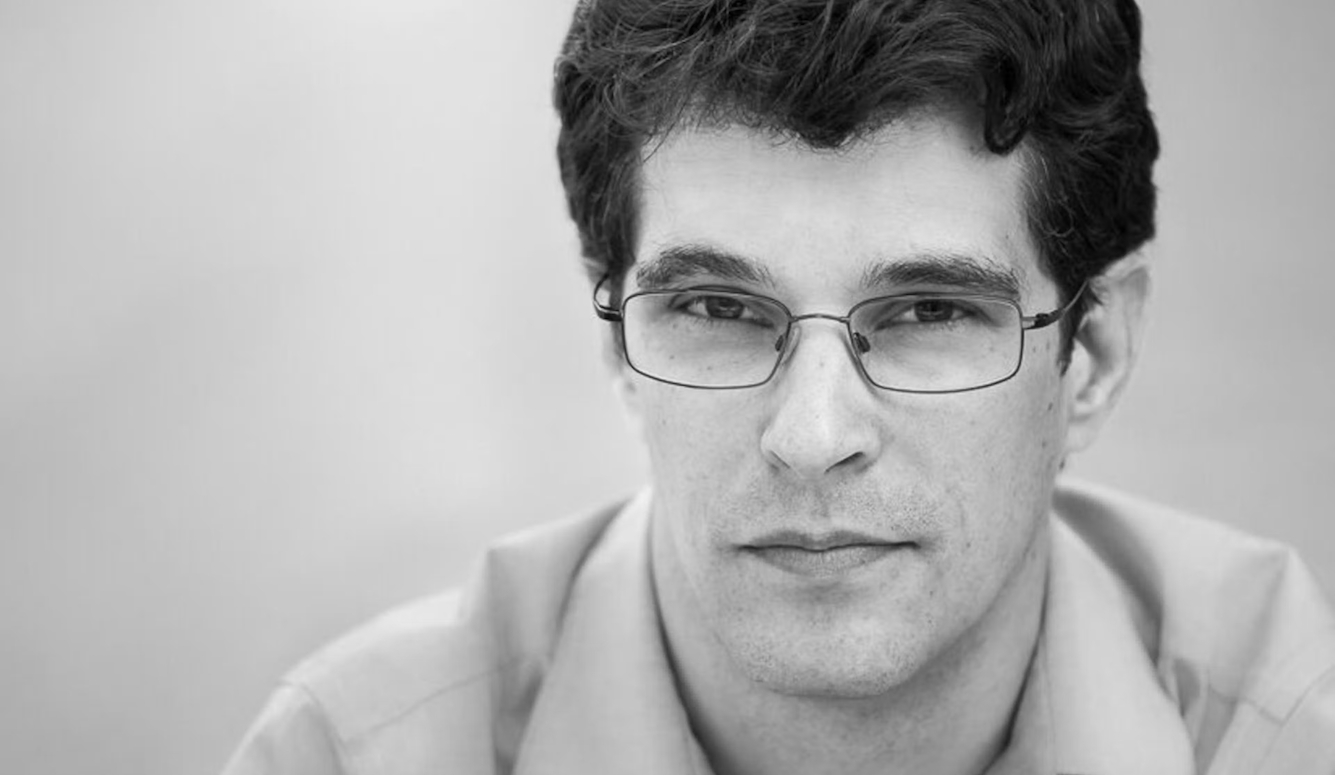
Boyd also concluded that the other claims against Galloway that Rooney had harvested didn’t even have anything to do with sexual assault—they were just random complaints about his personal behaviour on this or that occasion. The whole case against him was a farce.
But this realisation came too late. The fix had been in from the beginning. At one point, Galloway’s former colleagues had even notified authorities in Ohio, where he was visiting when news of the false rape claims first broke, which resulted in him being detained in a psych ward overnight. This was the level of derangement—and arguably malice—that seized the UBC creative writing department during its propaganda campaign against its outgoing boss.
This propaganda campaign didn’t just destroy Galloway’s life. It also destroyed the fabric of the Canadian literary community. That’s because anyone within “CanLit” who dared stand up for Galloway’s right to due process was viciously attacked on social media as a rape apologist by the community’s ideological enforcers.
Even Margaret Atwood, one of the most successful writers in Canadian history, was denounced in this manner when she stated the obvious fact that Steven Galloway deserved the same presumption of innocence that everyone is supposed to get in a free and democratic society.
To give you a flavour of the ideological climate at the time, I’m going to play for you an edited and abridged two-and-a-half-minute section of a 2019 podcast from an obscure British Columbia writer named Hannah McGregor, a self-described “left queer public intellectual” who once ran a show called Secret Feminist Agenda. Her speciality was hectoring white Canadian women (such as herself) for their ideological sins.
And just to set the context here, you’re going to hear McGregor talk about something called UBC Accountable, which was the organising platform that Atwood and other dissenting writers used when they demanded due process for Galloway. As you’ll hear, McGregor clearly regards the very idea of Galloway getting any kind of due process as a kind of insult against intersectional feminism.
McGregor also goes after me, as this was seven years ago, and Quillette had just published the definitive analysis of the Galloway affair by a writer named Brad Cran, which, by the way, is still a great read. If you want to step away from this broadcast to get the complete background, the headline to Google for Brad’s article is A Literary Inquisition — How Steven Galloway Was Smeared as a Rapist.
Feel free to stop listening here, read Brad’s masterpiece, and then come back to the show later.
Okay? You’re back. Or you never left. Either way, let’s listen to podcaster Hannah McGregor summarise, in her own words, the ideologically approved take on the Galloway affair as she saw it in 2019.
Okay, so that was a long time ago. But it’s all front-page news again here in Canada because in 2018, Galloway sued the aforementioned Chelsea Rooney, Annabel Lyon and numerous other defendants for libelling him as a rapist.
And after eight long years of cynical legal manipulations by his false accusers—including the woman who once claimed she’d been raped—Galloway’s case is now being heard in a British Columbia court.
I should say that most of the original defendants, including both Lyon and Rooney, are not in court, because they threw in the towel and settled with Galloway before trial on what are believed to be substantial financial terms. In Rooney’s case, she just wrote a lengthy 11-paragraph public apology to Galloway, admitting how naïve she’d been to operate as an inquisitor on behalf of his false accuser. That apology appears alongside no fewer than ten others at the website GallowayApologies.com. As part of Galloway’s legal settlements with these defendants, these apologies will remain posted at that site for the next decade.
The trial isn’t expected to be over till mid-November. And given what Canadians heard from the likes of Hannah McGregor and the other ideological enforcers within CanLit back in the late 2010s, you might think that the courtroom would now be a beehive of feminist fervour, with supporters of Galloway’s accuser present to demonstrate their moral solidarity.
But as today’s guest explains, that’s not the case. All of those once-fervent Canadian literati have slunk away, anxious to avoid getting sued in their own right. And perhaps also because they’re deeply humiliated by the way they, too, participated in the smear campaign against an innocent writer.
And they should feel humiliated. The entire Canadian literary community should be humiliated, in fact—with the exception of those principled individuals, such as Margaret Atwood, Angie Abdou, and Brad Cran, who put their names—and kept their names—on the UBC Accountable manifesto.
Jonathan Kay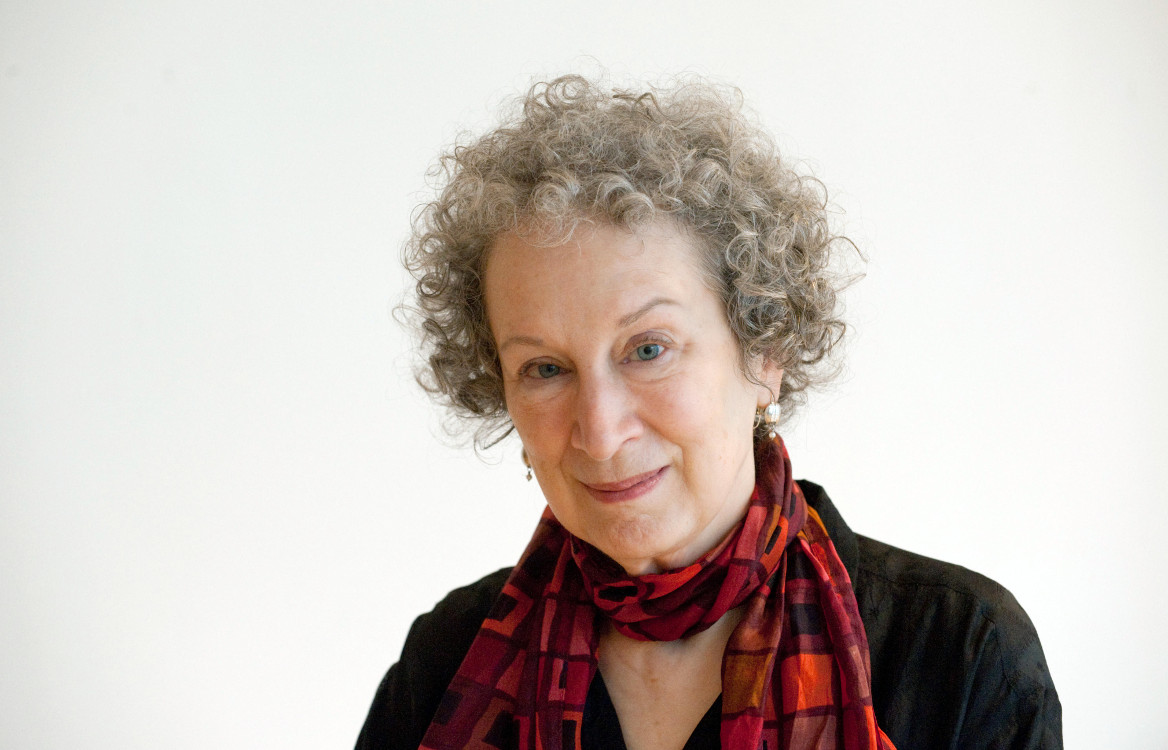
As for ordinary Canadians like me, who aren’t poets or novelists, but just ordinary people who love watching justice get served, it’s a wonderful thing to see Steven Galloway get his payback.
Which brings us to my guest this week, Amy Hamm, who has a front-row seat on this historic Vancouver trial. She’s been covering the proceedings for the Toronto-based newspaper, the National Post. Over the next half hour, I’ll be talking to her about what she’s seen and heard in the courtroom. And she’ll explain to you why I still haven’t told you the name of Galloway’s false accuser.
We’ll also talk a little bit about her own history of being cancelled. As some of you will know, journalism isn’t Amy’s first career. She was a nurse in British Columbia for many years, until she was put through a Kafkaesque regulatory ordeal for the crime of saying that men and women are biologically different—something that apparently is still considered hate speech on Canada’s left coast.
Amy Eileen Hamm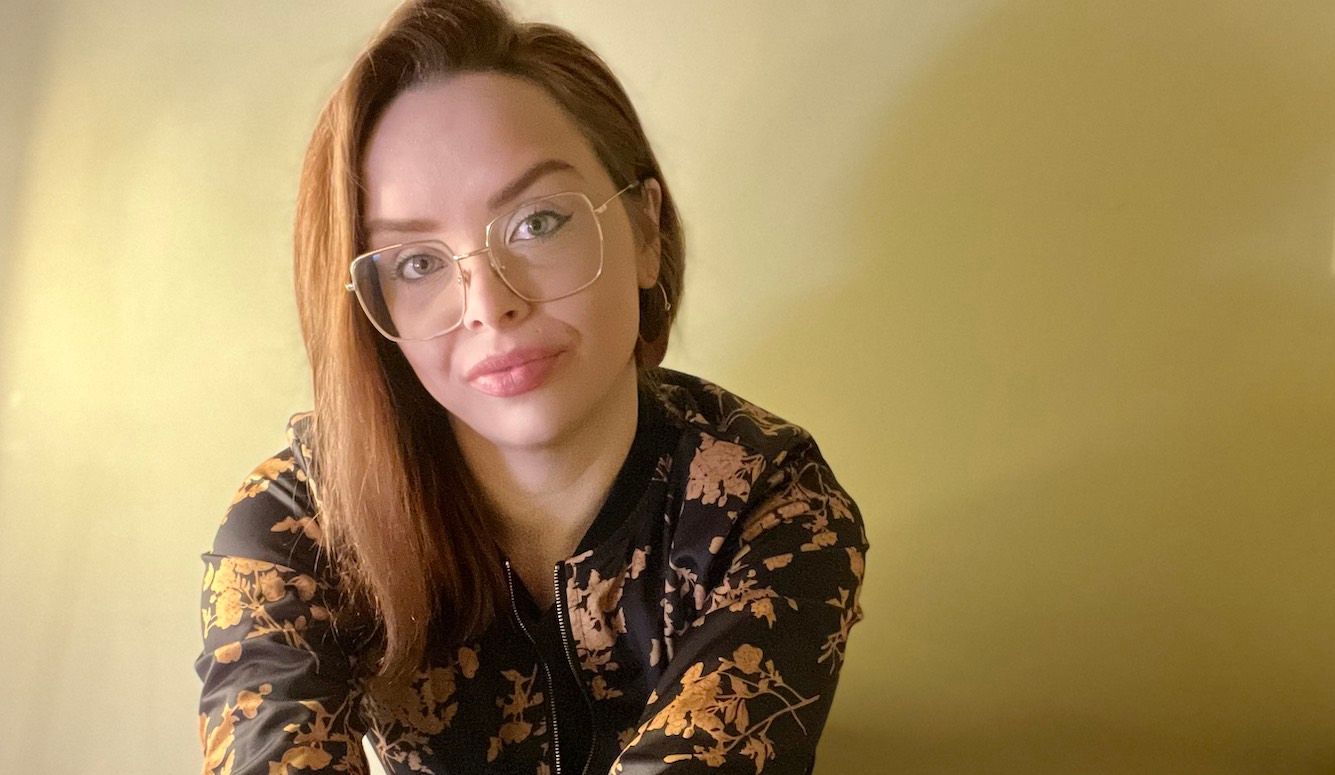
Speaking of which, if you want to take a second background reading break to bring yourself up to speed on Amy’s history, the article to read is—where else?—right here at Quillette under the title, I’m Being Investigated by the British Columbia College of Nurses Because I Believe Biological Sex Is Real.
Without further ado, here’s my conversation with National Post writer and Quillette contributor Amy Hamm.
Transcript of Interview
This transcript has been edited for clarity.
Jonathan Kay: Amy Hamm, welcome to the Quillette podcast.
Amy Hamm: Thank you so much for having me, Jon.
JK: You’ve been covering the trial for the National Post. As I understand, the main defendant in this case, who we’re obliged to refer to as A.B.—sort of a court-ordered publication thing—even though she had an art exhibition and wasn’t shy about using her name in other contexts.
AH: That’s correct. And I want to add something about this art exhibition: to this day, members of the public can go on the website, which we can’t identify because of the publication ban. But people can go and buy a book containing all of the artwork that essentially calls Steven Galloway a rapist, and a signed copy from A.B.
JK: She’s not signing it A.B., she’s signing it with her actual name. Yeah, and I remember, I wrote about it at the time. But first things first, you’re in the courtroom. Again, in these trials, it’s supposed to be: plaintiffs are in the courtroom, defendants are in the courtroom.
AH: Yeah.
JK: She’s not there?
AH: Nowhere in sight. She will not be attending the trial at all, and is citing mental health concerns, suicidality, as a reason for being unable to testify.
JK: A.B. said that she couldn’t attend any of the proceedings because that would cause her to commit suicide. Is that correct?
AH: She also retracted basically any claim that what she has said— She’s not trying to use truth as a defence for any of her statements. She’s also not saying that she lied. She’s just saying, “I’m just saying that I made the accusation. I’m not saying that it’s true, I’m also not admitting that it’s false.”
JK: It’s weird for people who have followed the case because—you remember this, you’re from Vancouver—back in 2016, and in the years following, A.B.’s supporters were all over social media swearing up and down, “Believe women. If A.B. said she was raped, she was raped.” It was just taken for granted in Canadian literary circles, among a certain kind of highly progressive clique within it, that Galloway had raped A.B. because she said so, and this was the dogma for years and years.
Originally, there were more than a dozen defendants, including people who repeated the claim that A.B. was raped, a claim that she herself apparently is no longer willing to stand by. Something like eleven abandoned the case and settled with Galloway, giving him either money or apologies or both. The remaining defendants at trial are A.B., and there are three others.
AH: Three others. There are four total. There’s one who is now a law student. Her last name is Kirchmeier. They were all involved in the programme as students, and just got on board with slagging him on social media. So we also saw, days before the trial ended, this one character who sort of led the crusade at UBC against Galloway, and went and did this informal interview process at the behest of two other settled claimants—Annabel Lyon and Keith Maillard, who were both professors in the programme—and they said to this student at the time, like, “Go and get some more people to basically rat him out.”
And so this person, Rooney, went and did that and found all of these other stories that were really vague and had nothing to do with rape. And so when UBC ended up hiring an independent investigator, retired justice Mary Ellen Boyd, to look at all of these claims, she found that none of them, on a balance of probabilities, ever happened whatsoever.
And so this Rooney person is one of the people. Days before the trial started, she wrote an unequivocal apology and settled with Galloway for an undisclosed amount as well.
JK: Just to be clear, to get the chronology right for listeners: when A.B. first came forward with these rape allegations, in the very early days, you had Annabel Lyon, who’s now running the whole creative writing programme—she failed upward—and then Keith Maillard, who was Galloway’s old mentor, who then became the leader of the witch hunt.
He’s now retired. Both of those have settled with Galloway. In the early days, those two and some other university figures essentially deputised this creative writer to get a whole bunch of other witnesses to build a case against Galloway. It was a very strange thing. She had no experience investigating anything.
She actually got a letter on UBC letterhead deputising her to go conduct these investigations and dig up dirt on Galloway to support the university’s case against him. And then, as you said, there was an actual investigation conducted by a former BC Supreme Court judge, Mary Ellen Boyd, I think her name is, and she actually knows how to do fact-finding, and she concluded the whole thing— Well, not the whole thing was nonsense. There was some harassment.
AH: Yeah, sexual harassment. And I’ll just note, the one finding was sexual harassment, and it was on the basis of Galloway having this affair with a student at the time. He wasn’t chair of the programme when the affair happened. He became chair of the programme after their consensual affair ended, but that was her one finding, because he was a professor, she was a student, despite the fact, as you mentioned, she was older than him.
It wasn’t like there was this big age gap. But regardless, he was found guilty of violating the university’s sexual harassment policy for that reason alone.
JK: Vancouver’s a small place. There’s this joke: people from Toronto assume you all know each other. But then I read at the end of the article, Chelsea Rooney, you were friends with her a decade ago. Is that right?
AH: So this is a person whose— My ex-husband’s childhood friend is, I think, now this person’s husband, and so it was sort of friend of a friend and through roommates. And this was a social circle that I interacted with in the years sort of leading up to this, and I heard a lot about Steven Galloway in that time, too.
About, “Oh, we’re going on Steven Galloway’s boat,” and hearing about the social favours and professional favours that Steven Galloway was doing for these people. So it was very interesting for me to see this Rooney person having been talking about Galloway and helping get her book published and then suddenly turn on this person, and—
JK: Oh, Galloway wrote a blurb for her book, which is one of the reasons I think it got published and received notice in the Canadian literary press, and she was over the moon about that. And then, like with Keith Maillard, Galloway’s former mentor, I mean, these people flipped in a heartbeat. Take us back to 2016. When you heard this news, did you believe Galloway was a rapist?
AH: I guess I can’t say no outright, but I just thought it was so bizarre. And of course, this is also happening in the Me Too context, and also sort of knowing that this whole circle of people is sort of very— We didn’t really use the word “woke” back then, but I had strong suspicions that this was more to do about virtue signalling than it had to do with reality, I think, which has proven to sort of be the case.
And I’m still left with this puzzling idea about all of these people who engaged in mobbing him. I’m like, did they actually believe this, or was that just a cover for maliciousness? And I’m still not entirely sure.
JK: As I understand, based on what I’ve read, Chelsea Rooney seems to have been a true believer. My understanding is that Rooney—putting aside social justice and virtue signalling—seems to have fallen under the spell of A.B. By all accounts, A.B. was not only manipulative, but extremely charismatic with both men and women. Do you dismiss the possibility that Rooney actually convinced people with these fairy tales about being, like, raped on boats and stuff like that?
AH: I’m just shocked by all of the new revelations that you see, including the evidence introduced by Galloway and his lawyer to try to show just how manipulative and charismatic this person is. Like, something that came out last week is that UBC gave A.B. $30,000 in bursary funds, which Galloway—
JK: After she graduated.
AH: Yeah.
JK: They let her graduate with a half-finished thesis. Annabel Lyon, who by the way is now heading the programme, and Keith Maillard let her graduate without finishing her thesis, and then after that, the university gave her $30,000 for— Like, I don’t want to say it’s hush money or it’s in lieu of a settlement, but the whole thing stinks.
AH: She got this $30,000 in bursary funds, no longer a student. Galloway testified that he thought it was fraudulent. He actually said that it eclipses the entire annual funding for the whole programme. That was given just to her. And then you also saw these emails. So he first saw these emails in labour arbitration with UBC because, as we know, he got suspended, and later fired by UBC.
And during the arbitration process, he became aware of these, so they also came up in the trial. There was the one about the $30,000 in bursary funding, which he called fraudulent. The other one is her lawyer at the time, who puzzlingly dropped out and is no longer representing her, days before the trial began as well.
So this lawyer had sent a draft statement of claim to UBC, a lawyer at UBC, demanding more than $3 million in damages for various—negligence, and it was, like, six demands for $500,000 for different types of damages plus additional—
JK: Punitive damages, yeah.
AH: —punitive damages or something. Just wild. And so we don’t know how much UBC gave her in addition to that $30,000. We have no idea. Maybe we’ll find out at some point. Galloway’s lawyer was basically arguing this shows what’s going on behind the scenes—the way that she’s exerting control and manipulation over people in positions of power to denigrate Galloway and to act as though she’s the victim of rape, and they want to use that to increase damages in this trial and show that she was maliciously doing it.
JK: This wasn’t the first time A.B. had pulled something like this. There was an episode—and Galloway admitted this in a spirit of shame because he had actually been complicit in it—some kind of academic competition, and there was another candidate. A.B. told Galloway, “Oh, this guy choked me and assaulted me,” and this and that.
And Galloway, he shamefully admitted that he then manipulated the hiring process to make sure that this guy didn’t get hired.
AH: There was a candidate for a job at the creative writing programme, and A.B. approached Maillard and Galloway and said that this candidate had pushed her into an elevator and then choked her and that she didn’t want to officially report this to the university, but she just wanted to make sure that this man did not get the job.
And so they both sort of hemmed and hawed, “What should we do?” And decided—Galloway, Maillard, and someone else all lowered the interview scores. This person essentially had to drop out of the hiring process. We don’t know who this person is, and I sort of question, I wonder if this guy is watching this trial, and maybe he’s going to see that and pursue justice for himself. Who knows?
JK: A.B. also claimed that Galloway had choked her. Like I said before—
AH: She did.
JK: —this was once like this huge cause célèbre in CanLit, in BC at least, and people were talking about it as sort of the Me Too moment of their lifetime. So at that time, one would have predicted that once it finally came to trial, the courtroom would be overflowing with the flower of Canadian literati. But I think it was in your column, you said there were only twenty people in the courtroom.
AH: There were, and it wasn’t clear if they were supporters or not, but everyone I spoke to was a Galloway supporter. Can I add one more thing, Jon? So going back to the guy in the elevator that allegedly choked A.B., what also came out—when A.B. was describing the apparent assaults and rapes by Galloway, one included choking on his boat that he took her out on several times, including after she alleged that this attack happened.
She, at one point, according to Galloway’s testimony, requested that he take her out on the boat again because her brother-in-law, her husband’s brother, was coming to town and apparently he’s a violent man and she wanted to escape this violent man: please take me out on your boat. The same boat where apparently Galloway had choked her. And again, Mary Ellen Boyd, the retired judge, has found this hadn’t happened based on photo evidence and the testimony given.
So it does seem like there’s an elevator incident, there’s the accusing the brother-in-law of being a violent man. It seems like this is a pattern of behaviour for A.B. to just make these claims of violence.
JK: She also told this story about how—I don’t know anything about boats—but, like, she had been thrown into the, I think it’s called the bunk, or whatever it is, where, like, more raping happened. But then at trial it was discussed how Galloway then showed pictures of the inside of his boat, and the part of the boat where the rape was supposed to have occurred is, like, the size of a bread box or something. Like—
AH: The entrance is, like, a little rectangle, so essentially I think it would be very difficult to throw a human through that. Like, you’d have to—
JK: And then get in with her.
AH: Like, probably lube someone up and have it prepared and—
JK: Right.
AH: —just, the idea of just haphazardly throwing someone in there during an assault, it wouldn’t really happen, and that was why Mary Ellen Boyd said there’s no way—when she saw the photos of this entrance to this space—and was like, “That just is implausible.”
JK: One of the benefits of reporting on these trials in person is that you get to see the emotional state of the people who are testifying. I’ve spoken to Steven Galloway a couple of times. I visited him in BC. The last time I saw him, he was still obviously very shaken from the whole thing. But I mean, you describe somebody on the witness stand who could barely keep it together, right?
AH: Yeah. There were times, especially talking about the fact that he can’t write anymore, and just describing how that was who he was as a person, that was what made him himself. He sort of described writing: “That was what made me, me. And that’s not me anymore.” He said, “I don’t even want to be myself anymore.” And you could sort of tell the times that he was breaking down. At one point, he turned his head away from the gallery and sort of rested it on the witness box, and then the judge could tell that he needed a moment and suggested a break, and he sort of got up and he walked behind the judge’s bench where there was a corner and just had his head against the wall, and he was sort of silently crying, and then he went back and walked out of the courtroom for a few moments with his wife.
JK: This is his second wife, Katie.
AH: Yes.
JK: And that relationship began in more recent years. And she testified too, right?
AH: Yeah, she sort of opened the testimony, and my National Post colleague, Jamie Sarkonak, covered that day, when it was extremely emotional. She was sort of sobbing on the stand describing the impact that it had on their family, their blended family.
They both sort of came together with kids from divorces, and it just sort of levelled Galloway’s life and just made— It took him from this person who everyone has described as extremely extroverted, giving, caring. He would play piano and sing for guests all the time, just extremely open, welcoming, had a huge social circle, and now he sort of describes himself as basically a shell of a man who doesn’t want to have friends or people in his life.
It sounds like he doesn’t trust anyone. He doesn’t want to write anymore because, to him, he’s described writing as—you have to be very vulnerable, and you have to sort of mentally go to places that he just can’t really do anymore. And she even described one Christmas where he basically had lost the ability to be present in the moment.
He’s trying to be there for his kids and their family, and he’s just sort of lying on the ground on Christmas Day with a blanket wrapped around him, and that was his idea of being there for his family on Christmas. And then there was his suicidality over the years. It really was very emotional. You just saw how this man who spent years being called a rapist, it just mentally destroyed him. And he still, a decade later, hasn’t been able to write.
JK: Annabel Lyon and Keith Maillard, and the guy who was the Dean of Arts at the time—his name is Gage Averill, who’s now the provost at UBC. All of these people participated in this, the railroading of Steven Galloway, this process whereby they deputised this complete amateur to go get dirt on him, this disgraceful way they cashed out the accuser with this bursary. To your knowledge, has anyone at UBC faced any kind of accountability?
It sounds like, in their private capacity, they reached settlements, but has UBC done any kind of investigation of how this absolute travesty of justice was allowed to occur?
AH: Not that I’m aware of, and it’s interesting because even talking about this Rooney character, as far as I know, her husband remains a professor in that programme too, who was also in the programme at the same time.
And from my understanding, Galloway was hugely important in getting that person his job there as well. So it seems like a lot of these people that were involved in directly ruining this man’s life have— Annabel Lyon now is the chair of the programme, but that used to be Galloway’s job.
JK: Annabel Lyon—they were such close friends that I remember one story: Annabel Lyon, when Galloway’s kids were really little, changed his kids’ diapers. Think of the level of trust and friendship you would have to have for that to happen. Keith Maillard was like his mentor, the guy he looked up to when he was starting his career.
Chelsea Rooney, who was, as I said, over the moon when Galloway helped give her a big break with her one novel, Pedal, which he blurbed. I didn’t even know that detail about her husband. And these were the ringleaders, and they turned in a second against him. It shocks the conscience. Are you still friends with Chelsea and her husband?
AH: No. No, these were more childhood, high-school friends, and that rift was happening a little bit before all of this, and partly because I’ve also been cancelled, and I’ve talked about—it’s weird reporting on this trial because I see the emotional impact it’s had on Galloway, and I’m like, “I can really sympathise with a lot of this,” because I’ve gone through something similar.
And yeah, a lot of these people who did this to Galloway, I think would—I’m sure—denounce me or have denounced me because of my political views.
JK: You were a nurse who lit the world on fire by saying that men and women are biologically distinct from each other. That’s its own separate story, but they tried to railroad you for that.
And then after you became disillusioned by the entire ideologically rotten state of the medical establishment in BC, then just a couple of years ago, you became a writer. It must be surreal that they tried to ruin your life for telling a truth. Similar mob tried to ruin Galloway’s life on the basis of a complete lie. Did that make you emotional to witness this kind of thing?
AH: It did. And I would just, to clarify—so I actually did a journalism degree before I did a nursing degree, and I did some freelance writing before that. And that was partly what got me in trouble. So I was working—my day job was a nurse.
But I had this interest, and it was sort of like a hobby at that time, and I had—maybe one day I’ll do medical journalism, that sort of thing that I was interested in. But I was a nurse. That was mostly what I did, and yeah, I got cancelled because I started noticing this cultural discourse about gender ideology, and I thought, “This is so detached from reality.”
And I felt it was really important. It was impacting women. I spoke out. I got thoroughly cancelled. You don’t meet a lot of people who get cancelled, so now, years later, seeing what’s happened to Galloway and hearing him describe the impact that it’s had personally, and hearing his wife now describe how it’s affected her, there are a lot of parallels to the experiences I’ve gone through.
And it sort of makes you feel like, hey, I’m not that crazy. Like, it’s actually really messed up to have these things happen to you, and it just sort of makes you feel more disgusted by the people who join mobs and do this to people.
JK: I’m from Toronto, as I said. Is there something wrong with British Columbia? Like, look, some of the radical progressivism we’re talking about—the unmarked graves thing. In the rest of Canada, it’s now kind of—it’s not polite, but it’s okay to say those unmarked graves from Kamloops, we all thought they were there. Turns out they’re not. Honest mistake. It happens. Let’s move on.
In BC it’s still considered hate speech. BC has gone super heavy into gender wang and has stuck with gender wang, at least officially, while the rest of the world has moved on and admitted that men and women are different. Is BC broken in some ideological way? Because a lot of these social panics and progressive manias seem to happen in and around Vancouver.
AH: They do. I know for years there was this talk, like, which city is more woke, Toronto or Vancouver?
JK: Oh, there’s no comparison.
AH: I think it’s obvious now that Vancouver is the winner.
JK: I don’t know who’s asking that question, because, look, all major cities are leftist, which is fine. I live in an NDP neighbourhood. It’s fine. People can vote. I don’t care. People vote for who they— There’s a lot of CBC types in my neighbourhood, but they’re, like, Toronto CBC types. They aren’t shrieking about how I have the wrong kind of rainbow flag in my windows. BC is ideologically broken.
AH: And—
JK: I guess I’m taking the Galloway thing as a kind of early indicator that this was an issue. Why is that? Like, why is it so weird?
AH: I really wonder about this sometimes. It does seem like we’re in our own bubble. It’s like the mountains that are a barrier between BC and Alberta—we’re just stuck.
JK: It’s trapping too much, like, nitrogen or something in the air. It’s affecting our brains or something. I don’t—
AH: There’s something going on here. Yeah. But it’s so true. Like you said, we’re in a really insane provincial election campaign right now, and the ruling NDP has been talking about introducing new legislation to make residential school denialism hate speech, and—
JK: Apparently, the polls suggest that this premier you’ve got—his name is David Eby—who’s just kind of like a satire of every single woke meme you can think of— I saw a survey that said he’s getting thrown out of office.
AH: It’s actually looking like that might happen. When you map out the polls, it’s looking like a Conservative majority, but when you look at the numbers, it’s still extremely close.
JK: ’Cause it’s a first-past-the-post system, right?
AH: Yeah. So it’s nice to see things mapped out, but we know that it’s still not in the bag. And you would think, despite all of the scandals—look, just yesterday Eby got called out: he’s married to a doctor. He makes 225K a year. His wife makes 300K. They’re making over half a million a year. They’re using one of the $10-a-day childcare spots in BC. It’s scandal after scandal with this guy, and yet the Conservatives and the NDP are still almost neck and neck.
JK: Are you going to continue covering the Galloway trial?
AH: Yes, I am. I’ll be there for the end of this week. I think the National Post is doing the best job out of any outlet. Also Brad Cran for Quillette, doing an amazing job, but the National Post is sort of doing the daily coverage of everything that’s happening, so I’ll be there as much as I can, and Jamie Sarkonak will also be there on days when I’m not.
JK: When is the trial expected to wrap up?
AH: We’re on day six today, and I think they have 22 days, so it’s going well into November.
JK: Amy Hamm, thanks so much for being on the Quillette podcast, and we look forward to your future reports from the courtroom.
AH: Thank you so much for having me, Jon.
Quillette invites thoughtful responses to its essays.
Selected responses are published once per week as part of a curated Letters to the Editor feature. If selected, letters appear under the contributor’s real name and may be edited for clarity and length.
To submit a letter for consideration, please email [email protected].