Books
On Trauma-ism
Catherine Liu’s new book makes some valuable points, but it fundamentally misunderstands the trauma culture it critiques.
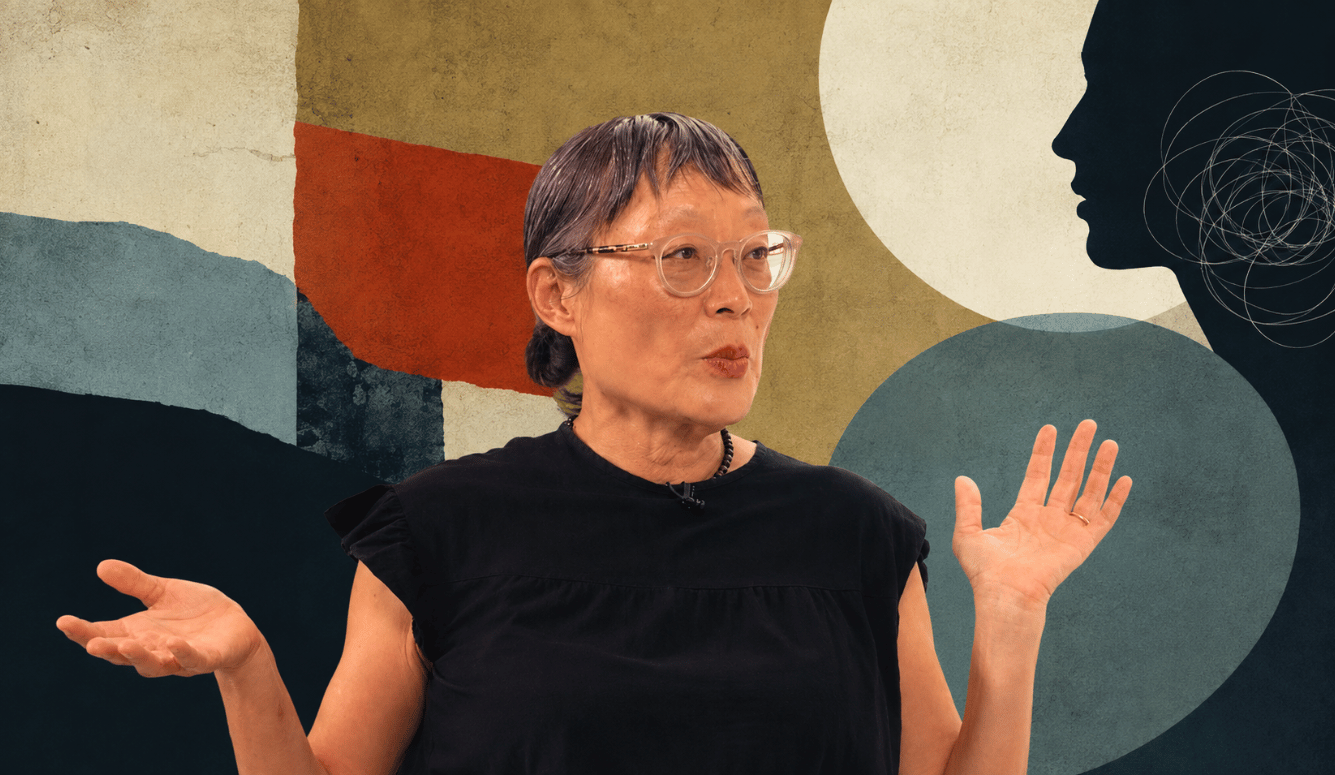

A review of Traumatized: The New Politics of Public Suffering by Catherine Liu; 192 pages; Verso Books (September 2026)
In the spring of 2004, I took a graduate course on trauma theory and literature. It was a fascinating class. The course reading list was varied and rich: we read a number of Holocaust narratives, some of which changed my understanding of human suffering and evil; we read stories from South Africa like Country of My Skull and J.M. Coetzee’s Waiting for the Barbarians; we read a story of incest (I can’t remember the title or the book, just the class discussions about it); and we read essays by writers like Susan Sontag and Frantz Fanon. I wrote my final paper on the poetry of Paul Celan, a Romanian and naturalised French citizen who had survived a forced-labour camp. Great writing has sometimes been born out of pain. This in no way gives trauma purpose, but it does show that grace flows into and out of the human spirit, so that even the world’s darkest horrors, including deliberate cruelty and wickedness, can be transformed into something beautiful and strong. There is no meaning to be found in some forms of human suffering, but that we write of our anguish is itself extraordinary. The souls of these writers have been shattered, but they’ve picked up the pieces and turned their ordeals into stained-glass artworks.
But to acknowledge healing and grace like that in the graduate seminar would have been met with silence at best and outrage at worst. The lesson really being taught in that class was that we shouldn’t want to discover anything redemptive about trauma. The students only wanted to talk about oppression and suffering, about how “the voices of victims had been taken away,” and not about the more obvious fact that we were reading those voices and being moved by them. Never before had I the sense that there was so much at stake in a university class, as though the way I responded to the texts was the point of the texts. And the way to respond was not how I had been trained, up until that point, to respond. I was not to ask questions, to think critically about issues, or to inquire into narrative reliability. Most of all, we were not to consider how a story could move into something like forgiveness or transformation.
The point was not to move past the horrors, but to remain a witness to them. Awkwardly, this required preventing any victim in a text from moving past her own pain, even when the story made it clear that she had done so. Trauma was the point. It was the beginning, middle, and end. Our class of expert readers somehow stood outside of culture, as though we saw it clearly from above, yet we were complicit in it: complicit in the guilt of the oppressors and complicit in the suffering of the victims. As far as I know, not one of my classmates had been the victim of incest, lived in South Africa during apartheid, been imprisoned in a Nazi death camp, or suffered in Algeria under French colonial rule. Nevertheless, their emotional responses to the trauma narratives sure made it seem as though they had been and that—this was the important part—it was too painful to hear these things spoken of. One could only witness. I left each class with the sense that I was to blame for something, that my questions wounded, and that my classmates had special access to suffering that I somehow lacked.
That class was my early introduction to now-ubiquitous bourgeois trauma culture, the goal of which is its own perpetuation. Catherine Liu’s new book Traumatized: The New Politics of Public Suffering documents the history of trauma culture and offers a convincing critique of the professional managerial class (PMC) whose self-serving interests sustain it. “Trauma culture,” Liu observes, “demands blind acceptance of its ideals of political progress, prepackaged in small bites of prevention, awareness, and witnessing.” She notes elsewhere that “when trauma studies elevated trauma testimony to a sacred realm that defied analysis or history, its scholars embraced anti-intellectualism as a form of crypto-religious overidentification with trauma testimony.” Passages like this one perfectly describe the atmosphere of the graduate course I took more than twenty years ago. That she lays the blame for this culture at the feet of the professional managerial class and cultural elites is entirely consistent with my own experience of the class then, and all our experiences with broad culture now.
Liu runs into trouble when she makes the claim, as she consistently does, that the professional managerial class’s primary interest is in capital.
Keep reading
France’s Imaginary Austerity
A Clockwork Filmmaker


The Insight Trap
Cornell and Consent