Books
I, Victim
Pascal Bruckner’s book about victimhood culture invites us to choose liberation, and to move from resentment to a secular kind of grace.
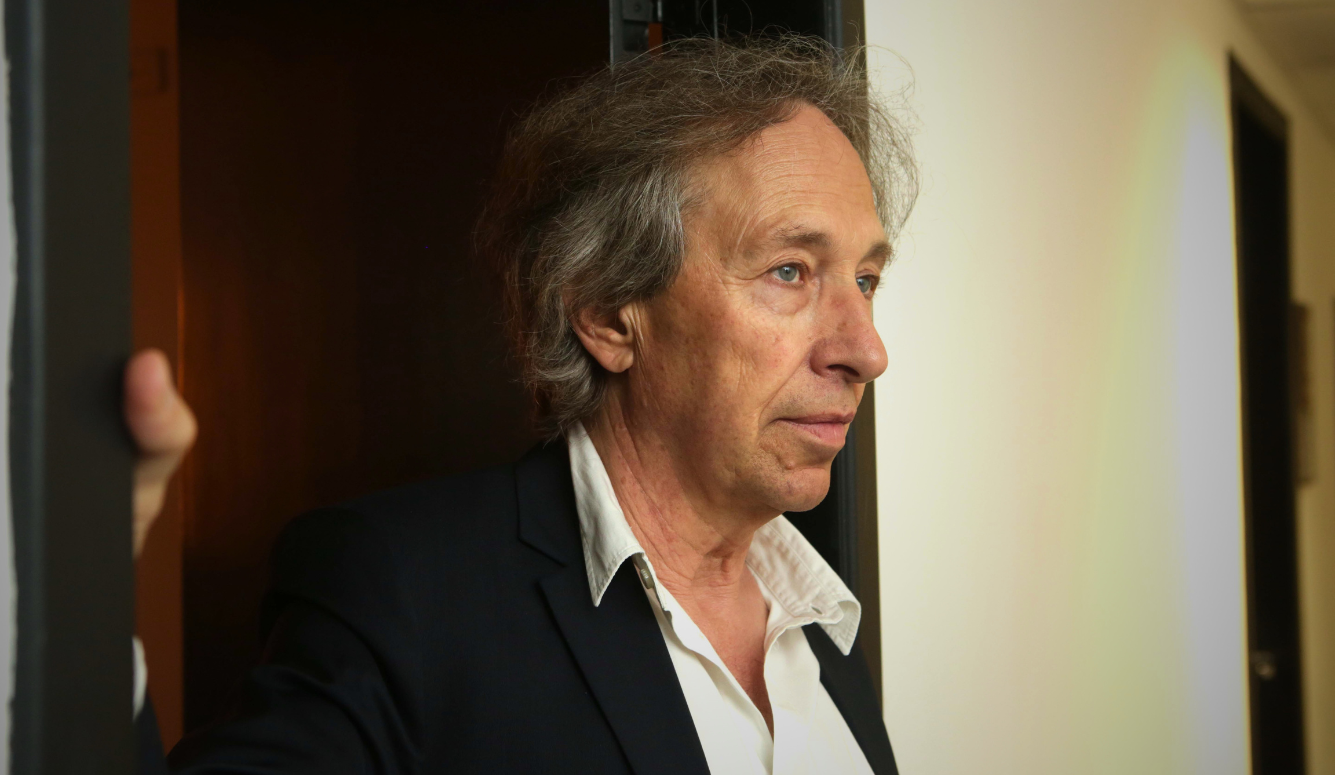

A review of I Suffer Therefore I Am: Portrait of the Victim as Hero by Pascal Bruckner; 272 pages; Polity (September 2025)
It is strange, what I forget so easily. One night, I was thrown against a doorframe and collapsed on the floor. On another, I was fast asleep when he tore the blankets off me and started punching me, drunk and angry—a rude awakening. Some nights it was just yelling. Other nights things were thrown. The overwhelming feeling I had towards this man was a mixture of contempt and pity. He was pathetic. His anger was annoying. Though I was by all objective standards the “victim,” I never felt like one. It was he who behaved as though he were the victim, suffering because I failed to comfort him. In his mind, I was the cause of his suffering on two fronts: I was responsible for his feelings of jealousy, and I lacked empathy and affirmation for his anger. His feelings of inferiority and his inability to deal with those feelings were both his weapon and his shield; they made his attacks on me right—at least in his mind. The distinction between an abuser and a self-proclaimed victim frequently collapses when someone is caught up in victim ideology. The victim-aggressor weaponises another’s compassion by using her own empathy against herself.
Why I scarcely ever think about those nights, I cannot really say. Unpleasant things were happening to me, but they didn’t define me. Sometimes, I felt the lure of victimhood. It appeared to offer psychological solace—a cocktail of self-pity and self-righteousness that can soothe a troubled mind—and social prestige. The victim, after all, is morally untouchable. And there were certainly political pressures encouraging me to adopt this mindset. But there were personal pressures moving me away from it. I could feel my soul struggling to free itself from confinement in resentment. There is nothing enlarging about a victim-mindset. To be elevated culturally as a victim, hedged about with a kind of sacred misfortune, would have left me personally indebted to a man I pitied and scorned. I would be under his power. But to forget, to simply move on even to the point of giving up on ideas of justice, fairness, and social status, felt like joy.
“What is victimization?” asks French philosopher Pascal Bruckner in I Suffer Therefore I Am: Portrait of the Victim as Hero. “It’s a narrative identity that we ascribe to ourselves and expect others to confirm. It is a pathology of recognition.” Bruckner provides us with a thorough critique of the contemporary victim, of his anthropology and his psychology. To read his book is to recognise the modern victim in all his iterations, and to condemn him:
Keep reading
A Clockwork Filmmaker

The Insight Trap
Cornell and Consent
Robert Lynch on Status, Humour and the Apes We Pretend Not to Be | Quillette Cetera Episode 74