Politics
The Real End of the Arab–Israeli Conflict?
The strategic case for Syria–Israel normalisation.

The myth that Israel and its neighbours are condemned to perpetual war was shattered on 26 March 1979, when Egyptian president Anwar Sadat and Israeli prime minister Menachem Begin signed a peace treaty. This was less than six years after Egypt had fought Israel in the devastating Yom Kippur War. Since then, Israel has normalised relations with Jordan, the United Arab Emirates, Bahrain, and Morocco. Most recently, Israel has entered into promising security negotiations with Lebanon. Since the signing of the Abraham Accords, Israeli policymakers and analysts have routinely described Saudi–Israeli peace as the critical step in regional normalisation that will bring a decisive end of the Arab–Israeli conflict. However, the breakthrough is more likely to arrive when normalisation is achieved with the principal birthplace of Arab intellectualism: Syria.
On 25 August this year, amid growing friction between Syria and Israel over the predominantly Druze region of Suwayda in southern Syria, Syrian Druze cleric and militant leader Sheikh Hikmat al-Hijri described the Druze as an “inseparable part of the State of Israel.” Once a staunch ally of former Syrian president Bashar al-Assad, Hijri now presides over a network of armed factions, some of which are key actors in southern Syria’s illicit narcotics trade. He has faced criticism even within Druze circles, and his declaration reportedly came as a surprise to Israeli authorities, who have yet to respond directly.
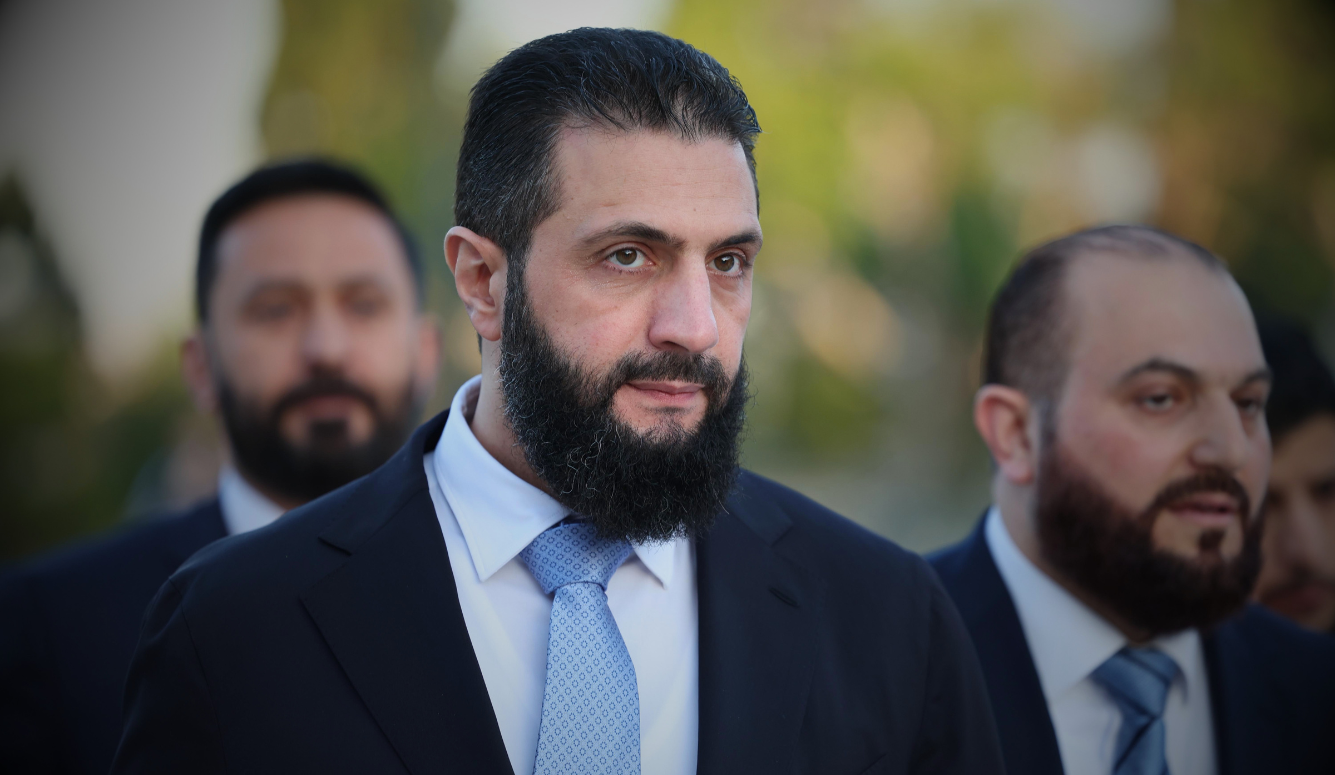
Hijri has long opposed Syria’s new regime under president Ahmed al-Sharaa, who came to power following the long-awaited collapse of the Assad regime in December 2024. Druze militias and Syrian security forces have clashed repeatedly since then, and the heavy civilian toll in Suwayda last year made international headlines. At the end of August, armed groups affiliated with Hijri’s National Guard (al-Ḥaras al-Watani) blocked students from reaching state-administered examination centres, leaving thousands unable to sit the exams required to progress towards higher education. A man prepared to impede Suwayda’s youth merely to deny the central government a political victory cannot possibly be a strategic asset to Israel. His choices risk perpetuating the conflict in Syria’s Druze regions and, with it, the very instability that prompted Israel to deploy its forces to the country’s south in the first place.
Israel has never enjoyed a peaceful northern border. The Syrian Ba’ath movement, which seized power in 1963, ensured that it could not. Its ideology was first articulated by Michel Aflaq, an ardent Arab nationalist and antisemite with an axe to grind against the Zionist movement. Aflaq’s hatred for Israel was so intense that he could not even mention the country without placing it in inverted commas. In June 1957, he predicted that “Israel” would soon disappear, “and with it imperialism will go too.” Aflaq fled Damascus for Baghdad following the February 1966 coup that permanently divided the Ba’ath Party into rival Syrian and Iraqi branches. Assad would seize power in 1970, and although the Assadists repudiated Aflaq himself, his philosophy would remain embedded in Syrian statecraft for decades.
It is increasingly accepted in Syria that the conditions that sustained the Assad regime will have to be dismantled. To that end, al-Sharaa has moved decisively against the remnants of Iran’s proxy infrastructure, disrupting the smuggling networks used by Lebanese Hezbollah and several Iran-aligned Iraqi armed groups. His authorities have even captured fighters belonging to the Polisario Front, a North African separatist movement that contests Moroccan sovereignty over the Sahara. Some of these fighters have been deployed to Syria through Iran-linked networks to aid the Assadists. But an ideological shift is also taking place in Syria under al-Sharaa, towards a different kind of Syrian nationalism—one that places Islamic governance at its core while seeking to make the security apparatus accountable to the people it serves and deepen multilateral relations. A striking example is the government’s ongoing work with Joe Jajati, a Syrian-American Jew who aims to “preserve and celebrate” the country’s ancient Jewish community.
This shift has created an environment in which greater engagement with Israel, however fraught, is now underway. There is ample historical justification for peace between the two countries, the respective lands and peoples of which have been linked for millennia. The biblical patriarch Jacob, regarded in Jewish tradition as the father of the Israelite people, is said to have spent twenty years in Aramean lands that encompassed much of ancient Syria. The Aleppo Codex, preserved for centuries by the Jews of Aleppo, is the oldest and most authoritative Masoretic manuscript of the Hebrew Bible. The roots shared across the very recent Syrian–Israeli border long predate—and should transcend—20th-century political movements.
In the modern era, Syrians and Israelis have far more in common than either care to admit. Syrians watched the Assad regime destroy their country with mass surveillance, arbitrary imprisonment, atrocities, and a barbaric civil war that left it ravaged by foreign militias and jihadist groups. Israelis suffered Assadism at one remove, as the regime brought the lethal reach of Iran and Hezbollah closer to Israel’s borders. Both peoples are weary of ideological warfare. Israelis have confronted “resistance” chiefly in the form of Palestinian militancy; Syrians have heard the same word invoked by Hezbollah leaders who brutalised them for years. Both countries now maintain consequential ties with Washington and share a vital interest in ensuring that Syria can never again serve as an Iranian military corridor.
 Aurele Tobelem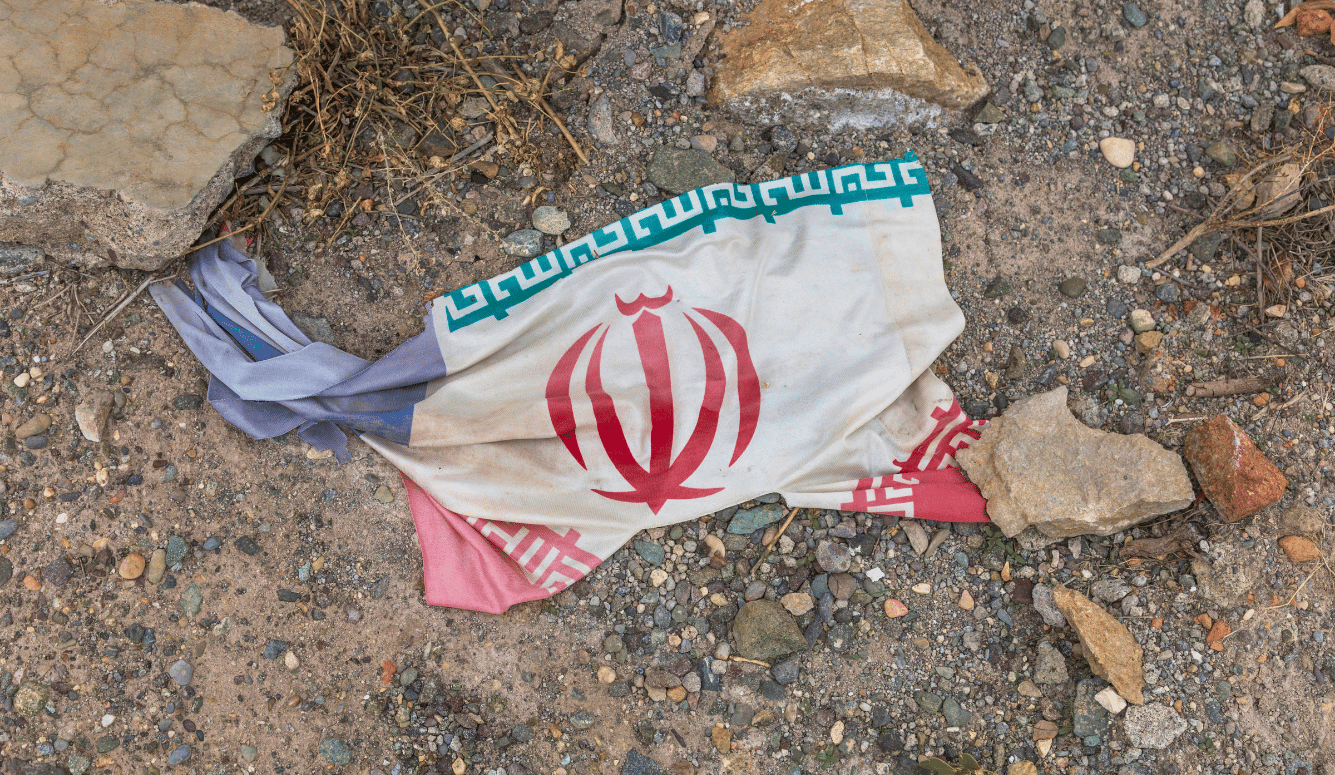
Israel certainly has good reasons to remain cautious. Ahmed al-Sharaa may appear to be pragmatic now, but his complicated past leaves considerable room for suspicion. He was formerly the leader of Jabhat al-Nusra—al-Qaeda’s Syrian affiliate—under the nom de guerre Abu Muhammad al-Jolani. That name referred to his family’s origins in the Golan Heights, a territory Israel captured from Syria in 1967, and which lies at the heart of the territorial dispute between the two countries. The unresolved status of the Golan Heights is still a source of tension, along with Israel’s continued engagement with Druze actors in southern Syria. Although the two countries have held repeated talks over a possible security arrangement, foreign minister Asaad al-Shaibani has been blunt: “We do not trust Israel currently.”
Keep reading
Life in The Grim Old Days

In Defence of Academic Standards

Letters to the Editor

Danielle Haas on How Activism Took Over Human Rights | Quillette Cetera Episode 73

On Trauma-ism