A Death on Another's Head
We should worry about the perverse incentives created by elevating a self-killer and punishing his enemies.

Around the world and across history, we see people turn to suicide when embroiled in conflicts—when someone has wronged them, or they themselves stand accused of a wrong.
And when a person in this situation does take his own life, blame and punishment often fall on his or her perceived adversaries. Among the Iroquois, in traditional times, a self-killer's adversary was recognised as something akin to a murderer. The same was true among the Cheyenne, who banished the adversary from the community. The legal code of Qing China classified driving another to suicide as a criminal offence, so that if your enemy died by his own hand in the course of a quarrel you might be imprisoned, tortured, or executed.
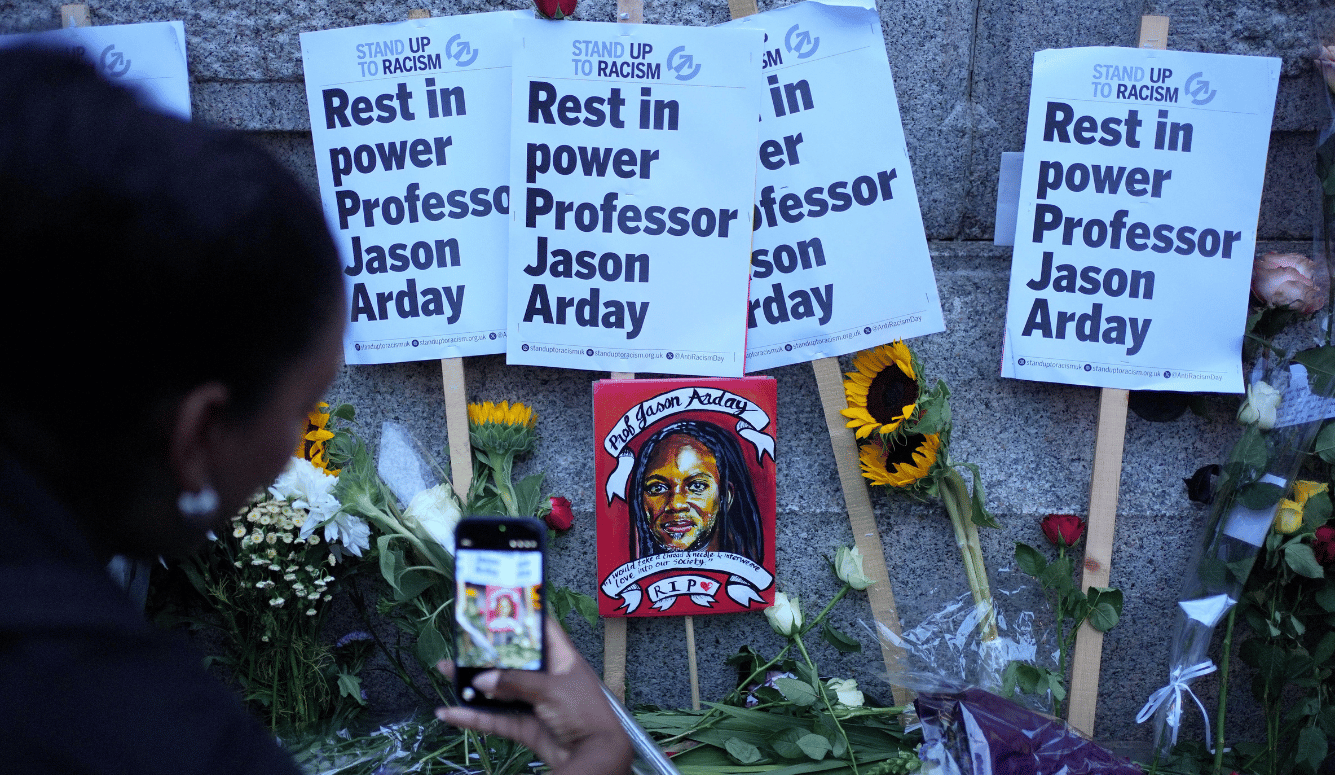
These are not mere anthropological curiosities. On 14 August, a professor was found dead at his home in south London. Within a week, another professor in Belgium had been suspended from his job. The dead man was Jason Arday, a sociologist credibly accused of plagiarism and fraud. The suspended scholar was Nathan Cofnas, a philosopher who published the article that triggered Arday's drastic fall.
Keep reading

What the Navigators Knew
Gemma Tognini on Australia’s Political Revolt

Rubio in Athens

How France Lost Control of Its Streets