Canada
I Chaired Canada's Human Rights Tribunal. Here's What I Saw.
During my time chairing the Canadian Human Rights Tribunal, I sometimes felt like the agent of a state-funded extortion ring.

Earlier this year, a human rights tribunal ordered a former school trustee in the Canadian province of British Columbia, Barry Neufeld, to pay a C$750,000 penalty. Tribunal officials concluded that certain statements Neufeld had made, protesting the inclusion of LGBT-related content in the school curriculum, had exhibited “hallmarks of hate.”
“Transpeople are, by definition, people ‘whose gender identity does not align with the sex assigned to them at birth,’” the tribunal declared. “If a person elects not to ‘believe’ that gender identity is separate from sex assigned at birth, then they do not ‘believe’ in transpeople. This is a form of existential denial.”
The Human Rights Tribunal affirms that hateful statements or publications are not shielded from the Human Rights Code because they are part of public or political discourse, re: BCTF v. Neufeld. To read the full statement please visit: https://t.co/VVQbTr93go pic.twitter.com/LTnShBfGtv
— BC's Office of the Human Rights Commissioner (@humanrights4BC) February 19, 2026
Even by Canadian standards, the judgment appears extreme. And the backlash has included a nascent effort to abolish human rights tribunals entirely. For now, Canadian human rights tribunals aren’t going anywhere, but if outrageous judgments such as this one become the norm, such an outcome might be inevitable.
When I moved to Ottawa in 2014 to become the Chair of the Canadian Human Rights Tribunal (CHRT), I knew my first priority had to be the rehabilitation of the institution’s reputation. Shortly before I arrived, the Conservative government of Prime Minister Stephen Harper had repealed the hate speech provisions in the Canadian Human Rights Act, the legislation under which the CHRT operates. A number of high-profile hate-speech cases had diminished the reputation of the CHRT and similarly mandated organisations. We were no longer getting buy-in from large swathes of the Canadian public.
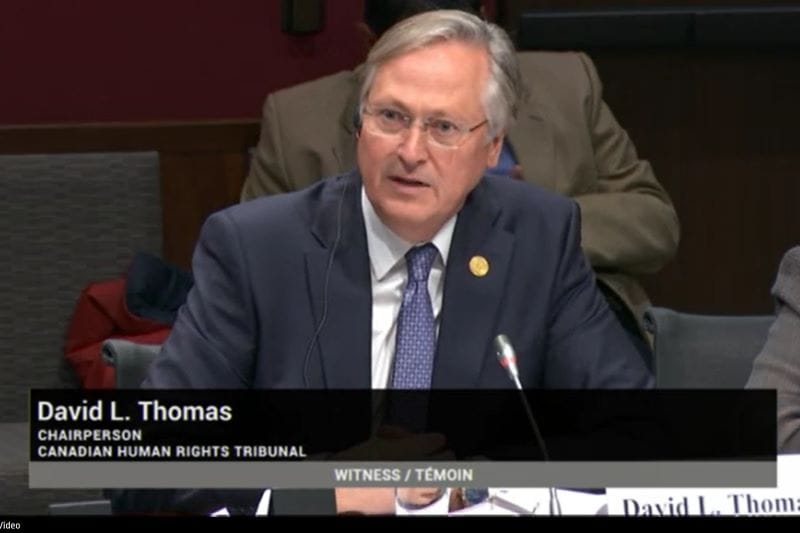
The CHRT had been established in 1977 as a quasi-judicial administrative body that adjudicated complaints of discrimination regarding race, religion, national origin, sex, age, marital status, disability, and pardoned criminal conviction. Such complaints were referred to us by a separate body known as the Canadian Human Rights Commission, which was supposed to investigate complaints and weed out frivolous claims. As we shall see, that didn’t always happen.
The vast majority of Canadians oppose the kind of discrimination that such tribunals were originally designed to remedy. There had been well-publicised examples of discrimination in the past, and there was broad consensus across the political spectrum that these were unacceptable.
The new regime was set up to keep discrimination complaints out of the courts and certainly out of the criminal justice system. Administrative human rights tribunals have flexible evidentiary rules and mechanisms to find expeditious resolutions to a complaint. The process was designed so that complainants would not be required to hire a lawyer; and in many cases, human rights commissions or free legal aid clinics would help complainants through the process.
Because there are such low barriers facing those seeking to launch a human rights complaint, however, there is little to dissuade vexatious complainants. As a result, we’ve often seen frivolous cases. This, in turn, has caused the process to become clogged with delays, just like the regular court system; and in many jurisdictions, it now takes years for a complaint to make its way to final judgment.
Because there are such low barriers facing those seeking to launch a human rights complaint, there is little to dissuade vexatious complainants.
Moreover, most provincial tribunals have lifted damage limits, and so awards in the tens of thousands of dollars are now offered routinely—large payouts that give complainants less incentive to settle on anything but generous terms. In some cases, these tribunals now even sit in judgment of class-action-style cases, including one that ultimately led, years later, to a C$23.4 billion payout.
The original purpose of protecting Canadians who’d been denied housing, basic services, and employment because of their immutable characteristics is often not reflected in current cases.
The above-mentioned case in British Columbia, B.C. Teachers' Federation v. Neufeld, illustrates the degree to which the system appears to have been captured by ideological special interests. The decision runs to 143 pages, and is written in a style that most Canadians would find incomprehensible, even if they had the time and inclination to read it. All they will know from the news coverage is that expressing certain views in Canada today can be financially ruinous.
The massive judgment against Neufeld was justified on the claim that he’d inflicted “injury to dignity, feelings and self-respect” of unionised teachers “identifying as LGBTQ”—people he didn’t directly work with or even know. Many observers, including me, have criticised the decision for its potential to chill free speech in Canada.
But as concerning as the Neufeld judgment may be, some of the most absurd human rights cases are the ones the public rarely hears about. These are the cases that move forward in the system but are settled at the mediation stage. Often, the underlying complaints should never have even passed the intake standards that human rights bodies are supposed to apply in the first instance. But in the current environment, respondents can’t predict how such cases will be adjudicated; and they fear the reputational consequences that could result from an adverse judgment. Settling such cases can be expensive, but such settlements also often come with a promise of confidentiality, meaning the facts never reach the greater public.
Some say that the process itself is the punishment—especially for the respondent (i.e., the party targeted by the complaint), who must fight these cases on his or her own dime.
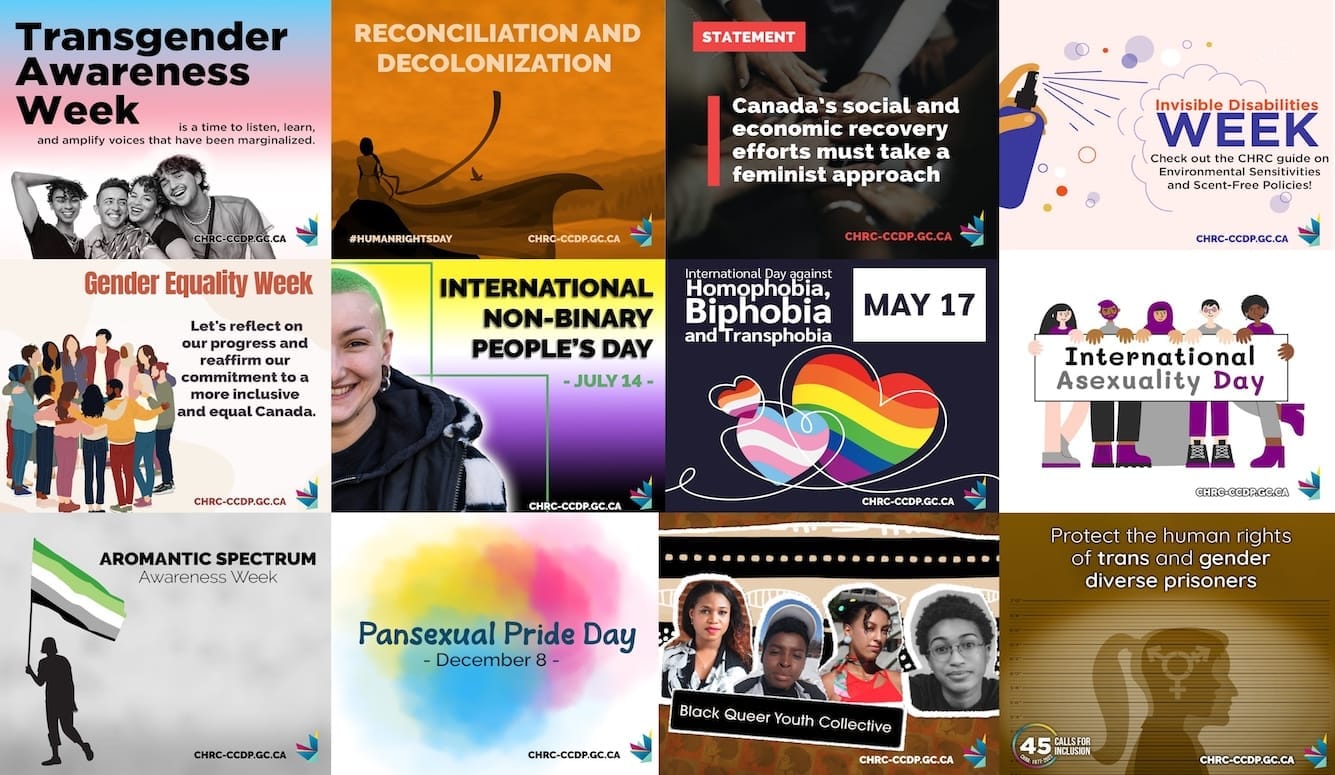
Following my appointment to Chair of the CHRT, I mediated nearly 300 human rights complaints. Some cases had merit. But at many times, I felt like the agent of a state-funded extortion ring, my job being to persuade innocent parties to pay money to avoid further pain.
I could write a whole book about the absurd cases I mediated. I will share the fact patterns of just a few here, taking care to completely anonymise the details in order to preserve the confidentiality of all parties.
Keep reading
Anti-Catholic Social Panics, Then and Now
A Dishonest (and Dangerous) Nobel Laureate

Common People
How Genetics Rewrote History

Equal Pay, Unequal Work