Empathy
Playing Gad
Gad Saad’s new book tackles an interesting topic. Unfortunately, the author’s narcissistic ramblings make it almost impossible to read.
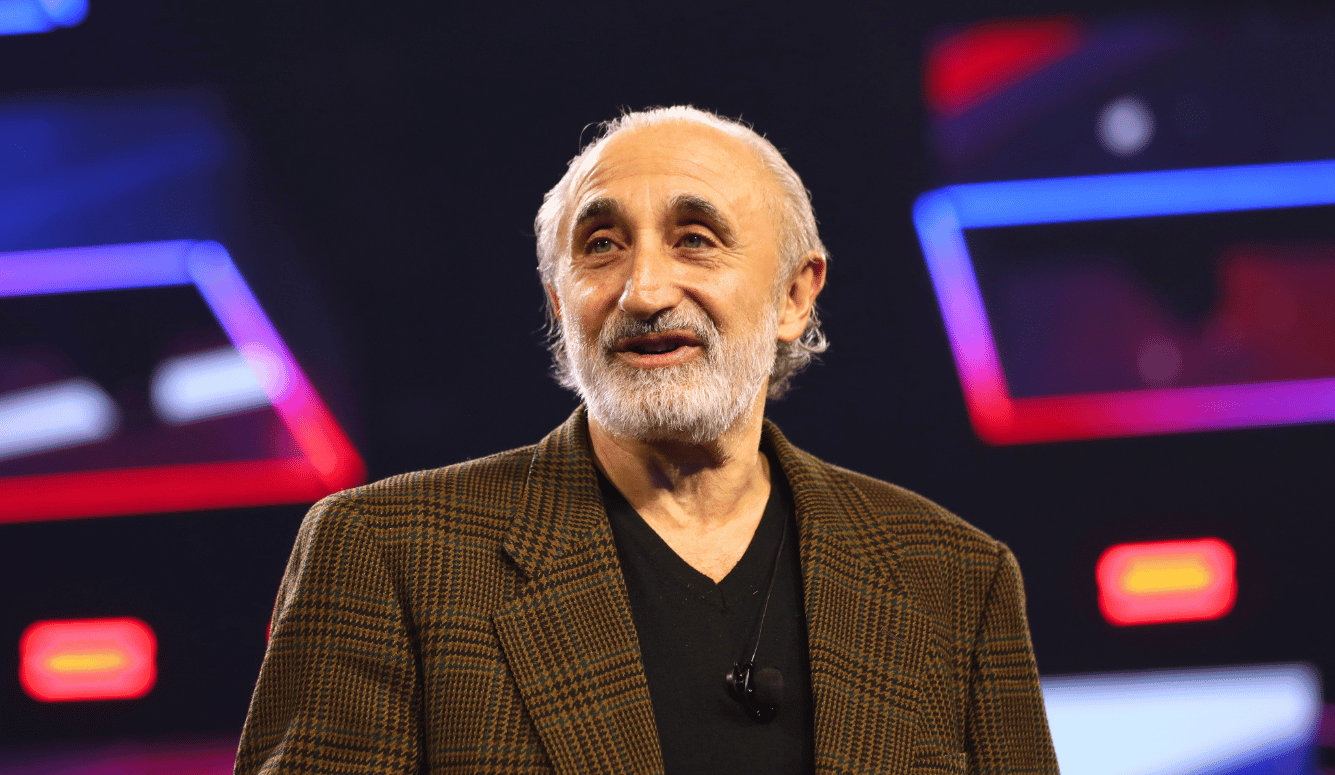

A review of Suicidal Empathy: Dying to be Kind by Gad Saad, 256 pages, Broadside Books (May 2026).
Homeowner Jane invites the homeless James to live with her. “I’d hate to be homeless,” she tells herself. James starts to exploit and abuse her. She accepts it. “I would not exploit and abuse someone unless something truly terrible had happened to me,” she thinks. This is what Gad Saad would call “suicidal empathy.” In his book of the same name, the Canadian commentator rails against “the orgiastic misfiring of one of our most noble virtues, empathy.”
There is merit to Saad’s critique. He is correct that empathy is problematic when people exaggerate the similarities between individuals. In all likelihood, James is not exploiting and abusing Jane because he has been maddened by trauma. He is, fundamentally, a less conscientious person.
Saad is clear—and rightly so—that he has no inherent objection to empathy. He objects to empathy, and all other emotions, when they are not regulated by rationality. The extent to which we empathise with other people must be framed by a rational understanding of those people and their circumstances.
Without this, we find left-wing commentators explaining terrorism with sole reference to Western foreign policy because they have no understanding of jihadism, and explaining criminals with sole reference to trauma and poverty because they cannot understand that some people do not have their aversion to crime. “What would it take for me to do this,” they ask themselves, without understanding that many people are not like them.
This can indeed encourage self-destructive behaviour, as people indulge dysfunction and criminality, and it can also lead to misunderstandings of the struggles faced by the subjects of their empathy. For all that Jane might be trying to empathise with James, for example, true understanding of his circumstances might lead us to conclude that he should be in rehab and not her guest bedroom.
So far, so good. But Saad, a marketing professor at Concordia University in Montreal, is a terrible guide to his theme. If the concept of “suicidal empathy” can be compared to an interesting neighbourhood, Saad does the equivalent of leading the reader on an extensive tour of an entire metropolis—ranting and bragging as he does so.
Saad has form here. A man who has never missed an opportunity to congratulate himself, he soaked his previous book—The Parasitic Mind: How Infectious Ideas Are Killing Common Sense—in narcissism, with incessant references to his courage, dedication, and football skills in the introduction alone. Suicidal Empathy isn’t quite that bad but he still can’t seem to finish a page without referencing his books, podcasts, talks et cetera; recounting his Twitter feuds; and making irrelevant and pandering remarks about contemporary politics.
This makes Suicidal Empathy almost impossible to read. Saad rambles smugly between subjects and tends to conflate sarcasm with wit—and with thinking that what makes a joke really entertaining is to repeat it. This passage may give you a sense of the Saad experience:
Keep reading
France’s Imaginary Austerity


A Clockwork Filmmaker


The Insight Trap

Cornell and Consent