Israel
War in Straitened Circumstances
After nineteen days of war, Israel and America face a grinding conflict with Iran and Hezbollah, and there is no clear end in sight.
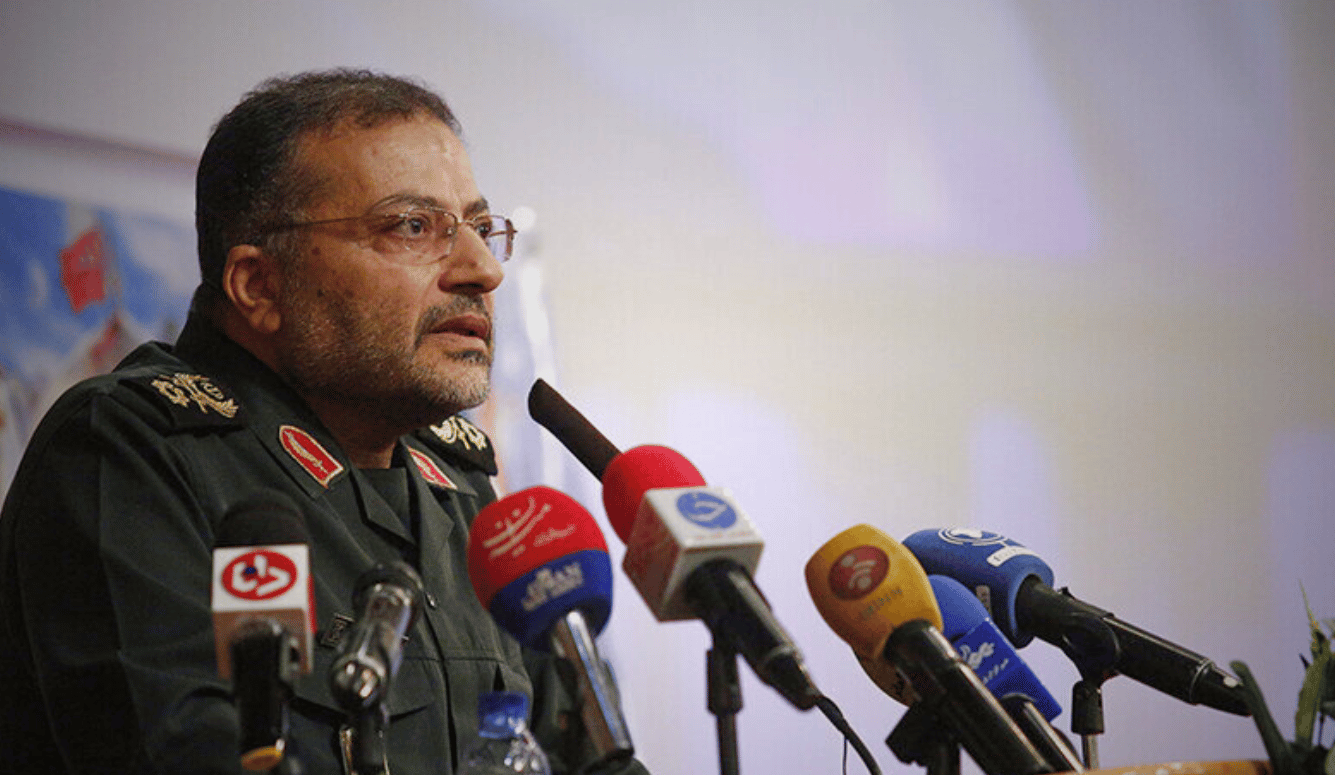

After a fortnight of war-making against Iran and its Lebanese proxy, Hezbollah, the rocketing of Israel by the Islamists has come to seem almost routine. Here in the Jewish state, people have been growing increasingly pessimistic. Some are despondent. The widespread jubilation that characterised the first days of the war—which saw the surprise Israeli–American decapitation of the Iranian military leadership, including the assassination of Iran’s Supreme Leader, Ali Khamenei, on 28 February and the subsequent devastation of the Islamic Republic’s air defences and ballistic missile capabilities—has given way to a realisation that neither Iran nor Hezbollah will be easily brought to heel. We have reached Day 19 of the conflict and both adversaries are still proclaiming that they will continue the fight until Israel and America are defeated. Meanwhile, people in Israel’s populous centre around Tel Aviv and in the frontier villages and towns bordering Lebanon continue to live under periodic, albeit small, barrages of ballistic missiles and short-range rockets and drones, which continue to disrupt the economy and education system, and render normal life impossible.
Yesterday (17 March), Israelis had a moment of uplift when Defence Minister Israel Katz announced the assassination in Tehran of Iran’s strongman, Ali Larijani, head of the Supreme National Security Council, and the almost simultaneous killing of Gholamreza Soleimani, the commander of the Basij militia, which was prominent in January’s brutal repression of the Iranian opposition demonstrations. But such killings are unlikely to have any effect on the emerging strategic big picture.
At the start of the war, Israeli Prime Minister Benjamin Netanyahu declared that the joint Israeli–American assault on Iran would pave the way for an uprising of the Iranian masses and the fall of Tehran’s internally tyrannical and externally aggressive Islamist regime. And should Hezbollah join the fray, he added, Israel would demolish or at least disarm the Lebanese fundamentalists once and for all. But the brutal suppression of the mass anti-government demonstrations by the Islamic Republic’s police, Basij militia, and Iranian Revolutionary Guard Corps (IRGC) in early January, which claimed many thousands of lives, left would-be protesters afraid to return to the streets, while Hezbollah began rocketing Israel on Day 3, in revenge, they declared, for Khamenei’s assassination. On 9 March, the Islamic Republic named Ali Khamenei’s son, Mojtaba Khamenei, the new Supreme Leader—but Mojtaba has yet to be seen in public and is believed to have been seriously wounded on 28 February. In effect, Larijani managed the war. Meanwhile, despite massive Israeli and American bombardments, neither the Ayatollahs nor Hezbollah have even hinted that they might eventually concede defeat.
In their defiance, they are following the pattern set by Hamas in their war with Israel that began when the Gaza-based Palestinian fundamentalists assaulted southern Israel on 7 October 2023. In response, Israel invaded and occupied some 55 percent of the Gaza Strip, killing as many as 15–20,000 Hamas fighters and, collaterally, perhaps as many as 50,000 of their civilian relatives—but Hamas is still standing. Its well-armed cohorts are publicly patrolling the streets of Gaza’s cities and are in firm control of the Strip’s two-million-strong population, who are now crammed into the 45 percent of the territory that Hamas controls.
Driven by religious fanaticism—which includes the belief that Allah’s side will ultimately prevail and that martyrdom assures the believers of a seductive heavenly afterlife—and governed by a logic alien to Western thinking, Islamists will not cede to the bombs and guns of militarily superior infidel armies. This is the lesson of the Israeli–Hamas war of October 2023–October 2024 and of the Israeli–Hezbollah war of October 2023–November 2024 and this is the likely upshot of the current conflict. Indeed, most observers believe that if Tehran’s Islamist regime is not toppled and Hezbollah is not demolished, they will recover and re-arm, with the possible help of Russia, North Korea, and/or China, and renew their war against the infidels in which Israel figures as the West’s Middle Eastern outpost. Their resilience has surprised American and Israeli officials.
Keep reading
Letters to the Editor
Podcast #332: The Historical Case for Israel
The IOC Is Protecting Female Athletics. Canada’s Secretary of State for Sport Isn’t Happy About It

Rohmer at Camelot

Communism’s Obsolescence
To Meet a Chatbot