Politics
An Hour of Reckoning
Iran has never been weaker and America has never been more poorly led.
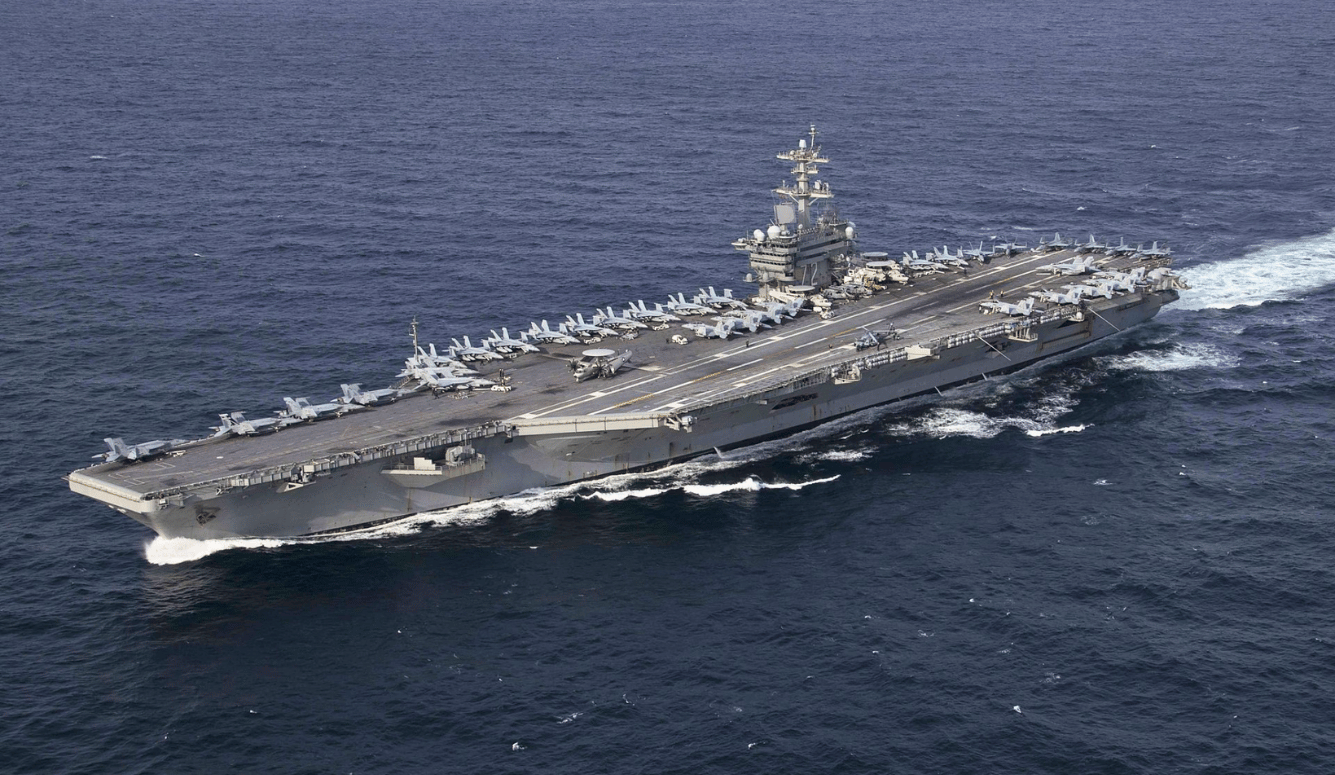

“A lesson for Trump to consider,” a headline in France’s Le Figaro cautioned the American president during his first administration: “Even Rome did not succeed in conquering Persia!” This warning was not applicable a decade ago, and it is even less applicable now, when one ought to be able to support US military action against Iran with a clear head and a good conscience. The biggest problem America faces as it prepares for a possible war in Persia is not the nature of the enemy, but the character of its own leadership.
Strategic appraisal is never one-dimensional. In evaluating the prospects of a looming conflict, two competing considerations merit close examination. On one hand, the Islamic Republic of Iran poses a clear and present danger to the peace and security of the Middle East, as well as to the United States for which it nurses a deep and abiding hatred. It would therefore be imprudent to leave the Iranian theocracy in place. Weakened by geostrategic setbacks and political upheaval in its own streets, the opportunity for decisive military action has never been more tempting. On the other hand, Donald Trump remains manifestly unfit to occupy the office he holds, morally delinquent, and weirdly incapable of strategic decision-making. This makes the already hazardous prospect of military action fraught with additional risk.
It’s worth emphasising just how unusual the Islamic Republic is in the contemporary order of nations. Iran is equipped with a millennial identity dating back thousands of years, but that legacy has largely been bulldozed by the militant Shi’ite theology and apocalyptic mindset that seized power in 1979. Shi’ite doctrine traditionally holds that clerics should refrain from activism in government as they await the reappearance of the hidden Twelfth Imam. However, during Ayatollah Ruhollah Khomeini’s years in exile between 1964 and 1979, he promulgated the Velayat-e Faqih, or the “Rule of the Jurists,” an ideology that vehemently challenged Shi’ism’s quiescent traditions and has since legitimated nearly fifty years of barbaric theocratic rule.
Since its inception, the Islamic Republic has identified the United States as its principal adversary, the satanic leader of the world’s infidels. Israel is America’s protégé and what Ayatollah Khomeini used to call its “illegitimate child.” The regime’s hostility to the liberal order, its longstanding pursuit of a nuclear arsenal, and its restless ambition to achieve regional hegemony all arise from its revolutionary ideology and will not diminish until the ayatollahs are finally removed from power. The spirit of popular rebellion that periodically convulses Iranian streets offers a generational opportunity to achieve that goal.
 Benny Morris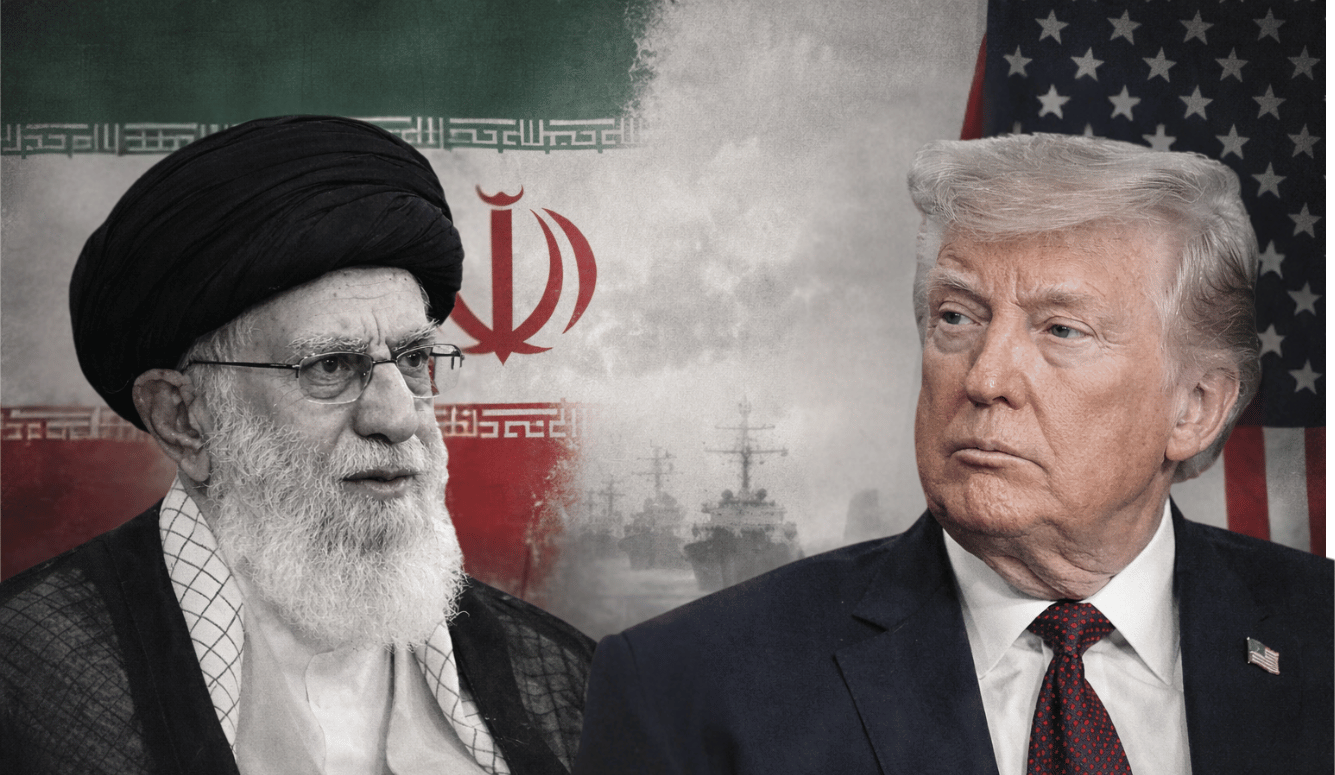
Some analysts argue that Iran’s recent strategic reverses—Hamas battered by two devastating years of war in Gaza, Lebanese Hezbollah decapitated, the Assad regime dethroned in Damascus—along with its shaky domestic position after the Twelve Day War with Israel last June, make any idea of an Iranian threat to the US ridiculous. But it would be a mistake to underestimate a medieval regime nourished by a belief in martyrdom and its own religious destiny. Certainly, the suggestion that an internal rebellion will bring down this tyranny remains fanciful for the time being—the regime reportedly massacred some 30,000 of its own citizens in January as it fought to suppress massive domestic protests. It has now hardened the country into what historian Ali M. Ansari calls an “Islamic security state.”
The opposite argument—that the Islamic Republic is a mighty nation with vast reach and power and therefore too dangerous to confront—still attracts a respectful hearing in many quarters. According to this narrative, the mullahs will not hesitate, when threatened, to enmesh the entire Middle East along with the United States in a vicious and protracted war. There can be no doubt that, if it comes under attack, the Islamic Republic will retaliate against American forces in the region, and use its proxies to attack US and Jewish targets worldwide. But this threat is not new, and Iran’s reach has never been as diminished as it is now, so it makes sense to strike before its forces can be reconstituted.
Keep reading
The State of Grace

Letters to the Editor
Iran’s Revolutionary Regime and the Long War Against the West: Behnam Ben Taleblu

Podcast Episode #330: When Everyone Knows Everyone Knows ...

The Buenos Aires Bombings
James Cameron Goes Native