Skip to content

Zohran Mamdani

The Warmth of Collectivism

Zohran Mamdani wants to institute “collectivist” governance, but NYC already has a collectivist problem—a coordinated veto system that blocks development and progress.
· 6 min read
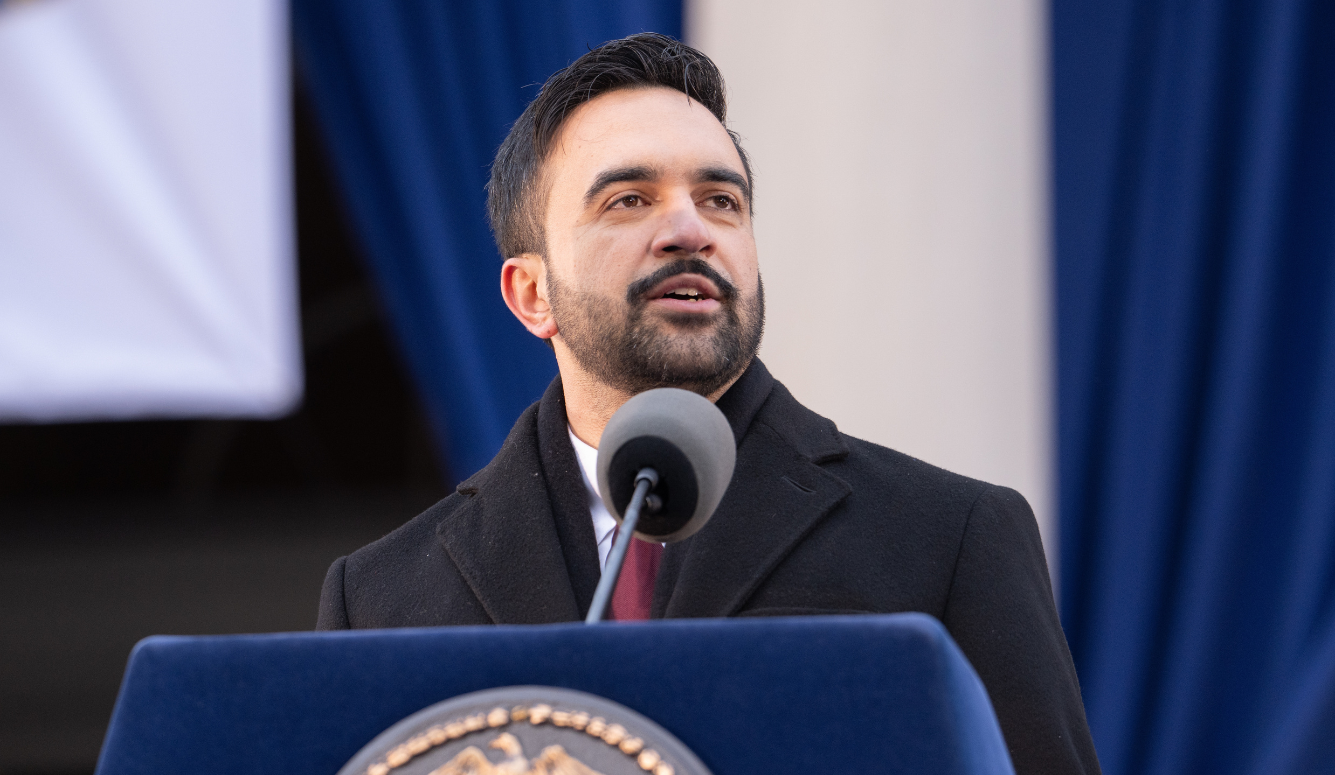
Mamdani is an adult man with short dark hair and trimmed beard speaking at an outdoor podium, wearing a dark coat and tie, with flags behind him.
New York, NY., USA - 1 January 2026: New York mayor Zohran Mamdani speaks during his public inauguration ceremony at City Hall in New York on 1 January 2026. Shutterstock.

When Zohran Mamdani took office as the mayor of New York City on 1 January, he promised to usher in a transition from “the frigidity of rugged individualism to the warmth of collectivism.” It was a bizarre and stilted choice of words. “We will govern expansively and audaciously,” he told the people. The message was clear: New York’s political culture was about to change. Mamdani would institute free buses, a rent freeze, universal childcare, and higher taxes on wealth.

The people around Mamdani have been unusually candid about what the new mayor meant by “collectivism.” The Director of the Mayor’s Office to Protect Tenants, Cea Weaver said, “the reality is that for centuries, we have really treated property as an individualised good and not a collective good. And we are going to transition into treating it as a collective good and toward a model of shared equity.” Weaver was clear that this won’t be costless. “It will mean that families, especially white families but some POC families who are homeowners as well, are going to have a different relationship to property than the one that we currently have.”

But once you get into the mechanics of this, you quickly run into problems. New York contains eight million people, making millions of daily decisions: where to live, what rent to charge, which job to take, how to run a small business. Each decision rests on local knowledge—information that exists in fragments, held by individuals who understand their own circumstances and priorities in intimate detail.

The Economic Illiteracy of Alexandria Ocasio-Cortez
It is hard to emphasize how chillingly inept this remark is, especially for someone with a degree in economics.

A recent, citywide test case of collectivist rule making is instructive here. In June 2020, the NYC Rent Guidelines Board voted to set a zero percent increase for one-year renewals on rent-stabilised apartments whose leases started between 1 October 2020 and 30 September 2021. But costs for landlords kept climbing anyway, creating a squeeze. The RGB’s own operating-cost indices show big increases in key line items—e.g., from April 2021 to March 2022, all costs rose 4.2 percent, with insurance up 10.9 percent and maintenance up 9.2 percent.  Sector-wide financial data tell the same story: one large NYC rent-stabilised lender/servicer reports that per-unit expenses are up 22 percent since 2020.

The nub of the problem is that the landlords’ incomes are capped for political reasons, but their bills aren’t. An apartment building needs heat, hot water, lifts, staff, boilers, roofs, facades—all of which are paid for out of rent. If rent is held flat or grows more slowly than insurance, labour, and maintenance costs, the owner has three options: run the building at a loss, inject outside cash, or cut back on needed spending and let the building deteriorate.


Of course, as I noted last year, Mamdani’s power to act will be limited by many checks and balances. Cities don’t get to simply implement collectivism in the way that Mamdani and his priesthood of ideological activists might wish. City governments are constrained by state and federal rules. Progressive ambitions in the US are often stymied by injunctions, hearings, lawsuits, and committees.