Art and Culture
Understanding Victimhood Culture — Interview with Bradley Campbell and Jason Manning
Conservatives and others who find themselves opposed to campus activists might uphold the values of the dignity culture the activists reject


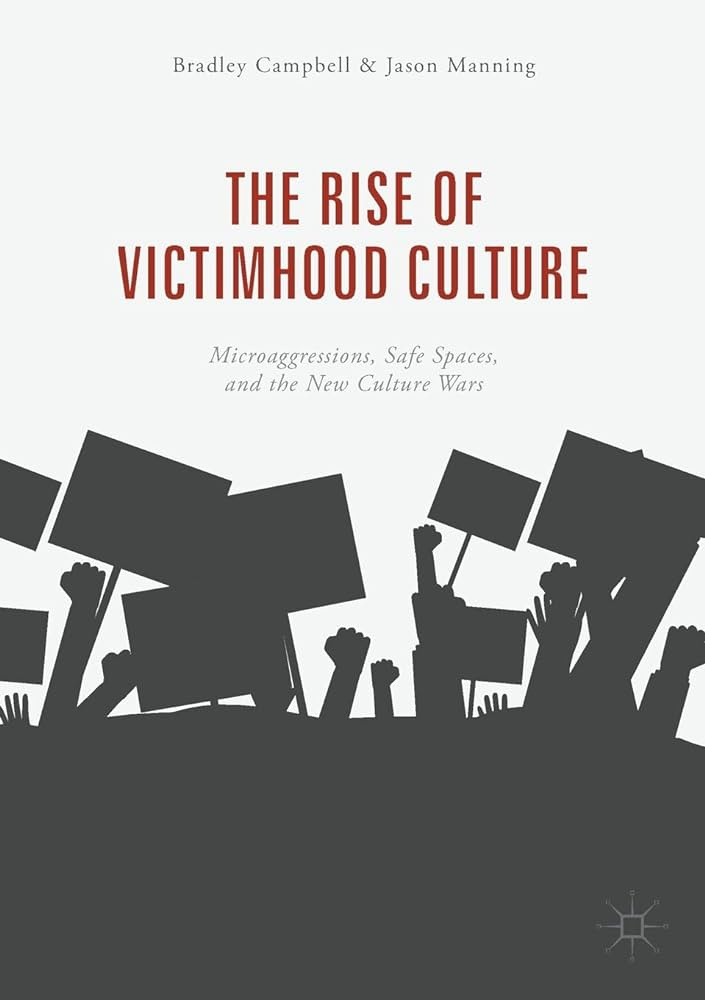
Bradley Campbell, Associate Professor of Sociology at California State University, and Jason Manning, Associate Professor of Sociology at West Virginia University, have been described as “prophets of the academic world” by psychologist Jonathan Haidt, and their new collaborative work The Rise of Victimhood Culture: Microaggressions, Safe Spaces, and the New Culture Wars, “a book of revelations,” by the sociologist Donald Black. The two sociologists have aimed to supply us with an empirical sociological analysis of the recent moral conflicts that have erupted on U.S. college campuses—and the extent to which these conflicts are spreading outwards into mainstream society.
After reading the book, I reached out to the American sociologists to interview them about some of the key themes of their book, and also to gain insight into some recent cultural trends that were not covered. What follows is a transcript of our interview conducted via email.
I. Three Moral Cultures
Claire Lehmann: Just briefly for our readers who have not read your book, can you explain the main differences between the dignity, honor and victimhood cultures which you outline in your thesis?
Bradley Campbell and Jason Manning: The three moral cultures are different clusters of traits having to do with what people find offensive and how they handle their grievances.
In dignity cultures, there is a low sensitivity to slight. People are more tolerant of insult and disagreement. Children might be taught some variant of “Sticks and stones can break my bones, but words can never hurt me.” It’s good to have “thick skin,” and people might be criticized for being too touchy and overreacting to slights. If the issue in the conflict is something more than a slight or insult — say, a violent assault — you’re to handle the matter through appeal to authorities such as the legal system. Taking the law into your own hands with violent vengeance is itself a serious crime and generally looked down upon.
In honor cultures, there’s a much greater sensitivity to slight. Insults demand a serious response, and even accidental slights might provoke severe conflict. Having a low tolerance for offense is more likely to be seen as a virtue than a vice. Letting yourself be slighted without seeking justice is shameful. And seeking justice is more likely to take the form of violent vengeance. Appealing to authorities is more stigmatized than taking matters into your own hands.
These two kinds of cultures emphasize different sources of moral status or worth. Honor is one’s status in the eyes of other people. It depends on reputation. And while a lot of things might go into making this reputation, the core of classical honor is physical bravery. Tolerating slights is shameful because you let someone put you down without defending your reputation by force. It suggests cowardice. Appealing to the authorities is shameful for the same reason. Virtue means being bold and forceful, aggressively defending your reputation against any challenges, and being vigilant for signs that someone else is probing you for weakness.
Dignity is a kind of inherent and inalienable moral worth. It doesn’t depend on your standing in the eyes of other people. A dignity culture emphasizes that all people have this sort of worth, which can’t be taken away. It’s why an insult can’t devalue you. If anything, overreacting to an offense is unseemly because it suggests you’re not confident in your worth and need to take other people’s opinions so seriously. Virtue isn’t being bold, touchy, and aggressive, but restrained, prudent, and quietly self-assured.
What we call victimhood culture combines some aspects of honor and dignity. People in a victimhood culture are like the honorable in having a high sensitivity to slight. They’re quite touchy, and always vigilant for offenses. Insults are serious business, and even unintentional slights might provoke a severe conflict. But, as in a dignity culture, people generally eschew violent vengeance in favor of relying on some authority figure or other third party. They complain to the law, to the human resources department at their corporation, to the administration at their university, or — possibly as a strategy of getting attention from one of the former — to the public at large.
Keep reading
AI Is Not About To Become Sentient

The Innovation Trap

Treating Myths as Science

The Edifice Complex

Letters to the Editor
Criminal Research