Trauma and Terror
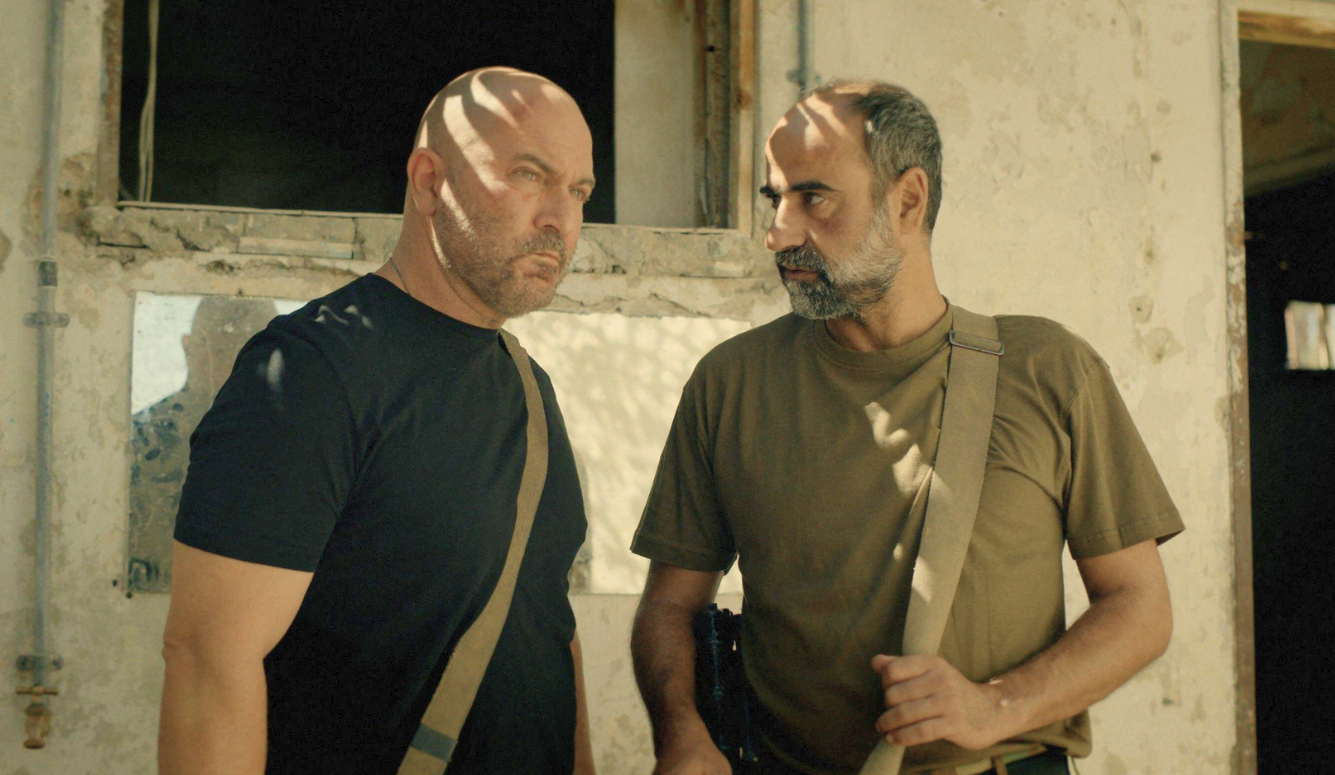
If you’re not already familiar with the casus belli that ignited the Gaza war, watching the fifth season of ‘Fauda’ will be good for you, but it will also be bad for you.
A collection of 60 posts
If you’re not already familiar with the casus belli that ignited the Gaza war, watching the fifth season of ‘Fauda’ will be good for you, but it will also be bad for you.
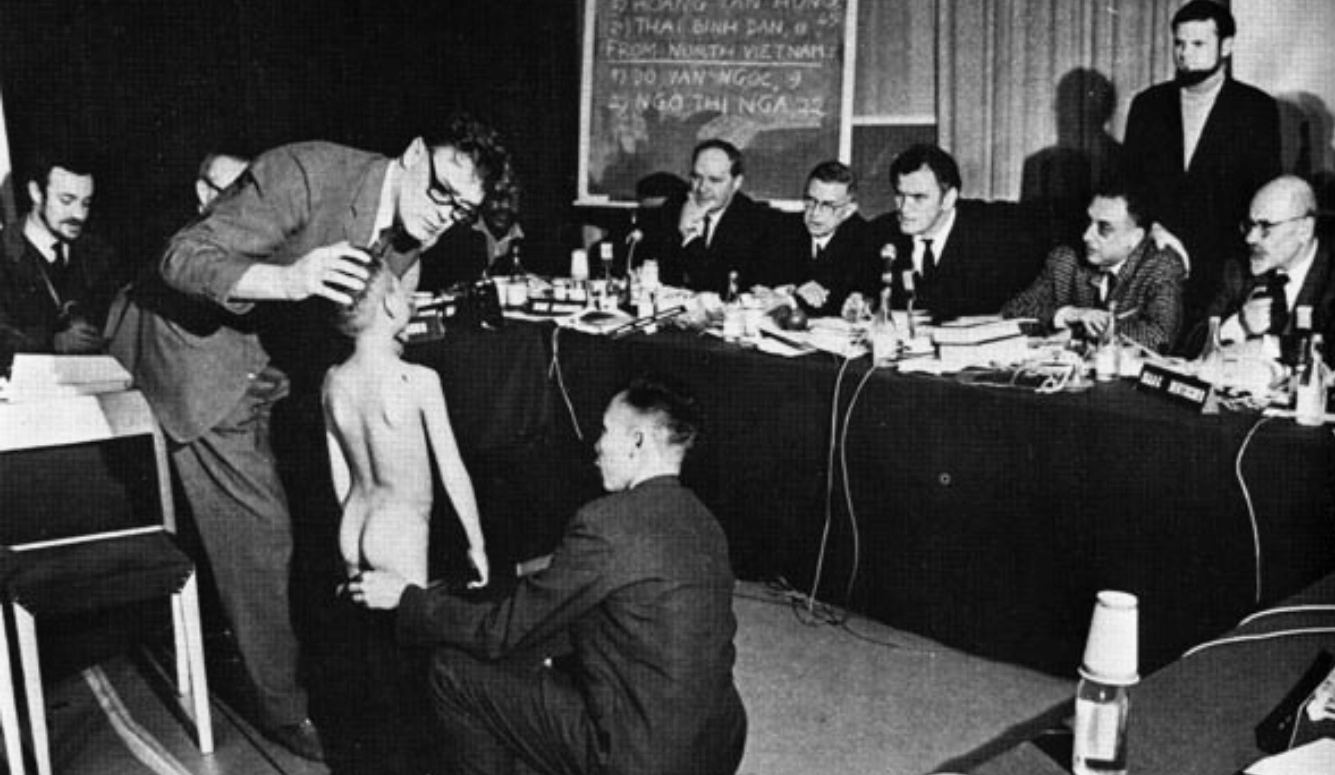
In 1967, left-wing intellectuals accused America of genocide in Vietnam—they were wrong then, and they’re wrong again now.
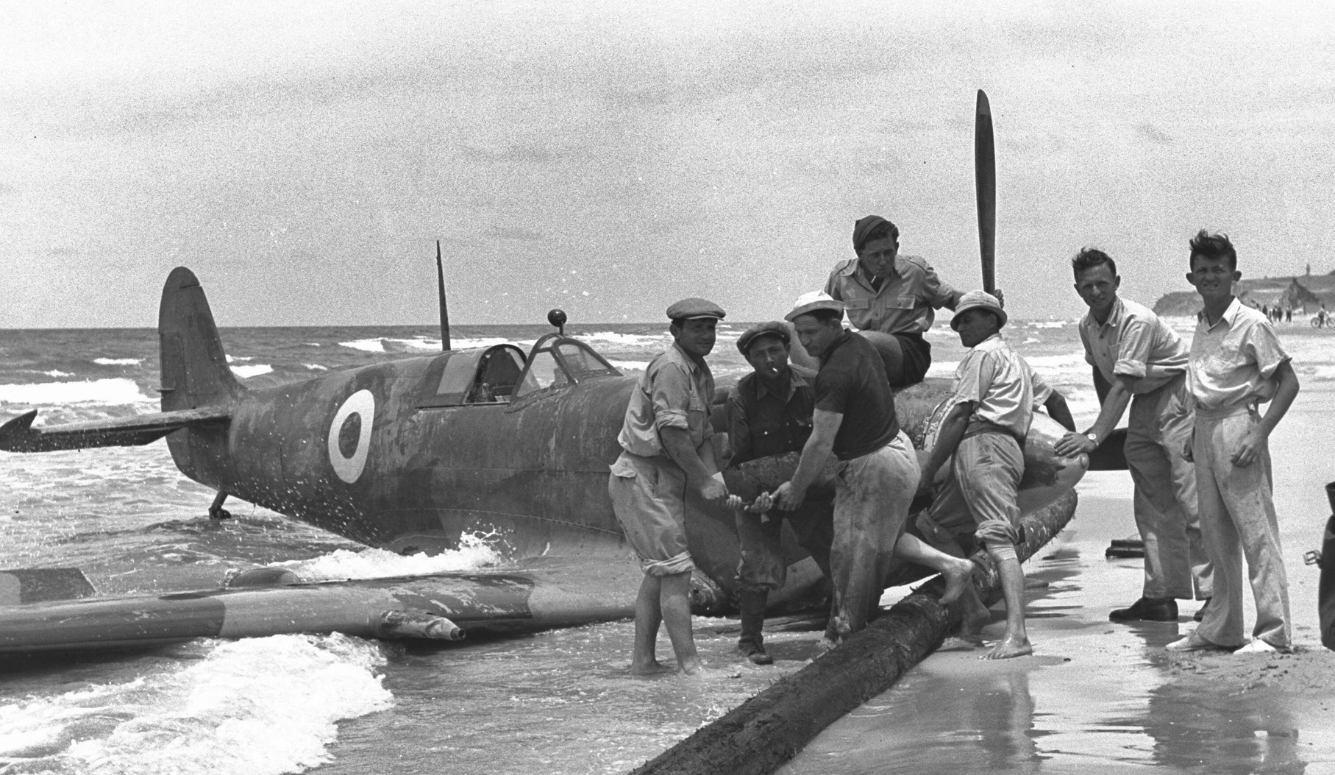
A new exhibition at the Canadian Museum for Human Rights in Winnipeg peddles PLO myths about Israel’s war for independence in 1948.
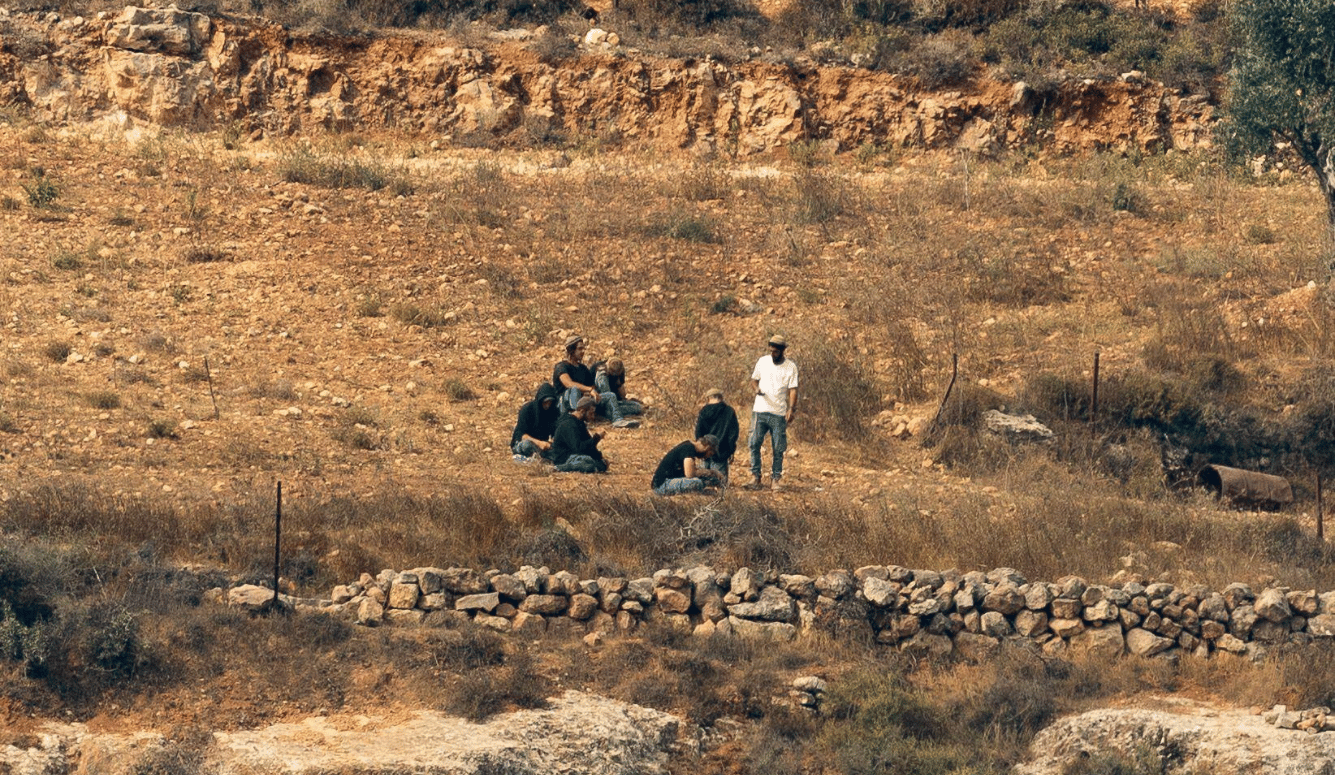
Israeli governments have never decided what to do with the West Bank—so the settlers have begun deciding for them.
By framing terrorism and armed struggle as legitimate resistance, the pro-Palestine movement has unwittingly strengthened Israel’s case that withdrawal and concessions carry unacceptable risks.
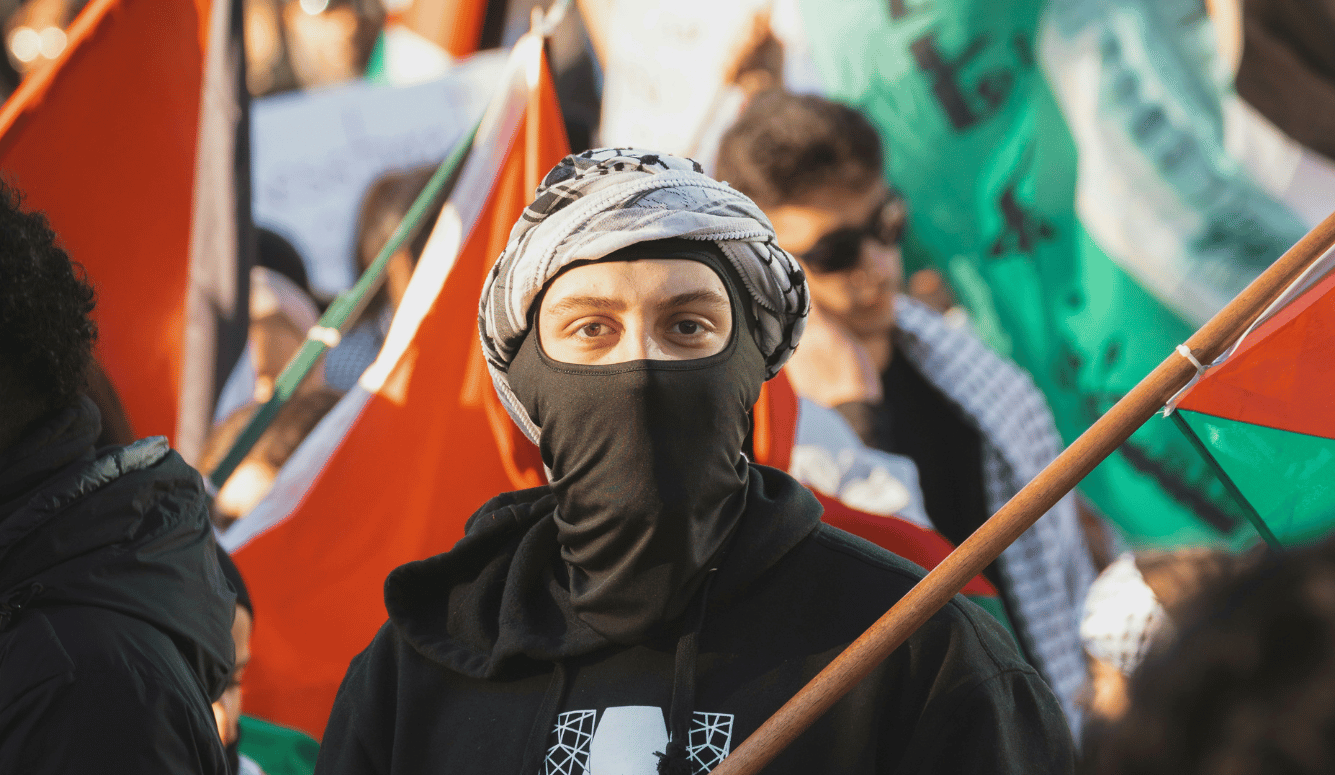
Calls to “globalise the intifada” have produced a wave of antisemitic terror and encourage an unending cycle of violence.
Three Flemish universities are about to convey the sanction of university-recognised expertise to a deeply dishonest and fraudulent individual.
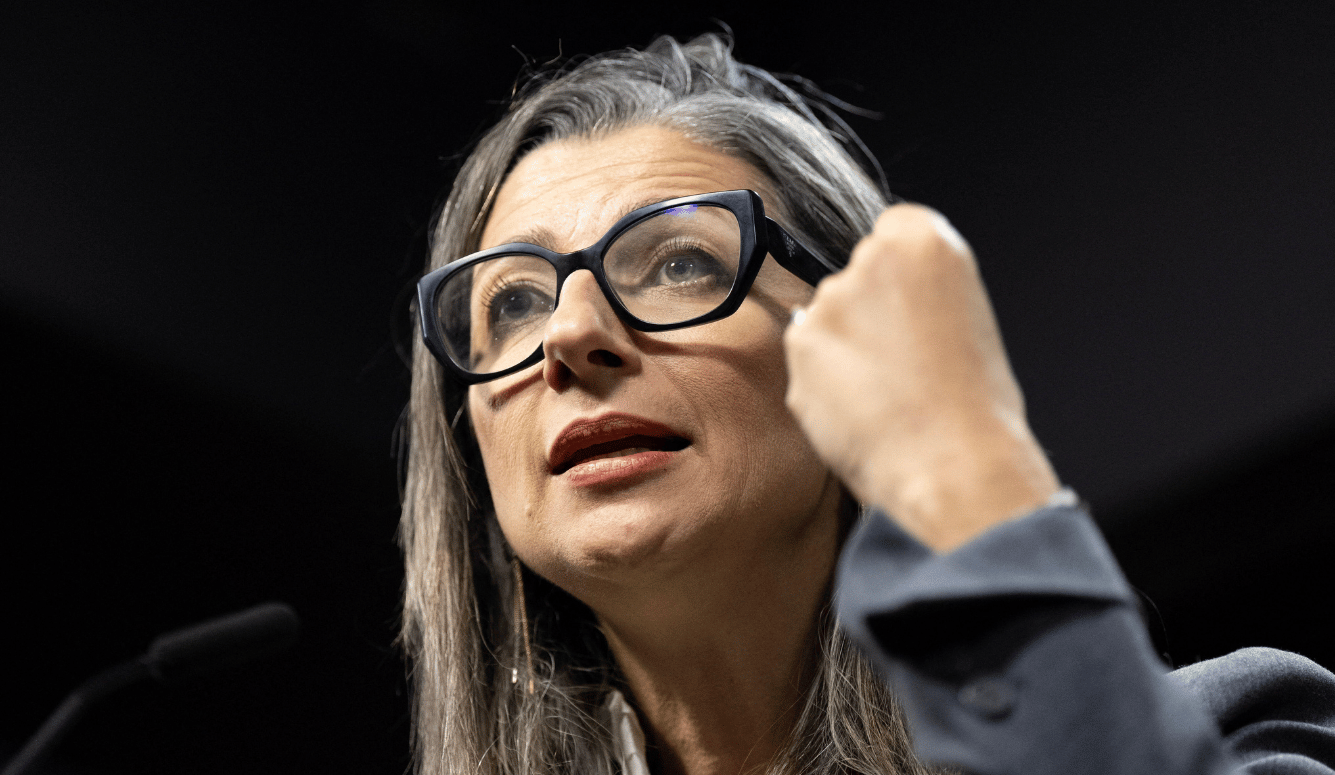
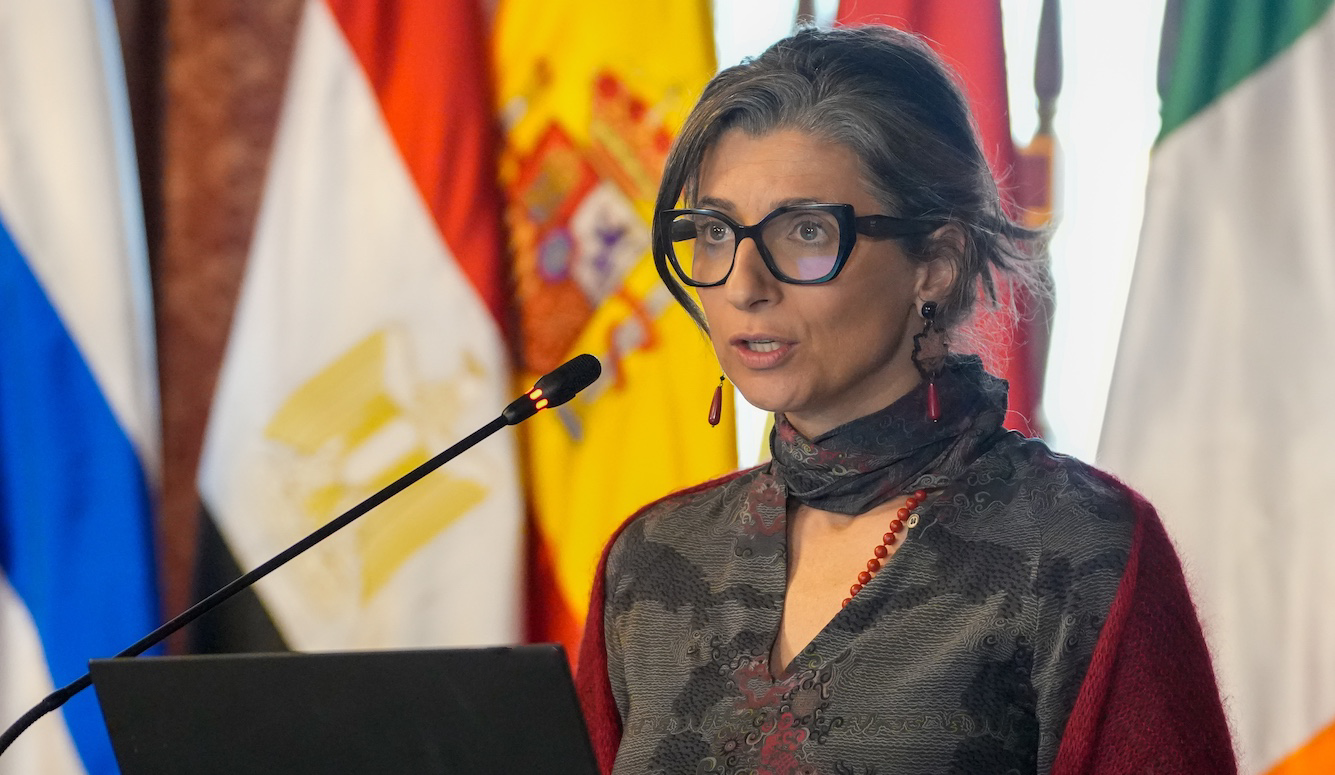
The UN Rapporteur’s latest report channels a single-minded contempt for the Jewish state.
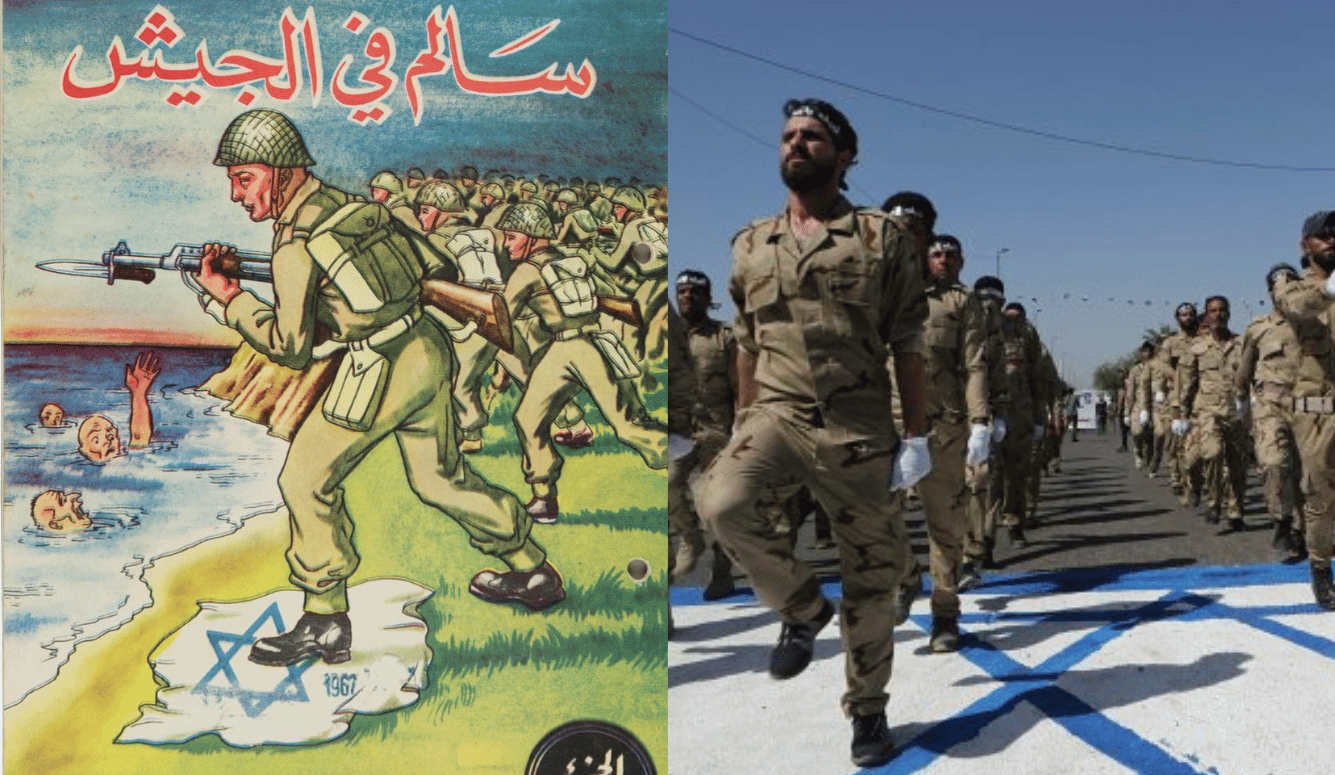
The Arabs still believe that they are fighting a colonial war against Israel. But they are not.
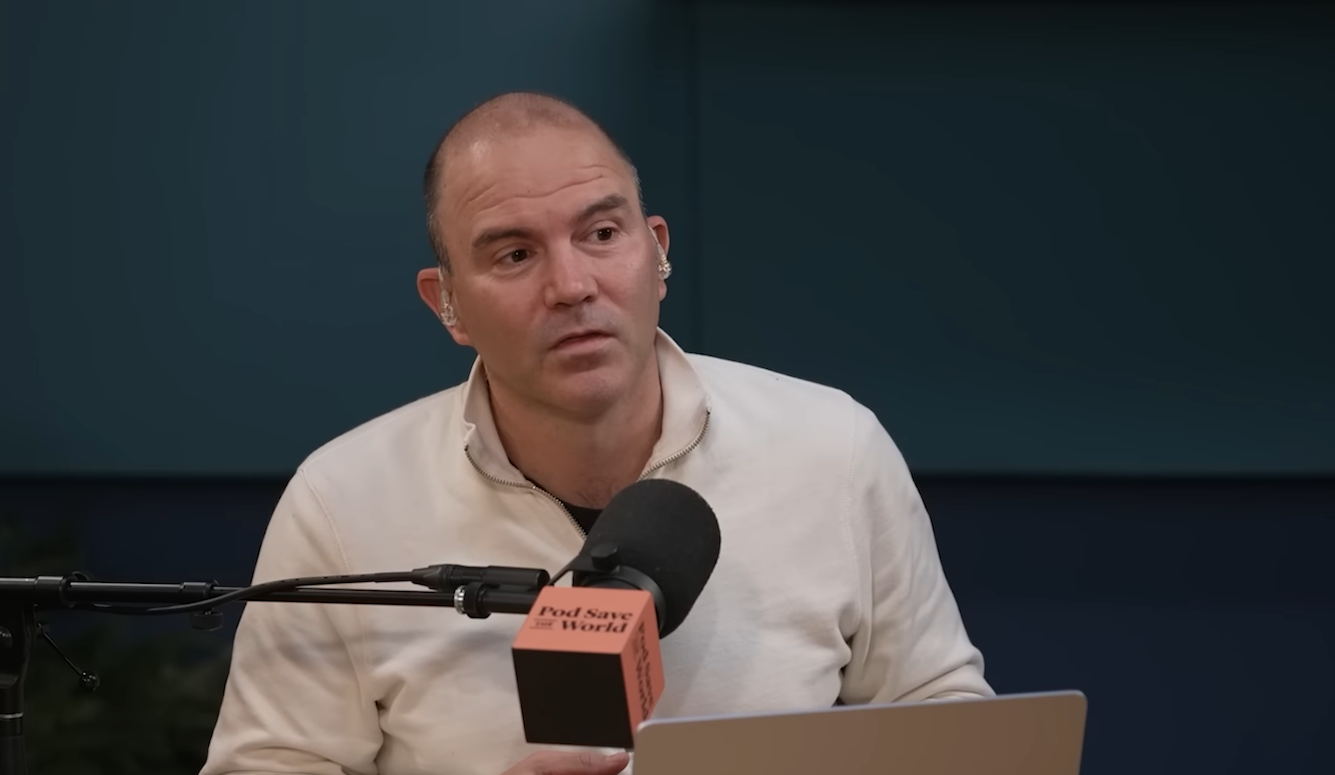
Obama veterans never understood the Middle East, and they never will.
Why is antisemitism resurging? Why has support for Hamas taken hold on Western campuses? And how do Qatar, media narratives, and fading Holocaust memory feed today’s crisis?
How Qatar's ideological reach—from think tanks to media—has stifled dissent and enabled Islamism in the West.
How Muslim and Christian antisemitism have converged with anti-Israel sentiment—some of it justified—to fuel the Free Palestine protests across the West.
Decades of free riding has meant that many Middle East countries lack the skills and institutions necessary to maintain and build upon the favourable circumstances in which they now find themselves.
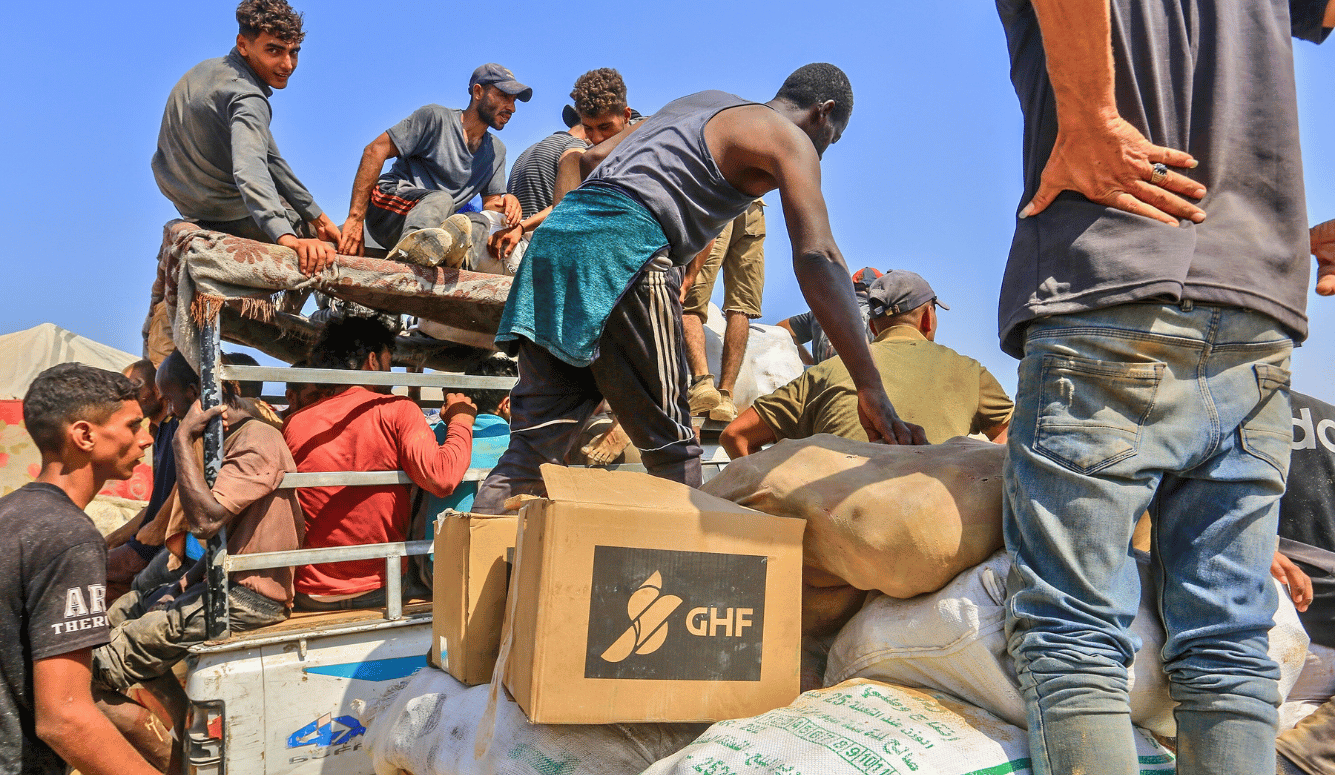
An in-depth interview with Chapin Fay of the Gaza Humanitarian Foundation on delivering aid in a war zone—and why their unconventional model has drawn both praise and criticism.