
The Phantom Enemy of the Culture War
The postwar decline of the West was not sabotage, it was conviction slowly unwound in the face of horror.
Joseph Zeller
· 9 min read
A collection of 457 posts
The postwar decline of the West was not sabotage, it was conviction slowly unwound in the face of horror.

The death toll under Communist regimes is of incredible magnitude. Yet whenever I attack Communism for being an evil ideology, I get a serious number of rebuttals.
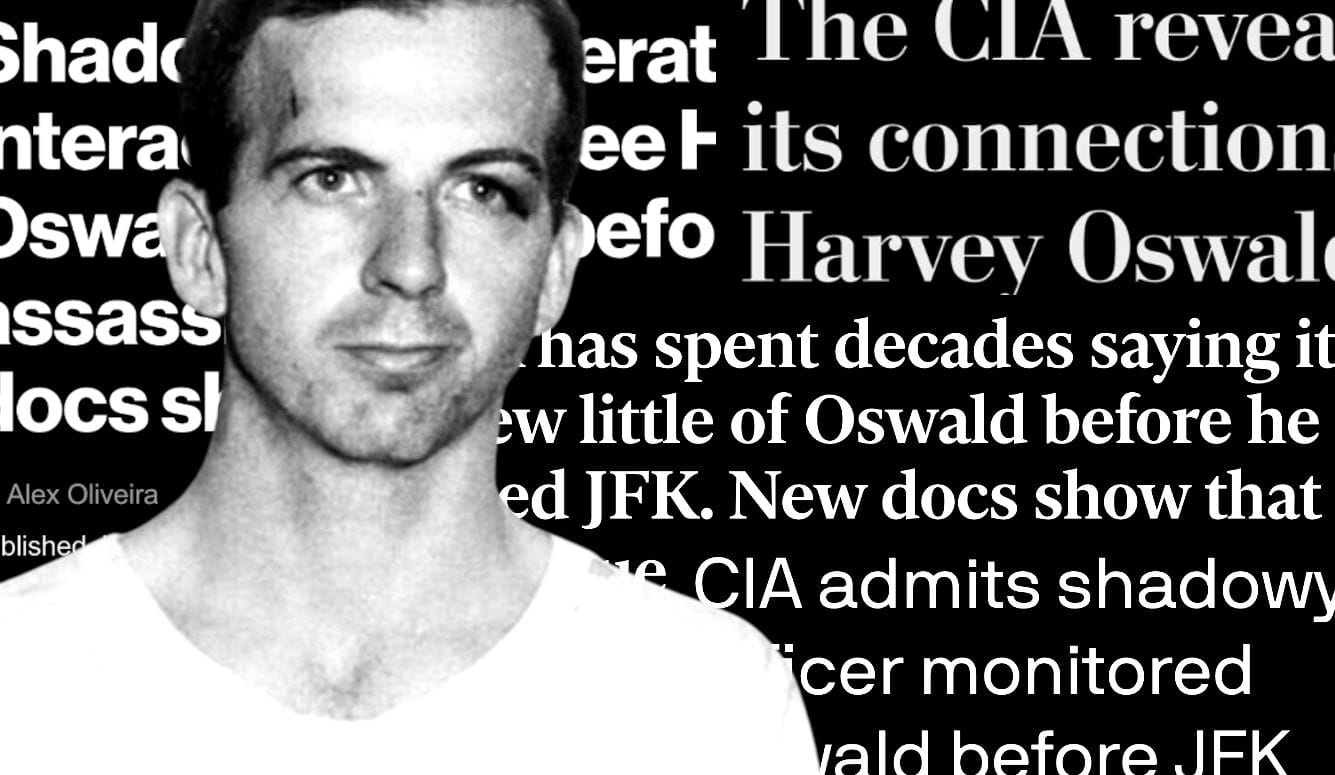
Jefferson Morley’s dogged pursuit of a CIA connection in Miami is all smoke and no fire.
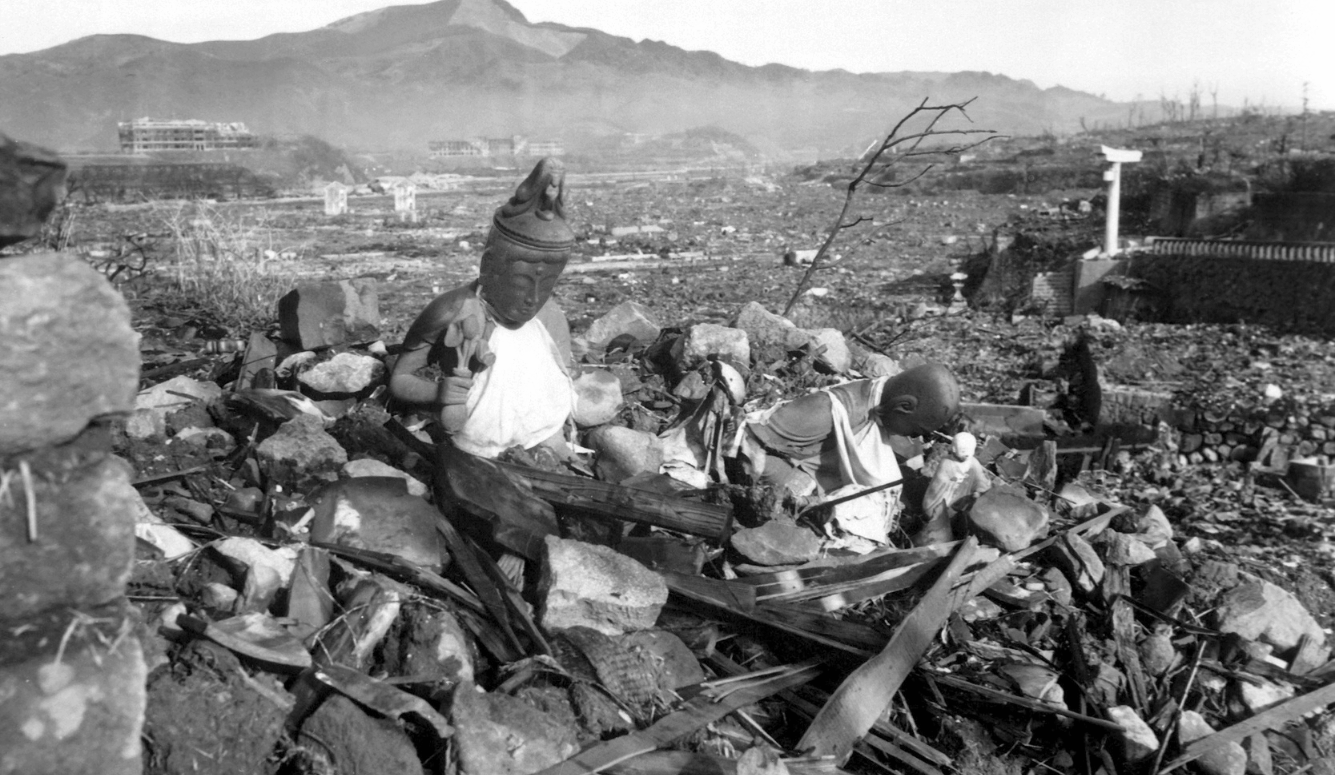
Garrett Graff’s new book provides the story of America’s quest for the bomb with a valuable human quality without sacrificing the epic sweep.
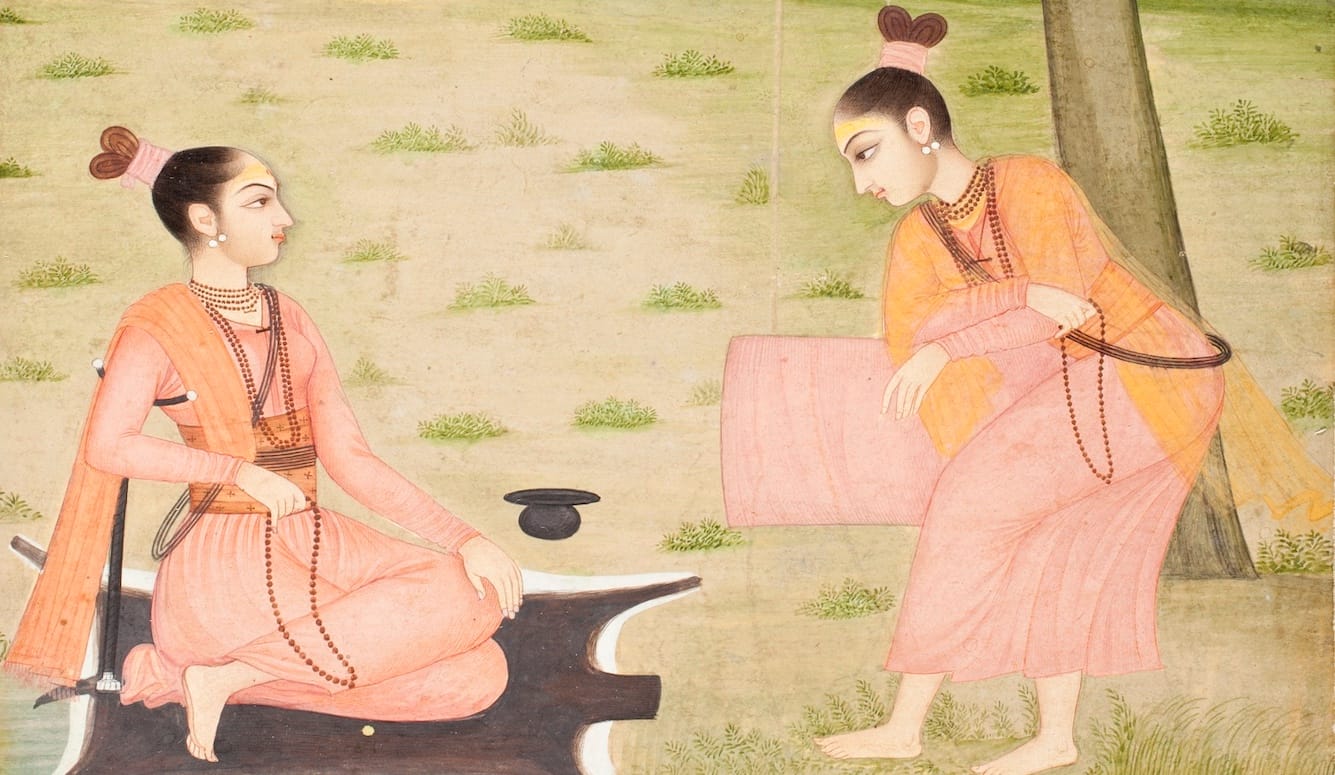
Evidence suggests that today’s common yoga practices were inspired by a popular 1924 Danish gymnastics manual.

American conservatives show no interest in understanding their country’s greatest geopolitical foe. The consequences of this incuriosity could be disastrous.
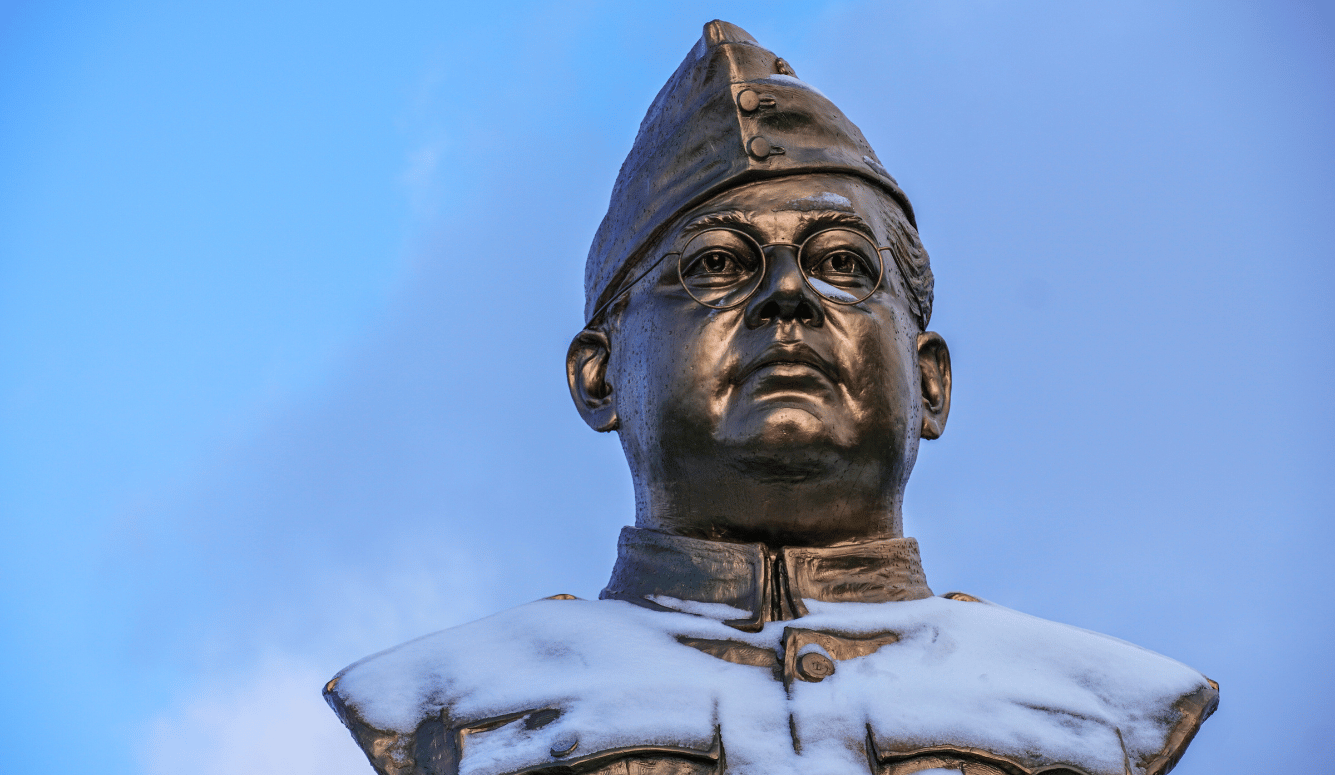
The contrasting lives and ambitions of two major figures in the fight for Indian Independence: Kodandera Subayya Thimayya (“Timmy”) and Subhas Chandra Bose.
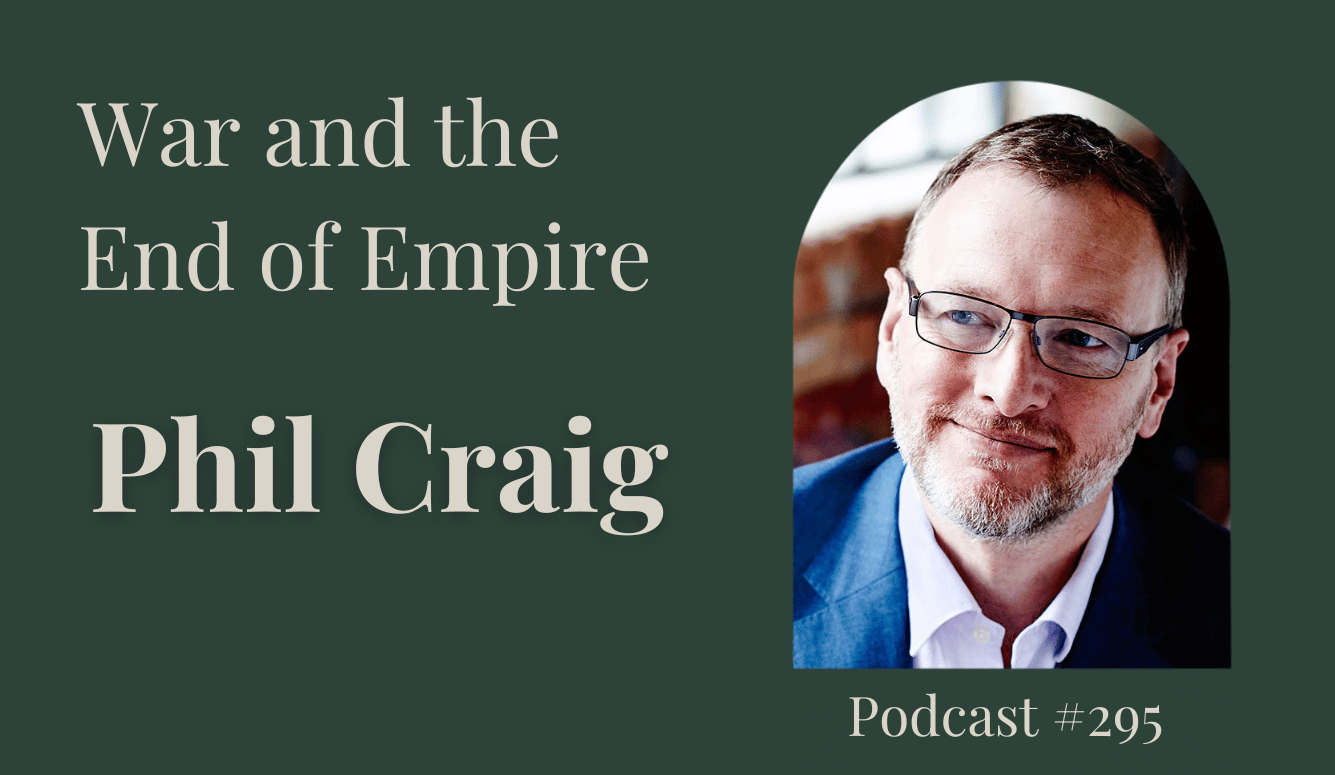
Iona Italia talks to historian and film-maker Phil Craig about the latest in his series of books about World War II: ‘1945: A Reckoning: War, Empire and the Struggle for a New World.’

A tribute to a brilliant writer and a journalist of great integrity and candour.
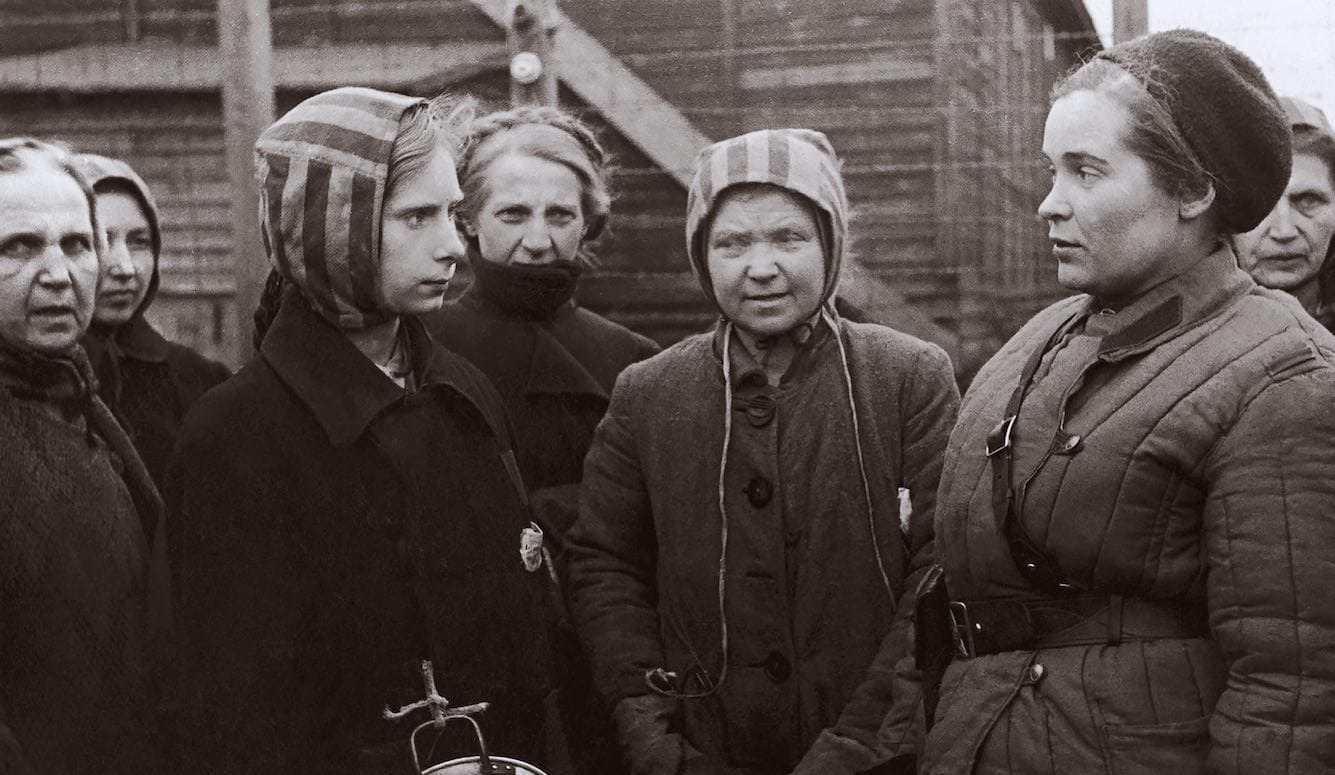
A riveting new book by American historian Lynne Olson re-examines the story of Ravensbrück, the Nazis’ notorious concentration camp for women.
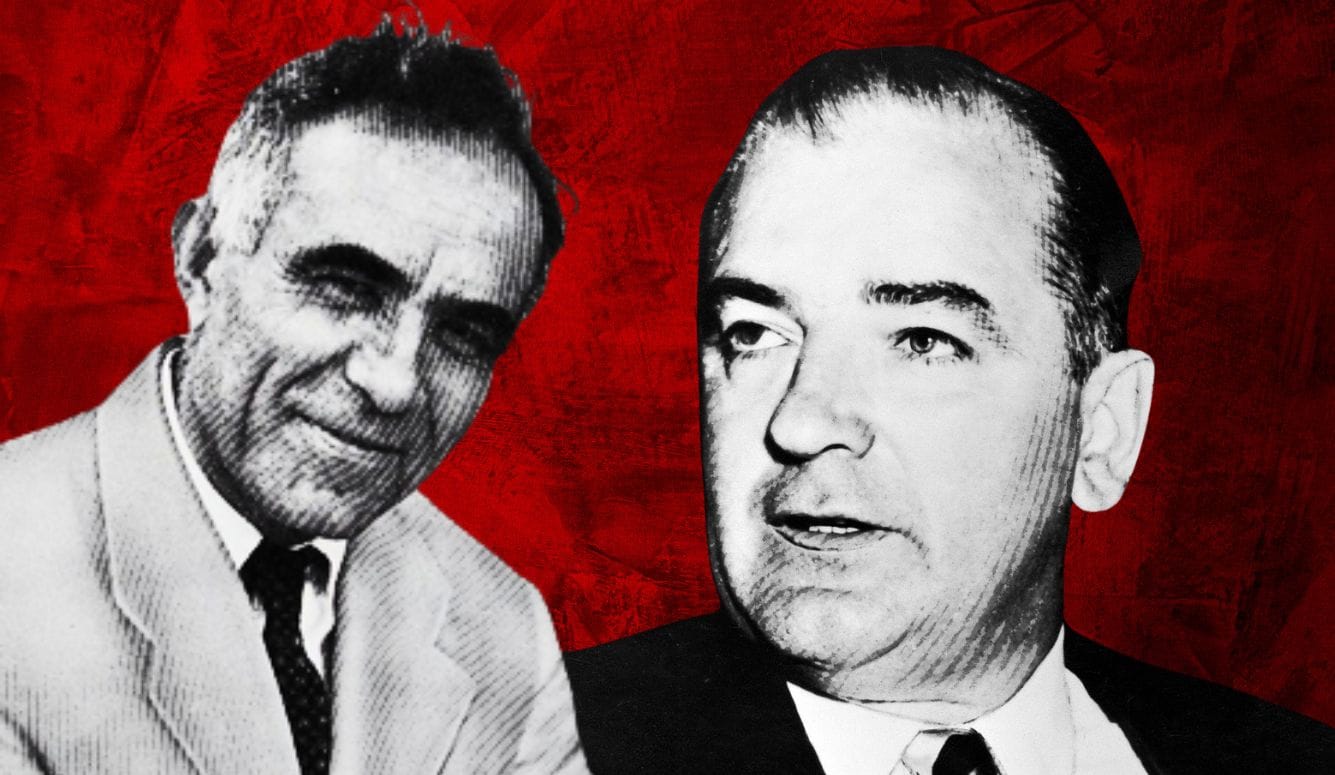
What a Cold War scandal can teach us about democracy.
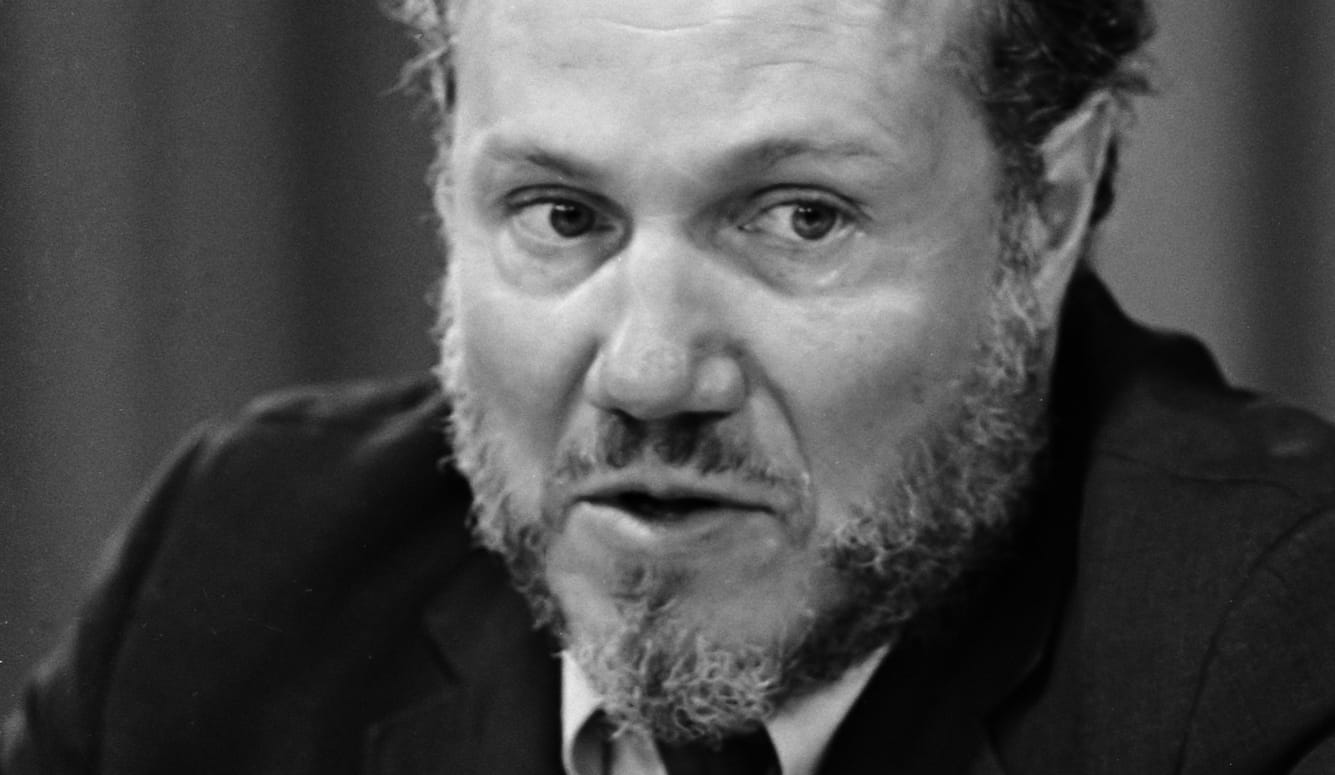
A valuable new collection of wartime letters written by Leslie Fiedler shows how politically astute the budding literary critic was about communism.

This is a story of some of the greatest findings in modern research, and of the dismal narrow-mindedness and motivated reasoning displayed by scholars who ought to know better.

Political scientists have always extolled the ideal of the informed voter, but information has become a cacophony.
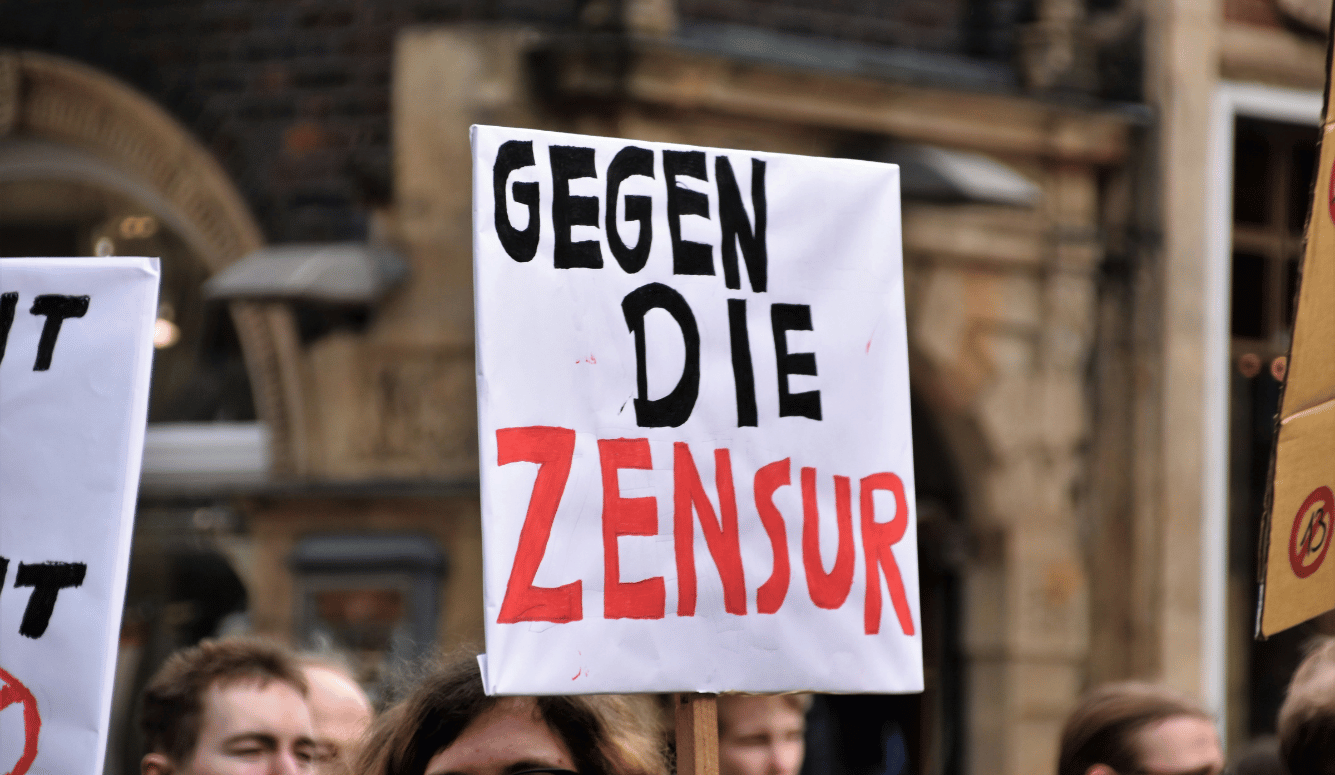
This is not the first time Germany has resorted to censorship in the mistaken belief that the state can contain dangerous ideas. The last time they tried this, it facilitated the rise of the Nazis.