Australia
Australia's Coming Censorship Machine
The Albanese government's proposed Digital Duty of Care laws would give regulators sweeping powers over online content, threatening free speech in Australia and setting a dangerous precedent for internet regulation worldwide.
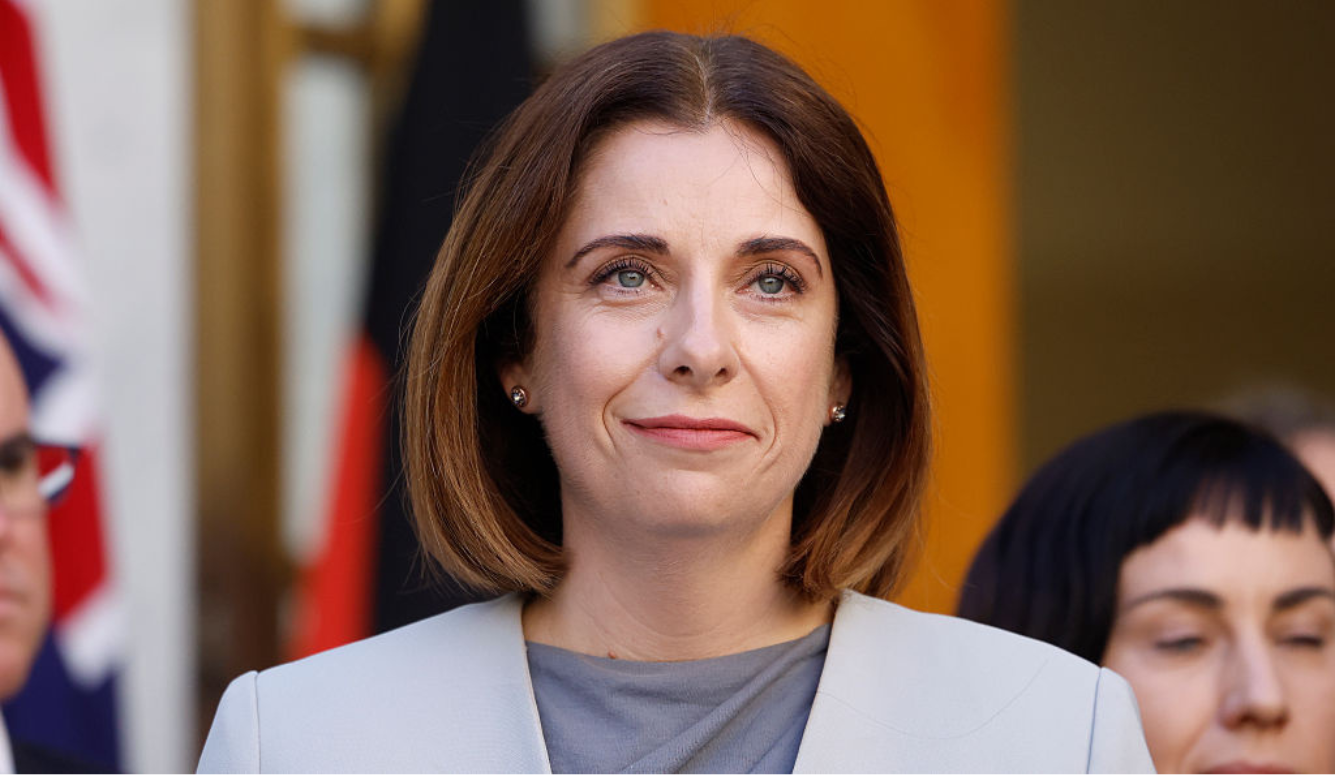

In Australia, a policy debate has broken out following the federal government’s release of its long-promised internet regulation, the digital duty of care. The stakes may be nothing less than the future of freedom on the internet.
The proposed law, an amendment to the existing Online Safety Act 2021, would impose a broad obligation on almost all online services to protect all users, not just children, from harmful content and features, and to manage “reasonably foreseeable risks.”
The government has presented its motivations as being consumer choice and safety. At a press conference launching a draft of the proposed law, Prime Minister Anthony Albanese declared the digital duty of care a “sensible, pragmatic, practical reform” that “is not about giving government control [but] about giving people control.” Communications Minister Anika Wells likened the measure to other kinds of consumer protections: “The same way that we have safety standards for cars, for food, for appliances, Australia is setting basic standards for the online tools and online services within our digital duty of care.”
Yet while presenting the measure as reasonable and targeted, Albanese also linked it to the government’s ban on social media for under-16s, which “started a global movement,” while Wells declared ominously, “There is a global reckoning coming for Big Tech.”
This may not be idle rhetoric. Wells doubled down on her threat of a reckoning in a televised speech at the National Press Club announcing the introduction of the bill into Parliament, while listing countries from Gabon to the Czech Republic that are taking similar steps. With comparable online safety bills under consideration in the United States Senate and Canada, laws in force in the United Kingdom and European Union, and a coordinated push to rein in the development of artificial intelligence, there does indeed appear to be a global shift towards greater regulation of the internet.
But there is also a groundswell of opposition building. While many of the harms the government is targeting are real and even uncontroversial, at least facially, under closer examination, the digital duty of care is a scattergun approach with costs that outweigh its benefits. By giving government wide-ranging powers to affect the content and operation of almost all online services, from Instagram to Google Search and ChatGPT, the digital duty of care would have potentially devastating implications for freedom of speech, and an outsized influence on politics.
Keep reading
Australia's Coming Censorship Machine
Anatomy of a Book Promotion

They Walked in Line

Anti-Catholic Social Panics, Then and Now
A Dishonest (and Dangerous) Nobel Laureate