Politics
An Army of Yesterday’s Civilians: Ukraine and the Fight for Freedom
Do Europeans fully grasp what the fall of Ukraine would mean for the rest of the continent?
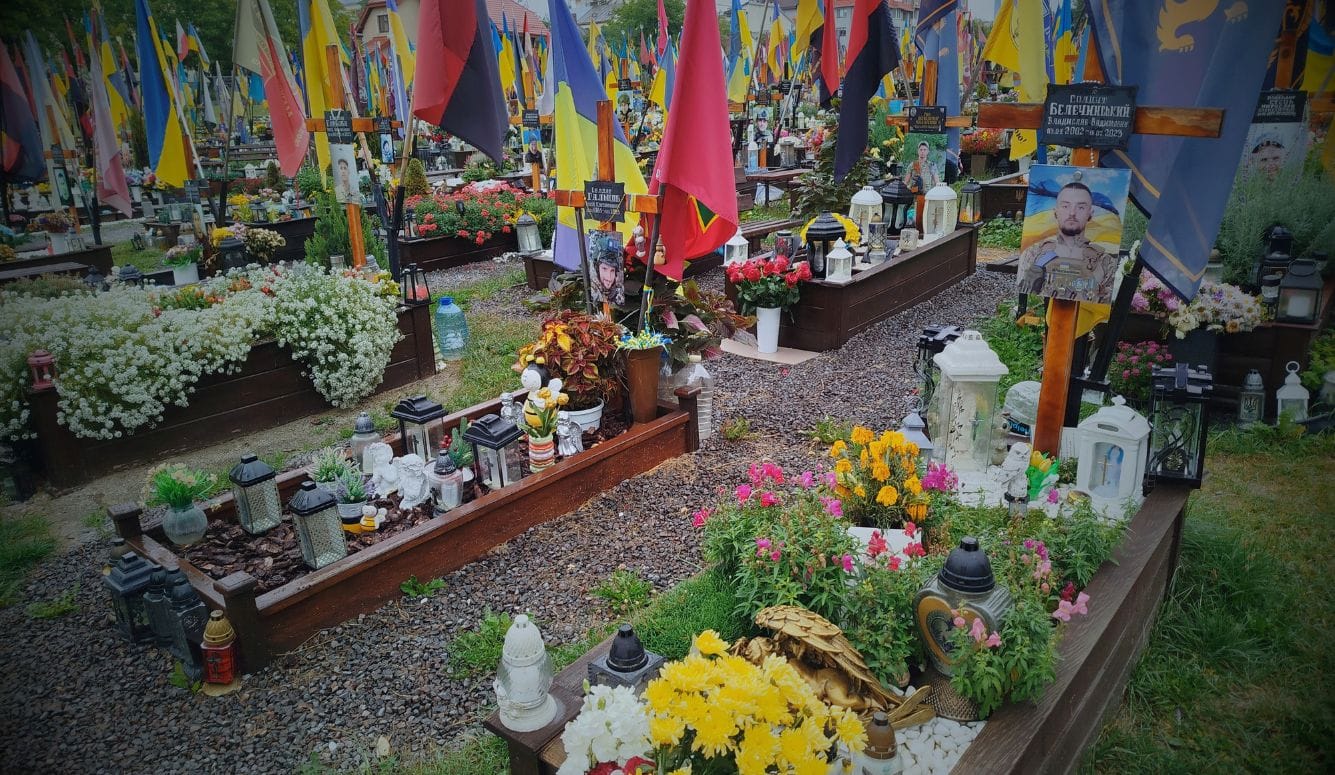

In Charles Gounod’s opera Faust—a romanticised version of Goethe’s more philosophical tragedy—the ageing and decrepit scholar Dr Faust makes a pact with the devil to regain his youth and find love. Last week, I attended a performance of Faust in a splendid classical theatre that could have been anywhere in Europe—except I had to surreptitiously follow the libretto on my phone, since the singers’ French was barely comprehensible and the surtitles were only in Ukrainian.
Had you missed the moving rendition of the Ukrainian national anthem before the overture—the entire audience rising, hands pressed to their hearts—you would never have guessed that this is a country ensnared in a brutal war of attrition, now well into its fifth year. Lviv, in the far west of the country, has been spared the worst of the bombing, but had the performance been scheduled a few hours later, it would have been interrupted by an air-raid alert, with the audience and musicians ordered to take shelter.
Fortunately, we were able to enjoy three and a half hours of undisturbed escapism, right up to the final scene, in which Marguerite dies and is carried to heaven, while Faust kneels in horror and remorse. But the narrative carried a number of eerie reminders of the war still raging across the country. Marguerite’s brother Valentin goes off to war with his friend—named Wagner, like Putin’s mercenary army—and Mephistopheles cruelly predicts that both men will be killed. And then there is Faust’s passionate outburst early in the opera, in which he sings of his jealous longing for youth:
I want youth! Give me pleasures, young mistresses! […] Give me the vigour of powerful instincts, the wild orgies of heart and senses! Ardent youth, I want your desires, I want your raptures, I want your pleasures!
Mephistopheles allows Faust to relive all the carefree pleasures of youth for the modest price of his soul—a tempting bargain indeed. The latter-day Faust in the Kremlin, however, has struck a far more diabolical pact: he has traded away the youth of hundreds of thousands of young men, many of whom never had the chance to enjoy it, and never will. And in return for what, exactly? The old KGB officer is turning 74, and although he is frantically investing in longevity and anti-ageing research, he is rumoured to be in declining health and running out of time. All Putin expects in return for condemning so many to premature deaths is personal vainglory—or what passes for it in his febrile imagination: restoring the mystical bond with the Ukrainian people, resurrecting the mighty Russian Empire, and turning Moscow into a “Third Rome” that will save Christian civilisation.
I am in Lviv with a delegation from Protect Ukraine, a Dutch foundation that supports the Ukrainian nation in its existential fight against the Russian invader. Our guide is the investigative journalist Joris Luyendijk, a former Guardian writer and the author of a book titled Swimming with Sharks about the City of London’s banking world. I have been at loggerheads with Luyendijk in the Dutch culture wars, but in the face of this threat to liberal democracy, none of that matters now. Horrible though it is, a war like this one has the remarkable power to cut straight through all the inconsequential bullshit, reminding us of why we cherish the kind of free societies that allow for culture wars in the first place.
Keep reading

What the Navigators Knew
Gemma Tognini on Australia’s Political Revolt
Rubio in Athens
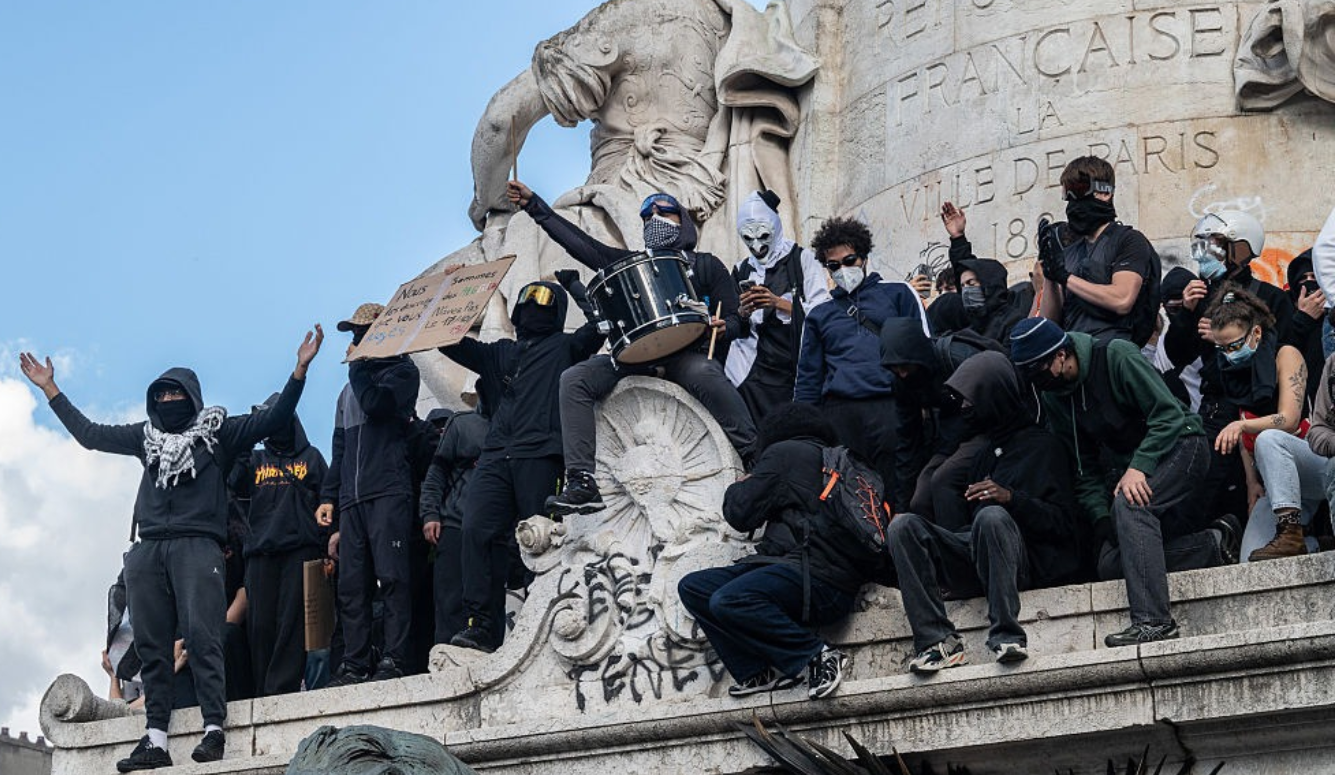
How France Lost Control of Its Streets