History
Life in The Grim Old Days
Chelsea Follett's new history shows how wretched life was before the industrial revolution, but our escape from it began long before the steam engine.
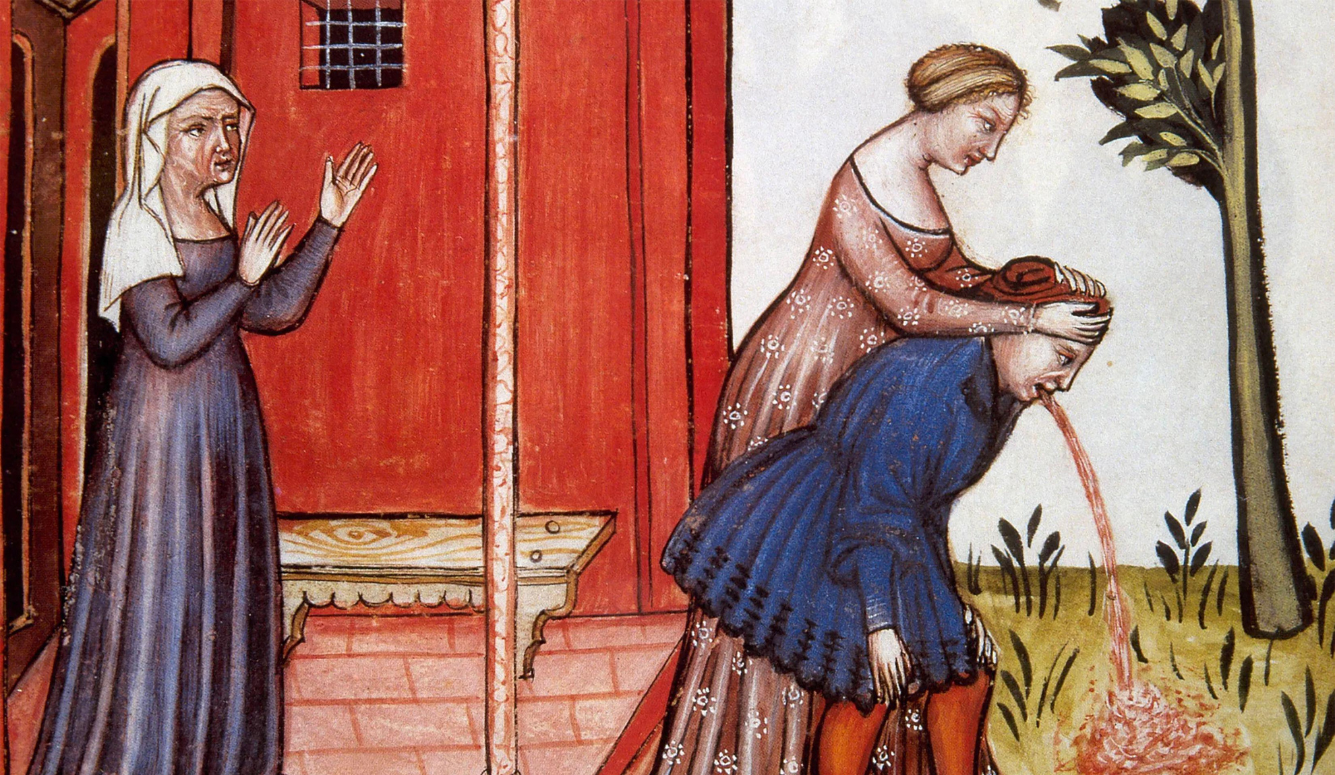

A review of The Grim Old Days: An Introduction to the Preindustrial Past by Chelsea Follett; 536 pages; Cato Institute, Washington, DC (October 2026)
New technologies can be threatening, and consequently many people have had occasion to feel that things were better in the old days, when life was simpler. Indeed, more than a few writers have gone beyond such impressions to synthesise and promote a theory of history that condemns technological progress in general, and the industrial revolution in particular, for the crime of having ruined the once pristine and wonderful world that we used to enjoy. In her terrific new book, The Grim Old Days, Chelsea Follett systematically blows this fantasy to smithereens.
Follett, who is a research fellow at the Cato Institute’s Center for Global Liberty and Prosperity, explores the reality of the past by dealing chapter by chapter with every facet of everyday life. She starts with birth, and proceeds from there through infancy, childhood, education, marriage, food, clothing, shelter, heating, sleep, air, water, work, transport, entertainment, hygiene, medicine, dentistry, and almost everything else we have to deal with, all the way to ageing and death. From ancient times through the eighteenth century, for the average person these were all horrific. In fact, as she shows through a multitude of horrifying but quite entertaining anecdotes, with the exception of work and entertainment, these were all gruesomely awful for royalty as well.
Here’s how it was: Because most children died in infancy, a woman needed to give birth many times, and sooner or later one of those births would almost certainly kill her. If somehow you survived infancy, childhood diseases would probably kill you, and if they didn’t, the education you got would be either no school or a nightmare school. If you made it to adulthood, the lack of transport would limit your marriage prospects to the people in your village, to whom you were probably related, and with whom you were therefore condemned to produce genetically questionable offspring (as you probably were yourself). You lived in a one-room shack filled with filth, or in a tenement in a town whose streets were filled with filth, and so the air stank and the water was unsafe to drink, which is why you were sick most of the time. You had just a few stinking lice-infested rags for clothes, and lice in your hair too, so you itched all the time. The food was of low quality and limited variety, and generally available in inadequate quantities. But even if on rare occasions you got something good to eat, you would not enjoy it much because, by the time you reached adulthood, most of your teeth were gone. You worked from dawn to dusk, but, exhausted as you were, you might not get much sleep because you shared your home with livestock, and even if they were well behaved and made little noise, you needed to be alert at night because there were no police, and you were living in a criminal-infested combat zone. After the development of printing, there were books, but even if you could read and afford them, you would not have much time to read because you worked all day and it was dark at night. Then, if you survived all this to live long enough to face old age, things really went downhill.
It’s true that the tiny minority of upper-class people did not need to work hard and had access to fine music and plays. But to cover their childhood disease scars they wore makeup made of toxic chemicals, used poisonous mouthwashes, and subjected themselves to the frequently fatal ministrations of quack doctors and dentists. So, while it was better to be rich than poor, by modern standards it was still bloody awful.
I read a lot of history, so I was already broadly aware of many of these facts of life in the past. But even so, I did not grasp the full sensuous reality of it until I read Follett’s book. Before the industrial revolution, people did not just live in grinding poverty. They lived in ignorance, fear, and filth, in constant contact with death.
Keep reading
Gemma Tognini on Australia’s Political Revolt

Rubio in Athens

How France Lost Control of Its Streets

How to Suppress Men’s Writing
Back to the Dark Ages