Books
Hiroshima: A Hinge Point for Humanity
Kiyoshi Tanimoto’s extraordinary testimony about the Hiroshima attack and its aftermath has been published by his daughter some forty years after his death.

A review of Hiroshima, 8:15: The Lost Memoir by Kiyoshi Tanimoto, 224 Pages, Penguin Random House (August 2026)
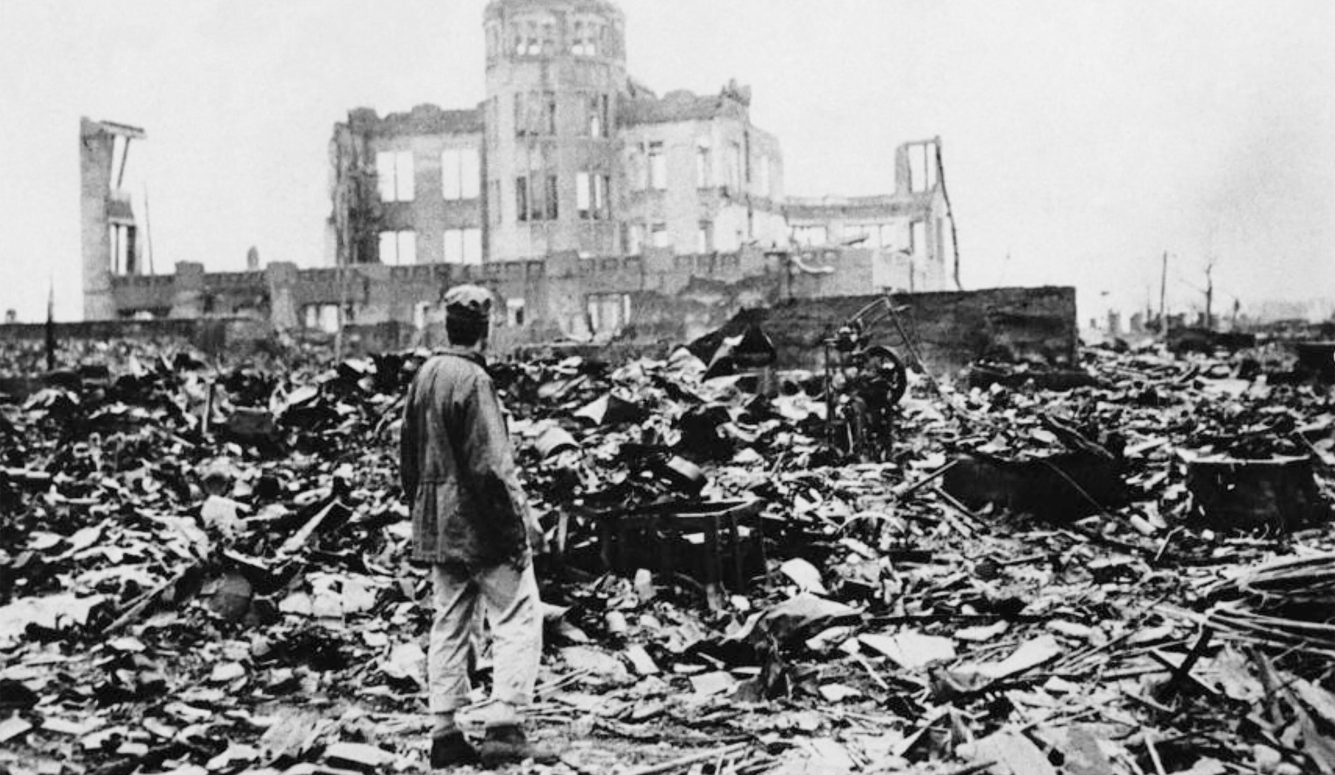
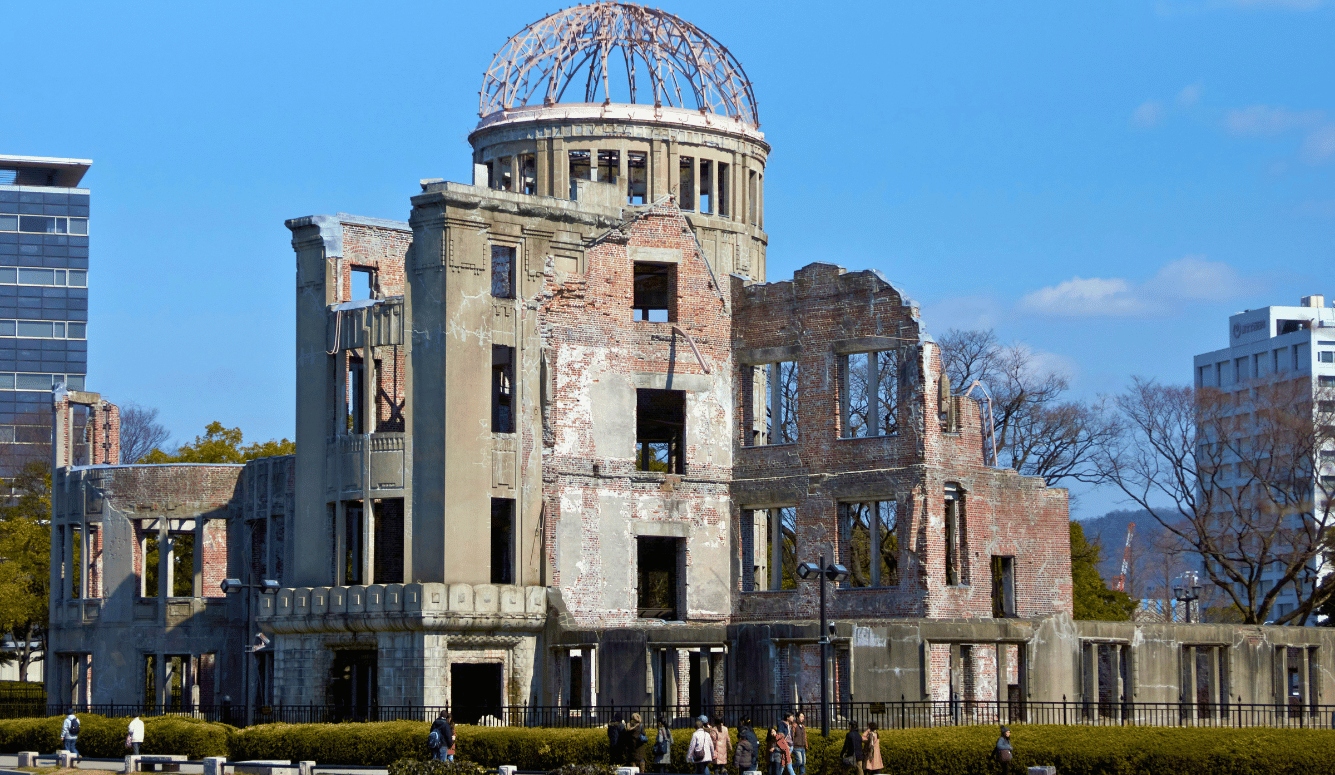
The overwhelming sensation in Hiroshima’s Peace Memorial Park—the hypocentre of the atomic bomb’s detonation—is silence. In general, Japan is a quiet place. With the exceptions of karaoke bars, electronic jingles in subway cars, busy crosswalks, and Tokyo’s famous “Shibuya Scramble,” the country is remarkably decorous. But the silence in Hiroshima feels different—more profound and reverent than serene. The peace park spans thirty acres, in which visitors can find a symbolic arch memorialising the children who perished, an “A-bomb dome” that survived the blast and has been preserved in its ruined state, and an understated but deeply moving museum documenting the carnage that unfolded on 6 August 1945. We moved noiselessly from site to site as we paid our respects to the departed.
On that fateful day, however, this port city experienced an even eerier silence after the attack that claimed the lives of an estimated 140,000 residents (out of a total population of slightly more than 350,000). Evidence of the devastation can be found in the exhibits lining the park, and in Hiroshima, 8:15: The Lost Memoir, Kiyoshi Tanimoto’s extraordinary testimony of the bombing and its aftermath, published in August some forty years after his death after it was discovered in a Yale library among the papers of the New Yorker writer John Hersey. A Methodist minister who had studied theology in the US, Tanimoto documents the unimaginable horrors his countrymen suffered, but he still manages to present a surprisingly hopeful view of humanity’s future.
At 8:15 on 6 August, Tanimoto found himself on the southwestern outskirts of the city helping parishioners move houses. “A sharp flash of light streaked out of a dim, brown cloud,” he recalled. “I took a few steps backward and dropped to the ground on my belly between two garden rocks near the porch.” Fortunately, he’d sheltered in a valley separated from the main city by a tall hill, but as soon as he crested the rise to assess the damage, he encountered “injured women, both young and old, one after another, with wounded faces and limbs.”
Keep reading
A Pop Fiction Master and Monster
Australia’s Coming Censorship Machine

Anatomy of a Book Promotion

They Walked in Line


Anti-Catholic Social Panics, Then and Now